Best Place to Buy Pokemon Cards in Bulk (Dealers vs Marketplaces)
Buying bulk is a treasure hunt. Here is where to dig.
By Misprint Editorial | Published Jan 20, 2026 | 11 min read

Somewhere in that 5,000-card lot is a $200 card that the seller didn't bother to check. Your job is to find lots like that before everyone else does.
Buying Pokemon cards in bulk is one of the most polarizing activities in the hobby. Some people love it — the thrill of sorting through thousands of cards looking for hidden value, the satisfaction of completing a set from a single bulk purchase, the math of buying at $0.03 per card and pulling out cards worth $5-20 each. Other people think it's a waste of time and money.
Both camps are right, depending on where you buy. The source of your bulk determines everything: the quality of cards you'll find, the likelihood of hidden gems, the price per card, and whether you're going to spend 10 hours sorting through genuine collection cards or energy cards someone already picked clean.
We wrote a detailed guide on how to buy Pokemon cards in bulk — the mechanics, the math, and the strategy. This article is different. This is about where to buy bulk, ranking every major source by what you'll actually get for your money.
Who Buys Bulk (and Why It Matters for Where to Buy)
Not all bulk buyers want the same thing, and the best source depends on your goal.
Set builders want specific cards to fill holes in their collections. They need access to large pools of cards from specific sets and eras, ideally with commons, uncommons, and rares mixed in. They care about condition and completeness.
Resellers buy bulk cheap, sort it, extract the valuable cards, and resell the rest. They care about price per card and the probability of finding undervalued cards in the lot. A reseller buying a 10,000-card lot at $250 needs to pull $300+ in value to make it worthwhile.
Treasure hunters buy bulk for the dopamine. They want unsorted collection lots — the kind where the original owner dumped their childhood collection into a box and never looked back. These buyers are gambling, and they know it. The payoff is occasionally spectacular.
Bulk dealers buy massive quantities (50,000+ cards) from other bulk sellers, sort and repackage, and resell at a markup. They need the cheapest possible acquisition cost.
Where you fall on this spectrum determines where you should be buying.
Dedicated Online Bulk Dealers
Companies that specialize in selling Pokemon bulk in large quantities — places like Deriums, Full Grip Games, TCA Gaming, and Card Cavern — are the most straightforward option. You pick a lot size, pick a category (commons/uncommons, rares, holos, etc.), and they ship you a pre-sorted package.
What you'll get: Consistent quality within the advertised category. If you order 1,000 rare cards, you'll get 1,000 rare cards. They'll be from a mix of sets, generally modern (Sword & Shield era and newer), and in LP to NM condition.
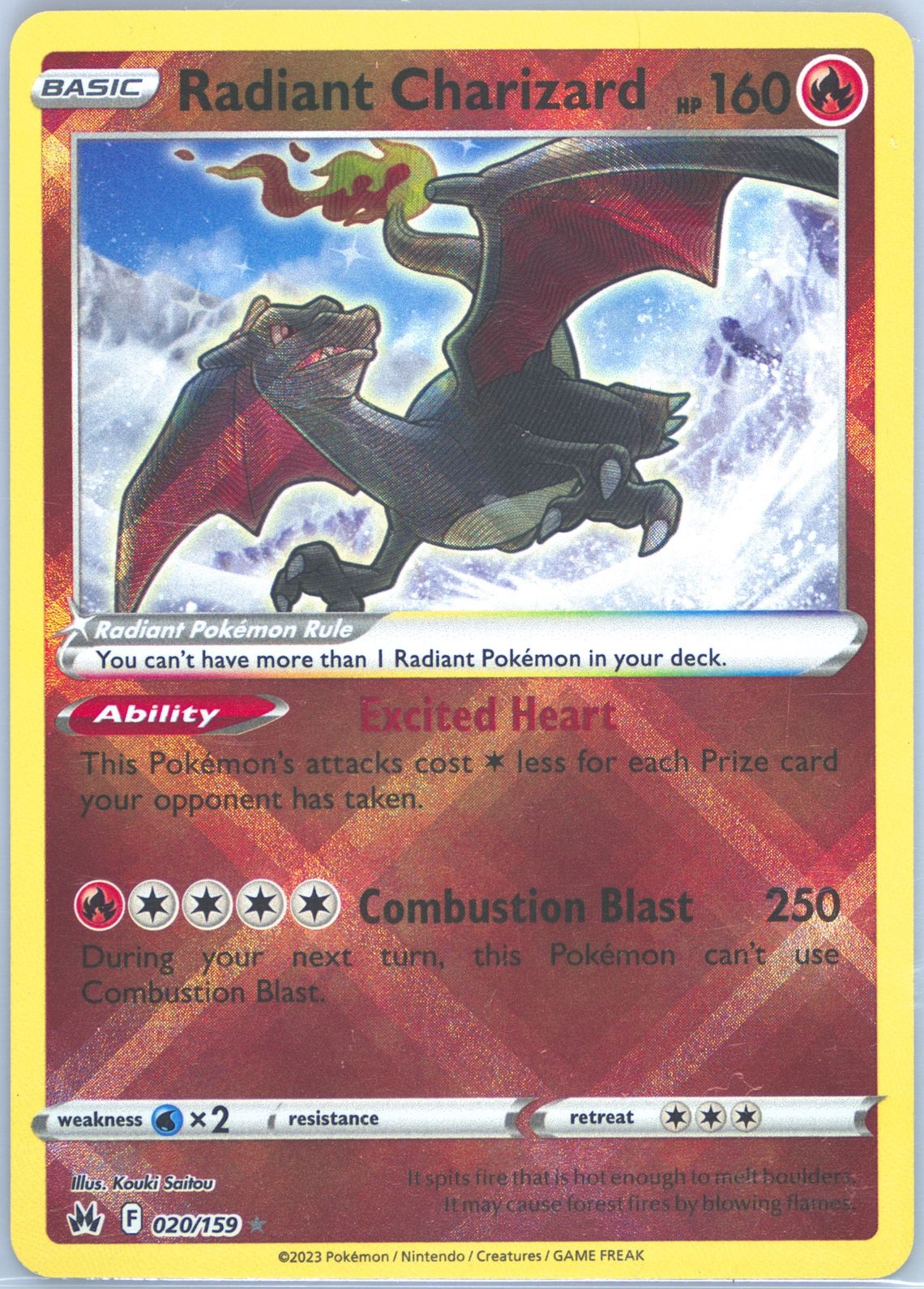
What you won't get: Hidden gems. Bulk dealers are in the business of sorting cards, which means they've already pulled anything valuable. That lot of 1,000 "random rares" isn't going to contain a Radiant Charizard or an Umbreon VMAX. Those were extracted before the remaining cards got categorized as "bulk."
Pricing:
- Commons/Uncommons: $0.02-0.04 per card
- Rares: $0.10-0.20 per card
- Holos: $0.25-0.50 per card
- Reverse holos: $0.08-0.15 per card
- V/ex/VMAX cards: $0.50-2.00 per card depending on the card
Best for: Set builders who need specific rarities to fill collections, parents buying cards for kids who just want a big stack to play with, and resellers who plan to repackage and sell at retail (mystery packs, etc.).
Not ideal for: Treasure hunters or anyone hoping to find undervalued cards. These lots have been picked.
For more details on bulk pricing and what different tiers of bulk cards are worth, see our guide on what bulk Pokemon cards are worth.
eBay Lots: The Wild West
Search "pokemon card lot" on eBay and you'll get thousands of results ranging from a $15 lot of 100 commons to a $5,000 lot of "untouched childhood collection." This is where the bulk buying gets interesting — and dangerous.
The good lots: Collection lots from people who are genuinely cleaning out their closets. These are unsorted, unpicked, and can contain anything. We've seen eBay lots that contained Base Set holos, Gold Stars, and error cards mixed in with modern commons. The seller just wanted to get rid of everything and didn't take the time to sort. These are the holy grail for bulk buyers.
The bad lots: Picked-clean bulk being marketed as "unsorted" or "mystery" lots. The seller bought bulk from a dealer, threw in a few recognizable-but-worthless holos for the photo, and is selling it at a markup. These lots contain nothing of real value.
How to tell the difference:
- Photos of actual cards: Good lots show the actual stack of cards, ideally spread out enough to see the variety. Bad lots show a stock photo or a carefully staged pile with the best cards on top.
- Seller history: Check what else the seller has listed. If they have 50 identical "unsorted Pokemon lots," they're a bulk dealer disguised as a casual seller. If they're selling a single lot along with old furniture and random household items, it's more likely a genuine collection cleanout.
- Set diversity: A real collection lot will contain cards from different eras — WOTC, ex, Diamond & Pearl, modern. If every visible card is from the same two recent sets, it's manufactured bulk.
- Price per card: Do the math. If a "1,000-card lot" is listed at $100, that's $0.10 per card. For unsorted commons and uncommons, that's overpriced. You should be paying $0.03-0.05 per card for truly random bulk.

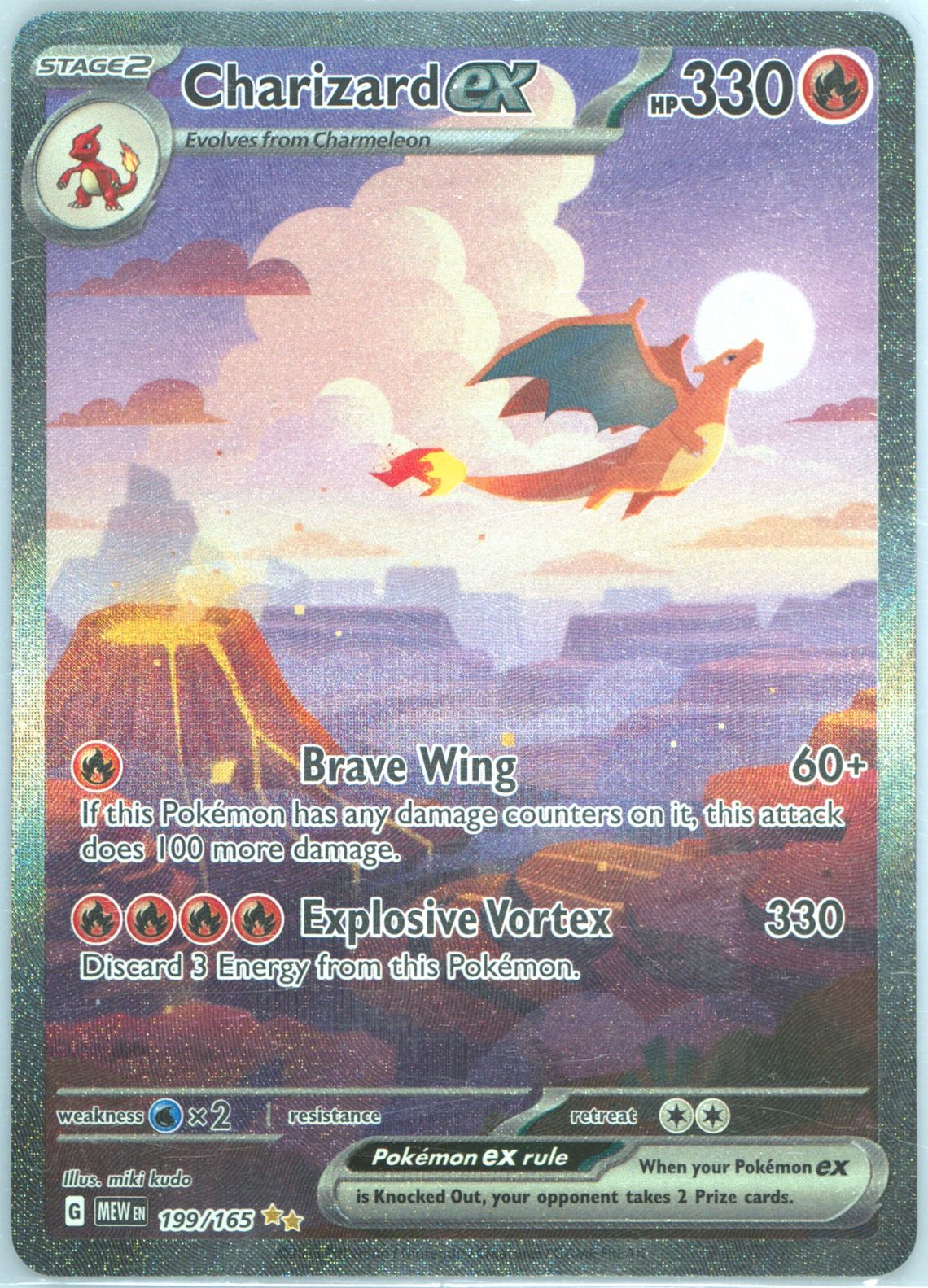
Our best eBay bulk strategy: Search for newly listed lots (filter by "Newly Listed") from sellers with low feedback counts (5-50 range) who are clearly selling a personal collection, not running a business. These sellers often underprice because they don't know what they have. Set up saved searches for terms like "pokemon card collection lot," "old pokemon cards," and "pokemon cards estate" with email alerts.
Best for: Treasure hunters willing to do the research and take calculated risks.
Not ideal for: Anyone who wants consistency or specific cards. eBay lots are gambling.
Facebook Marketplace and Facebook Groups
Facebook is an underrated source for bulk Pokemon cards, for one reason: the sellers are often non-collectors who just want to get rid of stuff.
Facebook Marketplace
Search your local Facebook Marketplace for "pokemon cards" and you'll find parents selling their kids' old collections, people cleaning out after moving, and estate cleanouts. The pricing is usually cheap because the sellers have no idea what they're selling and just want it gone.
Strengths:
- Local pickup means no shipping costs
- Sellers are often non-collectors who haven't picked through the cards
- Negotiation is expected — many sellers will take 50-70% of their asking price
- You can sometimes see the cards before buying
Weaknesses:
- Availability is completely random — depends on your local area
- Card condition varies wildly (these were often stored in shoeboxes in garages)
- No buyer protection if you pay cash
- Meeting strangers for transactions has obvious safety considerations
Our tip: Set up alerts for "pokemon cards" on Facebook Marketplace and check daily. The best deals go fast. When you see a promising lot, message immediately and offer to pick up same-day. Sellers who list on Facebook Marketplace want the stuff gone; speed is your advantage.
Facebook Buy/Sell/Trade Groups
Groups like "Pokemon TCG Buy/Sell/Trade" and "Virbank City Pokemart" have active bulk trading. Sellers in these groups generally know more about card values than Facebook Marketplace sellers, so you're less likely to find completely undervalued collections. But the pricing is still 15-25% below eBay because there are no platform fees.
Strengths:
- No platform fees means lower prices
- Community reputation systems add some accountability
- Lots are often better-described than eBay listings
- Can negotiate directly
Weaknesses:
- Payment via PayPal G&S adds fees (~3%) but is essential for protection
- No formal buyer protection
- Scam risk is real (always use PayPal G&S, never Friends & Family)
- Shipping on large bulk lots is expensive
Best for: Experienced bulk buyers who know card values and can evaluate lots from photos. Also good for local deals where you can inspect before buying.
Local Card Shops: Bulk Bins and Buylist Rejects
Most local card shops have a bulk section — bins of commons, uncommons, and low-value rares that they've acquired through buy-ins and trades. These are cards that customers traded in for store credit and that the shop deemed not worth individually listing.
What you'll find: The quality varies enormously by shop. Some shops are meticulous about sorting and will have already extracted everything above $2 in value. Others are less thorough, and their bulk bins are genuine treasure troves. We've heard firsthand accounts of people finding $50+ cards in $0.10 bins at shops that just didn't have time to sort everything.
Pricing: Usually $0.05-0.25 per card for commons/uncommons, $0.25-1.00 for rares, and $1-5 for holos depending on the shop. Many shops also sell pre-packaged bulk lots (500 commons for $15, etc.).
The real value of LCS bulk: The experience. Sitting at a shop, digging through bins, talking to other collectors — this is the social side of the hobby that online buying can't replicate. And if you're a set builder, pulling the exact card you need from a $0.10 bin is immensely satisfying.
Our tip: Build a relationship with your local shop. Ask when they process new bulk buy-ins. Some shops will let regulars get first pick of fresh bulk before it hits the general bins. This is where the best finds happen.
Best for: Set builders and treasure hunters who enjoy the physical experience. Also decent for resellers in areas with less-savvy card shops.
TCGPlayer: Precision Buying for Set Completion
TCGPlayer is not traditionally thought of as a "bulk" source, but for set builders specifically, it's arguably the most efficient option. Rather than buying 5,000 random cards hoping to find the 30 you need, you can buy exactly those 30 cards individually.
The mass cart strategy: TCGPlayer's optimizer lets you add multiple cards to your cart and find the cheapest combination of sellers to fulfill the order. If you need 50 cards to complete a set, the optimizer will figure out the lowest total cost across all sellers, minimizing shipping by grouping orders.
Pricing for common singles: Individual commons and uncommons on TCGPlayer run $0.05-0.15 each plus shipping. If you're buying 50+ cards from the same seller, the per-card shipping cost drops significantly. A complete common/uncommon set from a modern set might run $15-30 on TCGPlayer.
Strengths:
- Buy exactly what you need with no waste
- Verified sellers with buyer protection
- Cart optimizer reduces total cost
- Every card is individually listed with condition
Weaknesses:
- Not for "random bulk" treasure hunting
- Shipping costs add up on small orders
- Less fun than digging through physical bins (if that matters to you)
Best for: Set builders who know exactly which cards they need. Not a bulk source in the traditional sense, but the most efficient way to complete a set.
Estate Sales, Garage Sales, and Thrift Stores
The long-shot option. But when it hits, it hits hard.
Estate sales, garage sales, and thrift stores occasionally surface Pokemon card collections that nobody in the family knew had value. These are the stories you see on Reddit — "bought a shoebox of cards at a garage sale for $20 and found a 1st Edition Charizard." It happens. Rarely. But it happens.

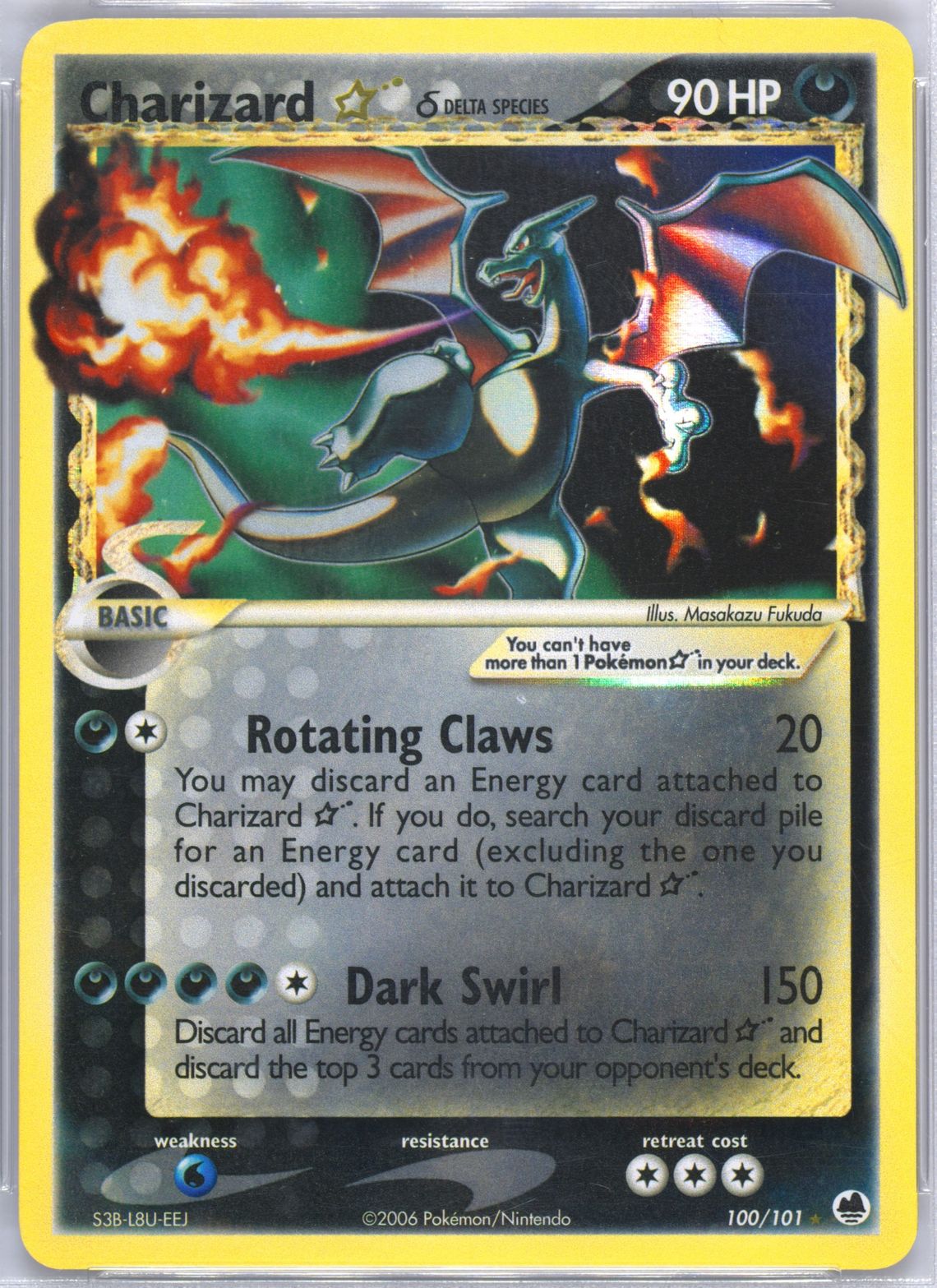
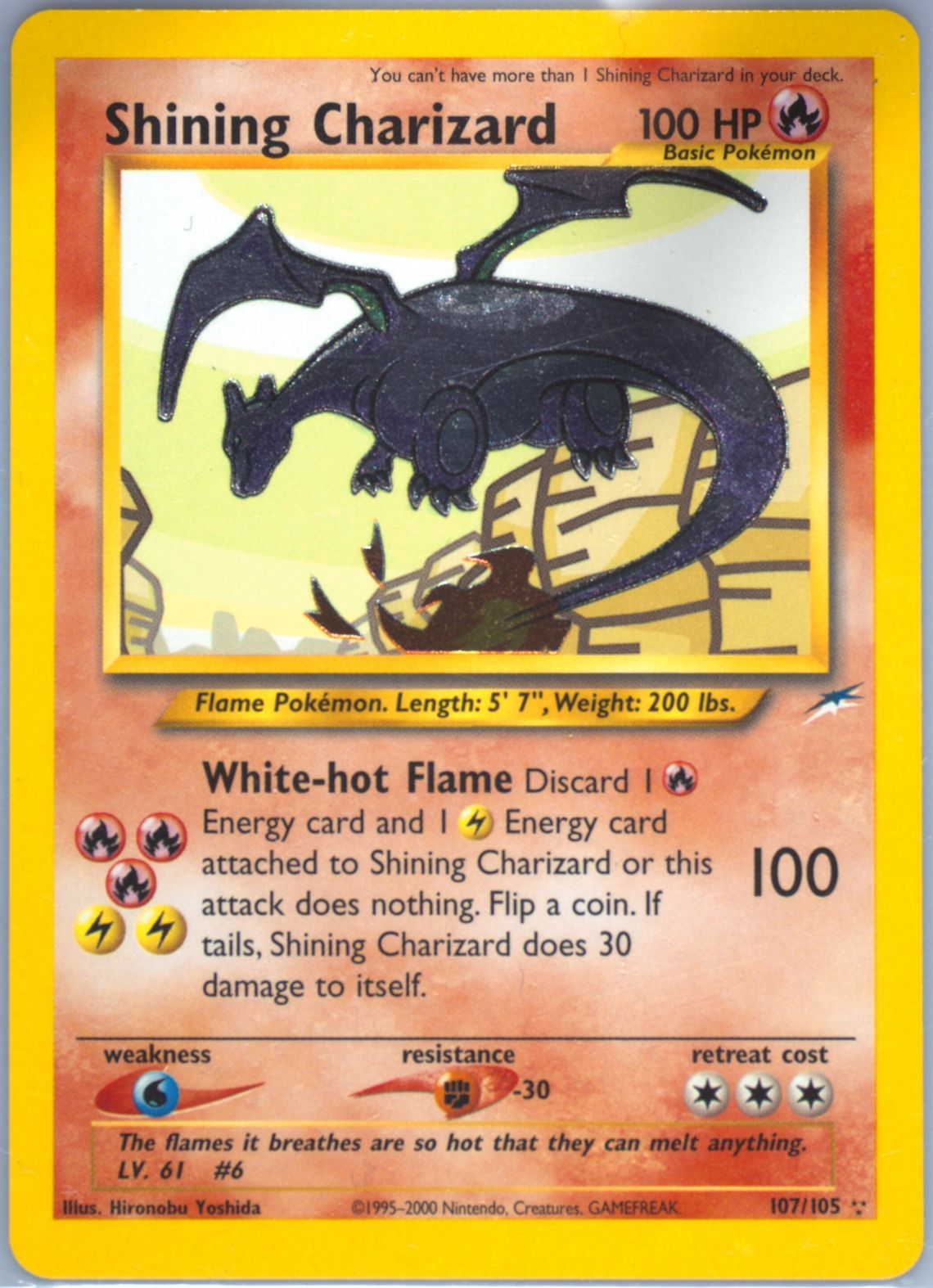
How to find these opportunities:
- Estate sale websites: EstateSales.net and other listing sites let you search for sales in your area. Search for keywords like "pokemon," "trading cards," or "collectibles." Get there early on the first day.
- Garage sale apps: Yard Sale Treasure Map, Craigslist, and Facebook Marketplace list upcoming garage sales. Saturdays at 7am is when you need to be out.
- Thrift stores: Goodwill, Salvation Army, and local thrift shops occasionally get card donations. Check regularly. The key is consistency — checking once won't find anything, but checking weekly for months might.
Realistic expectations: For every "found a Gold Star in a thrift store" story, there are hundreds of people who spent their Saturday mornings driving to garage sales and finding nothing. This is the least efficient way to acquire bulk Pokemon cards. But it's also the cheapest when you do find something, and the stories are unbeatable.
Best for: People who enjoy the hunt as much as the cards. Not a reliable sourcing strategy.
Reddit (r/PokemonTCG, r/PKMNTCGTrades)
Reddit's Pokemon card communities are an underutilized source for bulk. r/PKMNTCGTrades is specifically designed for buying and selling, and bulk lots appear regularly.
Strengths:
- Community-driven pricing (usually fair or below market)
- Transparent feedback systems (trade references)
- Detailed lot descriptions with photos
- Direct communication with sellers
Weaknesses:
- Lower volume than eBay or Facebook
- Transaction safety depends on following community rules (PayPal G&S, etc.)
- Shipping costs are always a factor
Best for: Informed buyers who are comfortable with peer-to-peer transactions and want community-fair pricing.
Comparing Sources: What to Use When
| Your Goal | Best Source | Second Best | Avoid |
|---|---|---|---|
| Complete a specific set | TCGPlayer | Local card shop | eBay random lots |
| Find hidden gems cheap | Facebook Marketplace, estate sales | eBay collection lots | Dedicated bulk dealers |
| Buy sorted bulk for resale | Dedicated bulk dealers | Facebook groups | Estate sales (too inconsistent) |
| Maximize cards per dollar | Dedicated bulk dealers | eBay lots (negotiated) | TCGPlayer (shipping) |
| Vintage bulk specifically | eBay collection lots | Facebook groups | Bulk dealers (mostly modern) |
| Physical treasure hunting | Local card shop bins | Garage sales | Online anything |
The Math of Bulk Buying
Let's get concrete about whether bulk buying makes financial sense.
Scenario: Buying a 5,000-card eBay lot for $150 ($0.03/card)
If the lot is genuinely unsorted, here's a rough expectation for what you might find in a mixed-era lot:
- 4,700 commons/uncommons worth $0.01-0.03 each: ~$70-140 total
- 200 rares worth $0.10-0.50 each: ~$20-100 total
- 80 holos/reverse holos worth $0.25-2.00 each: ~$20-160 total
- 15-20 cards worth $2+ each: ~$30-100 total
- 1-3 cards worth $10+ each (if you're lucky): ~$10-50 total
Realistic total value: $150-550. Wide range because it depends entirely on the quality of the lot. A picked-clean lot nets you $150 and you break even. A genuine unsorted collection lot can net 2-3x your investment.
The key variable is whether the lot has been pre-sorted. Dedicated dealers selling "bulk" have already extracted all the value. A teenager selling their childhood collection hasn't. That's the entire game of bulk buying.
For detailed guidance on the sorting process and how to maximize the value you extract, check our bulk buying how-to guide and our analysis of what bulk cards are actually worth.
Tools for Bulk Buyers
Regardless of where you buy bulk, you'll need some tools:
- A card scanner app for quick identification and pricing. We've written about the best Pokemon card scanner apps if you need recommendations.
- A price reference for spot-checking values. Misprint's card database and TCGPlayer's market prices are both useful.
- Sorting supplies: Penny sleeves for anything worth more than $1, top loaders for anything worth more than $5, and a good organizational system. Check our guide on storing and protecting cards.
- A spreadsheet or tracking tool to log what you find and calculate your actual return on investment.
Final Thoughts
Buying Pokemon cards in bulk is a treasure hunt. The treasure is real, but so is the possibility of digging through 5,000 energy cards and finding nothing. Where you buy determines which outcome is more likely.
If you want consistency, buy from dedicated bulk dealers and know you're getting exactly what's advertised. If you want the thrill of the hunt, target eBay collection lots, Facebook Marketplace cleanouts, and local card shop bins. If you just need specific cards, skip the bulk entirely and buy singles on TCGPlayer.
And whatever you do, always do the math. Price per card, expected value of the lot, and the hours you'll spend sorting. Bulk buying is only worth it if the numbers work out — or if you genuinely enjoy sitting on your floor surrounded by thousands of Pokemon cards. No judgment either way.