Best Place to Sell Bulk Pokemon Cards (Lots, Collections, and Commons)
Bulk is not worthless. You are just selling it wrong.
By Misprint Editorial | Published Feb 3, 2026 | 11 min read

Somewhere in your closet, a shoebox full of commons is quietly worth more than you think — if you know where to take it.
Let's be real: most Pokémon card collections are 90% bulk. Commons, uncommons, non-holo rares, reverse holos that nobody is hunting for, energy cards, trainer cards from three rotations ago. The stuff that doesn't show up in YouTube opening videos. The stuff that sits in shoeboxes and binders and Ziploc bags in the back of closets all over the world.
And here's the thing — bulk is not worthless. But it's also not going to make you rich. The whole game with bulk is understanding exactly what it's worth, finding the right buyer, and not wasting twenty hours sorting cards to earn an extra $5. The platform you sell on makes a bigger difference for bulk than it does for almost any other category of Pokémon cards.
We've already written a guide on how to sell bulk Pokémon cards, which covers sorting strategies, pricing, and the logistics of actually getting bulk out your door. This article is specifically about where — which platforms and buyers will give you the best return for your bulk, ranked by price per card and how much effort is involved.
Before you sell any bulk, though, do yourself a favor and skim through it first. Use a Pokémon card scanner app to check for anything valuable hiding in the pile. We have pulled $50+ cards out of bulk lots we were about to sell for pennies. It happens more often than you'd think, and we cover what to look for in our guide on identifying valuable cards.
The Bulk Market in 2026: What Are We Actually Talking About?
When we say "bulk," we're talking about a spectrum:
- True bulk commons/uncommons: The lowest tier. Energy cards, random commons from recent sets. Worth about $0.01-$0.03 per card to bulk buyers.
- Bulk rares and non-holo rares: A step up. These are worth $0.05-$0.15 per card depending on the set and demand.
- Reverse holos and holos (non-chase): These can be worth $0.10-$0.50 each, sometimes more if they're from popular sets.
- Bulk V/EX/GX cards: These are the "bulk" that actually has decent value. Most are worth $0.50-$3.00 each.
- Unsorted collections: This is what most people actually have — a mixed bag of everything above, usually acquired by opening packs over months or years.
The platform that makes sense depends heavily on which tier of bulk you're dealing with. Selling 5,000 commons to a dedicated bulk buyer is a completely different process than selling a curated lot of 200 holos on eBay.
Dedicated Bulk Buyers (Safari Zone, Card Cavern, Full Grip Games)
This is the fastest, easiest way to sell bulk Pokémon cards. Dedicated bulk buyers purchase cards in quantity — hundreds or thousands at a time — and they have standardized rates that they publish openly.
How it works: You sort your cards into their categories (commons/uncommons, rares, holos, etc.), count them, pack them in a box, and ship them to the buyer. They verify the count and condition, then pay you based on their published rates.
Current typical rates (2026):
| Card Type | Price Per Card |
|---|---|
| Commons/Uncommons | $0.01 - $0.03 |
| Non-holo Rares | $0.05 - $0.08 |
| Reverse Holos | $0.05 - $0.10 |
| Holos | $0.08 - $0.15 |
| V/EX/GX (bulk) | $0.30 - $1.00 |
| Full Art Trainers (bulk) | $0.50 - $2.00 |
Safari Zone is one of the best-known bulk buyers. Their rates are competitive, they process quickly, and they have a clear submission process. They also buy bulk from other TCGs, which is convenient if you've got a mixed collection.
Card Cavern offers similar rates and has built a solid reputation for paying out promptly. They tend to be slightly more generous on holo and rare bulk in our experience.
Full Grip Games is another reliable option, particularly if you have bulk from older sets. They sometimes pay a premium for pre-Sword & Shield era bulk because the supply is smaller.
Pros:
- Minimal effort once you've sorted
- Published rates mean no negotiation
- Fast turnaround (usually 1-2 weeks from shipping to payment)
- They handle the resale — you don't deal with individual buyers
Cons:
- You're getting the lowest per-card price of any method
- Requires sorting (some buyers have specific requirements)
- You pay for shipping to them (though some offer free shipping labels over certain quantities)
- If a valuable card slips through your sorting, it's gone
Best for: 1,000+ cards of true bulk commons/uncommons/rares that you want out of your house with minimal hassle. If your time is worth anything to you and you're sitting on thousands of commons, this is probably the move.
For more context on what bulk is actually worth, read our breakdown of bulk card values in 2026.
eBay (Lots and Collections)
eBay is a surprisingly effective platform for selling bulk Pokémon cards — if you package it right. The key word here is "lots." You're not listing individual commons on eBay (please don't do that). You're creating curated lots that appeal to specific buyer demographics.
What sells on eBay:
- Set-specific lots: "Complete set of all commons/uncommons from Surging Sparks" can sell for significantly more than the cards are worth individually. Set completionists exist, and they'd rather buy a complete common/uncommon set for $25 than hunt down 100+ individual cards.
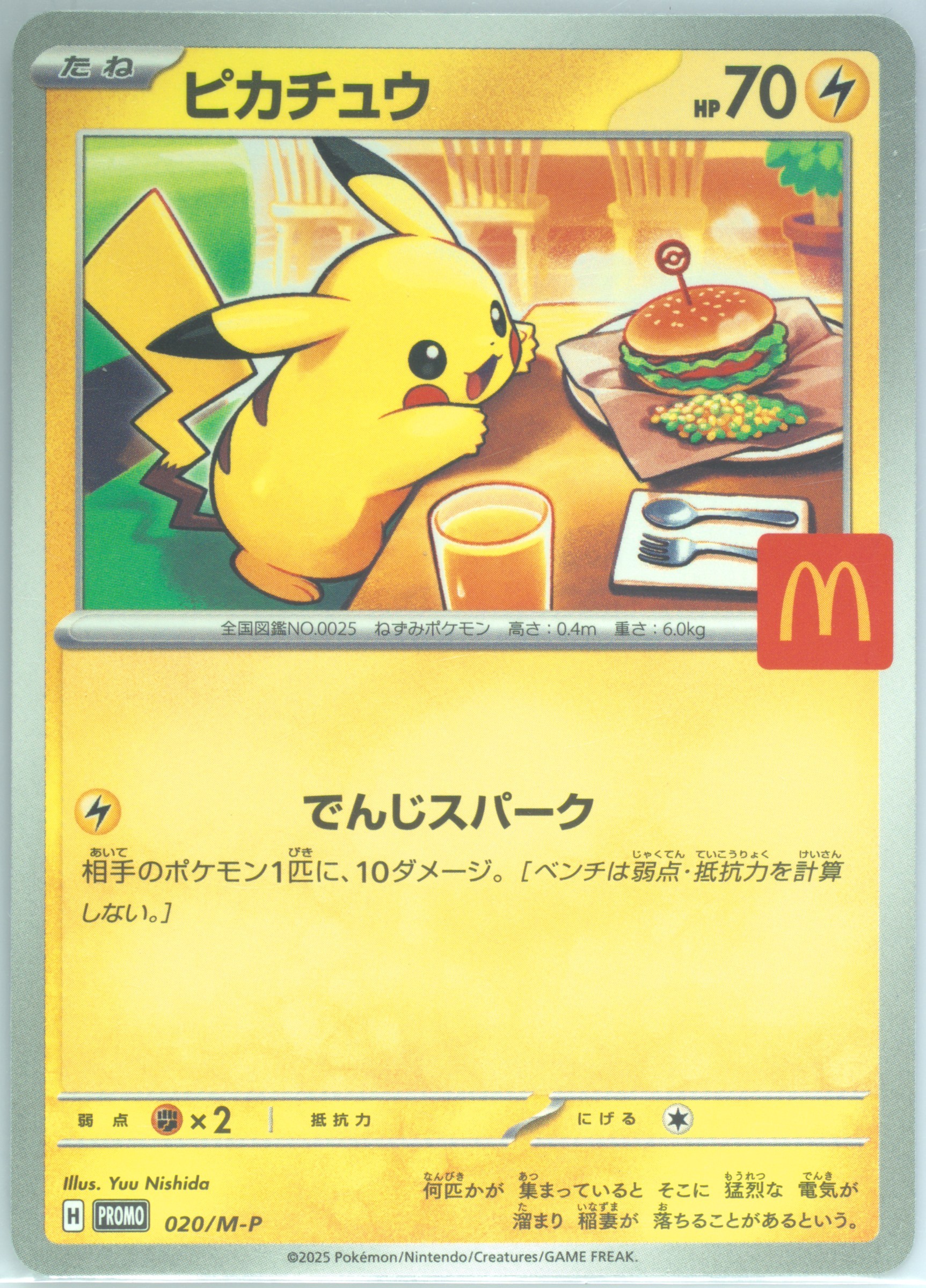
- Character lots: "50 different Pikachu cards" or "Every Eevee Evolution card from 2020-2025" appeal to character collectors. These command a premium over random bulk.
- Mystery lots: Controversial, but "100 Pokémon cards including 5 holos and 1 ultra rare guaranteed" style lots sell consistently on eBay. Just be honest about what's included.
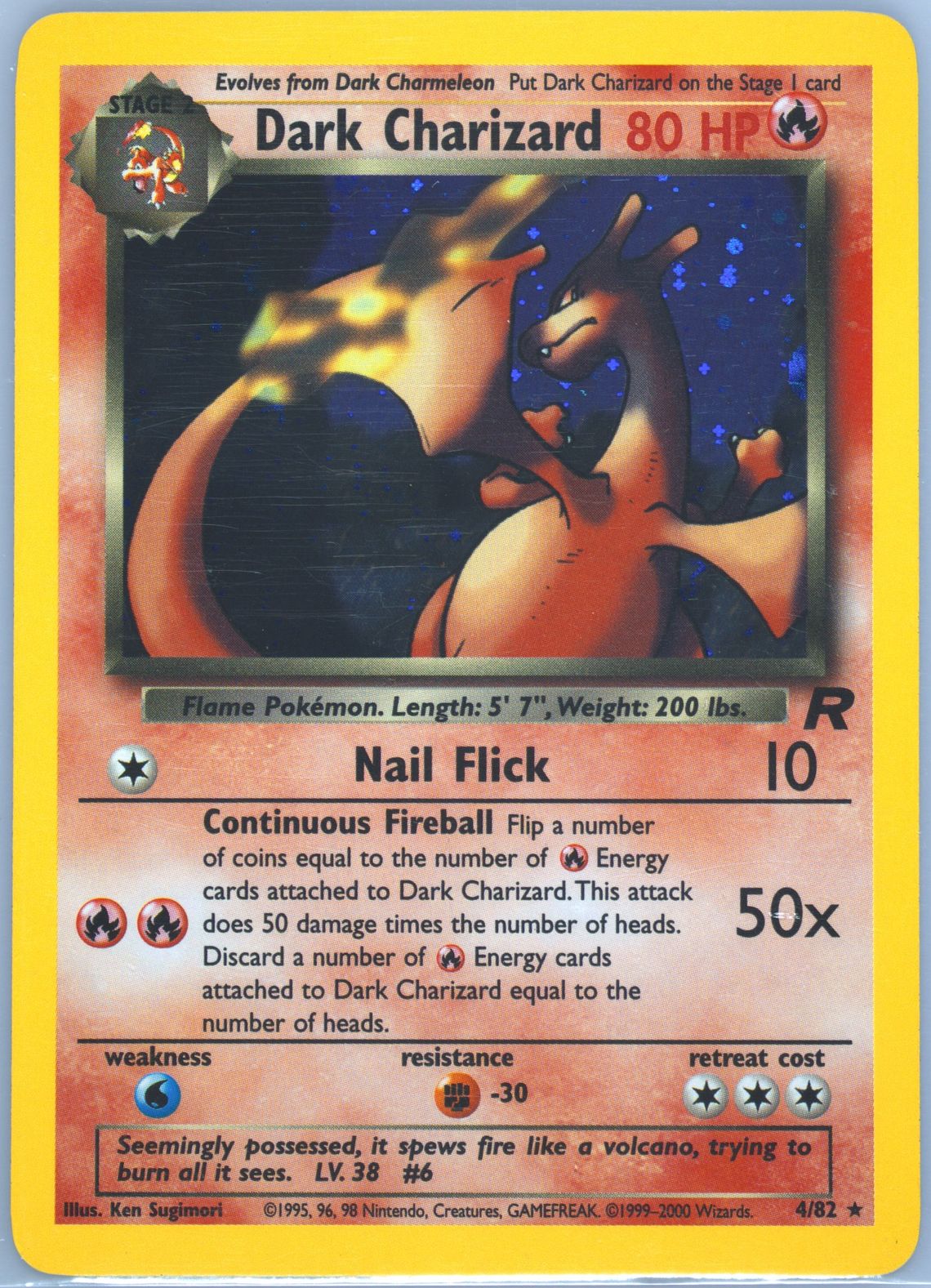
- Vintage bulk: Any bulk from Base Set through Neo-era sells well on eBay because nostalgia buyers are actively searching for it. Even beat-up common cards from 1999 have value.
- Complete collections: If you have a binder collection that tells a story — "My complete Pokémon card collection from 2015-2020" — that has emotional appeal that a bulk buyer's flat rate can't capture.

Fees: About 13% all-in. On a $50 lot, that's $6.50 gone. On bulk lots, this can be painful, but the higher sale prices often offset it compared to bulk buyer rates.
What we actually see: A lot of 1,000 random Pokémon cards with some holos mixed in typically sells for $30-$60 on eBay. That same lot sold to a bulk buyer might get you $15-$25. The difference is whether the extra $15-$35 is worth the time of creating the listing, taking photos, packing, and shipping.
Pros:
- Higher per-card return than bulk buyers for curated lots
- Huge buyer pool means lots sell fairly quickly
- Auction format can push prices up on desirable lots
- Great for vintage bulk and themed lots
Cons:
- 13% fees
- You handle all photos, listings, packing, and shipping
- Returns are possible (though rare for lots)
- Takes more time and effort than bulk buyers
Best for: Curated lots (set-specific, character-specific, vintage), complete collections, and anyone willing to put in a bit more work for a significantly better return. Also check our broader guide on selling Pokémon cards individually vs. as a lot to figure out the right approach for your specific situation.
TCGPlayer (For Sorted Singles)
Here's the thing about TCGPlayer and bulk — it's not really a bulk platform. But if you're willing to sort your bulk and pull out anything worth $1 or more, TCGPlayer is the best place to sell those individual cards.
The strategy: Sort through your bulk. Pull out every card worth $1+ on TCGPlayer (use their app to check prices as you go). List those individually on TCGPlayer. Sell the remaining true bulk to a dedicated bulk buyer.
This two-pronged approach almost always nets more money than selling everything to a single buyer, because TCGPlayer's individual card prices are based on actual collector demand. That reverse holo Trainer card that a bulk buyer pays $0.05 for might be worth $1.50 on TCGPlayer because someone needs it for their collection.
Fees: 10-13% plus $0.30 per transaction. That $0.30 flat fee is brutal on $1-$2 cards. A $1 card sale nets you about $0.57 after fees. But $0.57 is still way better than $0.03 from a bulk buyer.
The volume problem: If you have 200 cards worth $1-$3 each, listing them all on TCGPlayer is a real time investment. But TCGPlayer's listing process is fast (search, set condition, set price, done — no photos needed for raw cards), so it's more feasible than you might think. We've listed 100 cards in about an hour once we got into a rhythm.
Direct by TCGPlayer: If you're doing volume, TCGPlayer's fulfillment service is worth considering. Ship your inventory to their warehouse and they handle individual orders. This removes the shipping burden entirely, which is the biggest pain point of selling bulk singles.
Pros:
- Best return per card for anything worth $1+
- Fast listing process (no photos needed)
- Cards sell passively once listed
- Direct fulfillment option removes shipping hassle
Cons:
- Only makes sense for cards worth $1+
- Requires sorting time
- $0.30 per-transaction fee hurts on cheap cards
- Not suitable for true common/uncommon bulk
Best for: The "middle tier" of bulk — cards worth $1-$10 that are too valuable for a bulk buyer but not worth the effort of an eBay listing. Pair this with a bulk buyer for the leftover commons and you've maximized your return. For a full platform comparison, see our Misprint vs TCGPlayer vs eBay guide.
Facebook Marketplace and Facebook Groups
Facebook is underrated for selling bulk Pokémon cards, especially if you want to avoid shipping entirely. Local sales through Facebook Marketplace or local Pokémon card groups can be surprisingly lucrative.
Facebook Marketplace: List your bulk locally. "2,000 Pokémon cards — asking $60, pickup only." Parents looking for birthday gifts, casual fans getting back into the hobby, and people who just like Pokémon will message you. Local sales mean no shipping costs, no fees (Facebook doesn't charge for local pickup listings), and cash in hand.
Facebook Groups: There are dozens of active Pokémon card trading groups on Facebook. Some are specifically for bulk sales. The prices are typically better than bulk buyers because you're selling directly to other collectors or small resellers. The vibe is somewhere between eBay and Reddit — more structured than Reddit but more personal than eBay.
What we've seen work:
- Posting a photo of a big pile of cards with "2,500 Pokémon cards, mostly Sword & Shield era, includes some holos and Vs, $50 local pickup" gets bites fast
- Themed lots ("All my Charizard cards, 25 different cards, $20") do well in Facebook groups
- Vintage bulk moves quickly at a premium in nostalgia-focused groups
Pros:
- Zero fees for local sales
- Cash in hand, no waiting for payouts
- No shipping hassle for local pickup
- Facebook groups can be a goldmine for specific types of bulk
Cons:
- Limited to local buyers (Marketplace) or group members
- No buyer/seller protection for local cash sales
- Flaky buyers are common on Facebook Marketplace
- Requires meeting up with strangers (public locations, please)
Best for: Unsorted collections and large quantities where you want to avoid shipping entirely. Also excellent for parents offloading their kids' old collections. For a broader look at where to sell, including Facebook, check out where to sell Pokémon cards in 2026.
Local Card Shops (LCS)
Your local game store or card shop will almost certainly buy bulk Pokémon cards. The convenience factor is unbeatable — walk in with a box, walk out with cash (or more often, store credit).
The trade-off: Local shops typically pay less than any other method. They're running a business, they need margin, and they know you're there because you want this to be easy. Expect $3-$5 per thousand for common/uncommon bulk, and maybe $0.05-$0.10 per card for rares and holos. Some shops pay better than others, and the best ones will actually sort through your collection and pull out anything valuable to price separately.
Store credit vs. cash: Most shops offer more in store credit than cash. A typical split might be 30% more in credit — so if they'd pay $30 cash for your bulk, they'd give you $40 in store credit. If you're going to buy sealed product or singles from them anyway, the store credit route stretches your return further.
Pros:
- Easiest possible method — walk in, walk out
- No shipping, no listing, no photos
- Immediate payment (cash or credit)
- Some shops will identify valuable cards you missed
Cons:
- Lowest per-card rates of any method
- Rates vary wildly by shop — always ask before hauling in boxes
- Some shops won't buy bulk at all during certain periods
- Store credit locks you into spending at that shop
Best for: Small quantities of true bulk that aren't worth the time to sort, list, or ship anywhere else. Also good if you frequent your LCS and would spend the store credit anyway. Before you take your cards in, make sure you've checked for hidden value — our card scanner app guide can help with that.
Misprint (For the Gems Hiding in Your Bulk)
Let's be clear — Misprint is not a bulk platform. You're not going to list 3,000 commons on Misprint. But Misprint absolutely has a role in your bulk-selling strategy, and it's this: sell the individually valuable cards you pull from your bulk on Misprint before sending the rest to a bulk buyer.
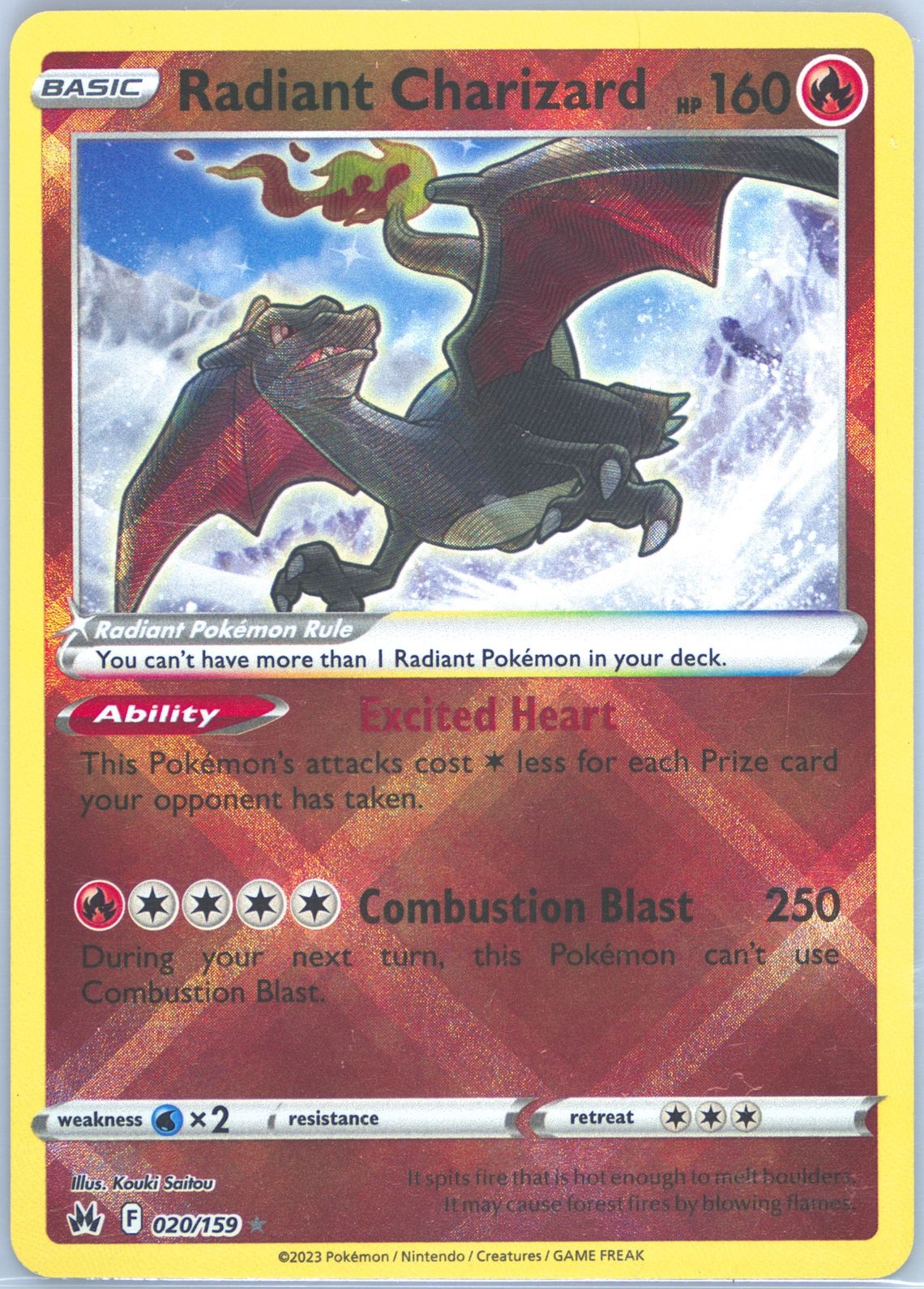
When you sort through your bulk, you're going to find cards that are worth real money. That Radiant Charizard hiding in a pile of Astral Radiance commons. The Umbreon VMAX that somehow ended up in a shoebox. The full art trainer from a set that's gone out of print. These cards deserve to be sold individually on a platform with market data, active buyers, and the bid system — not dumped into a bulk lot for pennies.
The workflow we recommend:
- Sort through your bulk with a scanner app
- Pull out anything worth $5+
- List those cards on Misprint (or eBay)
- Send the remaining true bulk to a dedicated bulk buyer
- List anything worth $1-$5 on TCGPlayer if you have the time
This hybrid approach consistently nets us 2-3x more than selling everything to a single buyer. For a detailed guide on finding your collection's value, check out how to find your Pokémon card collection value.
Platform Ranking: Price Per Card and Ease
Here's our honest ranking for 2026:
Best Price Per Card (Highest to Lowest)
- TCGPlayer (for sorted $1+ singles) — Best per-card return, but requires sorting and listing time
- eBay (for curated lots) — Great return on themed and vintage lots
- Facebook Groups (for direct sales) — Zero fees, decent prices
- Facebook Marketplace (for local pickup) — Zero fees, but lower prices than groups
- Dedicated Bulk Buyers (Safari Zone, Card Cavern, etc.) — Low per-card rate, but efficient for volume
- Local Card Shops — Lowest rates, highest convenience
Easiest to Hardest
- Local Card Shops — Walk in, walk out
- Dedicated Bulk Buyers — Sort, box, ship, get paid
- Facebook Marketplace — Photo, list, meet up
- eBay — Photo, list, pack, ship
- Facebook Groups — Post, negotiate, pack, ship
- TCGPlayer — Sort, list each card, pack, ship individually
The Realistic Expectation
Here's what we want you to take away from this: if you have 5,000 common and uncommon Pokémon cards, you're looking at $50-$150 total, depending on how you sell them. That's the reality. It's not nothing, but it's not retirement money.
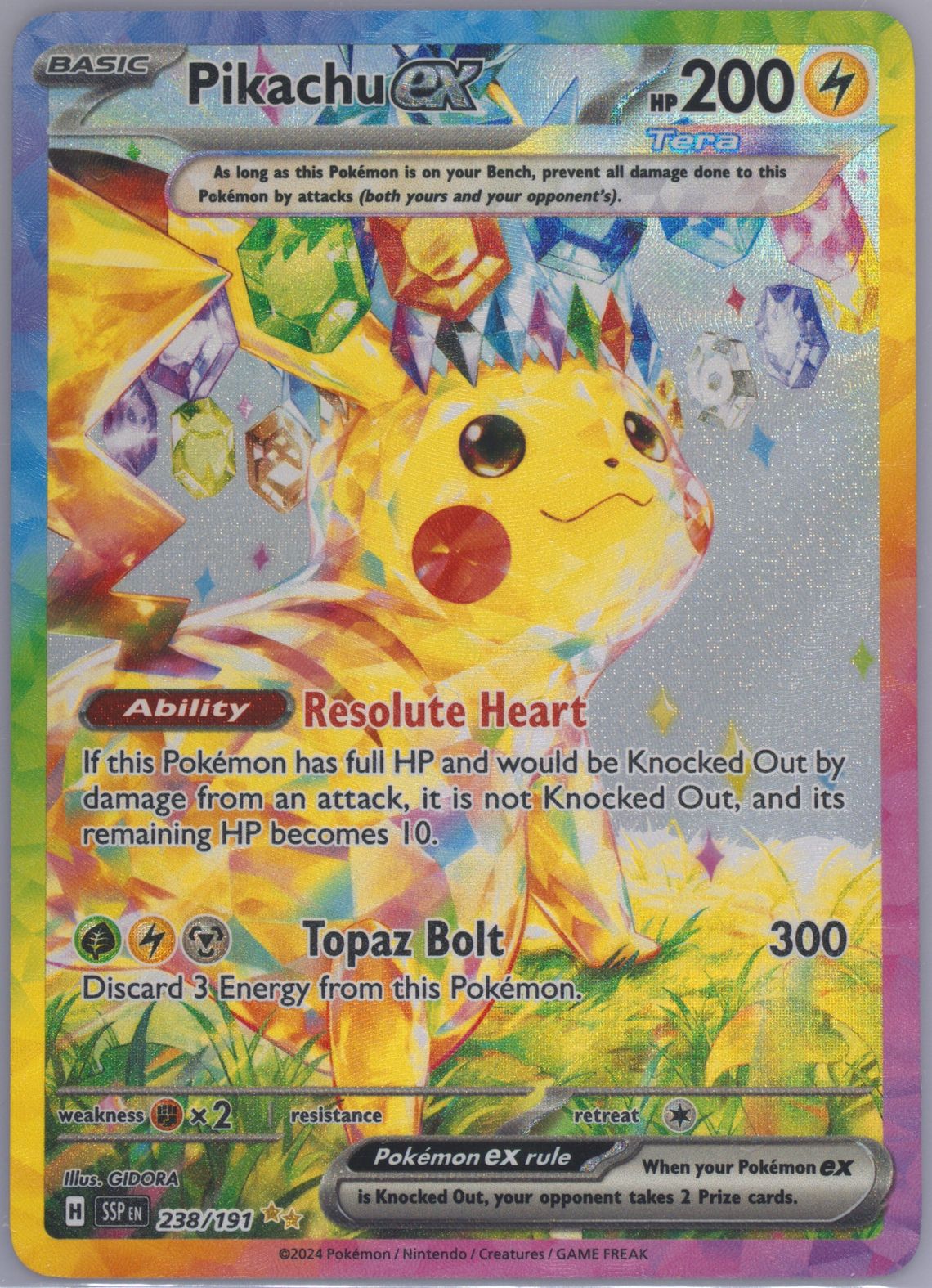
Where the real money hides in bulk is the cards that shouldn't be bulk — the ones with actual collector value that got mixed in with the commons because nobody sorted the collection. A single Charizard VMAX pulled from a bulk lot is worth more than thousands of commons. A Prismatic Evolutions Umbreon ex SIR hiding in a binder of Scarlet & Violet cards could be worth hundreds.
Sort first. Sell the gems individually. Then move the true bulk through the fastest, most efficient channel that makes sense for your quantity.
And whatever you do, don't throw bulk away. Someone wants those cards. A kid getting into the hobby, a bulk buyer building inventory, a parent looking for a birthday gift. Bulk is not worthless. You just have to sell it in the right place.
For our full strategy guide on the sorting and selling process itself, head over to how to sell bulk Pokémon cards. And if you want to go the other direction and buy bulk to hunt through, we've got a guide for that too: how to buy Pokémon cards in bulk.