Best Place to Buy Vintage Pokemon Cards Online (Safe Marketplaces Ranked)
Vintage cards attract the most fakes. Buy smart.
By Misprint Editorial | Published Feb 10, 2026 | 10 min read

The older the card, the higher the chance someone's trying to sell you a convincing piece of cardboard that rolled off a printer in Shenzhen last Tuesday.
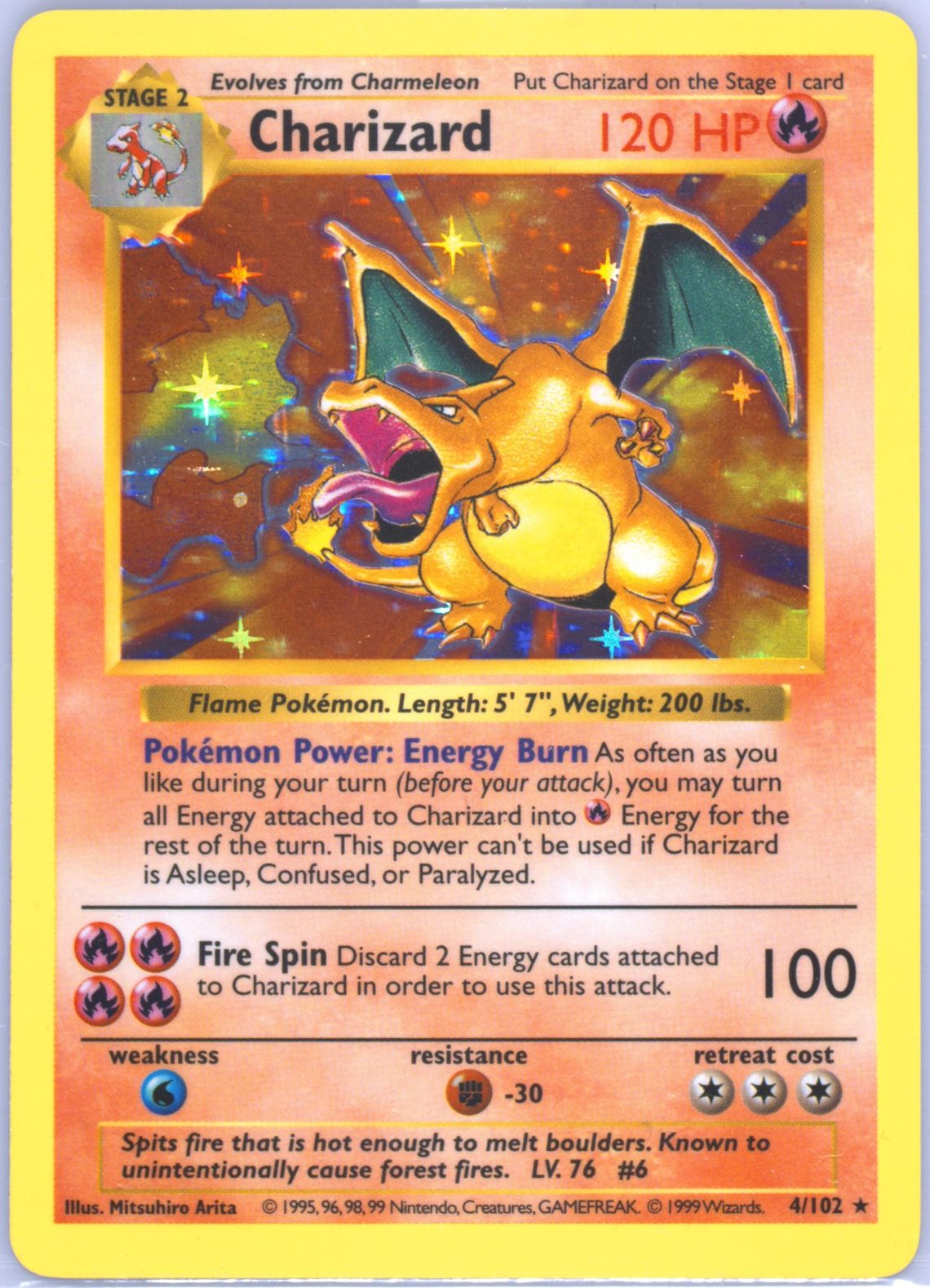
Vintage Pokemon cards — loosely defined as anything from the WOTC era (Base Set through Neo Destiny, roughly 1999-2002) plus the early ex-era sets — represent the highest-value segment of the Pokemon card market. A PSA 10 1st Edition Base Set Charizard has sold for over $300,000. Even common Base Set holos in decent condition command $30-100. Shadowless cards, 1st Edition stamps, and anything from the Neo or Gym series carry real money.
That kind of money attracts counterfeiters. And the counterfeits have gotten genuinely scary good. Five years ago, fake vintage cards were easy to spot — wrong card stock, blurry text, colors that were off. Today, the best fakes pass casual inspection. They have the right texture, the right weight, even the right holo pattern at a glance. We've seen experienced collectors get fooled.
So if you're buying vintage Pokemon cards online, where you buy isn't just about getting a good price. It's about not getting scammed. Here's every major platform, ranked by how safe they are for vintage purchases.
Understanding the Vintage Landscape
Before we get into platforms, let's define what we're talking about and why it matters.
What Counts as Vintage
The community generally considers these sets "vintage":
WOTC Era (1999-2003):
- Base Set (Unlimited, Shadowless, 1st Edition)
- Jungle, Fossil
- Team Rocket
- Gym Heroes, Gym Challenge
- Neo Genesis, Neo Discovery, Neo Revelation, Neo Destiny
- Base Set 2, Legendary Collection
- Expedition, Aquapolis, Skyridge
Early ex Era (2003-2007):
- Ruby & Sapphire through Power Keepers
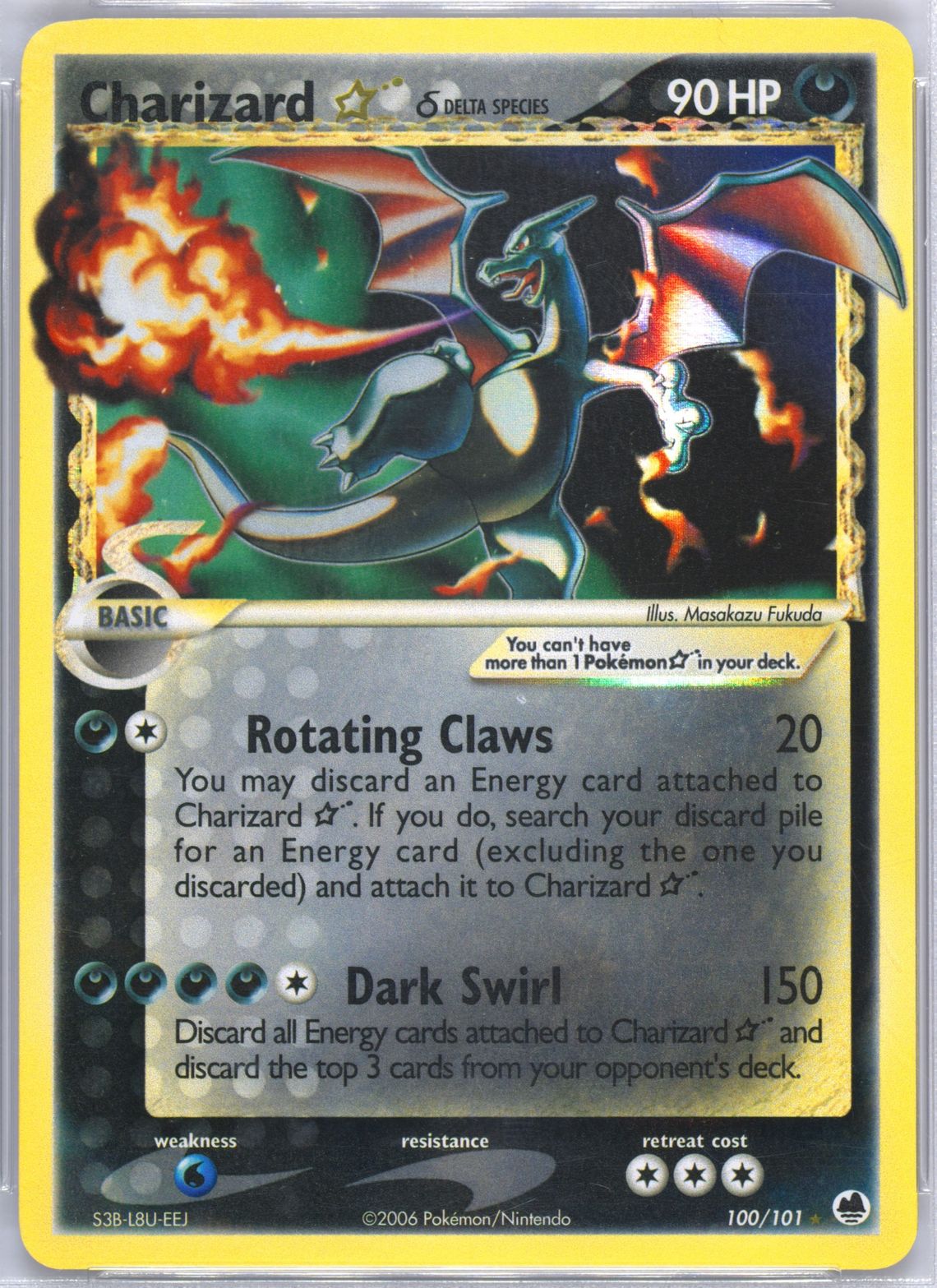
- Gold Star cards from this era are among the most valuable Pokemon cards ever printed
Everything from Diamond & Pearl onward is generally considered "modern" even though some of those sets are nearly 20 years old. The WOTC and early ex era cards are what attract the most counterfeiting because they command the highest prices.
Why Vintage Fakes Are So Common
Simple economics. A genuine Base Set Charizard in NM condition sells for $300-500 raw. A convincing fake costs maybe $5 to produce. That margin makes counterfeiting extremely lucrative. And unlike modern cards, vintage cards don't have the same anti-counterfeiting measures (texturing patterns, specific holo techniques) that make modern fakes easier to detect.


Ranking: Safest Places to Buy Vintage Pokemon Cards
1. Misprint — Best for Graded Vintage
For graded vintage cards (PSA, BGS, CGC slabs), Misprint is where we think buyers should start. And yes, we're biased, but here's the specific reasoning:
Cert verification. Every graded card listed on Misprint can be verified against the grading company's database. This means the slab number on the listing matches a real card in PSA/BGS/CGC's records. It doesn't make counterfeit slabs impossible (fake slabs do exist), but it adds a verification layer that most platforms don't provide automatically.
Price transparency. Vintage card pricing is notoriously opaque. The same card can vary by thousands of dollars depending on condition, and "market price" shifts constantly. Misprint shows you actual recent sale prices for that specific card in that specific grade. When you're looking at a PSA 8 Charizard Gold Star listed at $8,500, you can see whether recent sales support that number or whether the seller is fishing.
The bid system. Vintage sellers often price high and wait. The bid system lets you put in what you're actually willing to pay. We've seen buyers land vintage slabs at 10-20% below ask through patient bidding. On a $5,000 card, that's $500-1,000 saved.
Where Misprint falls short for vintage: Raw (ungraded) vintage selection is still limited compared to eBay. If you're looking for a specific raw vintage card — say, a NM 1st Edition Dark Charizard — eBay's volume will give you more options. We're working on growing our raw vintage inventory, but we're not there yet.
Best for: Graded vintage cards where cert verification and price data matter most.
2. PWCC / Goldin — Best for High-End Vintage
If you're buying vintage cards worth $1,000+, the major auction houses are worth serious consideration. PWCC Marketplace and Goldin Auctions specialize in high-end collectibles and have built their businesses on authentication.
PWCC:
- Consignment-based auction house with deep vintage Pokemon inventory
- Every card is examined before listing
- Weekly auctions with competitive bidding
- Vault storage option for cards you buy but don't want shipped immediately
- Buyer's premium of around 20% on top of hammer price (factor this into your budget)
Goldin:
- Higher-end focus — think cards worth $5,000+
- Extensive authentication process
- Celebrity-backed and well-publicized auctions attract more bidders (which means higher final prices, not always great for buyers)
- Buyer's premium is typically 20-22%
The trade-off: Auction houses add authentication certainty, but the buyer's premium is a real cost. A card that hammers at $10,000 costs you $12,000 after premium. For high-end purchases where authentication is paramount, that premium is worth it. For mid-range vintage ($100-500 cards), the premium eats too much of the value.
Best for: Serious vintage purchases above $1,000 where authentication certainty justifies the premium.
3. eBay — Largest Selection, Highest Risk
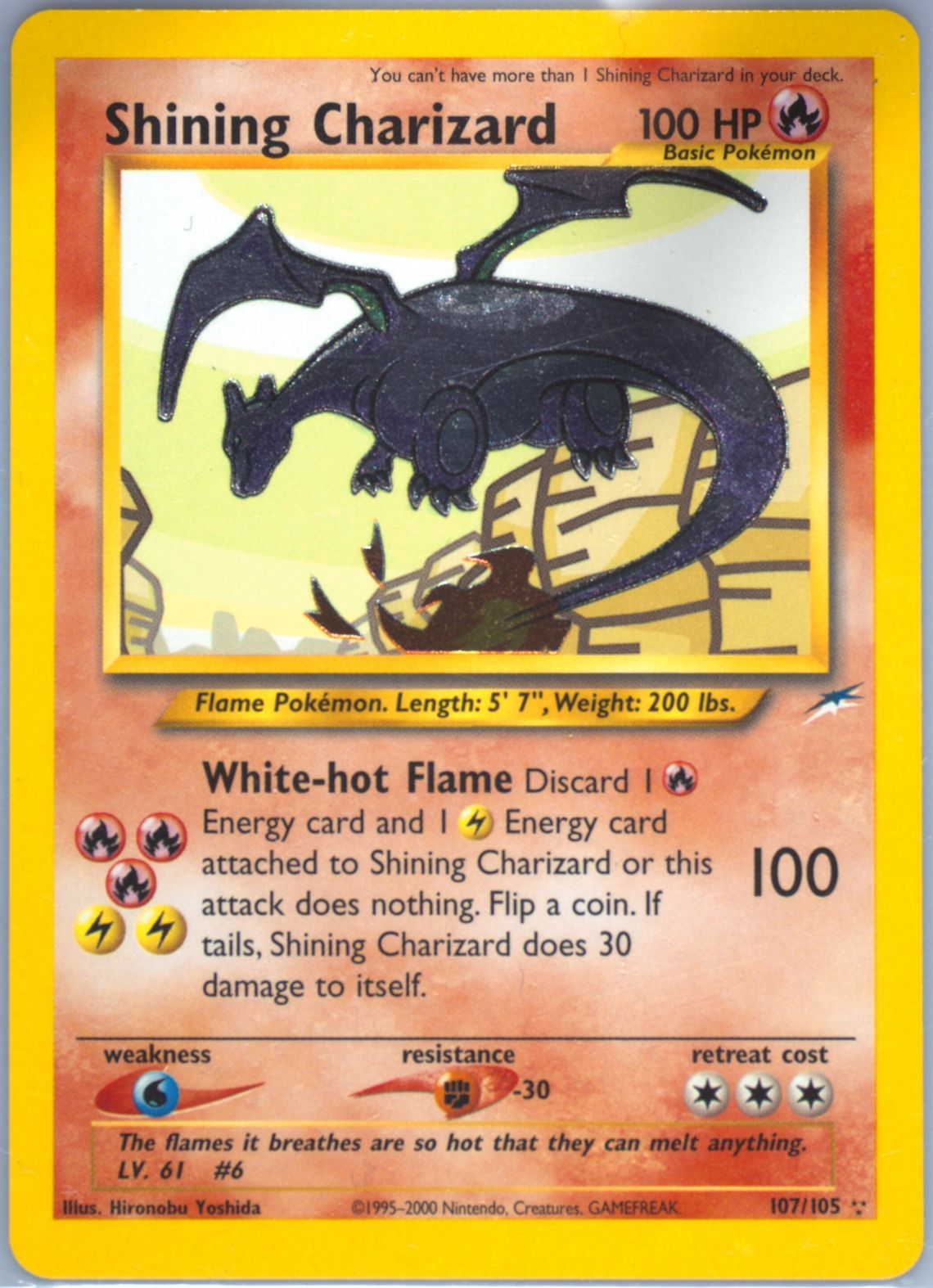
eBay has more vintage Pokemon cards listed than every other platform combined. Need a specific Aquapolis holo? A 1st Edition Fossil Dragonite? A PSA-graded Shining Charizard? eBay almost certainly has it. The problem is that eBay also has the most fakes.
eBay's authentication service: For cards sold at $250+, eBay routes the transaction through their authentication partner (currently CGC). The seller ships to the authentication center, the card is verified, and only then does it get forwarded to the buyer. This service has dramatically improved the safety of buying expensive cards on eBay.
For cards under $250: You're on your own. No authentication, no verification. This is where the majority of vintage fakes are sold — $50-200 raw vintage cards where the price is high enough to be profitable for scammers but below the authentication threshold.
Our eBay vintage buying rules:
- For graded cards over $250: Use eBay's authentication service. It's good enough.
- For graded cards under $250: Verify the cert number yourself on the grading company's website before buying. If the seller doesn't show the cert number clearly in photos, don't buy.
- For raw vintage cards: Only buy from sellers with established track records (1,000+ feedback, 99%+ positive, years of selling Pokemon cards specifically). Check their sold history — are they consistently selling vintage Pokemon cards, or did they just pop up?
- For any vintage card: Request additional photos if the listing doesn't show the back, the holo pattern at an angle, and the card edges clearly.
Best for: Finding specific vintage cards, especially obscure ones. Acceptable safety for cards over $250 with authentication.
4. TCGPlayer — Limited Vintage Graded, Good for Raw
TCGPlayer's strength has always been raw singles, and that extends to vintage. You can find raw vintage cards from verified sellers, and TCGPlayer's buyer protection covers authenticity disputes.
Strengths for vintage:
- Verified seller program provides some baseline trust
- Direct checkout (no bidding required)
- Market price data for raw vintage cards
- Buyer protection on all orders
Weaknesses for vintage:
- Graded vintage selection is very limited compared to eBay or Misprint
- Stock photos are used more often than actual card photos for raw vintage
- Condition descriptions can be inconsistent (one seller's "NM" is another's "LP")
- Less useful for high-end vintage
Best for: Raw vintage cards under $200 from verified sellers.
5. Japanese Import Sites — For JP Vintage
Japanese vintage Pokemon cards — Base Set (known as "Expansion Pack" in Japan), Gym series, VS series, and early promotional cards — are their own market. Japanese vintage tends to be cheaper than English equivalents, partly because the Japanese market is enormous and more cards survived in good condition.
Where to buy JP vintage:
- Yahoo Japan Auctions (via Buyee/Sendico): The Japanese eBay. Huge selection of vintage JP cards. Requires a proxy service like Buyee or Sendico to bid and handle shipping. Expect to pay the proxy fee (around 5-10%) plus international shipping.
- Mercari Japan (via proxy): More fixed-price listings than Yahoo Auctions. Great for finding deals on lots.
- eBay: Japanese vintage is well-represented on eBay from both US-based and Japan-based sellers.
- Misprint: We're growing our Japanese vintage inventory. Check for graded JP vintage especially.
For a deeper comparison of Japanese vs. English cards, including pricing dynamics and collectibility, check out our Japanese vs. English Pokemon cards guide.
Best for: Collectors who want vintage cards at lower prices and don't mind the Japanese text.
Red Flags: How to Spot Fake Vintage Listings
Whether you buy on eBay, TCGPlayer, or anywhere else, these are the warning signs of fake vintage cards in online listings.
Listing-Level Red Flags
- Stock photos or generic images: Legitimate vintage sellers photograph the actual card. If the listing uses a stock image or a photo that looks like it was pulled from Google, skip it.
- Multiple identical listings: If a seller has 10 copies of a "NM" 1st Edition Base Set Charizard, they don't have 10 copies of a card that's worth $10,000+. They have fakes.
- New seller accounts: An account created 3 weeks ago selling high-value vintage cards is a scam until proven otherwise.
- Prices significantly below market: A Base Set Charizard in NM condition sells for $300-500 raw. If someone's listing one at $120 "quick sale," you're not getting a deal. You're getting a fake.
- Ships from overseas with no local presence: Many fakes originate from specific regions. A "NM 1st Edition" Base Set holo shipping from a seller with no feedback history and an overseas location is a major red flag.
Card-Level Red Flags (in Photos)
- Color saturation: Fakes often have colors that are slightly too vivid or slightly too muted. Compare the listing photo to known-authentic photos of the same card. The blue border on the back of WOTC cards is a good calibration point — it should be a specific shade of medium blue.
- Font rendering: The text on genuine vintage cards has specific kerning and weight. Fakes often have text that's slightly too bold, too thin, or has wrong spacing. The copyright text at the bottom of the card is particularly telling.
- Holo pattern: WOTC-era holos have a specific "cosmos" pattern that's difficult to replicate exactly. In photos, genuine cards show a distinct light refraction pattern. Fakes often look either too uniform or too chaotic in their holo pattern.
- Card texture: Real Pokemon cards have a specific linen texture on the front surface that's visible in close-up photos. If the surface looks smooth or glossy, it's likely fake.
- Edge quality: The edges of genuine vintage cards show the card stock layers — a thin white core between two colored layers. Fakes often have a different layering structure that's visible at the cut edges.
We go much deeper on authentication in our comprehensive fake card detection guide. If you're spending real money on vintage, read that before you buy anything.
Graded vs. Raw for Vintage: Which to Buy
This is a genuine dilemma for vintage buyers, and the right answer depends on why you're buying.
Buy Graded If:
- You're investing. Graded vintage cards have standardized value. A PSA 9 is a PSA 9 — there's no subjectivity. This makes them easier to resell and easier to value. See our investment buying guide for more on this angle.
- You want authentication certainty. The slab is your proof of authenticity. Yes, fake slabs exist, but they're rarer and easier to detect (cert verification catches most of them).
- You're buying high-end. For cards worth $500+, the grading premium is a small percentage of total value and the authentication is invaluable.
Buy Raw If:
- You're a set builder. Completing a vintage set in raw NM condition is a rewarding project, and grading premiums on common and uncommon cards don't make financial sense.
- You're on a budget. A raw NM Base Set holo costs 30-50% less than the same card in a PSA 9 slab.
- You plan to grade it yourself. Some collectors enjoy hunting for raw cards that will grade well. Just understand that grading vintage is harder than grading modern — centering, print quality, and surface issues are more common.
Building a Vintage Collection Safely
If you're just starting to collect vintage Pokemon cards, here's a practical roadmap:
Start with graded commons and uncommons. PSA 9 Base Set commons and uncommons can be found for $10-30 each. This gets you familiar with buying graded vintage without risking significant money.
Learn to authenticate. Before buying any raw vintage card over $50, spend time with our fake detection guide and practice identifying real vs. fake in photos. It's a learnable skill.
Use multiple platforms. Don't lock yourself into one marketplace. Use Misprint for graded vintage price data, eBay for selection, and PWCC for high-end pieces. Each platform has different strengths.
Keep records. Document what you paid, where you bought, and the cert number (for graded cards). This matters for insurance, resale, and tracking your collection's value. Misprint's portfolio tracking can help with this.
Be patient. The best vintage deals come from patience, not impulse buying. Set alerts, watch auctions, place bids below market, and wait. The right card at the right price will come around.
Where the Most Valuable Vintage Cards Actually Trade
For reference, here's where the highest-value vintage Pokemon cards tend to change hands:
| Card Category | Primary Market | Secondary Market |
|---|---|---|
| PSA 10 Base Set holos | PWCC, Goldin | eBay, Misprint |
| 1st Edition WOTC slabs | PWCC, eBay auth | Misprint, Goldin |
| Gold Star cards | eBay auth, Misprint | PWCC |
| Raw NM vintage holos | eBay, TCGPlayer | Facebook groups |
| Japanese vintage | Yahoo Japan, eBay | Misprint |
| Vintage sealed packs | eBay auth, PWCC | Heritage Auctions |
Final Thoughts
Buying vintage Pokemon cards online is riskier than buying modern cards. The fakes are better, the prices are higher, and the stakes are real. But it's also one of the most rewarding parts of this hobby. Holding a genuine 1st Edition Base Set holo that you hunted down, verified, and purchased at a fair price — that feeling is hard to beat.
The key is buying from the right place. For graded vintage, start with Misprint or authenticated eBay listings. For high-end purchases, consider PWCC or Goldin. For raw vintage, stick to verified sellers with established track records. And always, always verify before you pay.
For the most valuable vintage cards specifically, check out our guides on Base Set cards and the most expensive Charizard cards. And for general buying advice across all card types, our 2026 buying guide covers everything.