Best Place to Sell Pokemon Cards for the Most Money (Platform Comparison)
Low fees mean nothing if the sale price is lower too.
By Misprint Editorial | Published Jan 25, 2026 | 11 min read

A platform with 13% fees that sells your card for $120 puts more money in your pocket than a platform with 0% fees that sells it for $90. This article is about the $120.
We see sellers make this mistake constantly: they pick a selling platform based on fee percentage alone. Makes sense on the surface — lower fees means more money, right? Not always. Sometimes not even close.
The amount of money you walk away with depends on three things: the sale price your card actually achieves, the fees the platform takes, and the costs you absorb (shipping, supplies, time). A platform with higher fees can put more money in your pocket if it delivers a higher sale price. This is the article where we do that complete math — not just fees, but total dollars in hand.
We're going to compare net payouts across every major platform for four different card value tiers: a $10 raw card, a $50 graded card, a $200 graded card, and a $1,000+ high-end graded card. For each, we'll factor in realistic sale prices (not just listed prices, but what cards actually sell for on each platform), fees, and shipping costs.
Why Sale Prices Differ Across Platforms
Before we get to the numbers, you need to understand why the same card sells for different prices on different platforms. It's not random.
Buyer pool size and composition matter. eBay has the largest buyer pool in the world, which means more competition among buyers, which can push prices up. But eBay's buyer pool includes casual shoppers, impulse buyers, and people who don't know card values well. That can go either way — sometimes it inflates prices (someone overpays), sometimes it deflates them (the card gets lost in a sea of listings).
Specialized vs. general platforms matter. On Misprint, every buyer is there for Pokemon cards. They know values, they can see price history and market data, and they're making informed purchasing decisions. This tends to stabilize prices near fair market value. On eBay, a card might sell above or below fair market depending on who happens to see the listing.
Platform features matter. Misprint's bid system creates liquidity — buyers place bids, and sellers can accept or counter. This means cards rarely sit unsold for months the way they can on eBay. TCGPlayer's Cart Optimizer routes buyers to listings automatically, which is incredibly efficient for raw singles. eBay's auction format creates time-pressure dynamics that can push prices up — or result in a card selling for below market if the auction ends at a bad time.
Trust and buyer protection matter. Buyers are willing to pay more on platforms where they feel protected. A buyer might pay $195 for a graded card on Misprint or eBay (where they have dispute resolution) but only offer $170 for the same card on Reddit (where they have to use PayPal G&S and hope for the best).
Tier 1: The $10 Raw Card
Let's start small. A raw card worth roughly $10 at market — something like a common holo from a recent set.
| Platform | Typical Sale Price | Fees | Shipping Cost | Net Payout |
|---|---|---|---|---|
| TCGPlayer (standard) | $10.00 | $1.33 | $0.75 (PWE) | $7.92 |
| TCGPlayer (Pro) | $10.00 | $1.20 | $0.75 (PWE) | $8.05 |
| Misprint | $10.00 | $0.80 | $2.50 | $6.70 |
| eBay | $10.00 | $1.73 | $1.00 (PWE) | $7.27 |
| Reddit/Discord | $8.50 | $0.79 (PayPal G&S) | $1.00 | $6.71 |
| Local card shop | N/A (buy price) | $0 | $0 | $4.00-$6.00 |
| Facebook local | $8.00-$9.00 | $0 | $0 | $8.00-$9.00 |
Winner: Facebook local sale ($8-$9) or TCGPlayer Pro ($8.05)
At the $10 level, Misprint's $2.50 shipping base is a killer. We'll be the first to say it — for cheap raw singles, TCGPlayer is the better platform. The catalog system means you don't need photos, the Cart Optimizer moves cards efficiently, and the fee math works better at low price points. Facebook local also wins here because zero fees on a $10 card is meaningful.
This is the tier where "low fees" genuinely matters most, because the fees and shipping represent a huge percentage of the card's value.
Tier 2: The $50 Graded Card
A graded card worth about $50 — maybe a PSA 9 of a solid modern hit. Not a chase card, but a real card with real value.
| Platform | Typical Sale Price | Fees | Shipping Cost | Net Payout |
|---|---|---|---|---|
| Misprint | $50.00 | $4.00 | $5.00 | $41.00 |
| TCGPlayer (standard) | $48.00 | $5.22 | $4.50 (tracked) | $38.28 |
| eBay | $50.00 | $7.03 | $5.00 (tracked) | $37.97 |
| Reddit/Discord | $43.00 | $2.00 (PayPal G&S) | $5.00 | $36.00 |
| Local card shop | N/A | $0 | $0 | $20-$30 |
| Facebook local | $42.00-$47.00 | $0 | $0 | $42.00-$47.00 |
Winner: Facebook local ($42-$47) or Misprint ($41)
Interesting shift here. Misprint's lower commission starts to matter as the card value goes up. TCGPlayer's graded card experience isn't great (the search and discovery for graded cards is weaker), so the typical sale price is often a few dollars lower than on Misprint or eBay for the same card. We noted a similar discrepancy in our platform comparison article.
Facebook local is competitive but remember — you need a local buyer willing to pay near-market prices, and you have no protection. The "typical sale price" for local Facebook is lower because buyers negotiate harder without platform buyer protection in place.
Note how Reddit/Discord nets you less than Misprint despite "zero platform fees." The buyer discount (selling at $43 instead of $50) plus PayPal G&S plus shipping eats the fee savings and then some.
Tier 3: The $200 Graded Card
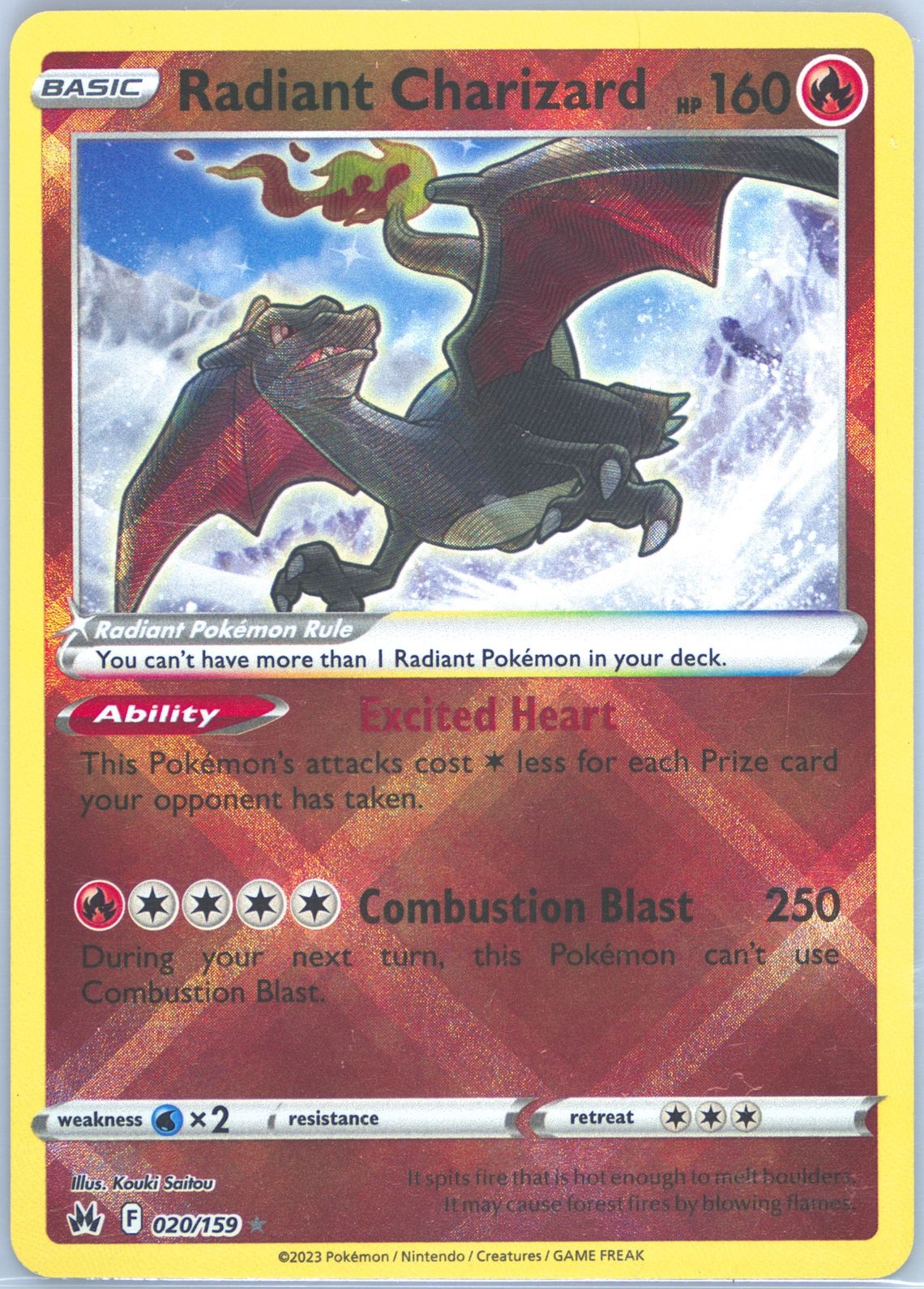
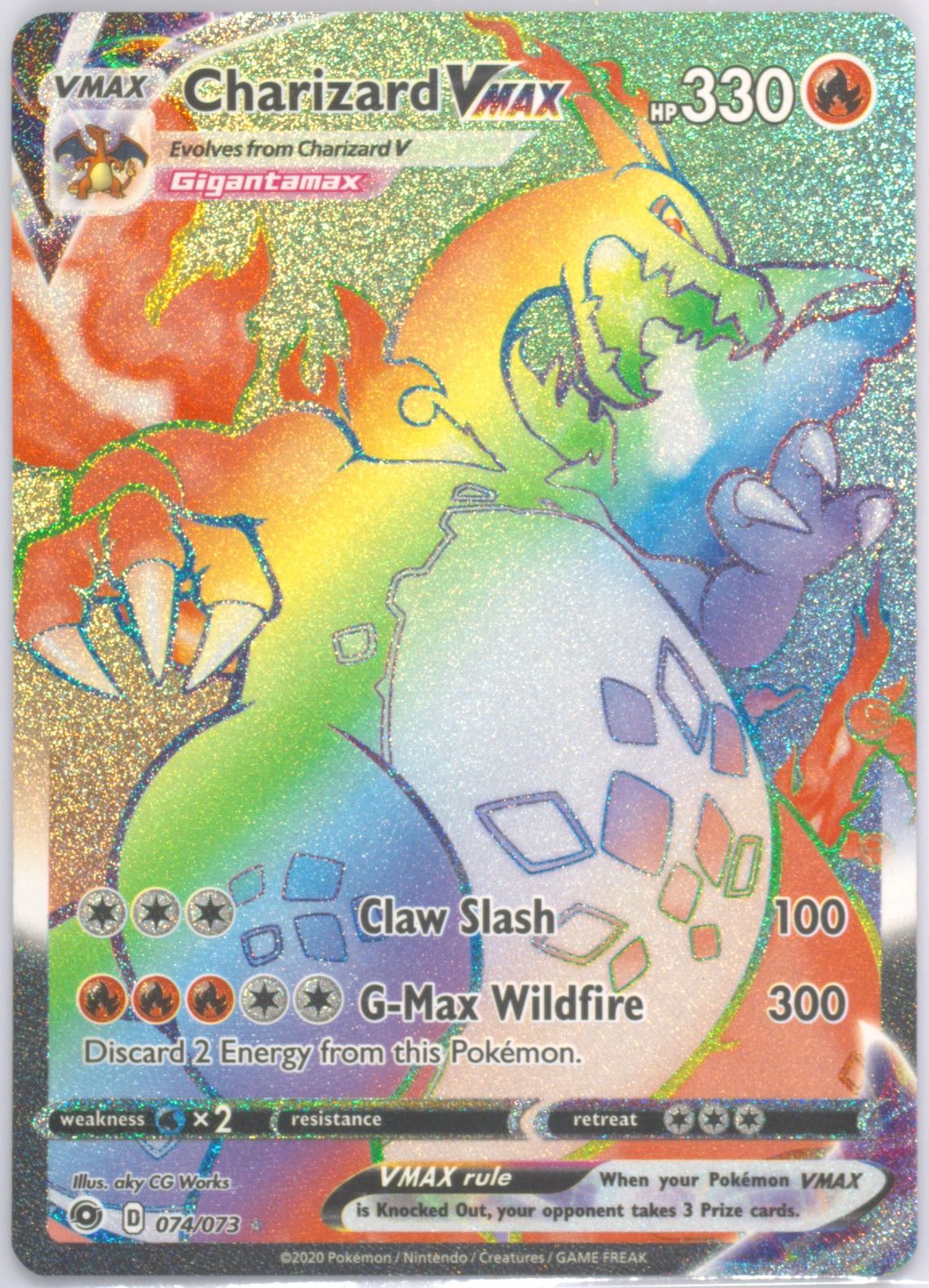
Now we're getting into serious money. A $200 graded card — maybe a Charizard VMAX from Champion's Path in PSA 10 or a Radiant Charizard in PSA 10.
| Platform | Typical Sale Price | Fees | Shipping Cost | Net Payout |
|---|---|---|---|---|
| Misprint | $200.00 | $20.30 | $5.00 | $174.70 |
| eBay | $205.00 | $27.56 | $6.00 | $171.44 |
| eBay auction | $210-$230 | $28.23-$30.88 | $6.00 | $175.77-$193.12 |
| TCGPlayer (standard) | $195.00 | $26.14 | $5.00 | $163.86 |
| Reddit/Discord | $175.00 | $6.60 (PayPal G&S) | $5.00 | $163.40 |
| Local card shop | N/A | $0 | $0 | $80-$120 |
| Facebook local | $175-$190 | $0 | $0 | $175-$190 |
Winner: Misprint (~$175) or Facebook local ($175-$190) or eBay auction (if bidding goes well)
This is where the math gets really interesting.
Misprint's consistent advantage: $200 sale, 10% all-in fee ($20.30), $5 shipping = ~$175 net. That's the most predictable, reliable net payout. You know what you're getting and it's competitive with or better than every other option.
eBay's auction upside: When two buyers really want the same card, eBay auctions can push prices to $210, $220, even $230+ on a card with a $200 market value. After eBay's ~13.25% fees and shipping, a $220 auction result nets you about $184 — better than Misprint's ~$175. But here's the catch: auctions can also end at $180 if bidding doesn't materialize, netting you just $150. It's a gamble.
Facebook local's ceiling: If you find a knowledgeable local buyer willing to pay $190 cash, that's hard to beat. But finding that buyer is the challenge, and on a $200 card, the safety and protection of a platform is worth something.
Reddit/Discord's gap: Even at zero platform fees, the $25 discount buyers expect for peer-to-peer plus PayPal G&S means you net $163 — less than Misprint despite paying zero commission. This is the core argument of this entire article.

Tier 4: The $1,000+ High-End Graded Card
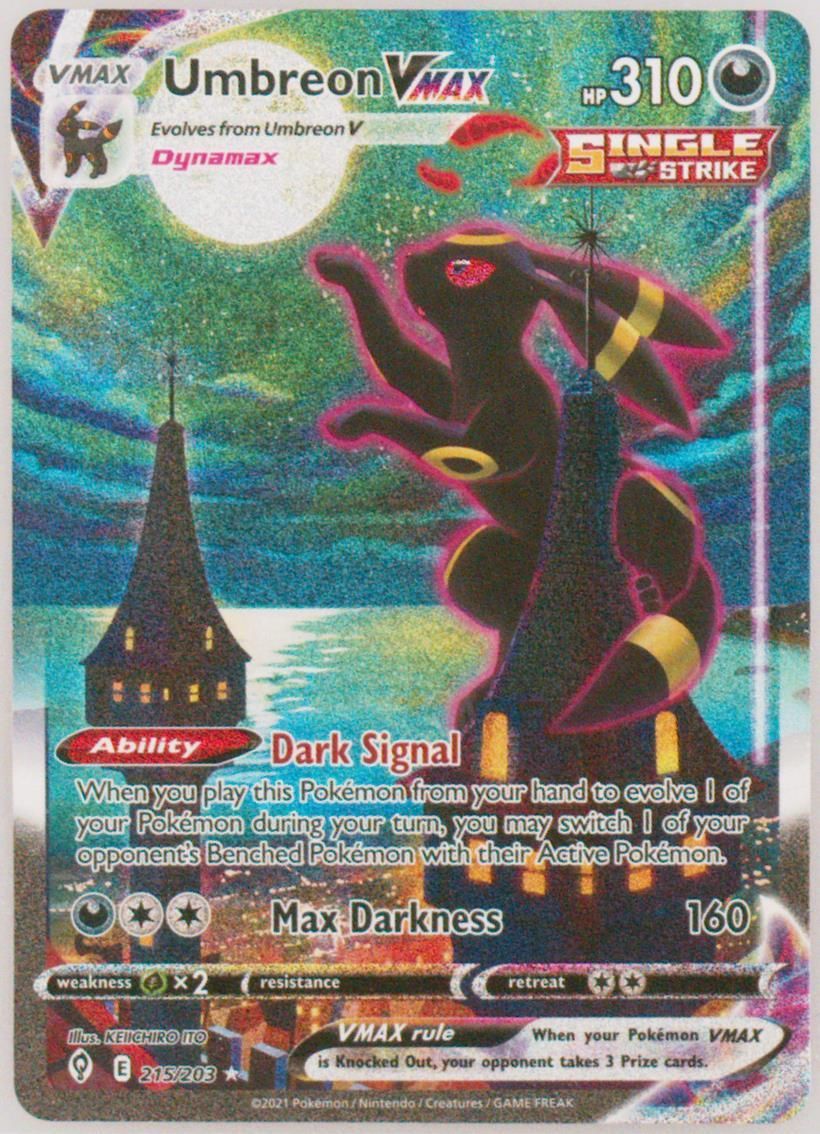
The big leagues. A Base Set Charizard Unlimited in high grade, a PSA 10 Umbreon VMAX Alt Art, or a Base Set Charizard 1st Edition. Cards where the selling platform choice can mean a $100+ difference in your pocket.
| Platform | Typical Sale Price | Fees | Shipping Cost | Net Payout |
|---|---|---|---|---|
| Misprint | $1,000 | $100.30 | $5.00 | $894.70 |
| eBay | $1,020 | $135.55 | $8.00 | $876.45 |
| eBay auction (good) | $1,100-$1,200 | $146.15-$159.40 | $8.00 | $945.85-$1,032.60 |
| eBay auction (bad) | $900-$950 | $119.65-$126.28 | $8.00 | $772.35-$815.72 |
| Reddit/Discord | $880 | $31.23 (PayPal G&S) | $8.00 | $840.77 |
| Local card shop | N/A | $0 | $0 | $400-$600 |
| Consignment | $1,050 | $210-$262.50 (20-25%) | $0 | $787.50-$840 |
Winner: eBay auction (when it goes well) or Misprint (for consistent results)
At the $1,000+ level, two dynamics dominate:
1. eBay auction upside is real for high-end cards. When a PSA 10 Base Set Charizard 1st Edition goes to auction, it can attract aggressive bidding. Two determined collectors bidding against each other can push a $1,000 card to $1,200. Even with eBay's brutal ~13.25% fees, a $1,200 auction result nets about $1,033 — comfortably ahead of Misprint's ~$895. But this isn't guaranteed. A poorly timed auction (mid-week ending, holiday period, bad luck) can end at $900 and net you about $772, which is roughly $123 LESS than Misprint.
2. Misprint's consistency becomes a major advantage. Selling at $1,000 nets you about $895 reliably after our ~10% all-in fee and $5 shipping. No auction timing risk, no hoping for a bidding war, no ~13.25% fee eating your sale. For sellers who value certainty over upside gambles, Misprint wins by a lot at this price tier.
3. "Zero fee" options crater at high values. Selling a $1,000 card on Reddit nets you about $841 because the peer-to-peer discount ($120 off market) and PayPal G&S ($31) together cost more than Misprint's ~$105 in fees and shipping. Let that sink in. You save Misprint's ~$105 in fees and shipping but lose $120 in sale price and still hand PayPal $31.
4. The local card shop is a catastrophe. A shop offering $500 on a $1,000 card means you're losing about $395 compared to Misprint. That's nearly half the card's value evaporating for the convenience of walking out with cash. Unless you absolutely need $500 right now, never sell a $1,000+ card at a local shop. Check our rare card selling guide for the right approach.
The Factors Beyond Fees
Sale Price Achievability
The "typical sale price" in our tables above assumes you price competitively and the card sells within a reasonable timeframe. But here's the thing: a card that sits unsold for two months isn't free. Card prices fluctuate, and a card you could sell for $200 today might be worth $170 in two months if the market dips. For perspective on how Pokemon card values move, check our pricing guide.
Platforms that move cards faster give you an implicit advantage even if their fees are slightly higher, because your money isn't tied up in depreciating inventory.
Shipping Costs and Risk
On eBay and TCGPlayer, you pay for shipping out of your pocket. On Misprint, shipping is built into the fee structure ($2.50 base + $2.50 per graded/sealed item). The total cost ends up similar, but Misprint's approach is more predictable — you know your shipping cost before listing.
Shipping also carries risk. A $200 card that gets damaged in transit is a $200 loss. Using proper shipping methods matters regardless of platform. Our shipping guide covers exactly how to pack cards safely.
Time to Sell
A card that sells in 3 days on Misprint versus 14 days on eBay puts money in your pocket 11 days sooner. That matters if you're reinvesting, if you have expenses to cover, or if you're selling into a declining market. Speed isn't just about impatience — it's about opportunity cost.
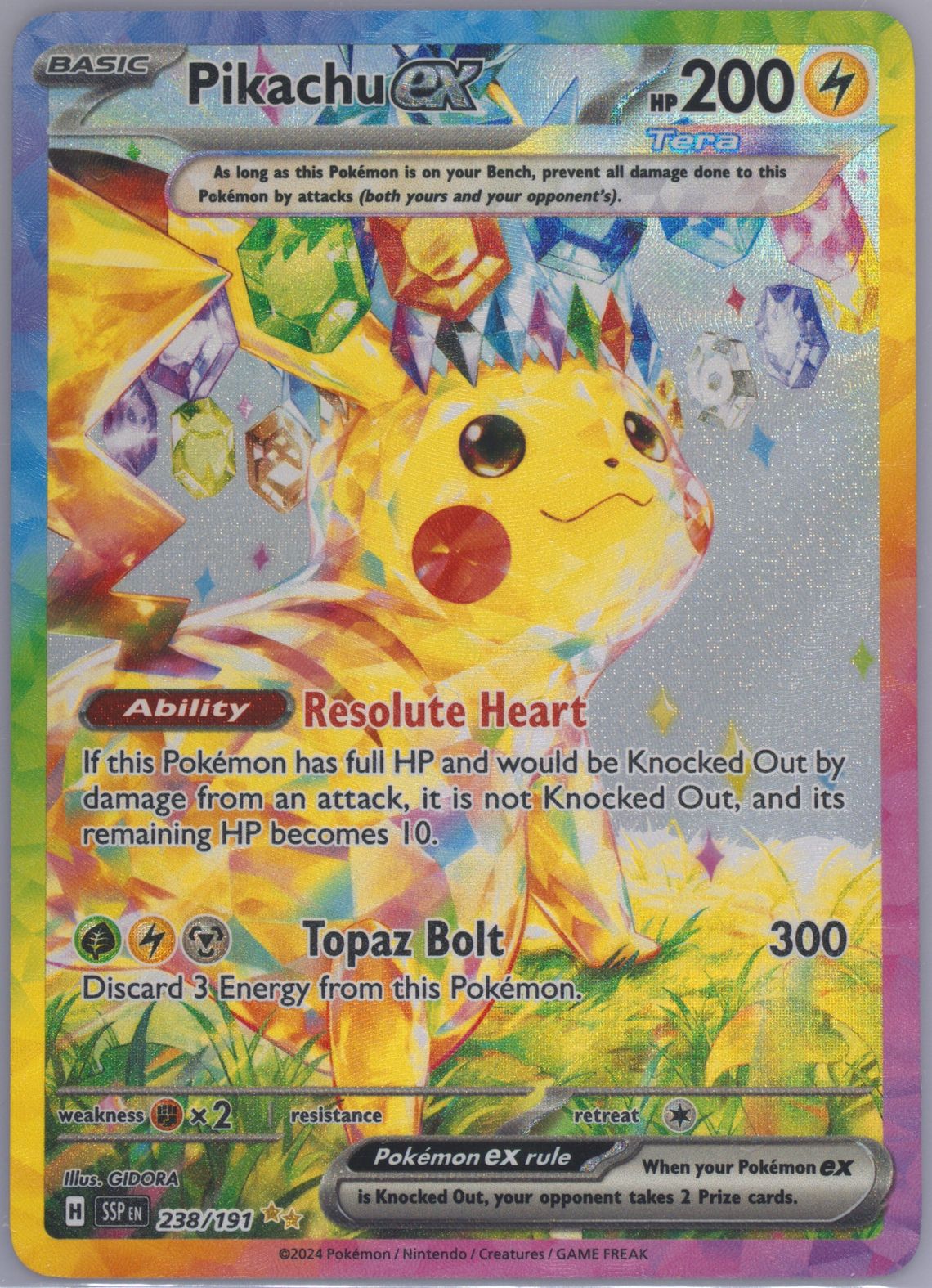
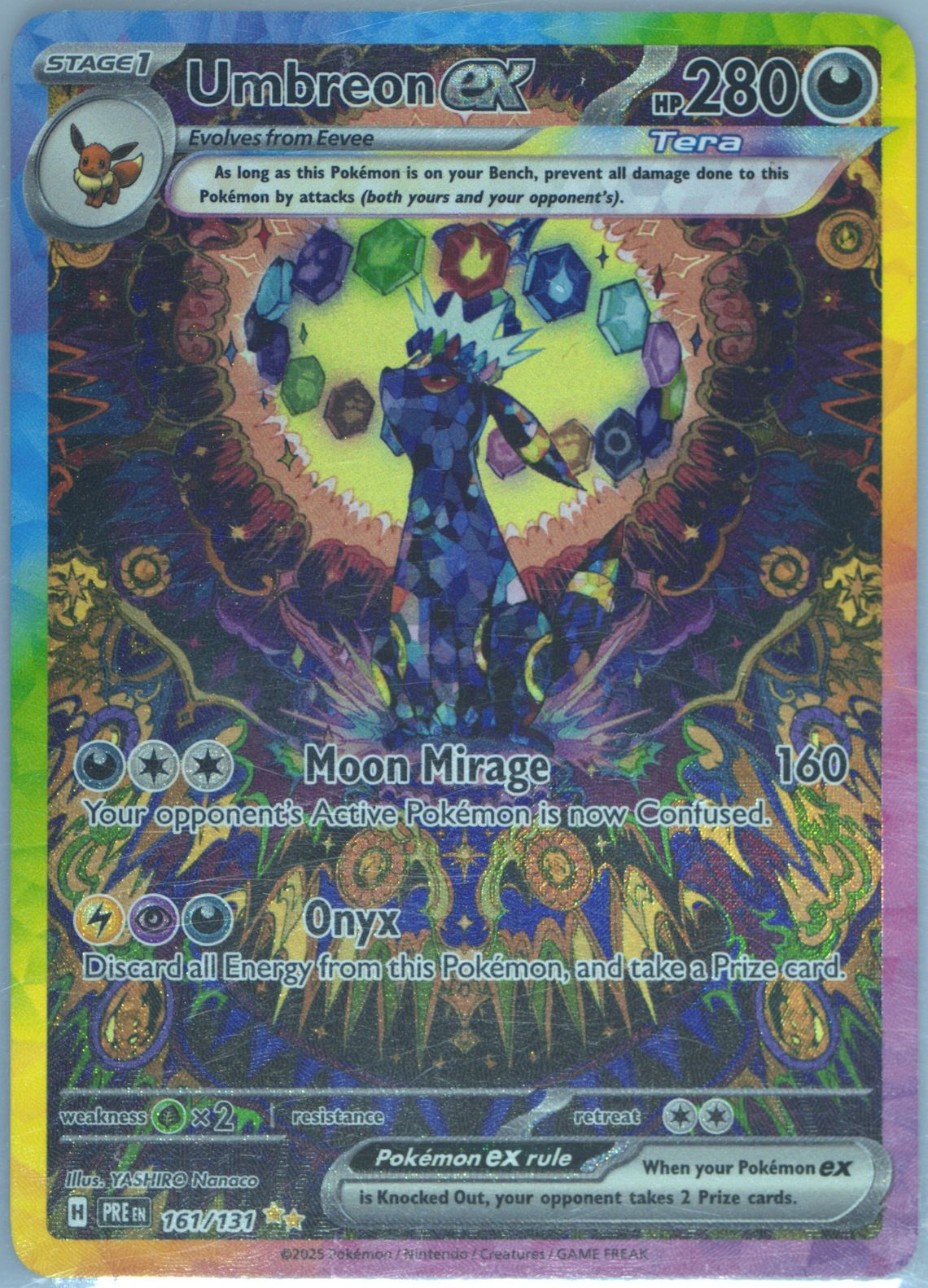
For popular graded cards like a Surging Sparks Pikachu EX SIR or a Prismatic Evolutions Umbreon ex SIR, Misprint and eBay are both fast. For niche cards, eBay's larger buyer pool can find the one person who wants your card faster than a smaller platform might.
Buyer Protection and Disputes
eBay's buyer protection is aggressively buyer-friendly. This occasionally results in sellers losing both the card and the money in a dispute, which is a real financial risk on high-value cards. TCGPlayer and Misprint have more balanced dispute resolution. We cover this in detail in our eBay vs TCGPlayer vs Facebook comparison.
If you sell 50 cards a year on eBay and one buyer scams you on a $200 card, that $200 loss has to be spread across all your sales. It effectively raises your real fee rate by a significant margin.
The Maximum Money Strategy (What We Actually Do)
After running these numbers hundreds of times, here's the strategy we've landed on for maximizing total money from Pokemon card sales:
Step 1: Know What You Have
Use a card scanner app or Misprint's price data to identify the value of every card. This takes time but saves you thousands in the long run. We cannot stress this enough — sellers who don't know their card values leave money on the table every single time. Our collection value guide walks through this process.
Step 2: Sort by Value Tier
- $0-$3 cards: Bulk. Don't sell individually on any platform. Sell to a bulk buyer at $15-$30 per 1,000 cards. See our bulk selling guide.
- $3-$20 raw cards: TCGPlayer. The catalog system is efficient, the buyer pool is strong, and the fee math works at this price point.
- $20-$500 graded cards: Misprint. Our ~10% all-in fee is the lowest of the majors in this range, the buyer pool is focused, and the bid system keeps cards liquid.
- $500+ graded cards: List on both Misprint and eBay. On Misprint, set a competitive ask and accept bids. On eBay, consider a 7-day auction if you think bidding competition will drive the price above market. Take whichever nets more after fees.
Step 3: Price with Data, Not Emotion
The biggest money-leaving-on-the-table mistake isn't choosing the wrong platform — it's mispricing. An overpriced card sits unsold while the market shifts. An underpriced card sells instantly but for less than it should.
On Misprint, use the built-in price history and sales data. On TCGPlayer, check the Market Price and recent sales. On eBay, filter completed listings by "Sold" to see real transaction prices. Price your card at or just below recent sales for the fastest sale at a fair price.
Step 4: Consider Whether to Grade
Raw vs. graded is a massive decision that affects where you sell and how much you get. A raw card worth $50 might be worth $200 graded as a PSA 10. But grading costs $20-$150 and takes weeks to months. For guidance on whether grading makes sense for your cards, read our grading comparison and our article on whether to sell individually or as a lot.
Step 5: Don't Chase Zero Fees
This is the central message of this article. Zero fees is not the goal. Maximum total payout is the goal. A card that sells for $200 on Misprint with ~$25 in fees and shipping puts ~$175 in your pocket. The same card sold on Reddit with "zero fees" for $175 minus $6.60 PayPal G&S minus $5 shipping puts $163.40 in your pocket. You saved about $19 in platform fees but lost about $11 in total payout. That's the wrong trade-off.
The Bottom Line
The best place to sell Pokemon cards for the most money is the platform that maximizes your NET payout — sale price minus ALL costs. That answer changes based on what you're selling:
- Cheap raw singles ($3-$20): TCGPlayer
- Mid-range graded cards ($20-$500): Misprint
- High-end cards ($500+) where you want certainty: Misprint
- High-end cards ($500+) where you want upside and accept risk: eBay auction
- Bulk: Bulk buyer services
- Everything under $3: Don't sell individually
Stop optimizing for lowest fees. Start optimizing for most money in your pocket. They're not the same thing, and the sellers who figure that out are the ones who come out ahead.