How to Identify Misprint Pokemon Cards (With Real Examples)
Your card looks weird. Here is how to figure out if it is a valuable error or just damaged.
By Misprint Editorial | Published Mar 7, 2026 | 27 min read

We get more DMs asking "is this a misprint?" than literally anything else. Here is the guide we wish we could send every single one of them.
If you run a marketplace called Misprint, you get a very specific kind of message in your inbox. Multiple times a day, every single day, someone sends us a photo of a Pokemon card with some variation of: "Hey, I found this card and it looks weird. Is this a misprint? Is it worth anything?"
We love these messages. Seriously. Error cards are the entire reason Misprint exists, and helping people figure out what they have is one of the most fun parts of running this platform. But after answering thousands of these questions, we've noticed some clear patterns. The same types of cards come up over and over. The same misunderstandings repeat. And the same genuinely valuable errors get overlooked because someone didn't know what to look for.
So we decided to write the definitive guide. This is everything we know about identifying misprint and error Pokemon cards, distilled into a single resource. Whether you just pulled something weird from a pack, found a strange card in your childhood collection, or bought something from a seller who claims it's an error, this guide will help you figure out what you're actually looking at.
The Number One Question: Is This a Misprint or Is My Card Just Damaged?
This is the question that matters more than any other, and it's the one most people get wrong. The distinction is simple in theory but sometimes tricky in practice:
Factory errors happen BEFORE the card leaves the manufacturing facility.
Damage happens AFTER.
That's the entire framework. A misprint, error, or miscut is something that went wrong during the printing, cutting, packaging, or quality control process at the factory. The card left the facility in its "wrong" state. Damage, on the other hand, is something that happened to a normal card after it entered the world: someone bent it, spilled water on it, played with it without sleeves, stored it poorly, or just handled it roughly over the years.
Why does this distinction matter so much? Because factory errors are collectible. They're rare. They tell a story about the manufacturing process. Collectors actively seek them out, and depending on the type and severity of the error, they can be worth significantly more than the normal version of the card. Damage, on the other hand, makes a card worth less. A bent, scratched, water-damaged card isn't an error. It's just a damaged card.
Here's the mental model we use: imagine the card's entire life as a timeline. The factory is the beginning. The moment it gets sealed into a pack is the cutoff point. Anything that went wrong before that seal is potentially a collectible error. Anything that happened after that seal is damage.
How to Apply the Framework
When you're looking at a card that seems "off," ask yourself these questions:
-
Could this have happened during printing? Ink errors, color shifts, missing layers, wrong images -- these are all things that happen on a printing press. If it looks like a printing issue, it probably is one.
-
Could this have happened during cutting? Miscuts, off-center cards, cards with portions of adjacent cards visible -- these happen at the cutting stage. The telltale sign is that the error is perfectly consistent across the entire card edge, not just one spot.
-
Could this have happened during packaging? Crimps, dents from the packaging machine, cards sealed into the wrong product -- these are packaging errors. Crimps in particular are very recognizable because they leave a specific pattern from the packaging machine's sealing mechanism.
-
Or... could someone have done this to the card after opening it? Scratches, creases, edge whitening from shuffling, water stains, sun fading, pen marks -- these are all forms of damage that happen during normal (or rough) handling.
If the answer to questions 1-3 is "yes, this could plausibly be a factory issue," you're potentially looking at a genuine error. If the answer to question 4 is more likely, you're looking at damage.
Step-by-Step: How to Identify a Misprint Pokemon Card
Let's get systematic. Here is the process we use when someone sends us a card to evaluate.
Step 1: Determine the Type of Anomaly
The first thing to do is categorize what you're seeing. Look at the card carefully (good lighting, use your phone camera to zoom in if needed) and describe what's "wrong" with it. Try to be as specific as possible. "It looks weird" isn't enough. You want to get to something like:
- "The set symbol is missing"
- "The card appears to be cut too far to the left, and I can see a sliver of the card that was next to it on the print sheet"
- "There's a holographic shimmer bleeding into areas that shouldn't be holographic"
- "Part of the ink seems to be missing on the left side of the card"
- "There's a wavy crimp mark across the top of the card"
- "The card back is from a completely different card game"
The more precisely you can describe the anomaly, the easier it is to identify whether it's a genuine error and what type it is.
Step 2: Check if the Error Is Consistent with Manufacturing
This is where you apply the framework from the previous section. Manufacturing errors have specific characteristics that distinguish them from post-production damage:
Printing errors tend to affect the entire card in a systematic way. If ink is missing, it's usually missing from a clean, defined area (not random splotches). If color is wrong, it affects the whole card or a consistent band across it. If there's a misregistration (layers not lining up), it creates a consistent offset across the entire card.
Cutting errors produce clean, straight lines. Factory cutting machines make precise cuts, even when they cut in the wrong place. If a card is miscut, the edges will be perfectly straight and clean. If edges are rough, uneven, or look like they were cut with scissors, it's not a factory miscut.
Packaging errors leave distinctive marks. Crimps from sealing machines have a very specific zigzag or wave pattern. Cards stuck together during packaging may have a specific peeling pattern. Factory dents are usually clean and consistent, unlike random dents from being dropped or sat on.
Key principle: Factory errors tend to be clean, consistent, and systematic. Damage tends to be random, messy, and localized.
Step 3: Look at WHERE on the Card the Error Occurs
Where the error appears matters enormously for determining authenticity.
High-confidence error locations:
- In the printed content itself: Missing text, wrong text, wrong image, missing set symbol, wrong energy symbols. These are almost always genuine errors because they involve the actual data that was sent to the printing press. You can't accidentally scratch a set symbol off a card cleanly.
- In the holographic layer: Holo bleed, missing holo, wrong holo pattern. The holographic layer is applied during manufacturing and can't be easily replicated or damaged in a way that mimics a factory error.
- In the card structure: Wrong card stock, wrong thickness, wrong back. These involve the physical materials used in manufacturing and can't happen post-production.
- At the edges (for miscuts): Perfectly straight miscuts that reveal portions of adjacent cards on the print sheet. The only way to get a piece of the card that was next to yours on the sheet is if the factory's cutting machine placed the cut in the wrong spot.
Lower-confidence locations (could be errors, could be damage):
- Surface scratches or marks: Can be factory QC issues, but can also be handling damage. Harder to determine without context.
- Corner issues: Could be a cutting error, could be handling damage. Look at whether the corner issue is consistent with a clean machine cut or random physical damage.
- Color variations: Could be a printing error, could be sun fading or chemical exposure. Look at whether the color change is consistent across the card or patchy and random.
Step 4: Compare to Known Error Types from the Same Set or Era
This is one of the most valuable steps and the one most people skip. Pokemon cards are printed in massive runs, and when an error occurs at the factory, it usually affects multiple cards, sometimes hundreds or thousands of them. This means that most genuine errors have been documented before.
What to search for:
- "[Set name] error cards" (e.g., "Evolving Skies error cards")
- "[Set name] misprint" (e.g., "Prismatic Evolutions misprint")
- "[Card name] error" (e.g., "Charizard ex misprint")
- "[Error type] Pokemon card" (e.g., "missing set symbol Pokemon card")
If you find other people reporting the same error from the same set, that's very strong evidence that your card is a genuine factory error. If your error seems completely unique with no documented examples from anyone else, it's still possible that it's genuine (someone has to be the first to discover any error), but you should be more cautious about your identification.
Certain eras are more error-prone than others. Early WOTC-era cards (Base Set through Neo) have a lot of documented errors because quality control was less rigorous. Modern Scarlet & Violet era cards have fewer dramatic errors but still produce miscuts, crimps, and occasional printing anomalies. The Sword & Shield era, particularly sets that were printed during the massive 2020-2022 demand spike, produced a notable number of errors because factories were running at full capacity.
Step 5: Get a Second Opinion from Knowledgeable Communities
You've done your initial analysis. Now it's time to check your work. The Pokemon error card community is active, knowledgeable, and generally very helpful. Here are the best places to get a second opinion:
- Reddit r/pokemonmisprints: This is the single best free resource for error identification. The community is full of experienced collectors who can quickly tell you whether something is a genuine error. Post clear, well-lit photos and describe what you think the error is.
- Reddit r/pokemontcg: The general Pokemon TCG subreddit. Good for initial reactions but less specialized than r/pokemonmisprints for error-specific questions.
- Facebook error card groups: There are several active Facebook groups dedicated to Pokemon error and misprint cards. These tend to have a slightly older, more experienced collector base.
- Discord communities: Several Pokemon TCG Discord servers have dedicated error card channels.
- The Misprint community: We have a community of error card collectors and enthusiasts on Misprint. When you list an error card or browse our marketplace, you're interacting with people who specifically seek out these cards.
Tips for getting good answers from communities:
- Post multiple photos: front, back, close-ups of the error, and a comparison to a normal version of the card if possible.
- Describe what you think the error is rather than just asking "is this a misprint?" Show that you've done some initial analysis.
- Mention where the card came from (pulled from a pack, bought from a seller, found in a collection). Context helps evaluators.
- Be open to the answer being "no, that's not an error." Most submissions to these communities turn out to be normal cards or damaged cards. That's not a failure; it's the process working correctly.
Common Things People THINK Are Misprints (But Aren't)
This section will save you the most time. These are the things we see submitted as potential misprints most frequently, and they're almost never actual errors.
Print Lines
What they look like: Thin, straight lines running vertically or horizontally across the card surface. They're visible under certain angles of light and can be felt slightly with a fingernail.
Why people think they're misprints: They look like something went wrong with the printing. And technically, something did: they're caused by minor imperfections in the printing rollers or pressure variations during the print run. But here's the thing...
Why they're (usually) not valuable: Print lines are extraordinarily common. Depending on the set and print run, anywhere from 10% to 50% of cards will have some degree of print lines. They're considered a normal production variance, not an error. It's like finding a tiny bubble in a sheet of glass: technically imperfect, but so common that nobody considers it a defect worth collecting.
The exception: Extremely heavy print lines that are visible at arm's length and significantly affect the card's appearance can occasionally be of minor interest to error collectors, but even then, we're talking about a very small premium, if any. Print lines have never been a significant value driver in the error market.
Slight Off-Centering
What it looks like: The card's printed content isn't perfectly centered within the card borders. One border is slightly wider than the opposite border.
Why people think it's a misprint: It is, technically, a manufacturing variance. The print sheet wasn't perfectly aligned with the cutting machine.
Why it's (usually) not valuable: Almost every Pokemon card is slightly off-center. Perfection is actually the exception. Cards are graded on their centering, and even cards that receive PSA 10 grades are allowed to be slightly off-center (up to 60/40 front and 75/25 back). Slight off-centering is the norm, not an error.
When it DOES matter: Extreme off-centering starts to get interesting. We're talking about 80/20 or worse, where the border on one side is dramatically wider than the other. At 90/10 or beyond, you're entering miscut territory, and that can carry a premium. The key word here is "extreme." If you have to squint and use a ruler to determine that your card is off-center, it's not an error worth noting.
Color Variations Between Print Runs
What it looks like: You put two copies of the same card side by side, and the colors are slightly different. One might be a bit darker, warmer, or more saturated than the other.
Why people think it's a misprint: The cards look different, and they're supposed to be the same card. Something must have gone wrong, right?
Why it's not a misprint: Pokemon cards are printed in massive quantities across multiple print runs, sometimes at different printing facilities entirely. Minor color variations between print runs are completely normal. Think of it like buying the same paint color from two different stores: the color may be technically the same, but there will be slight batch-to-batch variation. This is normal for any mass-produced printed product.
What to look for instead: If a color is dramatically wrong, like a Fire-type card that's printed in green, or a card where one color layer is completely missing, that's a genuine error. Normal batch variation is not.
Edge Whitening
What it looks like: White spots or strips along the edges of the card, where the colored surface layer has worn away to reveal the white card stock underneath.
Why people think it's a misprint: It looks like the card wasn't printed correctly along the edges.
Why it's damage, not a misprint: Edge whitening is the textbook example of handling damage. It happens when cards rub against each other, against the inside of binder pages, or against any rough surface. It's caused by friction wearing away the thin printed surface layer. You can create edge whitening on any card by rubbing it against denim for 30 seconds.
How to tell it apart from a factory issue: Damage-related whitening is random and patchy. It appears at points of contact and varies in severity. A factory issue would be clean and consistent, like an entire edge having no print coverage at all. If the whitening looks like wear, it's wear.
"Texture" Differences on Modern Holos
What it looks like: Modern high-rarity cards (Illustration Rares, Special Art Rares, etc.) have a textured surface that you can feel with your finger. Some people notice that the texture pattern on their card seems slightly different from what they see in reference images or other copies of the same card.
Why people think it's a misprint: The texture doesn't match what they expected.
Why it's normal production variance: The texture on modern Pokemon cards is applied through an embossing process that can have minor variations from card to card. The overall pattern is the same, but the exact depth, angle, and coverage can vary slightly. This is normal and does not affect the card's value or authenticity. Unless the texture is completely missing from areas where it should be present, or present in areas where it shouldn't be, it's not an error.
Ink Dots or Tiny Spots
What they look like: Tiny dots of ink (usually black, sometimes colored) that appear somewhere on the card surface where they shouldn't be.
Why people think they're misprints: There's ink where it's not supposed to be. That seems like a printing error.
The reality: Small ink dots are extremely common in offset printing. They're caused by tiny particles of dried ink, dust, or paper fibers getting onto the printing plate or rollers. Like print lines, they're so common that they're considered normal production variance. A single small ink dot is not going to excite error collectors.
The exception: Large ink blobs, ink smears that cover significant portions of the card, or systematic ink contamination (like a streak across multiple areas) can be genuine errors of interest. The key is size and severity. A tiny speck that you need a magnifying glass to see? Normal. A visible ink glob that covers part of the artwork? That's something.
Things That ARE Genuine Misprints and Errors
Now for the good stuff. These are the error types that are genuinely collectible and can carry significant premiums over the normal version of the card.
Missing Set Symbols
What it looks like: The small symbol that identifies which set a card belongs to (usually printed near the bottom right of the card art or near the card number) is completely absent.
Why it's a genuine error: Set symbols are part of the card's printed data. If the symbol is missing, it means something went wrong with the printing plate or the print file for that card. You can't accidentally remove a set symbol through handling or damage, so this is always a factory error.
Value impact: Missing set symbols are one of the more well-known and sought-after error types. They typically command a moderate to significant premium over the normal card, depending on the base card's popularity and the era. Missing set symbols on vintage WOTC cards are particularly valued.
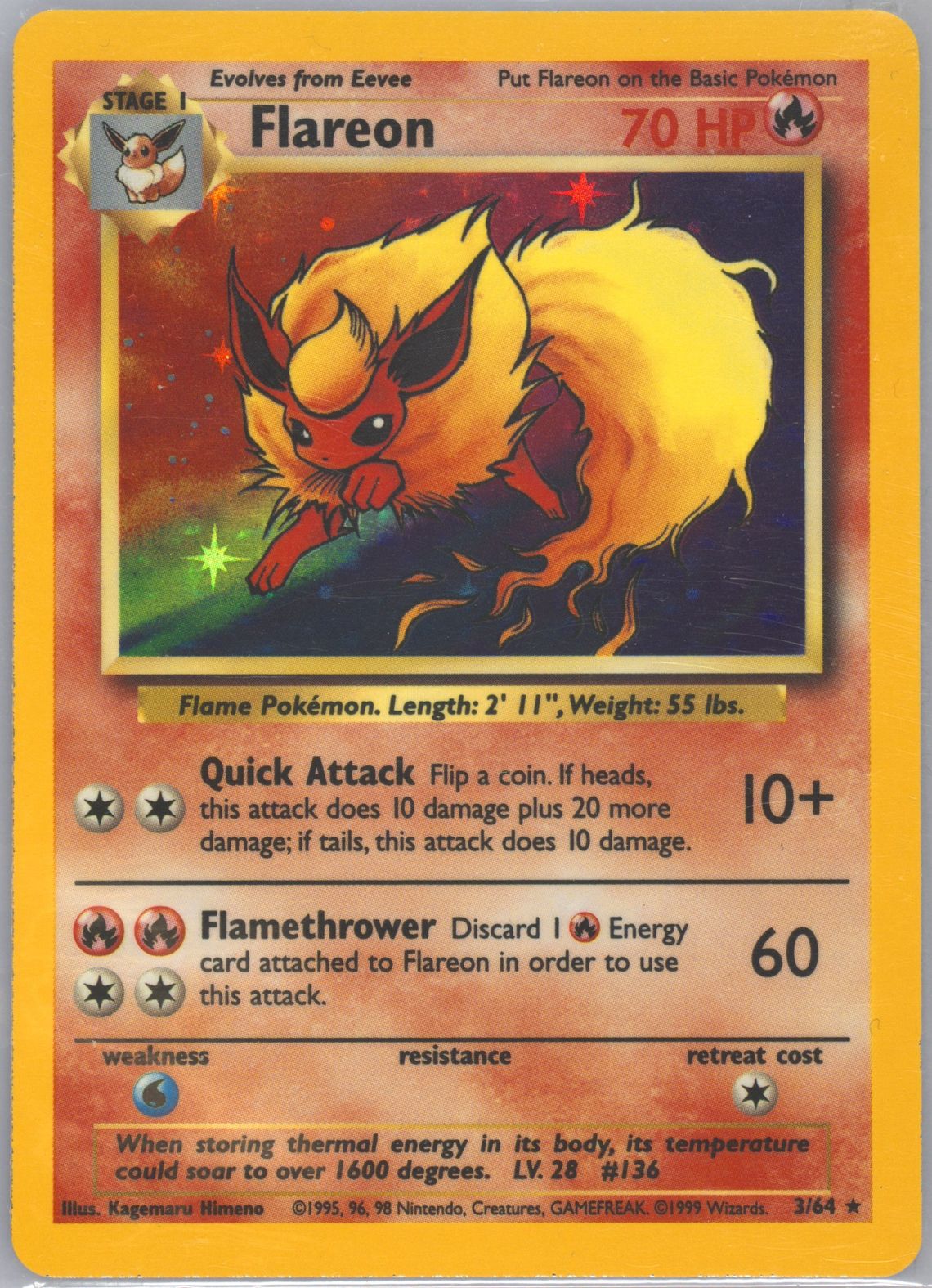
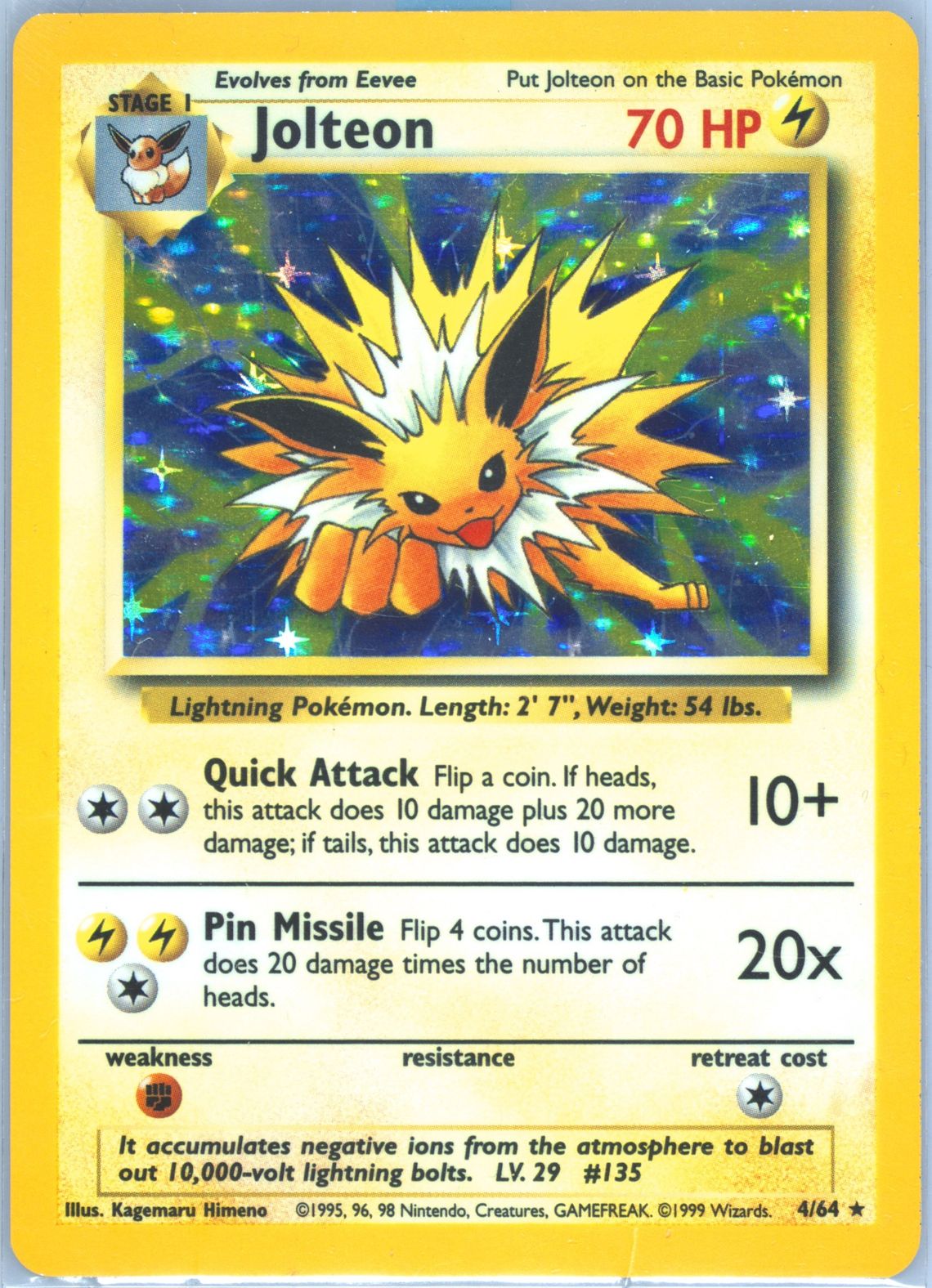
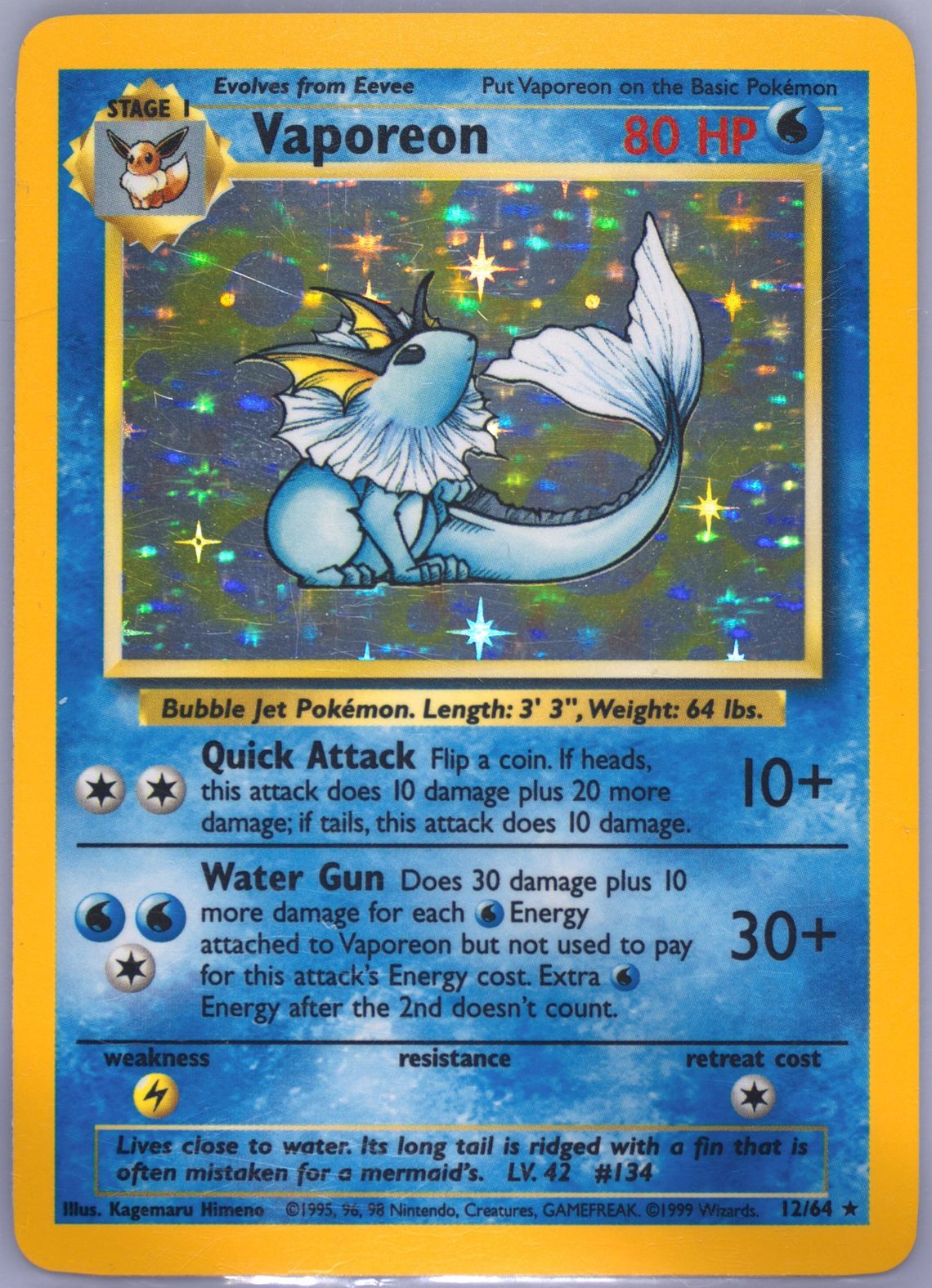
Real examples: Several Jungle set cards were printed without the Jungle set symbol (the flower), making them look like Base Set cards. These "no symbol" Jungle errors are among the most famous Pokemon card errors and are actively collected.
Wrong Card Backs
What it looks like: A Pokemon card that has the wrong back. This could mean a completely different card game's back (like Magic: The Gathering), a blank back, an inverted back, or a back with the wrong color or design.
Why it's a genuine error: Card backs are printed separately from card fronts, and the sheets are then combined during manufacturing. If sheets get mixed up or a printing error occurs on the back sheet, you get wrong-back cards. This is unambiguously a factory error.
Value impact: Wrong-back errors are among the most valuable error types, especially cross-game errors (Pokemon front with Magic: The Gathering back, for example). These are rare, dramatic, and highly sought after. Even within-game back errors (wrong orientation, wrong color) carry solid premiums.
Important note: Be cautious with loose wrong-back cards from unknown sources. Sophisticated fakers have been known to peel cards apart and re-attach different backs. Wrong-back cards that were pulled directly from sealed product or that come from known, trusted collections are the most reliable. Grading companies can usually detect re-backed cards.
Dramatic Miscuts
What it looks like: A card that has been cut so far off from its intended position that you can see part of an adjacent card from the print sheet. The card might show a sliver of another card's name, artwork, or border along one or more edges.
Why it's a genuine error: Factory cutting machines cut through large sheets of printed cards. When the alignment is off, cards get cut in the wrong position. The presence of an adjacent card's content is proof that this happened at the factory, because you'd need access to the original uncut print sheet to create this effect.
Value impact: Dramatic miscuts are one of the most visually striking error types and among the most popular with collectors. The more of the adjacent card that's visible, the more valuable the error tends to be. A card that's roughly half-and-half (showing roughly equal portions of two different cards) is extremely valuable. Miscuts that show all four corners of an adjacent card's content are exceptionally rare.
How dramatic does it need to be? As we discussed in the off-centering section, slight miscuts are common and not particularly valuable. The miscut needs to be dramatic enough that part of the adjacent card is clearly visible without measuring or squinting. If you can see another card's name or a clear portion of another card's artwork, you have something interesting.
One more note: There's a spectrum here. A card that's off-center enough to show a thin sliver of the adjacent card's border is worth a small premium. A card that shows a significant chunk of the adjacent card is worth a moderate premium. A card that's cut almost entirely on the wrong card is worth a major premium. And actual "half-and-half" miscuts, showing substantial portions of two different cards, are the holy grail.

Holo Bleed
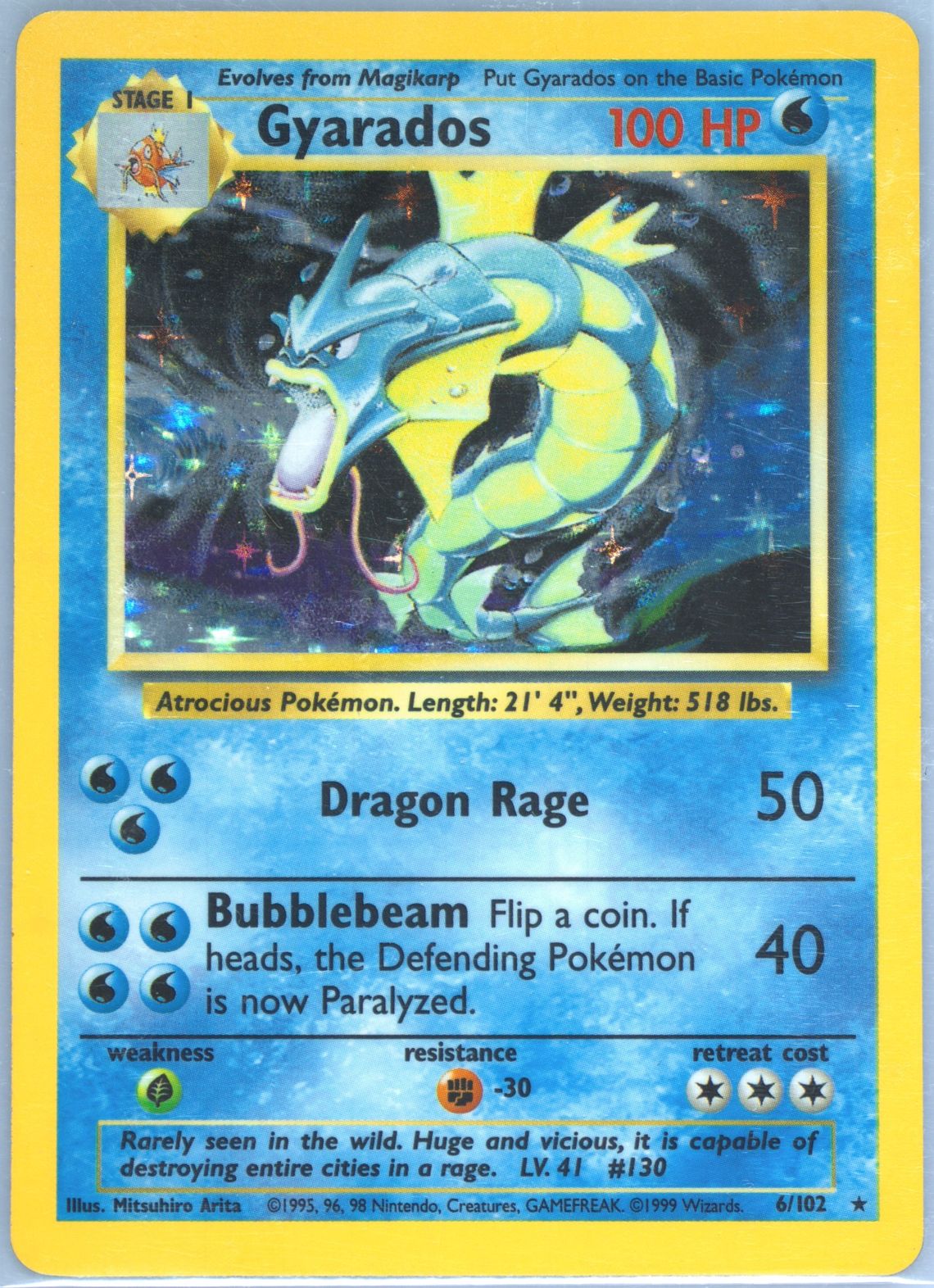
What it looks like: Holographic foil pattern "bleeding" or appearing in areas of the card that shouldn't be holographic. On standard holo rare cards, the holo is supposed to be confined to the artwork window. When holo bleed occurs, you can see holographic shimmer extending into the border, text box, or other non-holo areas of the card.
Why it's a genuine error: The holographic layer is applied during manufacturing, and holo bleed occurs when the foil extends beyond its intended boundaries or when the masking that confines the holo to the artwork window is misaligned. This can't happen post-production.
Value impact: Holo bleed varies a lot in terms of collectibility. Light holo bleed (a slight shimmer visible at the edge of the artwork window) is relatively common and carries only a minor premium, if any. Dramatic holo bleed that extends significantly into the border or text areas is much rarer and more valuable. Full-card holo bleed, where essentially the entire card is holographic, is highly sought after.
How to verify: Tilt the card under direct light and look for holographic reflections in areas outside the artwork window. Holo bleed is usually most visible at certain angles. Take photos under bright, direct light while tilting the card slowly.
Crimped Cards
What they look like: Cards with a distinctive pattern of dents, ridges, or creases, usually along one edge. The pattern is consistent and mechanical-looking, often resembling a zigzag or wave pattern.
Why they're genuine errors: Crimps happen when a card gets caught in the packaging machine's sealing mechanism. The machine that seals booster packs uses heat and pressure to create the pack's seal, and if a card is partially in the sealing area when this happens, it gets crimped. The telltale sign is the consistent, mechanical pattern of the crimp, which matches the sealing machine's teeth.
Value impact: Crimped cards carry a moderate premium among error collectors. The value depends on the base card (a crimped chase card is worth more than a crimped common), the severity of the crimp, and whether the card was clearly still in original packaging when the crimp occurred. Cards that are still attached to part of the pack wrapper are especially prized because they provide undeniable proof that the crimp is a factory error.
The key proof point: If you pull a crimped card from a sealed pack yourself, that's ideal. If you're buying one, look for remnants of pack foil embedded in or attached to the crimp area, which proves the card was crimped during the packaging process. A crimp without any packaging evidence is harder to authenticate because, in theory, someone could damage a card and claim it was crimped at the factory.
Missing Ink / Partial Printing
What it looks like: Part of the card's printed content is missing. This could be a card with no ink on one side, a card where one color layer (like black, or cyan, or yellow) is missing, or a card where the printing fades or stops partway across the card.
Why it's a genuine error: Printing presses use multiple passes of different colored inks (CMYK: cyan, magenta, yellow, and black). If one pass is missed, runs out of ink, or malfunctions, you get a card that's missing one or more color layers. This produces distinctive effects: a card missing the black layer will look washed out and lack definition. A card missing yellow will have a blue-purple tint. A card missing all ink on one side will be completely blank.
Value impact: Missing ink errors range from moderately valuable (one color layer noticeably reduced) to extremely valuable (completely blank on one side, or missing enough ink that the card is barely recognizable). The more dramatic the missing ink, the more valuable the error. Cards that are missing ink in a way that creates an interesting or visually striking appearance are especially sought after.
How to distinguish from fading: Sun-faded cards lose color gradually and unevenly, and the fading follows exposure patterns (the side facing the sun fades more). Manufacturing ink errors are clean and consistent: the missing ink follows the mechanics of the printing press, not the physics of sunlight.
Cards Printed on Wrong Stock
What it looks like: A Pokemon card that's printed on noticeably different card stock than normal. This might be thicker, thinner, a different color (gray core instead of black, for instance), a different texture, or even card stock intended for a different card game.
Why it's a genuine error: The printing facility handles massive quantities of card stock, sometimes for multiple card games. If the wrong stock gets loaded into the machine, or if stock from a previous run hasn't been fully cleared, cards can end up printed on the wrong material.
Value impact: Wrong-stock errors are relatively rare and carry moderate to high premiums depending on how obviously different the stock is. A Pokemon card printed on Magic: The Gathering card stock (which has a different thickness and color core) is a notable error. A card with a gray core instead of the standard black core is interesting. Cards printed on obviously wrong material (too thick, too thin, wrong color) are all collectible.
Other Notable Error Types
Beyond the major categories above, here are some additional genuine error types to know about:
- Inverted backs: The card back is printed upside down relative to the front. Hold the card normally and flip it over. If the back is upside down, you have an inverted back error.
- Double printing: The card appears to have been printed twice, creating a shadow or ghost image effect. Text may appear doubled or the artwork may show overlapping images.
- Wrong name or text: The card has the wrong Pokemon name, wrong attack name, wrong HP, or other incorrect text. These are data errors in the print file and are always genuine. (Note: some "errors" in text are actually intentional alternate versions or corrections between print runs.)
- Albino or ghost cards: Cards that are printed extremely faintly, as if the ink was barely applied. The card content is visible but extremely washed out.
- Square-cut cards: Cards with perfectly square corners instead of the standard rounded corners. This happens when the corner-rounding step of the cutting process is skipped or malfunctions.
- Extra or missing layers: Cards with an extra layer of coating, a missing coating layer, or other structural anomalies in the card's construction.
How to Document a Misprint for Selling or Grading
You've identified a genuine error. Now what? Whether you want to sell it or get it graded, proper documentation is essential. Error cards live and die by their presentation, because buyers and graders need to be able to clearly see and understand what the error is.
Photography Tips
Good photos are the single most important factor in successfully selling or grading an error card. Here's how to take them:
Lighting: Use bright, even, indirect lighting. Avoid direct flash, which creates hotspots and can obscure details. Natural daylight near a window (but not in direct sunlight) is ideal. If you're photographing holographic errors like holo bleed, you'll need to take multiple photos at different angles under direct light to capture the effect.
Background: Use a clean, solid-colored background that contrasts with the card. A plain white or black surface works well. Avoid busy backgrounds, patterned surfaces, or anything that distracts from the card.
Photos to take:
- Full front of the card: Clear, well-lit, in focus. This establishes what card it is.
- Full back of the card: Important for wrong-back errors, inverted backs, and for showing overall card condition.
- Close-up of the error: This is the most important photo. Get as close as you can while keeping the error in sharp focus. Use your phone's macro mode or zoom in digitally if needed. The viewer should be able to clearly see exactly what the error is.
- Comparison shot (if possible): Place the error card next to a normal version of the same card. This makes the error immediately obvious and saves the viewer from having to look up what the card is supposed to look like.
- Scale reference: For miscuts, crimps, and other errors that involve physical dimensions, include a ruler or coin for scale.
- Multiple angles: For holo bleed, ink errors, and anything that looks different at different angles, take photos from several angles.
Technical tips:
- Clean the card gently with a microfiber cloth before photographing (fingerprints and dust are distracting).
- Use your phone camera's highest resolution setting.
- Tap to focus directly on the error area.
- Take multiple shots and pick the best ones. It's worth spending five minutes to get great photos rather than rushing and ending up with blurry images that undersell your card.
What Details to Include in Listings
When listing an error card for sale, whether on Misprint, eBay, or elsewhere, include the following:
- Card identity: Full card name, set name, set number, and rarity. Example: "Pikachu VMAX (Vivid Voltage 044/185) - Secret Rare"
- Error type: Clearly state what the error is using standard terminology. "Dramatic miscut showing adjacent card," "Missing set symbol," "Holo bleed into border area," etc.
- Error severity: How dramatic is the error? "Slight," "moderate," or "dramatic" helps set expectations.
- Card condition: The condition of the card apart from the error. Is it otherwise mint? Does it have any handling damage? Be honest here, because a mint-condition error is worth more than a played-condition error.
- Provenance (if notable): Did you pull it from a sealed pack yourself? Is it from a known collection? Any documentation of its history adds value.
- What the card SHOULD look like: A brief note about what the normal version looks like helps buyers who aren't familiar with the specific card understand the error.
Which Grading Companies Offer Error Labels
Getting an error card professionally graded adds legitimacy and can significantly increase its value. Here's what the major grading companies offer:
PSA (Professional Sports Authenticator): PSA will grade error cards and note the error on the label. They don't have a dedicated "error" grade or designation, but the label description will mention the error type. PSA-graded error cards carry strong market value because of PSA's broad recognition among collectors.
CGC (Certified Guaranty Company): CGC offers specific error designations on their labels. They're generally considered more error-friendly than PSA and will explicitly call out the error type on the label. CGC has become popular in the error card community partly for this reason.
BGS (Beckett Grading Services): BGS will grade error cards but their approach to labeling errors is less consistent than CGC. They may note the error on the label depending on the type and severity.
Our recommendation: For error cards specifically, CGC tends to offer the best labeling and recognition of the error, which matters when you're selling to error collectors. PSA carries more general market recognition, which can matter for crossover appeal (people who collect graded cards in general, not just errors). The "best" choice depends on your audience and goals.
Important caveat about grading errors: Grading companies grade the card's condition, not the value of the error. A dramatically miscut card in poor physical condition will still receive a low grade. The error adds collectibility and value separately from the grade itself. Some error collectors prefer raw (ungraded) cards because they want to examine the error in person, while others prefer the authentication and protection that a graded slab provides.
When to Grade vs. Sell Raw
This is a judgment call that depends on several factors. Here's our framework:
Grade it if:
- The base card is valuable. An error on a chase card (Charizard, Pikachu, Umbreon, popular modern alt arts) benefits more from grading because the card has standalone value that grading enhances.
- The error type benefits from authentication. Wrong backs, wrong stock, and other errors that are hard to verify from photos alone benefit from a grading company confirming the error is genuine.
- The card is in excellent physical condition. If the card would grade well (PSA 8+), grading preserves that condition and adds a premium.
- You're selling to the general collector market. Graded cards are easier to sell on mainstream platforms because the buyer doesn't need to authenticate the error themselves.
Sell raw if:
- The base card is common or low-value. Grading costs money (typically $20-75+ per card depending on the company and service level). If your error is on a common card, the grading cost might eat into or exceed the premium the error adds.
- The error is best appreciated in hand. Some errors, like texture anomalies or subtle ink differences, are hard to appreciate through a slab's plastic. Error collectors who want to examine the card in person may prefer raw cards.
- You're selling to dedicated error collectors. Experienced error collectors can evaluate cards from photos and may prefer to save the grading cost or choose their own grading company. Marketplaces like Misprint cater to this audience, so raw error cards do well there.
- The card's physical condition is poor. A heavily played error card won't grade well, and a low grade on the slab can actually hurt perceived value. In this case, selling raw and letting the buyer evaluate the error separately from the condition is often better.
- Speed matters. Grading takes time (weeks to months depending on the service level). If you want to sell quickly, raw is faster.
The math:
A rough rule of thumb: if the error card is likely to sell for more than $100 raw, consider grading. If it's likely to sell for under $50 raw, grading probably isn't worth it. Between $50 and $100, it depends on the specific card and error type.
Where to Get a Second Opinion
We covered this briefly in the identification steps, but let's expand on the best resources for verifying error cards:
Online Communities
Reddit r/pokemonmisprints remains the gold standard for free error identification. The moderators and regular contributors have collectively seen thousands of errors and can usually identify what you have (or confirm that it's not an error) within hours. Read the subreddit's posting guidelines before submitting, as they have specific photo requirements.
Facebook groups like "Pokemon Misprints & Oddities" and similar groups have active memberships of serious error collectors. These groups tend to have less traffic than Reddit but more focused expertise.
Discord servers for Pokemon TCG collecting often have error-specific channels. The advantage of Discord is real-time conversation, so you can ask follow-up questions more easily.
Professional Resources
Grading companies can identify errors as part of the grading process, but this is an expensive way to get an identification (you're paying for the full grading service).
Established error card dealers are often willing to give quick opinions, especially if you're a potential seller. Many of them are active in the online communities mentioned above.
Misprint -- that's us. We deal with error cards every day, and our community includes collectors and sellers who specialize in this niche. Browsing our marketplace is also a great way to see what kinds of errors are out there and what they sell for, which can help you contextualize what you have.
Reference Guides and Databases
Bulbapedia maintains lists of known error cards for many sets, particularly vintage sets. Search for the set name plus "error cards" on Bulbapedia for documented errors.
PokemonMisprints.com and similar fan sites maintain galleries and databases of known error types. These are excellent reference resources for comparing your card to documented examples.
eBay sold listings are useful for understanding the market value of error types. Search for the error type (e.g., "Pokemon missing set symbol") and filter by "sold" to see what similar errors have actually sold for.
A Quick Reference: Error Identification Cheat Sheet
Here's a condensed table you can reference when evaluating a potential error card:
| What You See | Likely an Error? | Notes |
|---|---|---|
| Thin print lines | No | Extremely common, normal production variance |
| Slight off-centering | No | Normal; only notable at 80/20+ |
| Color variation vs. another copy | No | Normal batch-to-batch variation |
| Edge whitening | No | Handling damage (friction wear) |
| Texture variation on modern holos | No | Normal production variance |
| Small ink dots | No | Common in offset printing |
| Missing set symbol | Yes | Always a genuine error |
| Wrong card back | Yes | Factory sheet mix-up; verify authenticity |
| Dramatic miscut (adjacent card visible) | Yes | Must show content from adjacent card |
| Holo bleed into non-holo areas | Yes | Verify under direct light at angles |
| Crimp marks (zigzag pattern) | Yes | Packaging machine error; look for foil remnants |
| Missing ink / partial printing | Yes | Must be consistent, not sun fading |
| Wrong card stock | Yes | Different thickness, color, or texture |
| Inverted back | Yes | Back printed upside down vs. front |
| Wrong name or text | Yes | Data error in print file |
| Completely blank side | Yes | Dramatic printing error; very valuable |
Final Thoughts
The world of Pokemon error cards sits at a fascinating intersection of manufacturing, collecting, and detective work. Every error card is a little puzzle: what happened at the factory? How did this specific anomaly occur? And is it something that other collectors will find interesting and valuable?
The most important thing we can leave you with is this: don't be discouraged if your card turns out not to be an error. For every genuine misprint we see, we probably see fifty cards that are just normal production variance or handling damage. That's completely fine. The process of learning to identify errors makes you a better and more knowledgeable collector regardless of the outcome.
And when you do find a genuine error -- and if you open enough packs, you will eventually -- you'll know exactly what you're looking at. You'll know how to document it, where to get it verified, and how to sell it or add it to your collection with confidence.
If you're sitting on an error card right now and want to get it in front of the right buyers, Misprint is built specifically for this. We're collectors ourselves, we understand what makes error cards special, and our marketplace connects you with people who are actively looking for exactly what you might have. List it, price it, and let the error card community find you.
Happy hunting. And keep sending us those DMs. We'll always look.