How to Price Your Pokemon Cards to Sell Fast
The right price sells in days. The wrong one sits for months.
By Misprint Editorial | Published May 21, 2026 | 6 min read

Every card has two prices: the one you wish it would sell for, and the one it will actually sell for. Closing that gap is the whole game.
If your cards are not selling, the reason is almost always the price. Not the photos, not the platform, not the time of year. The price. A card listed at the right number moves quickly; the same card listed ten percent too high can sit untouched for months while cheaper copies sell around it.
The good news is that pricing for a fast sale is a learnable skill, not a guessing game. There is real data behind every card, and once you know how to read it, you can set a number that moves inventory reliably. This guide walks through exactly how to do that.
Rule One: Price From Sold Comps, Never From Active Listings
This is the single most important rule, and the most commonly broken one.
When you look up a card and see it "listed at $40," that tells you almost nothing. Active listings are asking prices. They are what sellers hope to get, and many of them will never sell at that number. The graveyard of unsold listings is full of optimistic pricing.
What you want is the sold comp, the price the card actually changed hands for. On eBay, use the "Sold" filter to see real transaction prices, ideally from the last 90 days. On a marketplace built for cards, the recent sales data is usually right there next to the listing. That number is the truth. Everything else is wishful thinking.
If you are new to checking real prices, our guide on the best place to check Pokemon card prices covers the tools worth using and how their numbers differ.
Rule Two: Match the Card, Not Just the Name
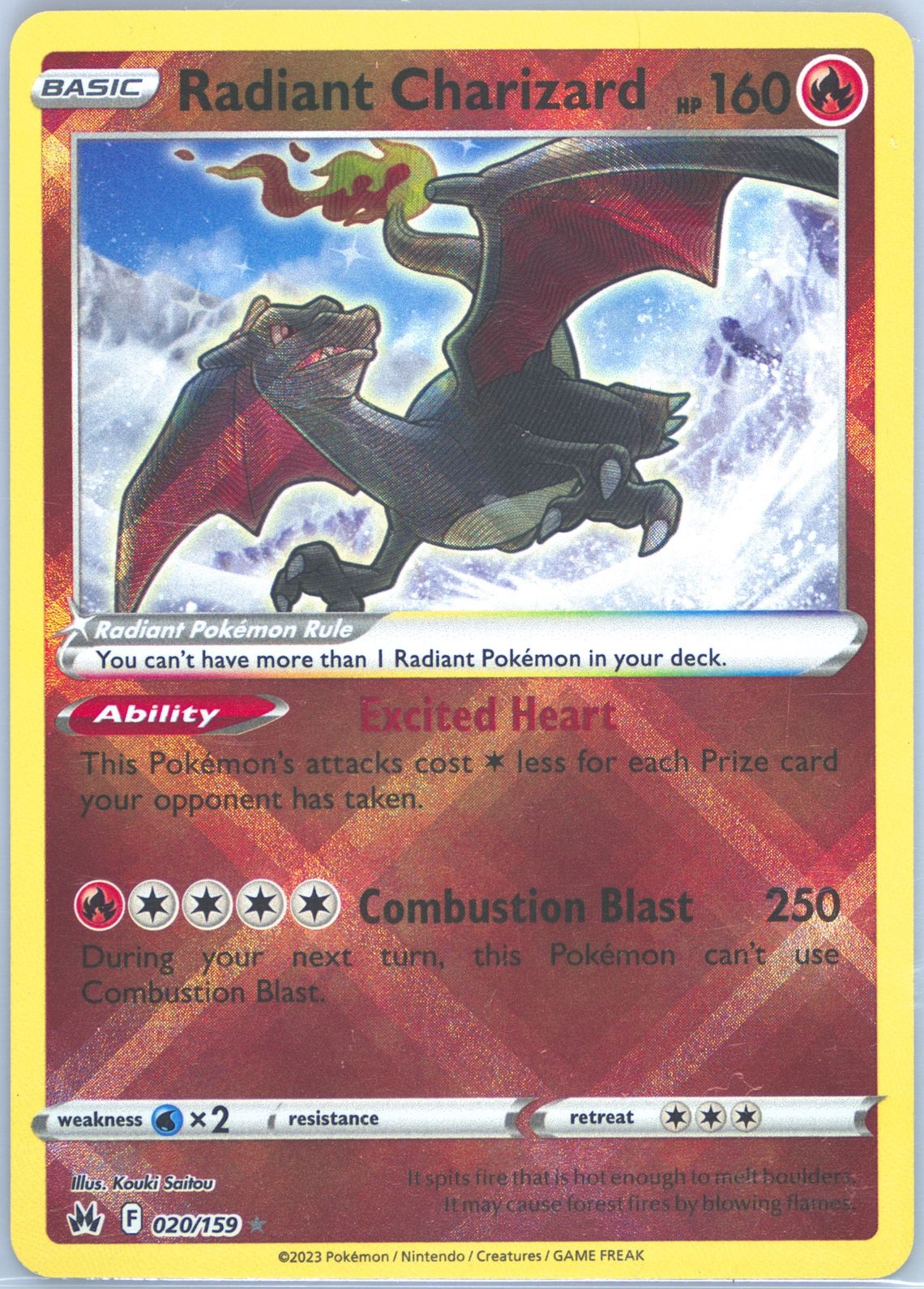
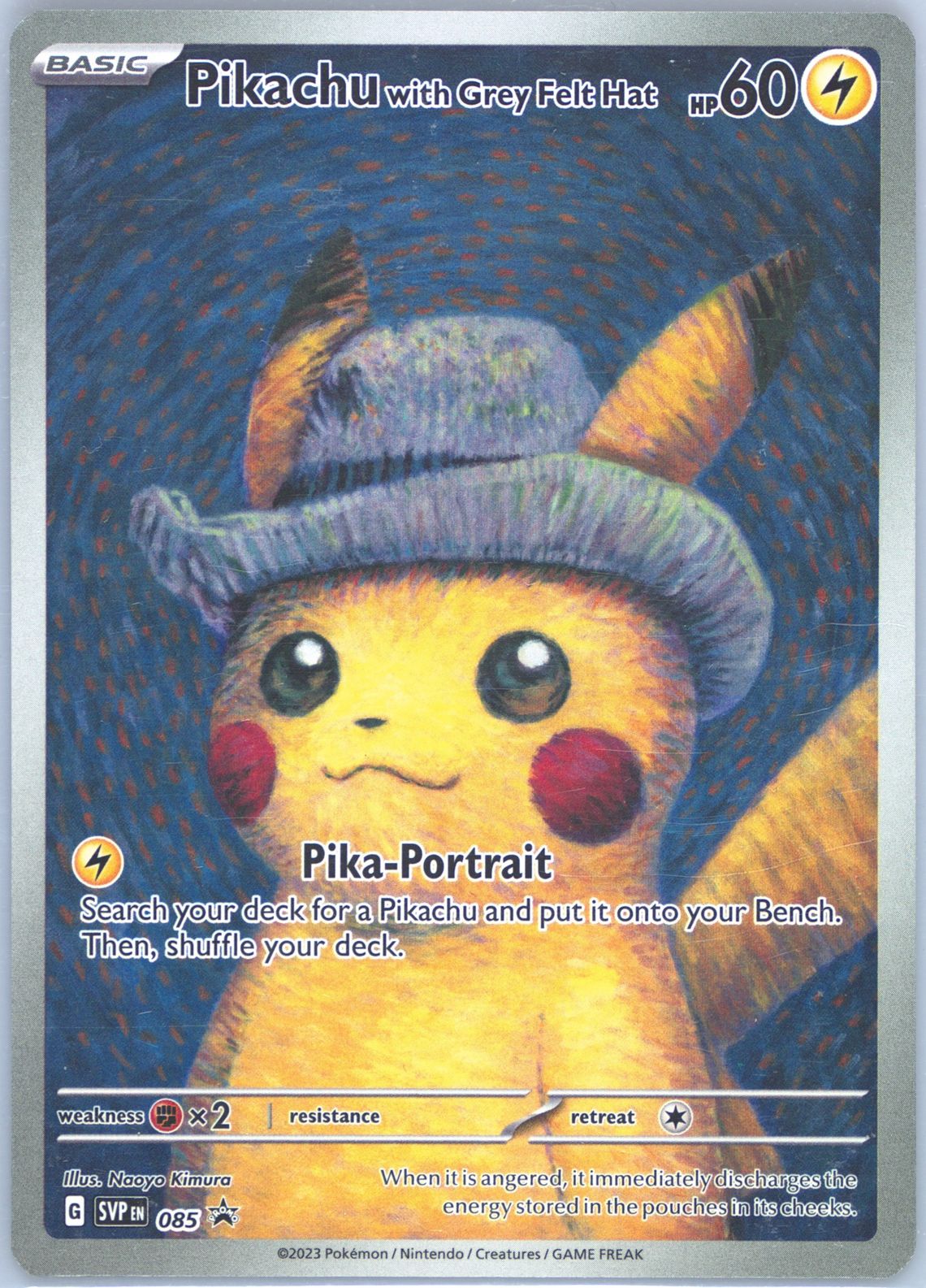
A "Charizard" is not a price. The same Pokemon can exist in dozens of versions across decades, and they are worth wildly different amounts. When you pull comps, match on:
- The exact set and card number (printed in the corner)
- The exact rarity and variant (holo, reverse holo, full art, alt art, secret rare)
- The condition (a Near Mint card and a Lightly Played copy can differ by half)
- Graded versus raw (never compare a slab's price to a raw card's)
Pricing a played reverse holo off a Near Mint regular holo comp is how cards end up overpriced and unsold. The closer your comp matches your actual card, the more reliable your number.
Rule Three: Use Two Sources, Not One
Prices vary between platforms, sometimes by twenty to forty percent depending on where buyers are and when. Pulling one number from one place can mislead you badly, especially on thinly traded cards where a single odd sale skews the picture.
Cross-reference at least two sources before settling on a price. eBay sold listings plus a card marketplace's sale history is a solid combination. If the two roughly agree, you have a reliable anchor. If they wildly disagree, dig deeper before you list, because something is off, often condition or variant differences hiding in the comps.
Rule Four: To Sell Fast, Sit at the Bottom of the Market
Once you know the real market price, here is the lever that controls speed:
| Goal | Where to price |
|---|---|
| Sell as fast as possible | 5 to 10 percent below the median sold comp, or match the lowest reasonable active listing |
| Sell at a good price, willing to wait | At the median sold comp |
| Maximize, no time pressure | At or just above the median, then drop over time |
Speed and price pull against each other. For commodity-style modern cards, buyers will always buy the cheapest acceptable copy, so being a touch cheaper than the next listing is what gets you the sale. For rarer cards with fewer copies available, you have more room to hold firm.
One nuance worth knowing: many marketplace algorithms reward competitive pricing by surfacing those listings first. Price ten percent above market and your card can get buried where buyers never see it. Pricing near the going rate is not just about the buyer who reads your listing; it is about being shown at all.
Rule Five: Account for Fees Before You Celebrate
The price a buyer pays is not the money you keep. Selling fees take a real bite, and pricing without accounting for them means you are earning less than you think.
As a rough guide for 2026, eBay's final value fee runs around 13 percent of the total including shipping, plus payment processing, landing total fees in the neighborhood of 15 to 16 percent on most sales. Other platforms vary. Fee-free channels like Facebook buy/sell groups change the math in your favor.
This matters most on low-value cards. Undercutting a competitor by a few cents on a $1 card to win the sale can leave you with almost nothing after fees and shipping. Below roughly a dollar, individual selling often is not worth it at all; those cards belong in lots. Our bulk selling guide covers where the cutoff really lands.
Rule Six: Read the Trend Before You Set the Number
A card's price is a moving target, and which direction it is moving should shape your pricing.
If a card is trending up, recent sales rising week over week, you can hold firmer or even price slightly above the last comp, because the next sale may well be higher. If it is trending down, undercut aggressively to sell before the price erodes further. A card you would have priced at $30 last month might be a $24 card today, and clinging to the old number just means watching it fall while your listing sits.
For the broader market backdrop, our coverage of whether to sell now or wait and the current 2026 market trends can help you read the room on timing.

Common Pricing Mistakes That Kill Sales
Pricing off the highest comp. One card sold for $80 once, so you list at $80. But the median is $50 and that $80 sale was an outlier or a different condition. Price off the median, not the peak.
Forgetting condition. Buyers scrutinize condition closely, and a card priced as Near Mint that shows whitening or edge wear will either sit or come back as a return. Grade your own cards honestly and price to match.
Refusing to drop. A listing that has sat for three weeks is telling you it is overpriced. The market does not care what you paid or what you hope to get. Re-pull your comps and adjust. A card that sells at $40 is worth more to you than a card that does not sell at $50.
Ignoring shipping in the buyer's math. A $25 card with $8 shipping feels more expensive than a $30 card with free shipping, even though the buyer pays more for the latter. Rolling shipping into the price and offering "free shipping" often sells faster.
A Simple Pricing Workflow
Here is the whole process condensed into a repeatable routine:
- Identify the card precisely: set, number, variant, condition.
- Pull sold comps from two sources over the last 90 days.
- Find the median of the genuinely comparable sales.
- Check the trend direction.
- To sell fast, list 5 to 10 percent below that median.
- Subtract your platform's fees to confirm you are still happy with the net.
- If it has not sold in two to three weeks, re-pull comps and drop the price.
Run that loop and your cards will move. It is not glamorous, but it works.
The Bottom Line
Pricing Pokemon cards to sell fast comes down to a few disciplines: price from real sold comps rather than hopeful asking prices, match your comp to the exact card and condition, sit at or just below the going rate when you want speed, and always subtract fees before you decide you are happy.
The number that sells is rarely the number you wish you could get, and accepting that is most of the battle. Set the price the market is actually paying, adjust when it stops moving, and your listings will clear in days instead of gathering dust for months. When you are ready to list, our roundup of the best place to sell Pokemon cards in 2026 covers where each type of card sells best.