How to Sell Bulk Pokemon Cards for the Most Money
The difference between $20 and $200 is how you sort.
By Misprint Editorial | Published Mar 14, 2026 | 12 min read

Everyone knows the shiny cards are worth money. The real skill is extracting maximum value from everything else.
We've talked about what bulk Pokemon cards are worth in 2026, but knowing the rates and actually maximizing your payout are two different things. The same 5,000-card collection can net you $40 or $400 depending entirely on how you sort, where you sell, and how much effort you're willing to put in.
This guide is the playbook. We're going to walk through the exact process we use at Misprint when we process bulk — the tiered sorting system, the platform selection for each tier, the pricing strategy, and the shipping logistics. This isn't theory. It's what we do every week with real cards and real money.
Fair warning: maximizing bulk value takes time. If you'd rather have $40 in your pocket tomorrow than $400 in your pocket over the next month, that's a perfectly valid choice. But if you want the most money, keep reading.
The Tiered Selling Strategy
The fundamental concept is simple: not all bulk is created equal, and different cards should be sold through different channels. Trying to sell everything the same way leaves money on the table no matter which method you choose.
We use a five-tier system:
- Tier 1: Individual singles worth $5+
- Tier 2: Singles worth $1-5
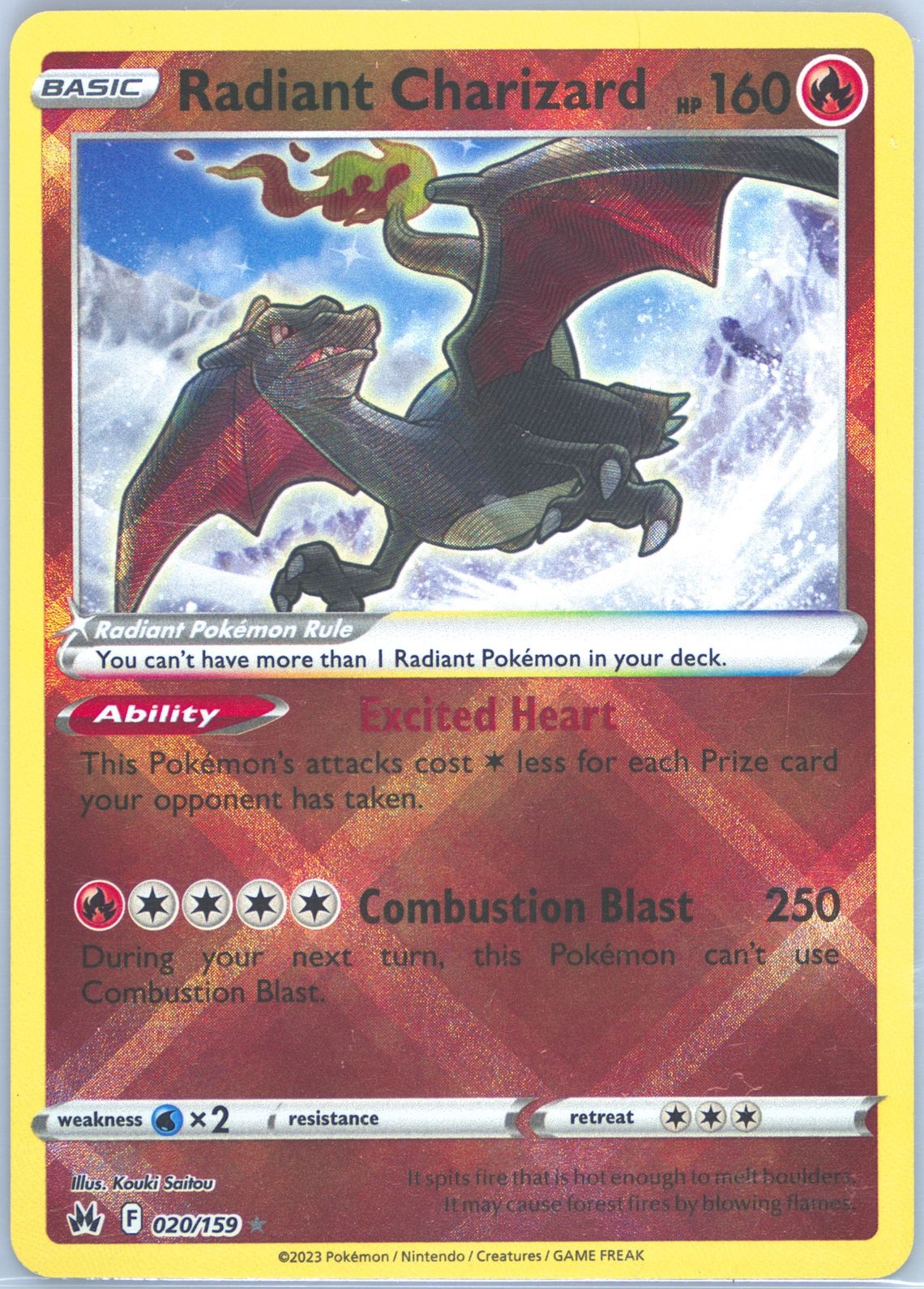
- Tier 3: Mid-tier lots (holos, reverse holos, V/EX cards worth $0.25-1.00)
- Tier 4: Sorted bulk lots (by set or era)
- Tier 5: True bulk (unsorted commons/uncommons)
Each tier has a different optimal selling strategy. Let's break them down.
Tier 1: Individual Singles ($5+)
What Goes Here
Any card worth $5 or more should be pulled from bulk and sold individually. This includes:
- Holographic rares from vintage sets
- Alt art cards
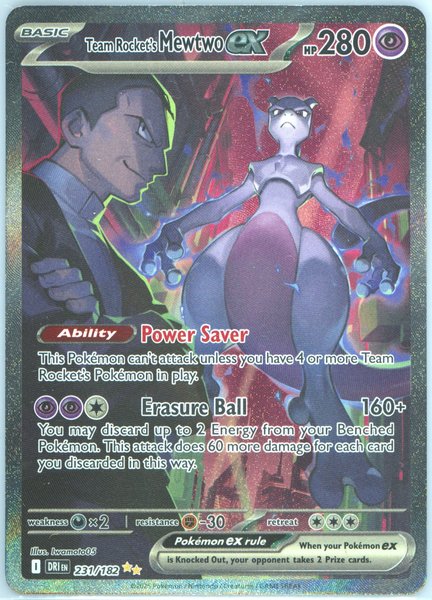
- Special illustration rares
- Full art trainers and Pokemon
- Secret rares and gold cards
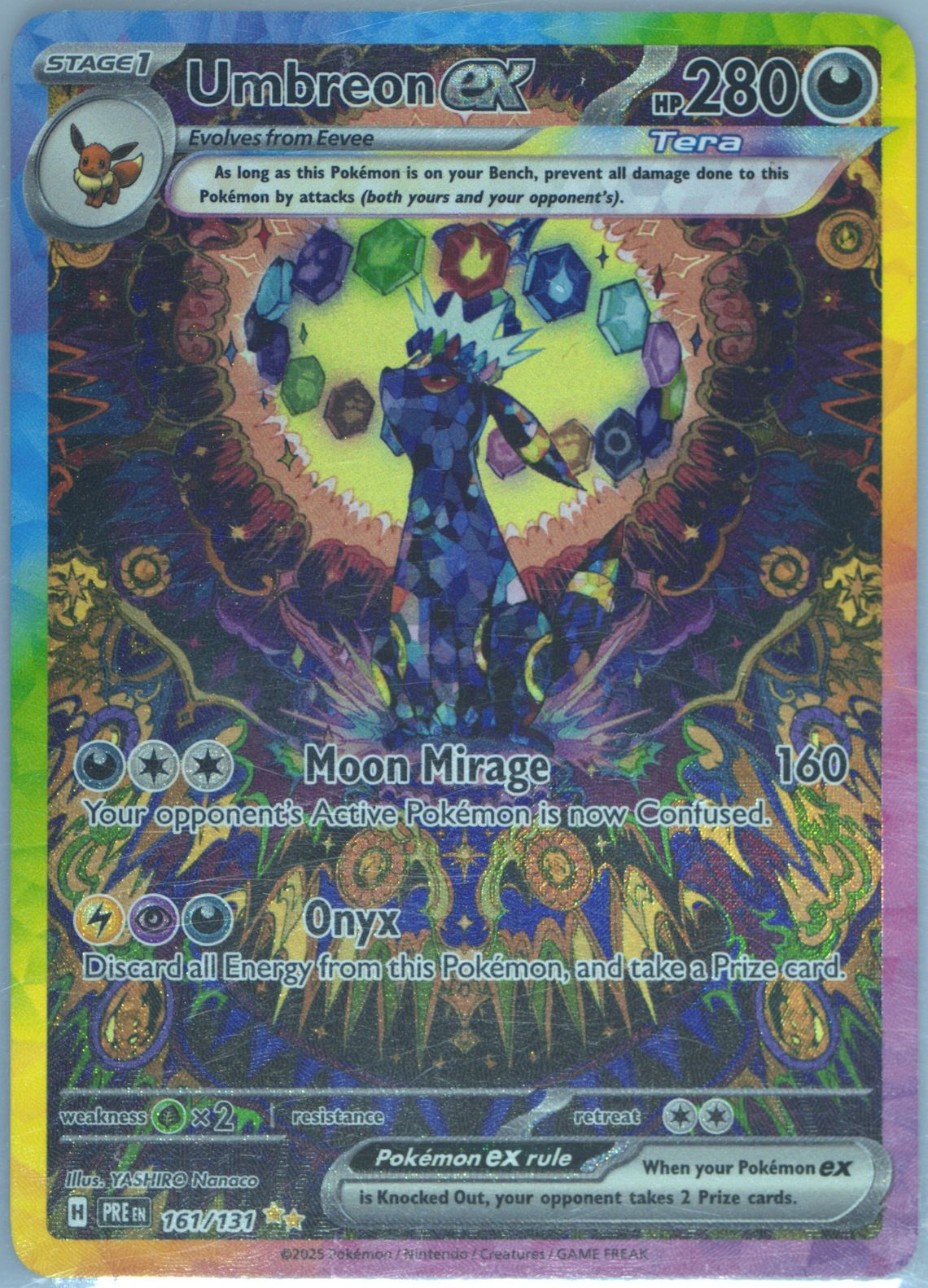
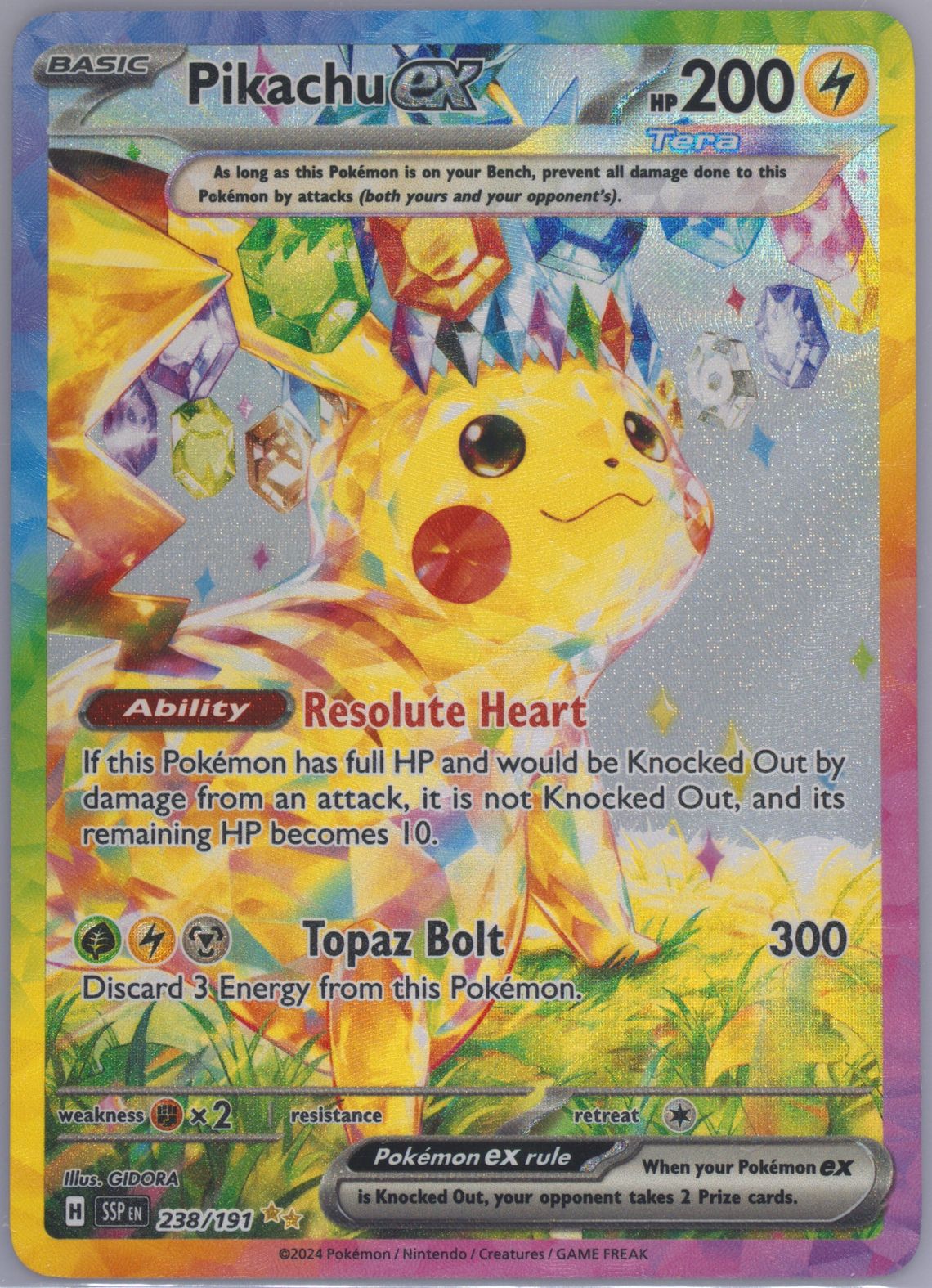
- Popular character cards (Prismatic Evolutions Umbreon ex SIR, Surging Sparks Pikachu EX SIR, etc.)
- Graded cards of any value
- Error/misprint cards
How to Find Them
This is where a scanner app earns its keep. Go through your entire collection with TCGPlayer's app or Misprint and pull out anything that scans at $5 or more. Don't trust the price blindly — verify anything valuable against actual recent sales — but the scanner will catch the vast majority of valuable cards in a single pass.
Beyond scanning, train yourself to spot valuable cards visually:
- Full art cards have artwork that extends to the edges
- Secret rares have a set number higher than the set's total (e.g., 205/198)
- Alt arts and SIRs have unique artistic styles that look different from standard card art
- Vintage holos catch light in a way that modern holos don't
- Any card with a "1st Edition" stamp deserves individual attention
Where to Sell
Misprint: Best for graded cards and cards where you want to set a specific price with good pricing data to back it up. The pricing tools show you exactly what comparable copies have sold for.
eBay: Best for high-value cards ($50+) where auction-style selling can drive the price above market. Also best for error cards and unusual items that benefit from a massive audience.
TCGPlayer: Good for competitively priced singles in the $5-50 range. The structured marketplace makes it easy for buyers to find your listing.
Pricing Tips
- Price slightly below the lowest current listing on your platform to sell faster. The extra $0.50 you'd gain by pricing at market isn't worth the card sitting unsold for weeks.
- For cards worth $50+, check eBay sold listings for comparable recent sales. Don't price based on active listings — those are asking prices, not selling prices.
- Account for condition. Be honest. A card with whitening on the edges isn't Near Mint, and pricing it as NM will get you returns and negative feedback.
Tier 2: Singles Worth $1-5
What Goes Here
These are the cards that are worth more than bulk but not enough to justify the full individual listing treatment on every platform. Examples:
- Modern holo rares from popular sets
- Common V and EX cards
- Trainer gallery cards
- Reverse holos from older sets
- Non-holo rares from vintage sets
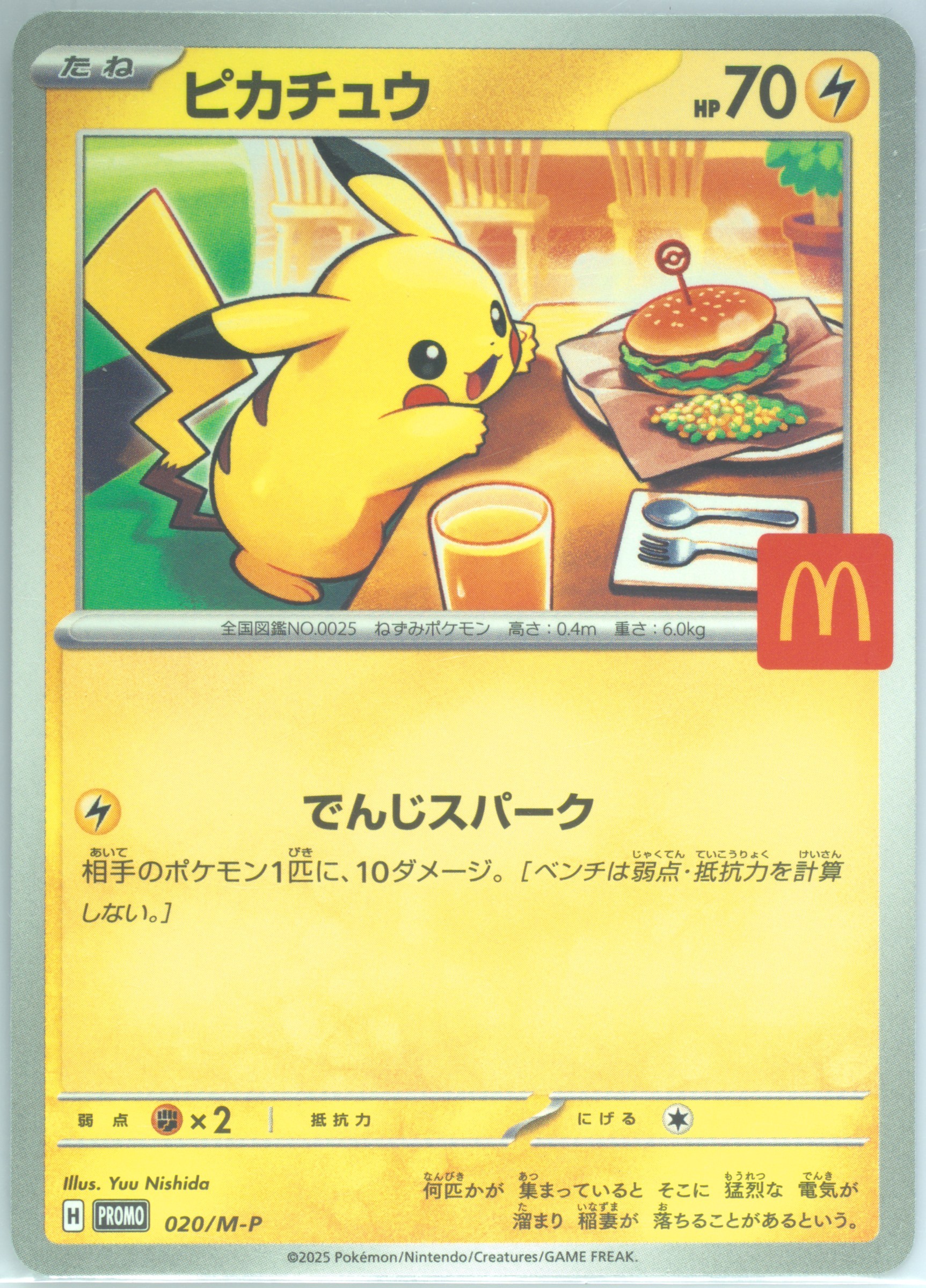
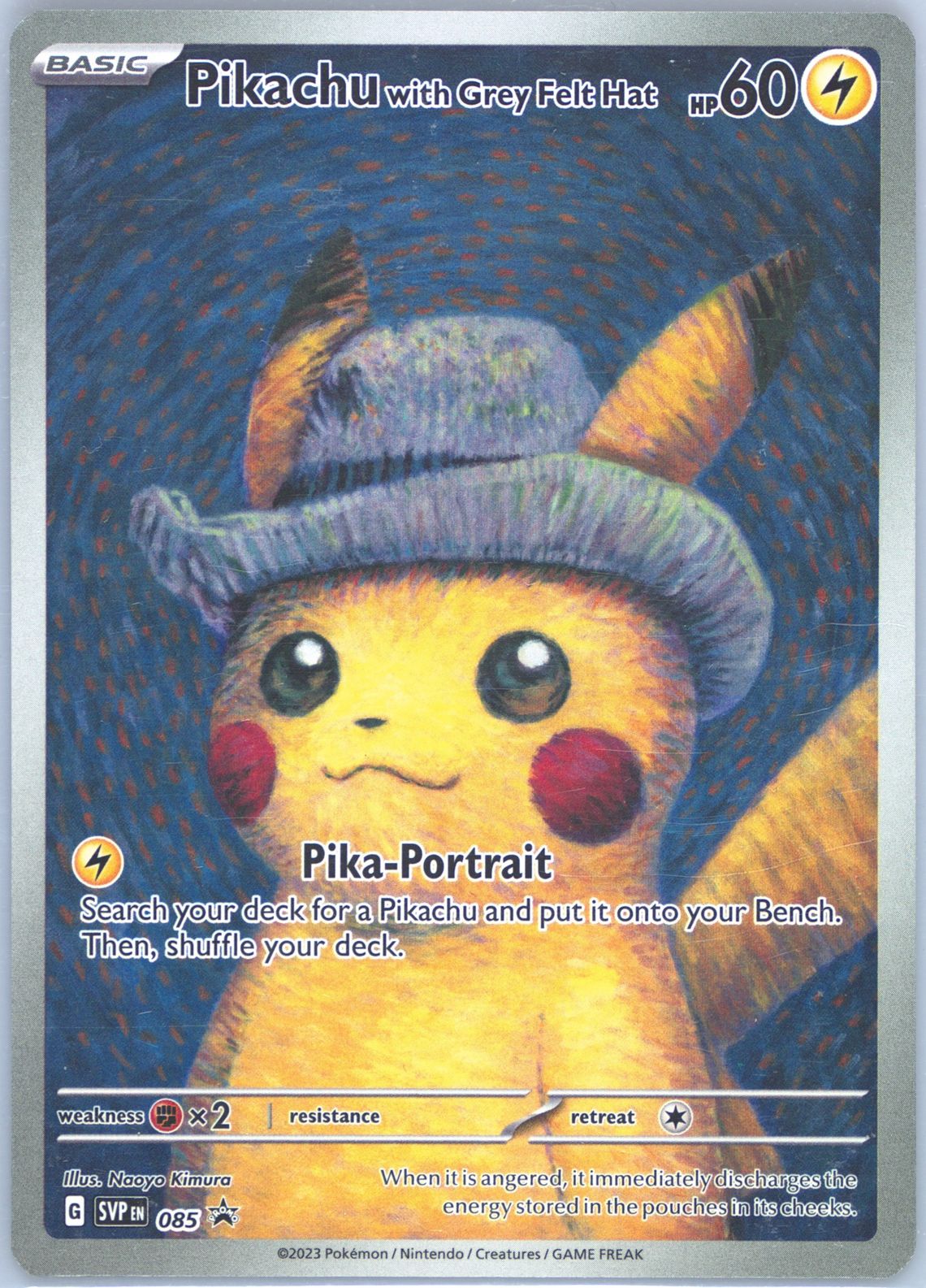
- Promos with modest value
The $1 Threshold
We use $1 as the cutoff because below that, the platform fees, shipping costs, and time investment of individual selling start to eat into your profit. A card worth $0.75 that costs $0.50 to ship in a PWE with a $0.13 stamp and $0.10 in platform fees nets you roughly $0.02 for your trouble. Not worth it.
At $1+, the math starts working, especially if you batch-list them or sell in small themed lots.
Where to Sell
TCGPlayer: The structured marketplace is ideal for $1-5 singles. Buyers browsing for specific cards will find your listing without you needing to promote it. List them at or slightly below market.
Misprint: Same logic. List them and let buyers come to you.
eBay (as lots): Here's the move for Tier 2 that many people miss. Instead of listing 50 individual $2 cards, bundle them into themed lots: "10 Holo Rare Pokemon Cards from Scarlet & Violet Sets" or "15 Trainer Gallery Cards Lot." Lots with 10-20 cards priced at $15-25 attract impulse buyers and save you massive amounts of listing time.
Pricing Tips
- For individual listings, match the lowest current price. These cards are commodity-level — buyers will always buy the cheapest copy.
- For lots, price at 70-80% of the combined individual value. The discount incentivizes the buyer, and you still come out ahead of bulk rates by a wide margin.
- Photograph lots attractively. Fan the cards out, show the holos catching light. Presentation matters, especially on eBay.
Tier 3: Mid-Tier Lots ($0.25-1.00 per card)
What Goes Here
Cards that are worth more than true bulk but not enough to sell individually:
- Modern reverse holos
- Common holo rares from high-print-run sets
- Non-holo rares from modern sets
- V/EX cards from older sets that have depreciated
- Promo cards with minimal value
How to Sell
This tier is all about lots. Group these cards into attractive bundles and sell on eBay, Facebook groups, or Mercari:
- By type: "Lot of 50 Holo Pokemon Cards" or "25 Pokemon V and EX Cards"
- By Pokemon: "Pikachu Card Lot - 20 Different Pikachu Cards" (character lots do surprisingly well)
- By set: "Complete Rare/Holo Set from Paldean Fates"
- By era: "WOTC-Era Pokemon Cards Lot - 30 Cards"
Pricing Strategy
For Tier 3 lots, we price at approximately $0.30-0.60 per card depending on the lot composition. A lot of 50 mixed holos and V cards listed at $20-25 typically sells within a week on eBay. That's roughly $0.40-0.50 per card, which is 4-10x what a bulk buyer would pay.
The Facebook advantage: Pokemon buy/sell/trade groups on Facebook charge zero fees. A lot that you'd need to price at $25 on eBay (to net $20 after fees) can be listed at $20 on Facebook and you keep the entire amount. We sell a significant portion of our Tier 3 inventory through Facebook groups.

Tier 4: Sorted Bulk Lots
What Goes Here
Everything that didn't make it into Tiers 1-3 but is sorted in a way that adds value:
- Complete or near-complete common/uncommon sets
- Era-sorted lots (all WOTC, all EX-era, all modern)
- Set-sorted lots (all Base Set commons, all Fossil commons, etc.)
- Type-sorted lots (all Fire Pokemon, all Water Pokemon)
Why Sorting Matters So Much
Unsorted bulk is worth $15-25 per 1,000 cards. Sorted bulk is worth 2-3x that. Why? Because sorting saves the buyer time and effort. A set builder who needs the common/uncommon set from Obsidian Flames would rather pay $15 for a sorted, complete set than buy 2,000 random commons hoping the ones they need are in there.
Time is the trade-off. Sorting 5,000 cards by set takes 3-5 hours. But it can turn $100 worth of unsorted bulk into $200-300 worth of sorted lots. Whether that hourly rate is acceptable to you is a personal decision.
Sorting Methods (From Least to Most Time-Intensive)
Era sort (30 minutes per 1,000 cards): Separate into WOTC era, EX era, Diamond & Pearl era, Black & White/XY era, Sun & Moon era, Sword & Shield era, Scarlet & Violet era. This is the minimum sort that meaningfully increases value.
Set sort (60-90 minutes per 1,000 cards): Separate by individual set. Use the set symbol on the card to identify which set it belongs to. If you're not familiar with set symbols, our set symbol guide will get you up to speed.
Complete set assembly (2-3 hours per set): After sorting by set, identify which commons and uncommons you have a complete set of and list those as "complete common/uncommon set" listings. These command the highest premium.
Where to Sell Sorted Bulk
eBay: Best for set-sorted lots and complete sets. Buyers specifically search for these.
Facebook groups: Great for era-sorted lots. "500 WOTC-era Pokemon cards" generates interest fast.
Misprint/TCGPlayer: Better for the individual valuable cards you pulled in earlier tiers. Less ideal for bulk lots.
Pricing Sorted Bulk
- Complete common/uncommon sets: $8-25 depending on the set (vintage sets at the high end)
- Era-sorted lots: $30-60 per 1,000 for WOTC, $20-35 per 1,000 for modern
- Set-sorted lots (incomplete): $15-30 per 1,000
Tier 5: True Bulk
What Goes Here
After you've pulled out Tiers 1-4, you're left with the bottom of the barrel: unsorted modern commons, uncommons, basic energy cards, and anything else that isn't worth the time to sort further.
Where to Sell True Bulk
Bulk buyers: Companies like Safari Zone, Full Grip Games, and others buy true bulk at posted rates. You ship them your cards, they count and verify, and they pay you. Rates are the lowest ($15-25 per 1,000) but the effort is minimal.
Local card shops: Walk in with a box, walk out with cash. Even lower rates than online bulk buyers sometimes, but zero shipping and instant payment.
Facebook Marketplace (local): List "5,000 Pokemon cards" for pickup. Parents buying for kids, casual collectors, and people looking for craft supplies (yes, people use bulk cards for art projects and decorations) will bite. Price at $20-30 per 1,000 for local sales.
eBay (large lots): You can list large unsorted lots on eBay, but manage expectations. A lot of 5,000 unsorted commons will sell for $60-100, not the $200+ that optimistic sellers list at. Price realistically and it'll sell. Price at wishful thinking and it'll sit.
Pricing True Bulk
Price true bulk at $0.02-0.03 per card for bulk buyers, or $0.03-0.05 per card for direct sales. Going below $0.02 per card isn't worth the shipping costs. Going above $0.05 per card for unsorted modern bulk is unrealistic unless you have vintage cards mixed in.
The Full Process: Step by Step
Here's the complete workflow from start to finish.
Step 1: The Initial Pass (30-60 minutes per 1,000 cards)
Go through your cards one at a time. You're looking for anything that's obviously not bulk: holos, ultra rares, full arts, vintage cards, promos, graded cards, anything shiny or textured. Pull these into a separate pile. Don't stop to look anything up — just pull.
This first pass is about speed. You're visually filtering, not pricing. Anything that catches your eye goes in the "maybe valuable" pile. Everything else stays in the bulk pile.
Step 2: Scan the "Maybe Valuable" Pile (15-30 minutes)
Take your "maybe valuable" pile and scan each card with a scanner app. Sort them into Tiers 1 ($5+), 2 ($1-5), and 3 ($0.25-1.00) based on the scanner prices.
Cards that scan at under $0.25 go back into the bulk pile.
Step 3: Verify Tier 1 Cards (5-10 minutes per card)
For any card that scanned at $5+, do a manual price check. Look at recent eBay sold listings, check Misprint's pricing data, and assess the card's condition. Take good photos of these cards — front and back, with clear images of any flaws.
Step 4: Sort the Remaining Bulk (Optional, 1-3 hours)
If you want to maximize Tier 4 value, sort your remaining bulk by set or era. If you don't want to invest the time, skip to Step 5 and sell everything as unsorted bulk.
Step 5: List and Sell
List each tier on the appropriate platform:
- Tier 1: Individual listings on Misprint, TCGPlayer, or eBay
- Tier 2: Individual listings or themed lots on TCGPlayer or eBay
- Tier 3: Themed lots on eBay or Facebook groups
- Tier 4: Sorted lots on eBay or Facebook groups
- Tier 5: Ship to a bulk buyer or sell locally
Step 6: Ship Smart
Shipping is where bulk sellers lose money if they're not careful.
For individual cards (Tiers 1-2):
- Cards under $20: Ship in a plain white envelope (PWE) with the card in a penny sleeve + toploader. Cost: $0.63 for a stamp. This is technically against USPS rules for rigid items, but it's industry standard practice.
- Cards $20+: Ship in a bubble mailer with tracking. Cost: $3.50-5.00. The tracking protects both you and the buyer.
- Cards $50+: Ship in a small box with tracking and insurance. Cost: $5-8. Non-negotiable for high-value items.
For lots (Tiers 3-4):
- Small lots (under 100 cards): Bubble mailer, $4-6 shipped via USPS First Class.
- Medium lots (100-500 cards): Small flat rate box ($10.20 USPS) or regional rate box. Cards are heavy — a flat rate box is often the cheapest option.
- Large lots (500+ cards): Medium flat rate box ($16.50) or Priority Mail by weight. 1,000 cards weigh roughly 4-5 pounds, so flat rate boxes become very cost-effective.
For true bulk (Tier 5):
- If shipping to a bulk buyer, check if they cover shipping costs (many do for large quantities).
- For local sales, obviously no shipping. This is one of the biggest advantages of selling bulk locally.
Pro Tip: Include Shipping in Your Price
Don't list bulk lots at a low price and then surprise the buyer with $15 shipping. Include shipping in the lot price and offer "free shipping." Psychologically, buyers are much more likely to purchase a $35 lot with free shipping than a $20 lot with $15 shipping, even though the total is the same.
Mistakes That Cost You Money
Mistake 1: Not Sorting At All
Selling 5,000 cards as one unsorted lot to a bulk buyer is the fastest option but also the worst payout. Even a 30-minute visual pass to pull out holos and ultra rares can double your total.
Mistake 2: Over-Sorting
On the other end, spending 20 hours meticulously sorting 3,000 commons by set when the total value increase is $40 doesn't make sense. Know when the time investment isn't worth the marginal return.
Mistake 3: Overpricing
This kills sales. If your eBay listing for "100 Pokemon Cards Lot" has been sitting for three weeks, it's overpriced. Check comparable sold listings (not active listings) and adjust. A card that doesn't sell at $5 is worth less to you than a card that sells at $4.
Mistake 4: Bad Photos
Blurry photos, cluttered backgrounds, and poor lighting make your listings look sketchy. Buyers scroll past bad photos. Take 60 seconds to set up decent lighting and a clean background. It directly translates to higher sale prices.
Mistake 5: Ignoring Platform Fees
eBay takes about 13%. TCGPlayer takes about 12-13%. PayPal Goods & Services takes about 3%. If you're not accounting for these fees in your pricing, you're making less than you think. Facebook groups with direct PayPal payment (no platform fee beyond PayPal's cut) are often the most profitable channel for mid-tier lots.
Mistake 6: Selling Vintage at Modern Rates
We can't stress this enough. Any card from before 2003 is worth more than its modern equivalent. Don't let a bulk buyer pay you $20 per 1,000 for WOTC-era cards that are worth $40-80 per 1,000 to the right buyer. Vintage cards have unique value — sell them accordingly.
Expected Revenue: A Realistic Example
Let's say you have a collection of 5,000 cards that's a pretty typical mix — mostly modern, some older stuff, a few valuable pulls. Here's what the tiered approach might yield:
| Tier | Cards | Estimated Revenue |
|---|---|---|
| Tier 1 (singles $5+) | ~20 cards | $150-300 |
| Tier 2 (singles $1-5) | ~80 cards | $120-250 |
| Tier 3 (mid-tier lots) | ~200 cards | $60-100 |
| Tier 4 (sorted bulk) | ~1,700 cards | $50-85 |
| Tier 5 (true bulk) | ~3,000 cards | $45-75 |
| Total | 5,000 cards | $425-810 |
Compare that to selling all 5,000 cards unsorted to a bulk buyer: roughly $75-125 total.
The tiered approach takes more time — probably 10-15 hours total including sorting, listing, and shipping. But the difference in payout is significant. Even if the time investment works out to $20-40/hour, that's a decent return for something you'd otherwise sell for the minimum.
One More Thing: When to Just Sell It All
We've spent this entire article explaining how to maximize bulk value, but we'd be dishonest if we didn't acknowledge that sometimes the best move is to sell everything in one shot and move on.
If you're moving and need to clear out cards this weekend, sell to a bulk buyer. If the collection is 99% modern commons with nothing exciting, sell locally or to a bulk buyer. If you value your time at $100/hour and the sorting would take 15 hours, the math might not work.
There's no shame in the quick sale. But now you know exactly how much you're leaving on the table, and that informed decision is worth more than any sorting strategy.
For the buyer's perspective on bulk, check out our guide on how to buy Pokemon cards in bulk. And if you're still figuring out what you've got, our guides on finding your collection's value and whether to sell individually or as a lot will help you decide the right approach.