PSA vs CGC: Which Grading Company Sells for More?
Same card, same grade, different slab. The price difference might surprise you.
By Misprint Editorial | Published Mar 18, 2026 | 9 min read

You've got a card that's going to grade a 10. You know it. The question isn't whether to grade it — it's whose plastic to put it in.
PSA and CGC are the two grading companies most Pokémon collectors are actually choosing between in 2026. BGS has faded, TAG is still building trust. For the majority of cards worth grading, it comes down to the red label or the green label. And while there are lots of factors to consider — turnaround time, slab aesthetics, grading scale granularity — let's cut straight to the thing that matters most when you're grading to sell: which one puts more money in your pocket?
We've been pulling completed sale data for months. Here's what the numbers actually say.
The PSA Premium Is Real — But It's Not What You Think
Everyone in the hobby has heard that "PSA sells for more." It's true. But the size of that premium varies wildly depending on the card, the grade, and the era. Saying "PSA sells for more" without context is like saying "California is expensive" without specifying whether you mean San Francisco or Bakersfield.
Modern Chase Cards (Grade 10)
These are the cards most people are actually grading in 2026 — chase cards from recent sets that pulled big numbers in pack openings.
| Card | PSA 10 | CGC 10 | PSA Premium |
|---|---|---|---|
| Prismatic Evolutions Umbreon ex SIR | $270-320 | $220-255 | +18-25% |
| 151 Charizard ex SIR | $185-220 | $145-170 | +22-29% |
| Surging Sparks Pikachu ex HR | $62-78 | $50-62 | +20-26% |
| Destined Rivals Mewtwo SIR | $82-100 | $68-82 | +17-22% |
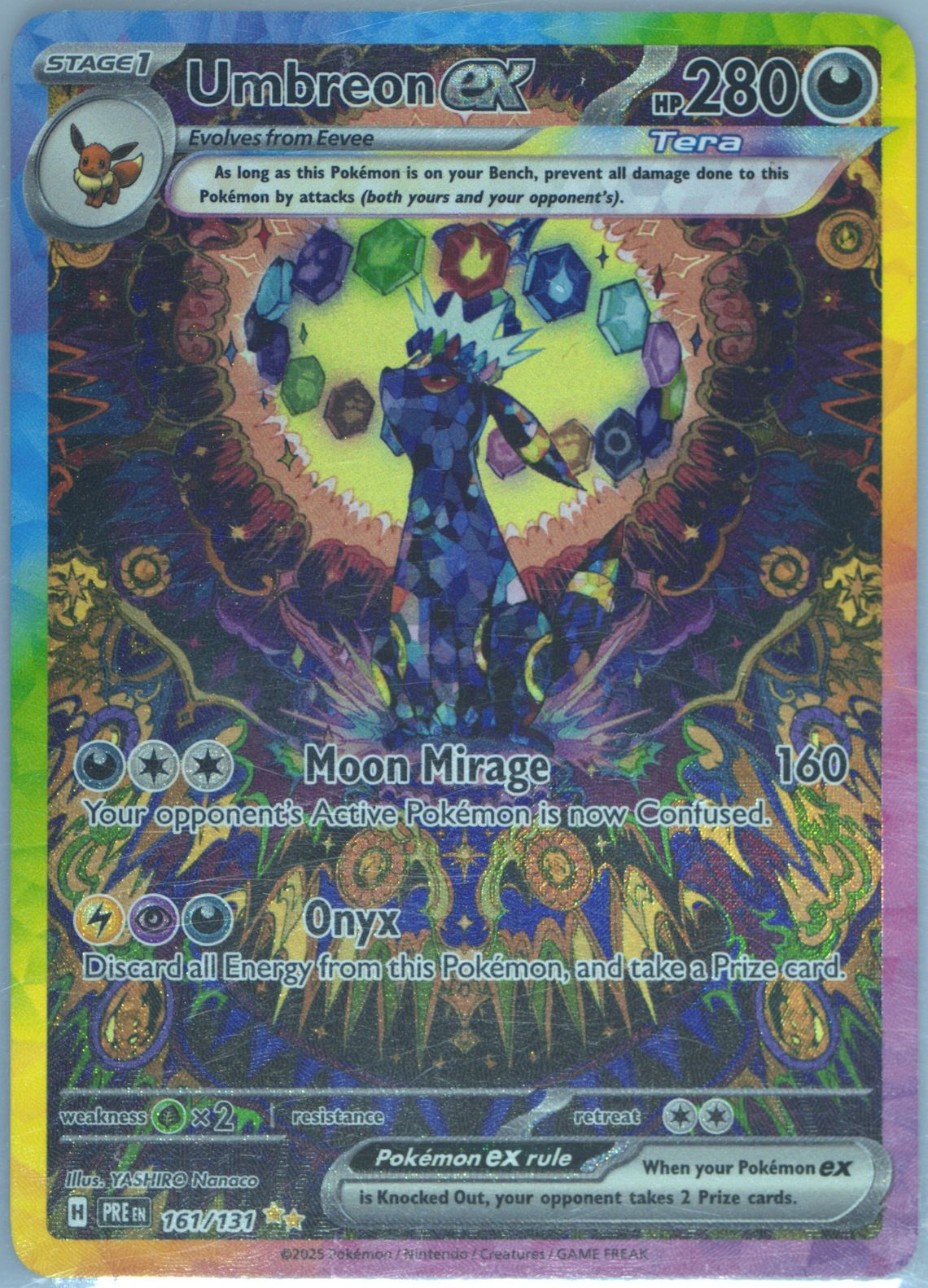
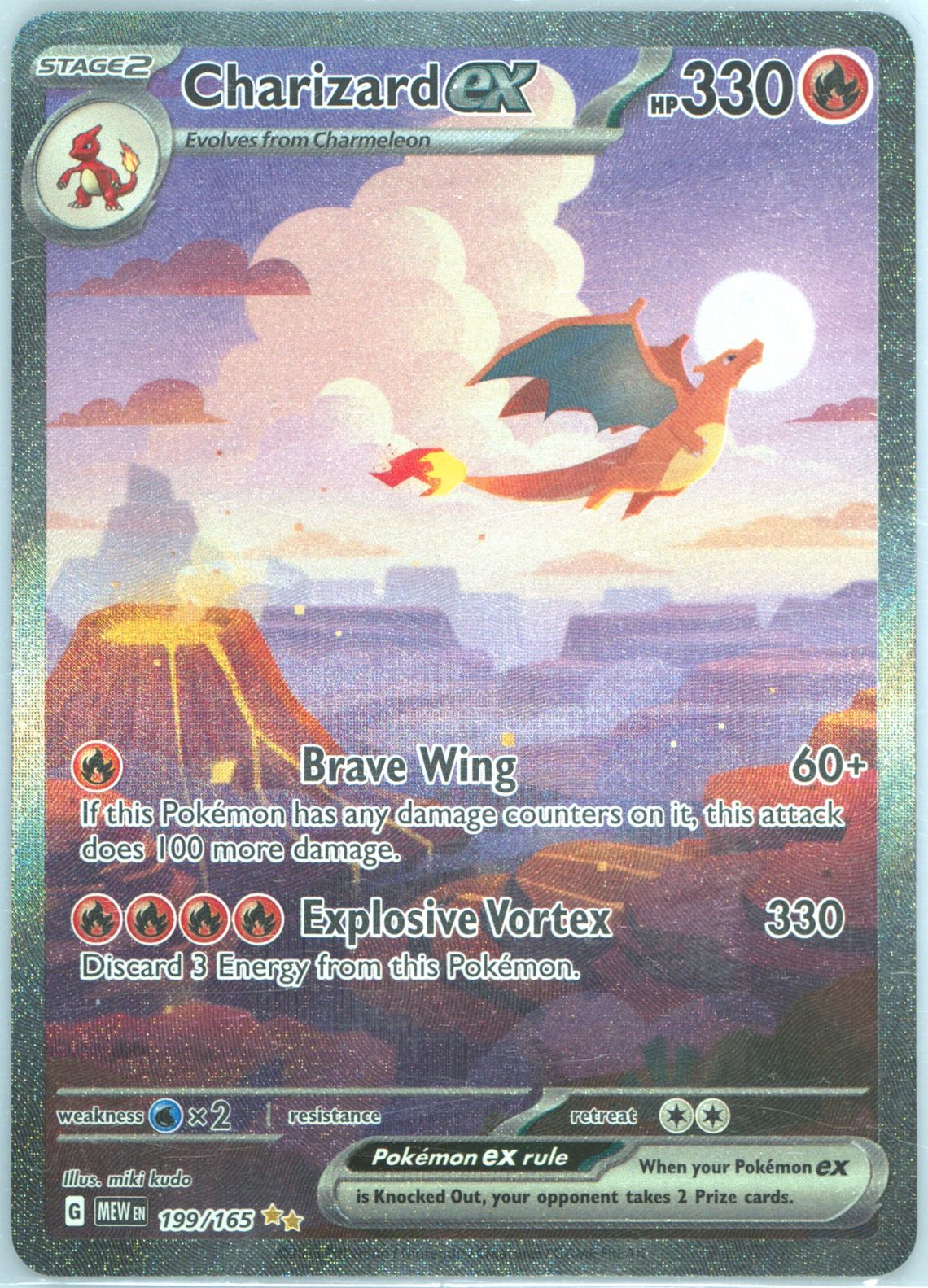
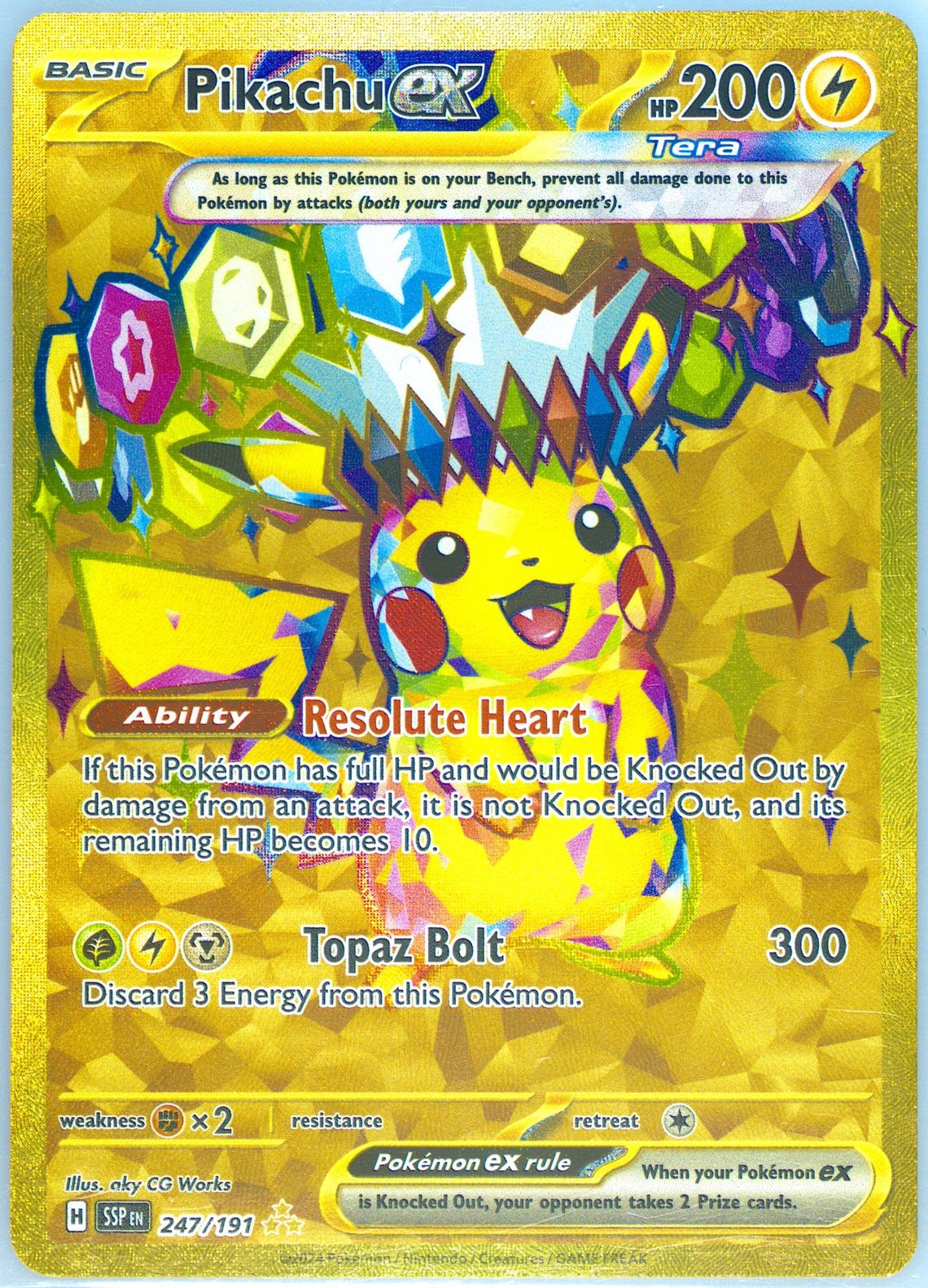
For modern cards at a grade of 10, PSA typically sells for 18-29% more than CGC. That's a meaningful premium, but it's not the 2x gap some people assume. On a $300 PSA 10, we're talking about a $55-75 difference from CGC. Real money, but not life-changing.
Higher-Value and Semi-Vintage Cards (Grade 10)
| Card | PSA 10 | CGC 10 | PSA Premium |
|---|---|---|---|
| Umbreon VMAX Alt Art (Evolving Skies) | $550-650 | $430-500 | +22-30% |
| Van Gogh Pikachu | $95-115 | $78-92 | +18-25% |
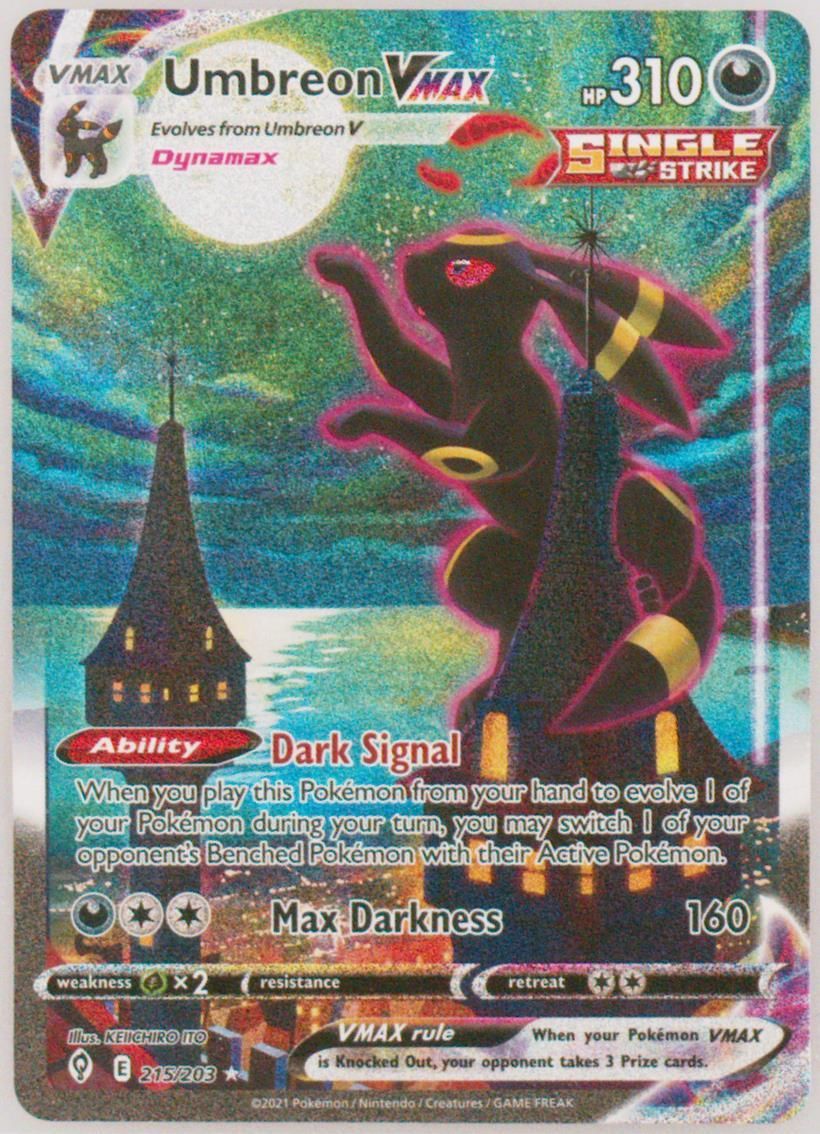
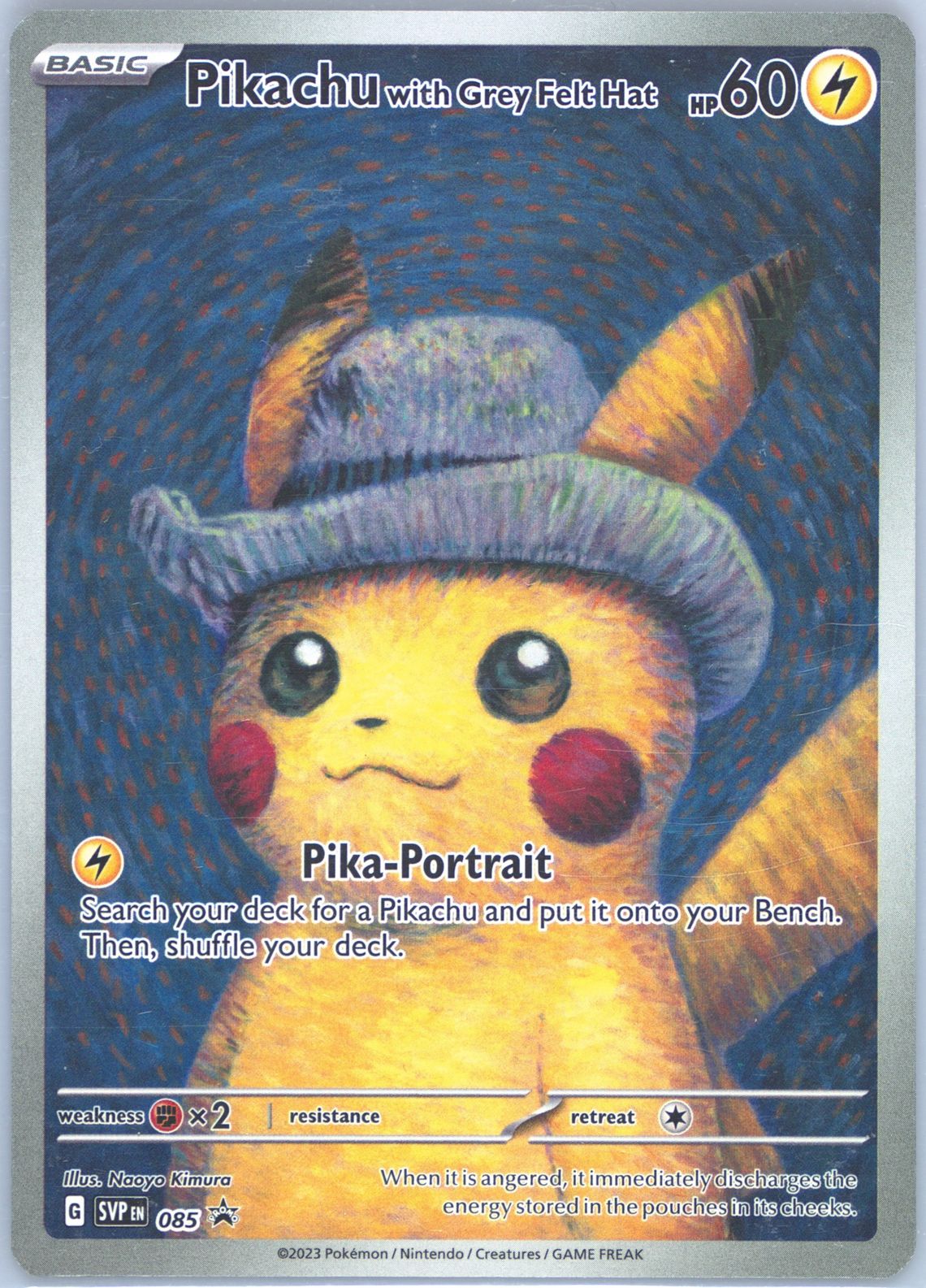
The premium holds steady in the 20-30% range for cards that are a few years old but not truly vintage. Evolving Skies alt arts, Crown Zenith gallery cards, and special promos all follow this pattern.
True Vintage (Base Set Era, Grade 10)
| Card | PSA 10 | CGC 10 | PSA Premium |
|---|---|---|---|
| Base Set Charizard | $4,500-6,000+ | $3,000-4,000 | +40-55% |
| Base Set Blastoise | $1,800-2,500 | $1,200-1,700 | +40-50% |
| 1st Ed Shadowless Pikachu | $2,000-3,000 | $1,200-1,800 | +55-70% |

Vintage is where the PSA premium really shows its teeth. For Base Set and other 1999-2003 era cards, PSA commands 40-70% more than CGC. The vintage Pokémon market was built on PSA grading, and the collector base for these cards overwhelmingly prefers PSA slabs. A Base Set Charizard CGC 10 is a beautiful card in a legitimate slab, but the buyer pool is substantially smaller than for the PSA version.
If you have valuable vintage cards, this isn't even a decision. Grade them with PSA.
Grade 9 Comparison
Most articles focus exclusively on 10s, but a lot of cards come back as 9s. Here's how the premium looks at the 9 level:
| Card Type | PSA 9 vs CGC 9 | PSA Premium |
|---|---|---|
| Modern chase cards | $50 vs $42 | +15-22% |
| Semi-vintage alt arts | $280 vs $235 | +15-20% |
| Vintage (Base Set era) | $1,200 vs $900 | +25-35% |
The PSA premium shrinks at the 9 level, typically running 15-22% for modern and 25-35% for vintage. This makes intuitive sense — the collector base that specifically seeks PSA cares most about gem mint copies. At lower grades, the slab matters a bit less and the card's condition matters a bit more.
The CGC Perfect 10 Exception
Here's where CGC flips the script. CGC's Perfect 10 (Pristine) designation — awarded when a card is truly flawless across every metric — commands exceptional premiums. A CGC Perfect 10 of a popular card can sell for as much as or more than the PSA 10 of the same card.
Recent examples:
| Card | PSA 10 | CGC Perfect 10 |
|---|---|---|
| Prismatic Evolutions Umbreon ex SIR | $270-320 | $350-450+ |
| 151 Charizard ex SIR | $185-220 | $250-320 |
| Umbreon VMAX Alt Art | $550-650 | $700-900+ |
CGC Perfect 10s beat PSA 10s by 20-40% or more. That's a massive swing. The catch is that CGC Perfect 10s are genuinely rare — estimates suggest only 2-5% of submissions that receive a 10 get the Perfect 10 designation. You can't bank on getting one, but when it happens, it's like hitting a mini lottery.
This is a legitimate strategic reason to choose CGC over PSA: if you have a card you believe is absolutely immaculate — pulled straight from a pack into a sleeve with no imperfections visible under magnification — CGC gives you a shot at a Perfect 10 that can exceed PSA 10 values. PSA has no equivalent tier. Their 10 is their 10, whether it's barely a 10 or the most perfect card ever graded.
The CGC 9.5 Sweet Spot
CGC's half-point scale creates another interesting dynamic. A CGC 9.5 occupies a space between PSA 9 and PSA 10 that PSA itself doesn't have. How does it sell?
For most modern cards, a CGC 9.5 sells for roughly 60-75% of what a PSA 10 goes for and 110-130% of what a PSA 9 goes for. It's a premium position that reflects a card that's close to gem mint but not quite there. Some collectors specifically seek CGC 9.5s as a value play — you're getting a near-gem card for significantly less than a PSA 10.
This is another CGC advantage that doesn't show up in simple 10-vs-10 comparisons. If your card is on the borderline between a 9 and a 10, CGC's 9.5 gives you a meaningful middle-ground grade that PSA can't offer.
Factoring In Grading Costs
Raw resale values tell part of the story. Net return after grading costs tells the rest.
| Tier | PSA | CGC | Difference |
|---|---|---|---|
| Economy | $20 | $15-18 | $2-5 saved |
| Standard | $50 | $25-30 | $20-25 saved |
| Express | $75 | $50-75 | $0-25 saved |
CGC is cheaper, but the savings are modest at the economy level — $2-5 per card. For standard and express tiers, CGC's cost advantage is more significant.
Net Return Scenarios
Card raw value: $30 (modern chase card)
- PSA 10 sale: ~$62 | Cost: $20 | Net: $12
- CGC 10 sale: ~$50 | Cost: $17 | Net: $3
- PSA advantage: +$9
Card raw value: $75 (mid-tier chase card)
- PSA 10 sale: ~$150 | Cost: $20 | Net: $55
- CGC 10 sale: ~$122 | Cost: $17 | Net: $30
- PSA advantage: +$25
Card raw value: $150 (high-end modern)
- PSA 10 sale: ~$295 | Cost: $20 | Net: $125
- CGC 10 sale: ~$240 | Cost: $17 | Net: $73
- PSA advantage: +$52
Card raw value: $500 (alt art / vintage)
- PSA 10 sale: ~$950 | Cost: $20 | Net: $430
- CGC 10 sale: ~$750 | Cost: $17 | Net: $233
- PSA advantage: +$197
The pattern is unambiguous: PSA's higher resale premium generates more net profit at every price point, and the advantage grows with card value. The $3-5 you save on CGC grading fees is completely overwhelmed by the $12-200+ you lose in resale value.
When CGC Is the Better Choice Despite Lower Resale
If PSA always nets more money, why would anyone choose CGC? Because maximizing resale value isn't everyone's goal, and even when it is, there are situations where CGC makes more sense.
1. You're Grading for Your Personal Collection
If you're not selling, resale premiums are irrelevant. CGC is cheaper, and many collectors genuinely prefer the CGC slab aesthetic — the inner well gives extra protection, and the cleaner label design shows off the card better (subjective, but a common opinion). CGC's half-point scale also gives you more information about your card's condition, which is satisfying when you're building a collection.
2. You Want Subgrade Transparency
CGC doesn't provide subgrades by default on their standard label, but their detailed label option shows grades across multiple categories. More importantly, CGC's grading approach gives you the half-point granularity that tells you more than PSA's whole-number system.
A PSA 9 tells you the card isn't a 10. A CGC 9.0 vs. a CGC 9.5 tells you how close it was. That information has value, especially if you're considering whether to crack and resubmit.
3. You're Chasing the Perfect 10
We covered this above, but it bears emphasizing: if you have a card you believe is genuinely flawless, CGC gives you an upside that PSA can't match. A CGC Perfect 10 can be worth 20-40% more than a PSA 10. PSA doesn't have an equivalent ultra-premium tier.
This makes CGC a calculated bet for truly pristine cards. The expected value calculation changes when you factor in even a small probability of hitting Perfect 10.
4. You're Grading in Bulk on a Budget
If you're grading 50+ cards and cost matters, CGC saves you $100-250 over PSA at economy pricing. For someone working within a budget, that's the difference between grading 50 cards and grading 60-65 cards. More cards graded means more chances at getting valuable gem mint slabs.
5. The Card Is Low Value
For cards worth $10-20 raw, neither PSA nor CGC is going to make you rich. But CGC's lower fee means you're losing less money on the grading cost if the card comes back below a 10. A PSA 8 of a $15 card is basically worth $15 in the slab — you've paid $20 to grade a card and added no value. A CGC 8 of the same card also adds no value, but you only spent $15-17 on the grading, so you're out less money.
6. You Value Independence
CGC is an independent company. PSA is owned by Collectors, which also owns BGS and SGC. If the consolidation of the grading market under one corporate umbrella concerns you, CGC (and TAG) are your alternatives. Some collectors actively choose to support independent grading companies on principle, and that's a valid consideration.
The PSA Premium — Will It Last?
The question underneath all of this is whether PSA's resale premium is permanent or whether it will erode as CGC and TAG gain market share.
Arguments that the premium persists:
- PSA has 30+ years of brand equity that can't be replicated quickly
- The population report and registry create network effects
- Auction houses and high-end collectors are deeply embedded in the PSA ecosystem
- Self-reinforcing cycle: buyers pay more for PSA, so sellers grade with PSA, so PSA maintains dominance
Arguments that the premium narrows:
- CGC's market share continues to grow, particularly among newer collectors
- The CGC Perfect 10 is creating a prestige category PSA lacks
- Younger collectors entering the hobby care less about legacy brand names
- CGC's half-point scale provides objectively more information than PSA's system
- Competition from TAG is expanding what collectors expect from grading companies
Our take: the PSA premium will persist for the foreseeable future but will likely narrow over time, particularly for modern cards. Vintage will stay PSA-dominated essentially indefinitely — the collector base for those cards is committed to PSA and isn't switching. But for modern cards, we could see the PSA premium shrink from 20-30% to 10-20% over the next few years as CGC continues to gain ground.
That's speculation, though. Right now, the premium is what it is, and you should make decisions based on current market reality rather than predictions about where the market might go.
Decision Framework
We'll keep this simple.
Grade with PSA if:
- You're grading to sell (the premium covers the cost at any meaningful card value)
- The card is vintage (pre-2005)
- You want maximum liquidity and fastest sale time
- The card is worth $50+ raw
- You're building a registry set
Grade with CGC if:
- You're grading for your personal collection
- The card is potentially flawless (chasing Perfect 10)
- You want half-point grading granularity
- You're on a tighter budget and grading many cards
- You prefer the CGC slab aesthetic
- You want to support an independent grading company
The Honest Bottom Line
For resale, PSA wins. The data is consistent and the premium is large enough that CGC's lower grading fee can't close the gap. This is true for modern cards, semi-vintage cards, and especially vintage cards.
For everything else — personal collection, grading enjoyment, budget management, granular condition data, chasing Perfect 10s — CGC is a perfectly strong choice that costs less and gives you more information about your card.
Neither choice is wrong. But if someone asks us "which slab sells for more?" the answer is PSA, and it's not particularly close for most cards.
For more context on how PSA and CGC compare to the full grading field, see our 2026 grading company comparison. For more on PSA's pricing impact, check out the price difference between PSA 10 and PSA 9. And if you're wondering whether grading makes financial sense at all, start with our guide on whether it's worth grading your Pokémon cards.