Best Place to Sell Rare Pokemon Cards (PSA 10, Vintage, and High-End)
A $5,000 card and a $5 card should not be sold the same way.
By Misprint Editorial | Published Jan 9, 2026 | 12 min read

Nobody ever lost sleep over selling a $3 common on the wrong platform. A $3,000 Charizard? That'll keep you up at night.
Selling a high-end Pokémon card is a fundamentally different experience from selling a stack of $5-$20 singles. The stakes are higher, the buyer pool is smaller, the fraud risk is real, and the difference between choosing the right platform and the wrong one can be hundreds or even thousands of dollars. A $5,000 card sold on the wrong platform with the wrong protections could net you $4,000 — or it could net you nothing if something goes wrong.
We've sold cards worth five figures. We've also watched people sell cards worth five figures and get burned. The patterns are clear enough that we can tell you exactly where to sell based on what you have and what it's worth.
If you haven't already, read our broader guide on the best platform to sell rare Pokémon cards, which covers the general landscape. This article goes deeper — specifically focused on PSA 10s, vintage cards, and anything worth $500 or more. We're talking about the cards where the decision of where to sell is a financial decision, not just a convenience one.
Why High-End Cards Need Special Consideration
When you're selling a $500+ card, several things change:
The buyer expects authenticity guarantees. A buyer spending $5,000 on a PSA 10 Base Set Charizard is not going to trust a random eBay listing with two blurry photos. They want cert verification, professional photography, and some assurance that they're not buying a fake or a resealed slab. The platform you sell on needs to provide — or at least support — this level of trust.
Chargebacks become a real threat. At high price points, fraudulent chargebacks are a genuine risk. A buyer purchases your $3,000 card, receives it, then initiates a credit card chargeback claiming the transaction was unauthorized. On platforms with weak seller protection, you lose both the card and the money. This is not theoretical — it happens regularly enough that experienced sellers factor it into their platform decisions.
Shipping and insurance matter. Shipping a $50 card in a bubble mailer with tracking is fine. Shipping a $5,000 card requires a rigid box, multiple layers of protection, full insurance, signature confirmation, and sometimes registered mail. Some platforms have built-in shipping protections for high-value items. Others leave you entirely on your own.
The buyer pool is concentrated. There are far fewer people shopping for $5,000 Pokémon cards than $50 ones. This means you need to be on a platform where those specific buyers actually look. The big general marketplaces have them, but so do specialized platforms and auction houses.

Price Tier Recommendations
Before we dive into platforms, let's establish a framework. The best platform genuinely depends on how much your card is worth.
$500 - $2,000 Range
This is the sweet spot where multiple platforms compete effectively. You have enough value to attract serious buyers but not so much that you need the ultra-premium auction house treatment. Cards in this range include PSA 10s of modern chase cards, mid-grade vintage holos, and popular alt arts.
Our pick: Misprint or eBay
At this price range, Misprint's bid system and market data make it extremely effective. Buyers can see exactly what comparable cards have sold for, which builds confidence. The bid system means your card stays liquid even if nobody wants to pay your exact asking price. And Misprint's fee (a 7% platform fee plus payment processing, about 10% all-in) still saves you money compared to eBay's ~13%.
eBay is the alternative, especially for auction-format sales. If your card is trending or has a story (recently pulled, first edition, etc.), a well-promoted eBay auction can attract bidding wars that push the price above what you'd get on a fixed-price platform. Just be prepared for the fees and the chargeback risk.
$2,000 - $10,000 Range
This is where the stakes get serious. You're selling a card that could pay rent for a month or two, and the platform you choose will determine hundreds of dollars in fees alone. Cards in this range include high-grade vintage holos, PSA 10 1st Edition cards, and rare modern hits.
Our pick: Misprint, eBay auction, or PWCC
Misprint works well here if there are active buyers for your specific card. The cert verification and market data are especially valuable at this price point because buyers want maximum confidence. Misprint's fee on a $5,000 card is about $500 all-in (a 7% platform fee plus payment processing), compared to about $650 on eBay. That's a meaningful difference.
eBay auctions can be incredibly effective for cards in this range, especially if the card is desirable enough to attract multiple bidders. We've seen cards sell for 20-30% above expected market at eBay auction when the right buyers show up.
PWCC starts making sense in this range for sellers who want professional handling. PWCC will photograph, list, and market your card in a scheduled auction event, attracting their established pool of high-end buyers. Their commission ranges from 10-15%, but the auction results often justify it.
$10,000+ Range
When you're selling a card worth five figures, you should seriously consider every option and probably consult with experienced collectors before committing. Cards at this level include PSA 10 1st Edition Base Set holos, Gold Stars, Illustrator promos, and other museum-piece-level cards.
Our pick: PWCC, Goldin, or Heritage Auctions — plus Misprint and eBay as alternatives
At this level, the auction house model genuinely earns its commission. PWCC, Goldin, and Heritage have curated buyer lists of collectors and investors who specifically shop for five- and six-figure cards. Their auction events generate attention, media coverage, and competitive bidding that you can't replicate on a marketplace listing.
That said, not every $10,000+ card needs an auction house. If you know the market for your card well and you're confident in the pricing, a Misprint listing or eBay Buy It Now can work — especially if you want to avoid the wait time that auction consignment requires (often 4-8 weeks from consignment to payout).
Platform Deep Dives for High-End Cards
Misprint
Fees: 7% platform fee plus payment processing (about 10% all-in), no listing fees.
Strengths for high-end:
- Cert verification on every graded card listing eliminates authenticity concerns
- Real-time market data and price history help you price correctly and help buyers feel confident
- The bid system keeps expensive cards liquid — buyers who can't quite afford your asking price can still make offers
- Buyer pool is specifically Pokémon card collectors, not general shoppers
- Lower fees than eBay (10% vs. ~13%)
Limitations for high-end:
- Smaller overall buyer pool than eBay (though the buyers present are highly targeted)
- For truly rare cards (population 1 or near-unique items), you may need the broader reach of eBay or an auction house
Seller protection: Misprint processes payments through its platform, which provides a layer of protection against direct chargebacks. This matters a lot at high price points.
For more on the platform, see our breakdown of Misprint vs TCGPlayer vs eBay.
eBay
Fees: ~13% all-in (seller fees + payment processing).
Strengths for high-end:
- Massive buyer pool means maximum exposure
- Auction format can drive competitive bidding above market price
- Best Offer allows negotiation on Buy It Now listings
- Extensive buyer base of sports card crossover collectors who spend big
- Authentication service for cards over $500 (eBay partners with CGC for this)
Limitations for high-end:
- Chargeback risk is real and eBay's seller protection has gaps for high-value items
- 13% fees on a $5,000 card = $650, which is painful
- Buyer-friendly dispute system can be exploited
- Listing quality varies wildly — you're competing against professional dealers and random sellers
Critical eBay tips for high-end:
- Always ship with signature confirmation (required by eBay for items over $750, but do it for anything over $500)
- Use eBay's promoted listings to get more visibility — 2-3% of the sale is worth it if it attracts more bidders
- Document everything: photograph the card, the packaging process, the shipping label. If a dispute happens, documentation is your best defense
- Consider eBay's authenticity guarantee program, which routes certain cards through third-party verification before delivery
For a broader comparison, see our best places to sell Pokémon cards guide.

PWCC (Auction House)
Fees: 10-15% seller commission (varies by item and seller agreement). Additional fees may apply for photography, vaulting, and insurance.
How it works: You ship your card to PWCC (or if it's already in their vault, even easier). They photograph it with professional equipment, create a detailed listing, and include it in one of their scheduled weekly or monthly auction events. Buyers bid over a set period, and the highest bid wins. You receive payment (minus commission) after the auction closes and the buyer pays.
Strengths for high-end:
- PWCC's auction events attract dedicated high-end collectors and investors
- Professional photography and descriptions maximize buyer interest
- Vault storage means you can sell without ever touching the card again
- Scheduled auctions create urgency and competitive bidding
- Strong reputation in the hobby — buyers trust PWCC
Limitations for high-end:
- Time: from consignment to payout, expect 4-8 weeks minimum
- Commission on top of your card's value — 10-15% of a $10,000 card is $1,000-$1,500
- Less control over timing — auction schedules are set by PWCC
- Minimum value thresholds for consignment (typically $250+)
Best used for: Cards worth $2,000+ where you want professional handling and access to a high-end buyer pool. Also excellent for sellers with multiple high-value cards — consigning a collection of 10-20 expensive cards to PWCC is much more efficient than listing each one individually.
Goldin Auctions
Fees: 10-20% seller commission.
How it works: Similar to PWCC but with a more premium, event-driven approach. Goldin runs themed auctions and special events that attract significant media attention. Their Pokémon auctions have produced some of the highest publicly recorded sales in the hobby.
Strengths for high-end:
- Premium branding attracts wealthy collectors
- Event auctions generate media buzz and competitive bidding
- Strong crossover appeal with sports card collectors
- Some of the highest-profile sales in Pokémon history have gone through Goldin
Limitations for high-end:
- Higher commission rates than PWCC
- Longer timelines — major auction events are scheduled months in advance
- Higher minimum value thresholds
- Less frequent auction events
Best used for: True blue-chip cards — PSA 10 1st Edition Base Set holos, Illustrator Pikachus, and other cards where the story and provenance matter as much as the card itself. If your card is worth $10,000+, Goldin's premium positioning can attract buyers who aren't shopping on everyday marketplaces.
Heritage Auctions
Heritage is the largest auction house in the world by sales volume, traditionally focused on coins, art, and collectibles. They've expanded aggressively into trading cards over the past few years and have handled some massive Pokémon card sales.
Best used for: Ultra-premium items ($25,000+) where you want the credibility and buyer network of a traditional auction house. Heritage attracts serious institutional collectors and wealth-focused buyers.
Authentication and Fraud Prevention
At high price points, you need to think about fraud from both sides — as a seller worried about chargebacks and scams, and as a participant in a market where counterfeits exist.
Chargeback Protection
The problem: A buyer purchases your $5,000 card, receives it, then files a chargeback with their credit card company claiming the transaction was unauthorized. If the chargeback succeeds, the payment processor pulls the money back, and you've lost both the card and the payment.
How platforms handle this:
- Misprint: Payments processed through the platform with built-in verification. The risk isn't zero, but the platform intermediary adds a layer of protection.
- eBay: eBay's seller protection covers you if you ship to the confirmed address with tracking and signature confirmation. But it's not bulletproof — some chargeback scenarios still fall through. For items over $750, signature confirmation is required and does help.
- PWCC/Goldin: Auction houses handle payment processing and assume much of the chargeback risk as part of their commission. This is one of the underrated advantages of the auction house model for high-end items.
Shipping Insurance
For cards worth $500+, shipping insurance is not optional. Period.
- USPS insures packages up to $50,000 through registered mail
- UPS and FedEx offer declared value coverage
- Third-party insurance (Shipsurance, DSI) can be more cost-effective for high-value items
Some sellers use registered mail through USPS for the highest-value items — it's the most secure shipping method available because the package is logged, signed for, and kept in locked containers at every point during transit. It's slow (5-10 business days) but very safe.
Always photograph the card and packing process before sealing the box. This documentation is essential if an insurance claim or dispute arises. For detailed shipping guidance, read our guide to shipping Pokémon cards safely.
Counterfeit Concerns
Counterfeit graded cards exist. Fake slabs with fabricated cert numbers are a real thing in 2026, and they've gotten more convincing over the years. This is primarily a buyer concern, but as a seller, you benefit from being on platforms that take authentication seriously.
Selling on a platform with cert verification (like Misprint) means your buyer knows the slab is legitimate before purchasing, which makes them more likely to buy and less likely to dispute the transaction after receiving it.
If you're selling raw vintage cards at high price points, consider getting them graded first. A $2,000 raw card is a hard sell because the buyer has to trust your condition assessment and your assertion that it's authentic. A $2,500 PSA 8 of the same card is much easier to sell because the authentication is already done. The grading cost ($50-$150 depending on service level) is trivial compared to the sale price. For help choosing a grading company, see our PSA vs TAG vs CGC vs BGS comparison.
What Actually Sells Best Where
Based on our experience selling high-end cards across every platform:
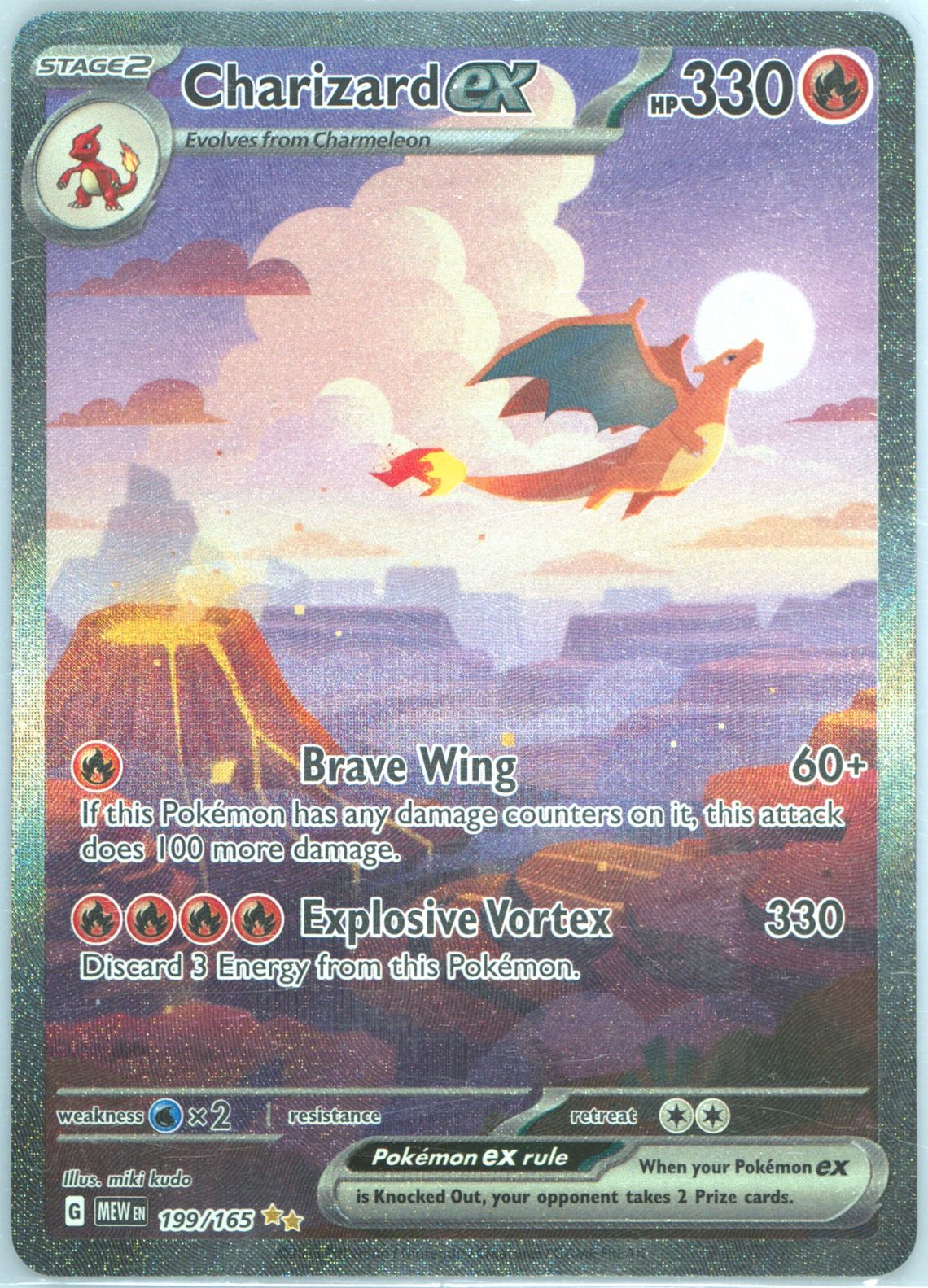
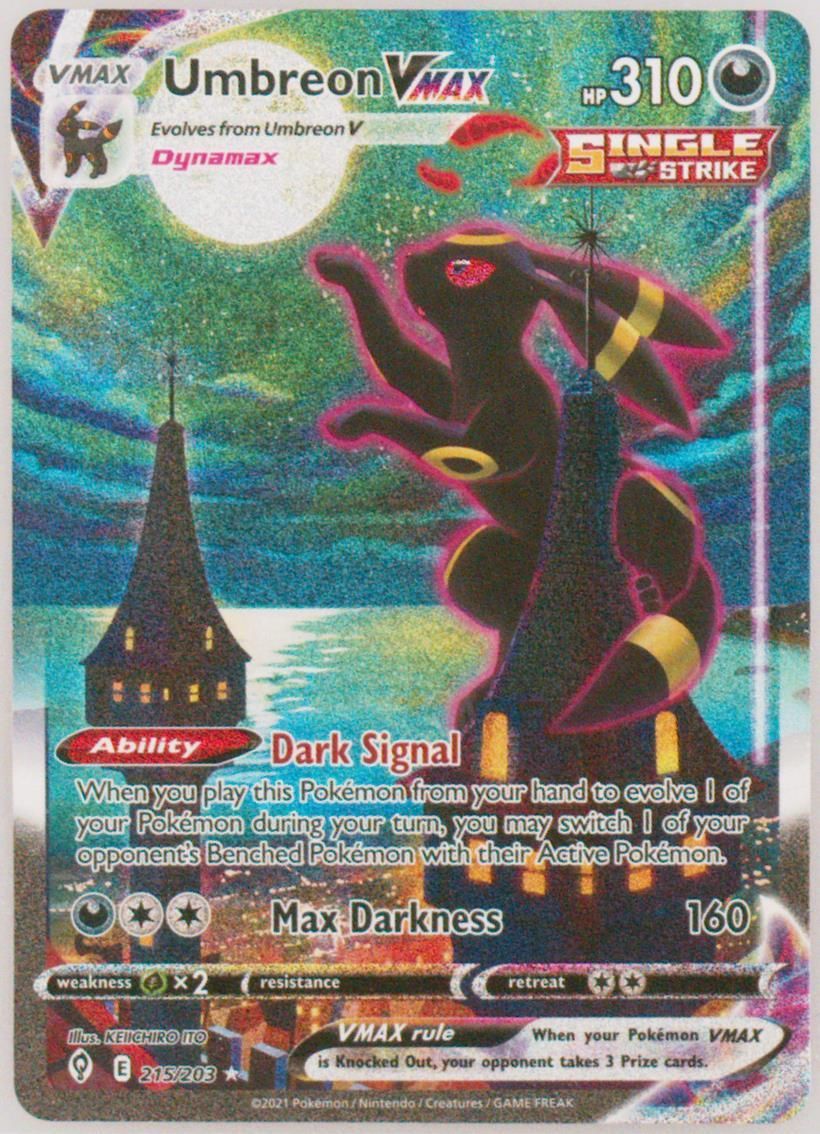
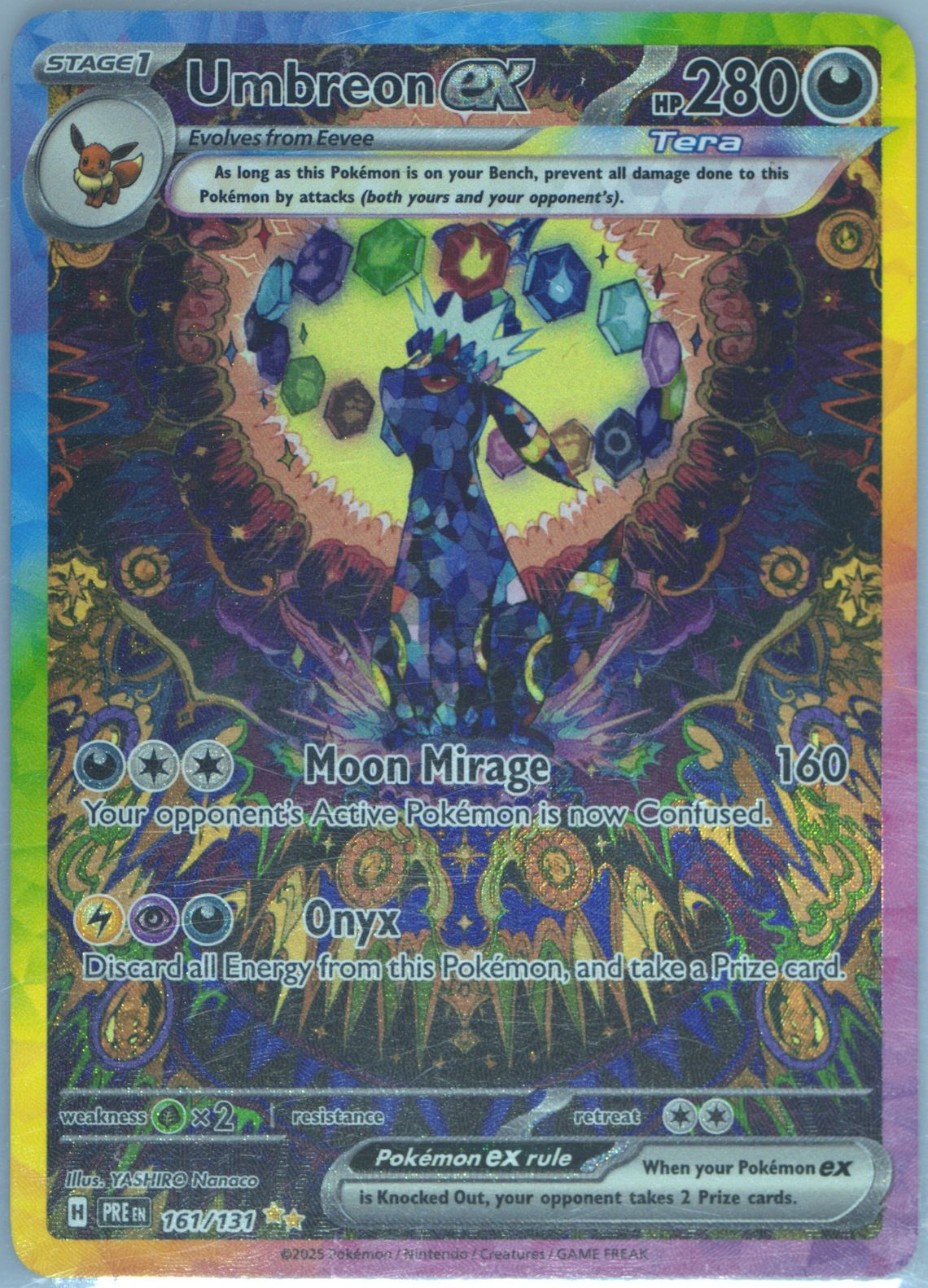
Modern chase cards (PSA 10 Umbreon VMAX Alt Art, etc.): These sell well everywhere because demand is broad and active. Misprint and eBay are both excellent choices. The bid system on Misprint is particularly effective for modern chase cards because there are enough buyers that bids come in quickly.
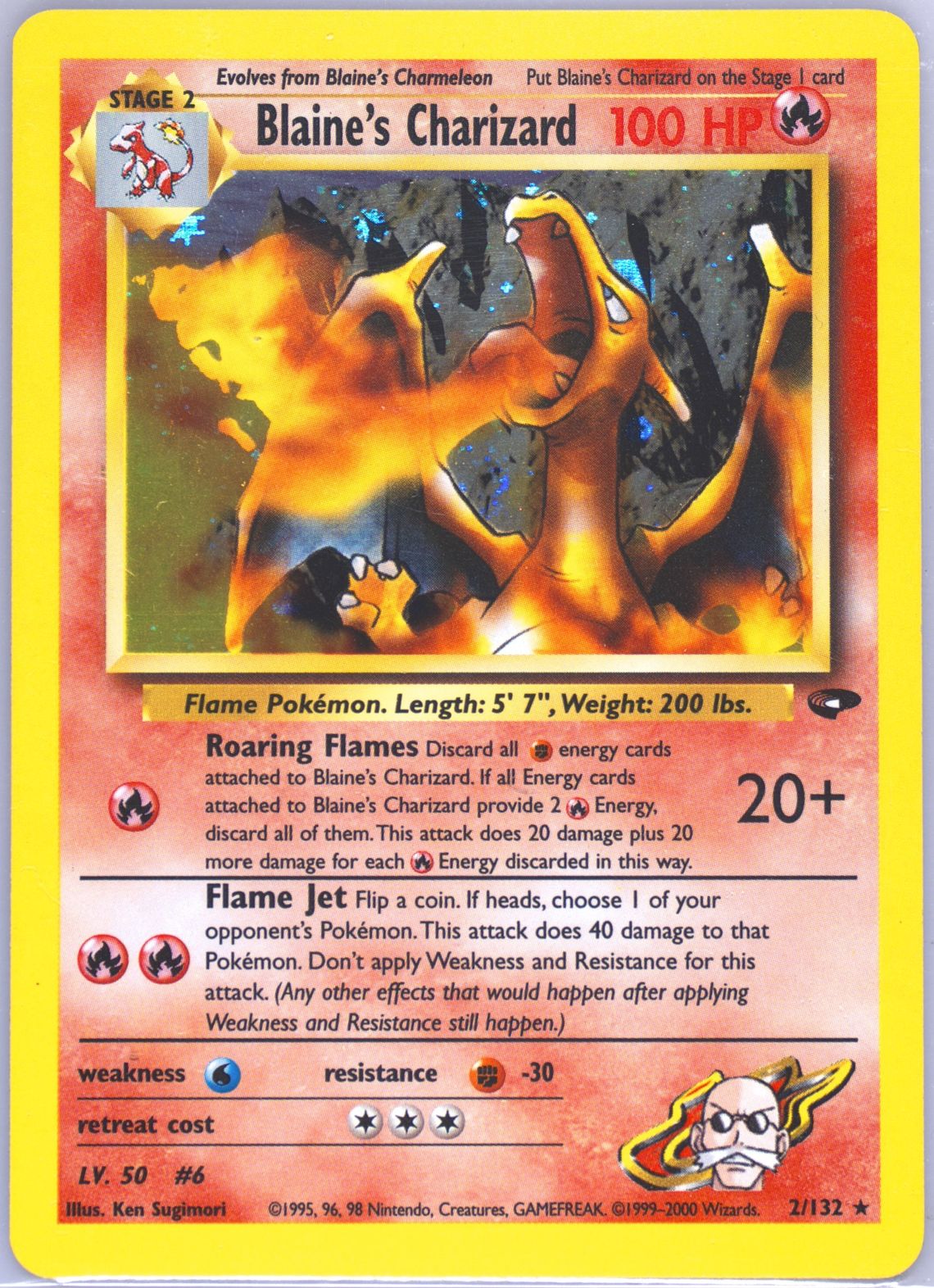
Vintage WotC holos (Base Set, Jungle, Fossil, Team Rocket, Gym): eBay auctions tend to produce the best results for these because the nostalgia buyer pool is massive on eBay. PWCC is also excellent for vintage, as their auction events specifically attract vintage collectors. A 1st Edition Dark Charizard or 1st Edition Blaine's Charizard will attract serious attention at auction.
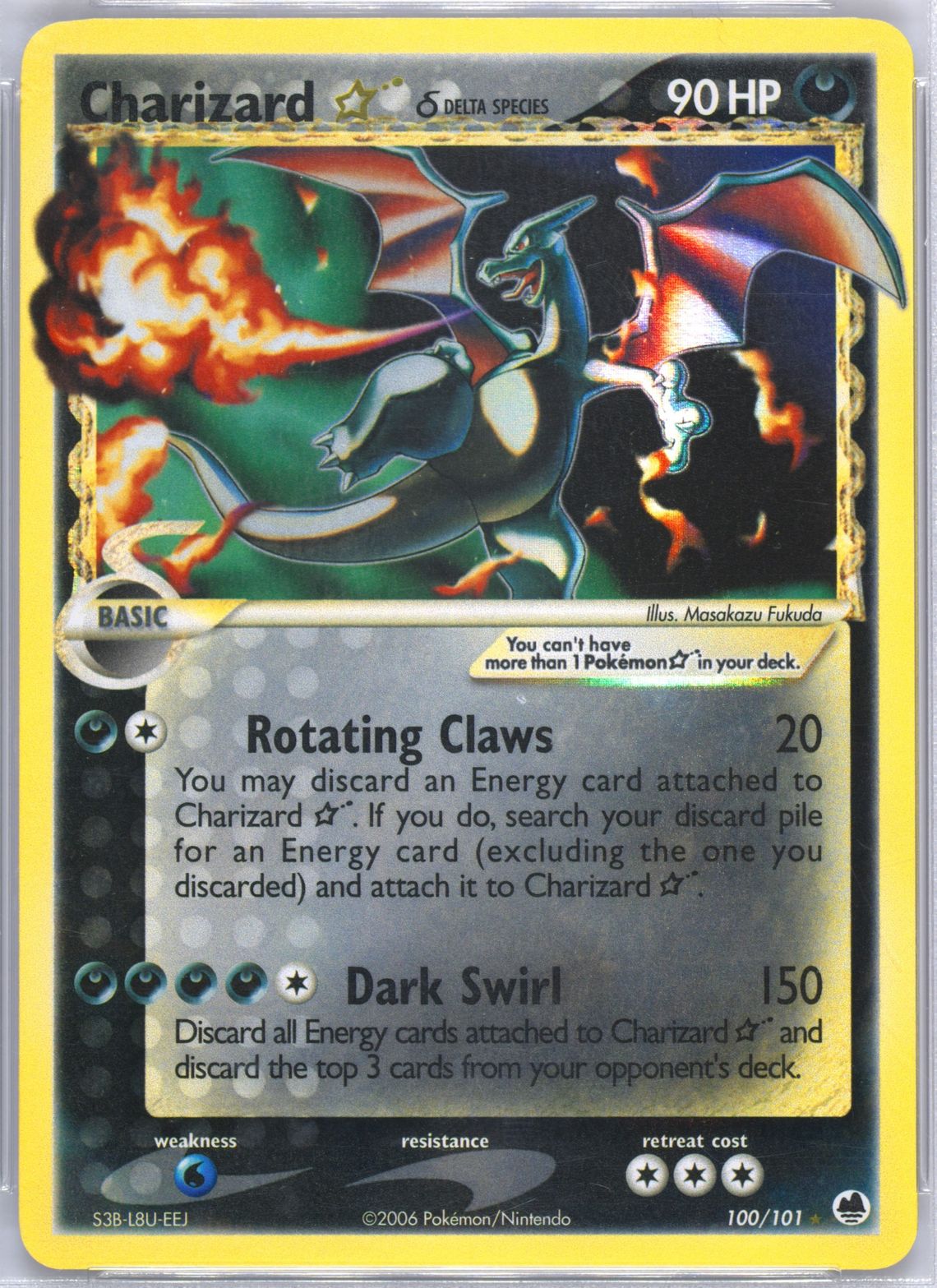
Gold Stars and e-Series cards: These are niche enough that maximum exposure matters. eBay or PWCC for the broadest reach. A Charizard Gold Star in high grade is going to attract bidding war energy on any platform, but you want it in front of the most eyes possible.
Modern SIRs and alt arts in PSA 10: Misprint is arguably the best platform for these specifically. The buyer pool for modern graded Pokémon is exactly the demographic on Misprint, the market data helps both parties agree on price, and the 7% platform fee (about 10% all-in with payment processing) is among the most competitive for a full-service marketplace.
Sealed product (vintage booster packs, booster boxes): eBay or auction houses. The sealed vintage market attracts crossover collectors from other hobbies, and those buyers tend to shop on eBay and at auction houses rather than specialized card marketplaces.
Timing Your Sale
For high-end cards, when you sell matters almost as much as where.
YouTube and content creator hype cycles drive short-term price spikes. If a major Pokémon YouTuber opens a card on camera, similar cards see price increases for days or weeks. If you're sitting on a card that gets featured, that's your window.
Set release cycles affect modern cards. The value of a modern chase card typically peaks 2-4 weeks after release, dips as supply increases, then stabilizes or rises slowly over time. If you're selling a recent pull, sooner is usually better.
Auction timing matters on eBay. Auctions ending on Sunday evenings consistently get more bids than those ending at other times. For high-end cards, set a 7-day auction ending at 7-9 PM Eastern on Sunday.
Seasonal patterns exist. The Pokémon card market tends to be hottest in late fall (November-December, driven by holiday gifting) and late winter (January-February, post-holiday collecting). Summer tends to be slower for high-end sales.
Our Final Recommendations
If we were selling a high-end Pokémon card today, here's exactly what we'd do:
$500-$2,000: List on Misprint with a competitive asking price. Cross-list on eBay as a Buy It Now with Best Offer. Take the first acceptable offer from either platform. If it hasn't sold in 2 weeks, consider an eBay auction. For more perspective on where to sell in this range, check out where to sell Pokémon cards in 2026.
$2,000-$10,000: List on Misprint and eBay simultaneously. If the card is a desirable vintage piece or a popular PSA 10, also consider PWCC. The extra exposure from an auction house is worth the commission at this price point. Give marketplace listings 2-3 weeks before pivoting to auction.
$10,000+: Consult with PWCC or Goldin about consignment. Get a feel for their estimated sale price and timeline. If their estimate aligns with your expectations, consign. If you're impatient or disagree with their estimate, list on Misprint and eBay — but make sure your listing is professional (great photos, detailed description, cert number prominently displayed).
Whatever you do, don't rush a high-end sale. A $5,000 card will find a buyer. The question is whether that buyer pays $4,500 or $5,500, and that difference comes down to platform, timing, and patience. Your card has already proven it's valuable. Give it the selling process it deserves.