Is Sealed Pokemon Product a Good Investment in 2026?
The honest answer involves a lot of patience and a little math.
By Misprint Editorial | Published Mar 20, 2026 | 11 min read
Everyone remembers the guy who held onto a Base Set booster box. Nobody talks about the guy who held onto a Steam Siege box for seven years and broke even.
Sealed Pokemon product as an investment has a seductive pitch: buy a box, put it on a shelf, wait a few years, sell it for more than you paid. The pitch is backed by some genuinely impressive historical data points — Base Set boxes at $400,000+, Evolving Skies boxes tripling from retail, even certain ETBs doubling within two years. It's real. People have made real money doing this.
But the pitch leaves out a lot. It leaves out the boxes that never appreciated. It leaves out storage costs, opportunity cost, the risk of reprints, and the reality that past returns in a growing market don't guarantee future returns in a mature one. We're going to lay all of that out honestly, because if you're going to allocate real money to sealed Pokemon product, you deserve the full picture.
We wrote a broader article on whether Pokemon cards are a good investment in 2026 that covers singles, graded cards, and the market overall. This article focuses specifically on sealed product — booster boxes, ETBs, and collection boxes — and whether the math works in 2026.
The Bull Case: Historical Returns That Actually Happened
Let's start with what went right, because the success stories are real and they're what draws people to this market.
Base Set Booster Box (1999)
The ultimate case study. A 1st Edition Base Set booster box retailed for roughly $100 in 1999. In 2021, at the peak of the Pokemon boom, PSA-authenticated sealed boxes sold for $400,000+ at auction. Even unlimited Base Set boxes, which were printed in much larger quantities, have sold for $15,000–$25,000.
That's a 4,000x return on the 1st Edition box over 22 years, or roughly 43% annualized. Even the unlimited box — call it $100 to $20,000 — is a 200x return, about 27% annualized. These numbers crush the S&P 500, real estate, crypto, and basically any other asset class over the same period.

The catch: These returns required holding through decades of uncertainty, including long periods where nobody cared about old Pokemon cards. The person who held a Base Set box from 1999 to 2010 saw essentially zero appreciation. Then they saw modest gains through 2019. Then a supernova in 2020–2021. Patience meant measuring in decades, not months.
Evolving Skies Booster Box (2021)
A more recent and more relevant example. Evolving Skies booster boxes were available at $85–$120 during 2022 when the market cooled and the set was still in print. By March 2026, those boxes are trading at $260–$310.
If you bought at $100, that's roughly a 2.8x return in about three and a half years, or ~33% annualized. Buy at the lower end ($85) and you're looking at 3.3x. Not Base Set numbers, but genuinely impressive.
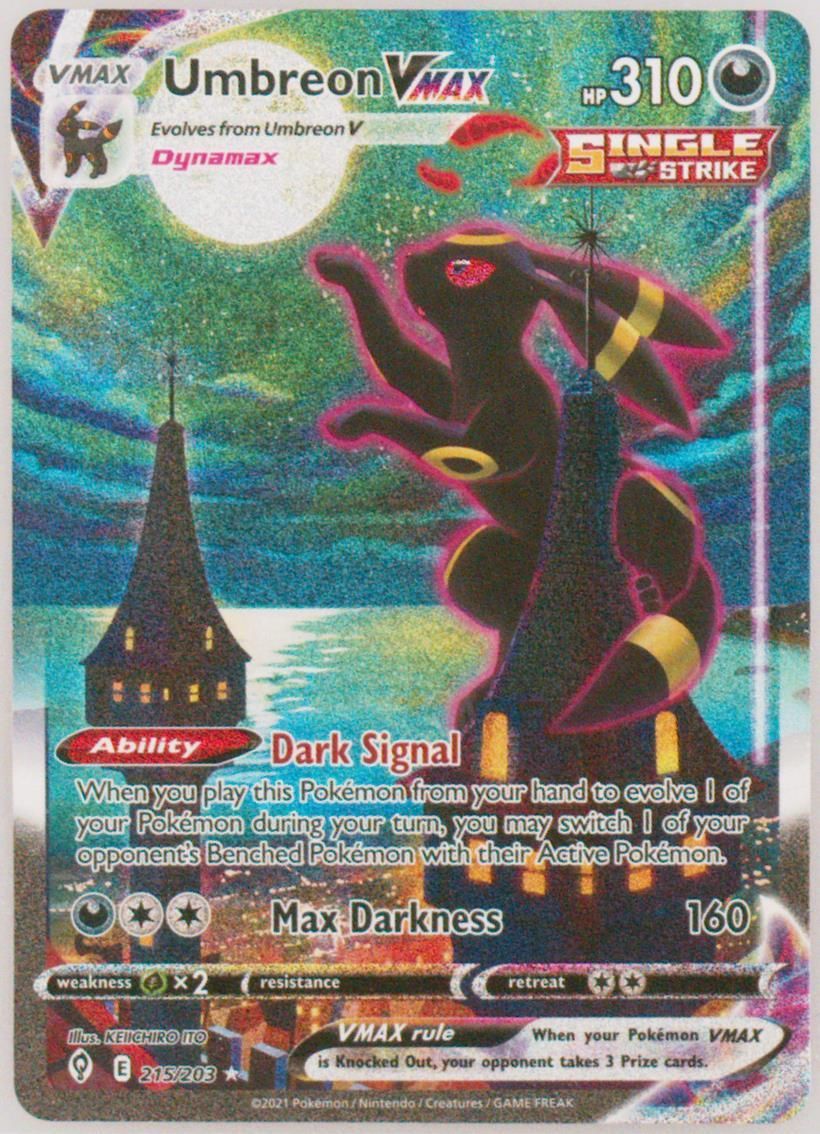
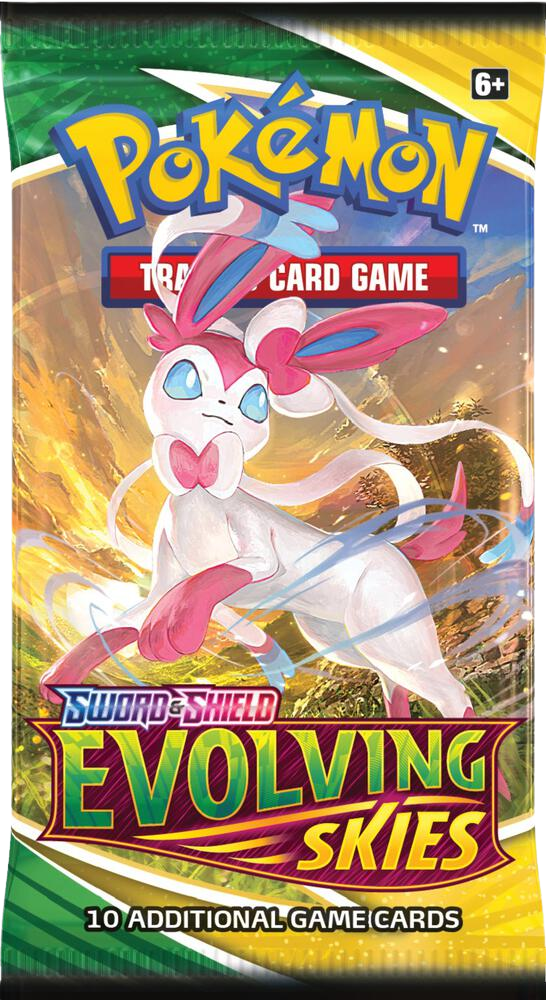
What made it work: Evolving Skies had the best chase card lineup in the Sword & Shield era (Eeveelution alt arts, especially the Umbreon VMAX Alt Art), it went out of print, and it wasn't reprinted. The fundamentals were strong and the market validated them. Our Evolving Skies price analysis covers the full trajectory.
Crown Zenith Booster Box (2023)
Crown Zenith boxes were available at $85–$95 at retail. As of March 2026, they're trading at $160–$190. That's roughly a 1.8–2.0x return in three years, or about 24–26% annualized.
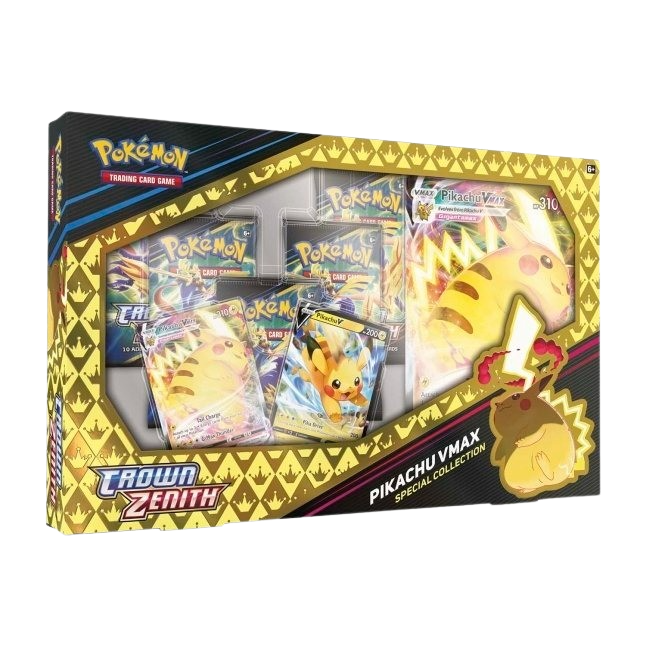
What made it work: Special set with a smaller print run, the Galarian Gallery subset provided chase card depth, and it went out of print relatively quickly. A textbook sealed product appreciation story.
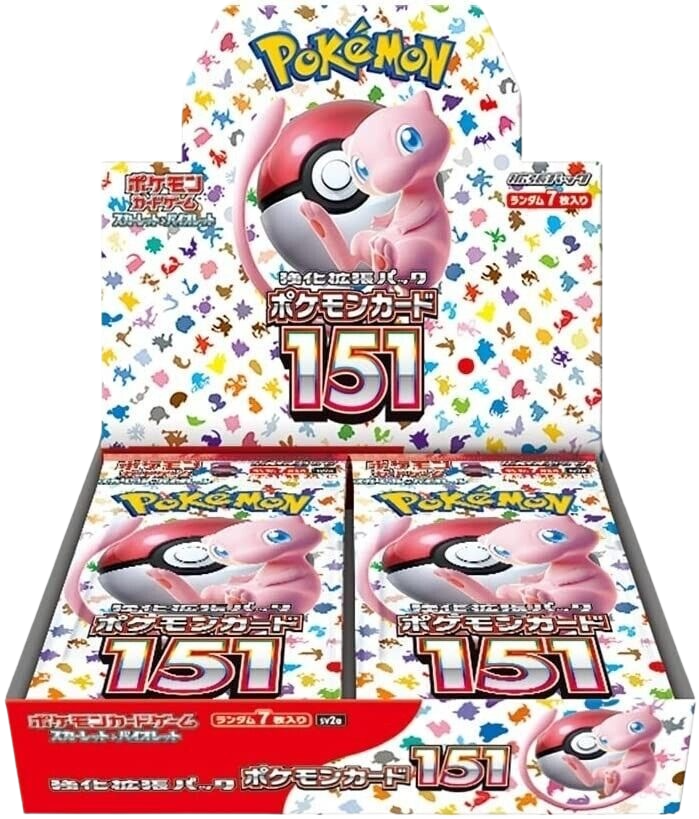
Pokemon 151 Japanese Booster Box
Japanese 151 boxes were available at $55–$65 at release. They've climbed to $100–$130 as the set's quality and the nostalgia for the original 151 Pokemon drove collector demand. A 1.7–2.0x return in roughly two and a half years.
The Bear Case: What Nobody Posts About on Reddit
For every Evolving Skies success story, there are sets that went nowhere. Nobody makes hype posts about these, but they're just as important if you're trying to make investment decisions.
Battle Styles Booster Box (2021)
Released around the same time as some of the Sword & Shield era's best sets, Battle Styles had a weak chase card lineup and an uninspiring set design. Boxes were available at $90–$100 at retail. In March 2026 — five years later — they're trading at $110–$130. That's roughly 1.2–1.3x over five years, or about 5% annualized. The S&P 500 averaged about 10% annually over the same period. You'd have been better off in an index fund.
Fusion Strike Booster Box (2021)
Fusion Strike is the poster child for "big print run, mediocre chase cards." Boxes were available below MSRP for over a year after release, sometimes as low as $80. In March 2026, they're at $105–$125. The return, if you bought at $90, is about 1.3x over four years — roughly 7% annualized. Again, underperforming basic index fund investing.
Chilling Reign Booster Box (2021)
Slightly better than Battle Styles and Fusion Strike, but not by much. Boxes available at $90–$100 are now $125–$145. The alt arts in Chilling Reign are decent (Blaziken VMAX, Galarian Articuno V), but they don't have the cultural cachet of Evolving Skies. Returns of 1.4–1.5x over four and a half years work out to about 9–10% annualized — roughly matching the stock market, with far more risk and zero liquidity advantages.
The Pattern
The pattern is clear: not all sealed product appreciates meaningfully. The winners (Evolving Skies, Crown Zenith, Base Set) share specific characteristics — exceptional chase cards, limited/ended print runs, and cultural significance. The losers have mediocre chase cards and/or massive print runs. Being able to tell the difference before buying is the entire game.
The Math: Sealed Product vs. Other Investments
Let's do some honest comparisons. Assume you have $1,000 to invest in January 2022 and you're evaluating it in March 2026.
Scenario 1: S&P 500 Index Fund
$1,000 invested in an S&P 500 index fund in January 2022 would be worth approximately $1,450–$1,550 in March 2026, depending on exact timing. Call it a 1.5x return, or about 11% annualized. Completely passive, highly liquid, zero storage concerns, and tax-advantaged if held in a retirement account.
Scenario 2: Evolving Skies Booster Boxes
$1,000 buys roughly 10–11 booster boxes at $90–$100 each in early 2022. In March 2026, those boxes are worth $260–$310 each, totaling $2,600–$3,400. Call it a 3.0x return, or about 33% annualized. But subtract eBay/marketplace fees (12–15%), shipping costs, and the value of your time listing and selling. Net return is closer to 2.5x after friction costs.
Still beats the index fund handily. But you had to pick the right set, store boxes properly, and accept illiquidity for four years.
Scenario 3: Battle Styles Booster Boxes
$1,000 buys roughly 10–11 boxes at $90–$100 each. In March 2026, those boxes are worth $110–$130 each, totaling $1,100–$1,430. After selling fees and shipping, you're roughly breaking even. Four years of storage and illiquidity for approximately zero real return. The index fund wins by a mile.
Scenario 4: Bitcoin
$1,000 in Bitcoin in January 2022 (at roughly $43,000/BTC) would be worth approximately $2,000–$2,500 in March 2026, depending on exact timing. Higher volatility than both sealed product and index funds, but similar-to-better returns than "average" sealed product picks.
The Takeaway From the Math
Sealed Pokemon product can beat traditional investments, but only if you pick winners. Average sealed product — the median set, the typical box — roughly matches or underperforms the stock market after accounting for friction costs. The asset class as a whole isn't a magic money machine. It's a high-dispersion bet where the best picks dramatically outperform and the worst picks dramatically underperform, with the average landing somewhere around market returns.
The Risks Nobody Talks About
Reprint Risk
The Pokemon Company can, and does, reprint popular sets. When they do, it resets the supply clock and can crush sealed product prices overnight. In 2023, the announcement of Evolving Skies reprints (which ultimately proved to be limited) temporarily knocked 15–20% off booster box prices. The reprints turned out to be small, and prices recovered. But the next time might be different.
You have zero control over this. TPC makes printing decisions based on their own business goals, and they're under no obligation to protect the sealed product aftermarket. Any sealed product investment carries the risk that additional supply could appear at any time while a set is technically still in its print window.
Print Run Inflation
The Pokemon Company has massively increased print runs for Scarlet & Violet era sets compared to Sword & Shield. The practical impact: modern sealed product has to draw down a much larger supply base before scarcity kicks in. Sets that took two years to appreciate in the Sword & Shield era might take four or five years in the Scarlet & Violet era, if they appreciate at all.
This is the single biggest structural headwind for sealed product investment in 2026. The era of "buy any box at retail and it'll double in two years" — if that era ever truly existed — is definitively over. For a deeper look at what's driving modern price movements, see our 2026 price trends analysis.
Storage Costs and Damage
Sealed product needs to be stored properly: climate controlled, away from sunlight, protected from moisture and pests. If you're stashing a few boxes in a closet, the cost is negligible. If you're accumulating dozens or hundreds of units, you might need dedicated storage space — and that costs money.
More importantly, damaged sealed product loses significant value. A ding on the box corner, a tear in the shrink wrap, or a crushed edge can reduce value by 20–40%. We have a guide on how to store and protect Pokemon cards that covers sealed product storage, and it's worth reading before you start accumulating.
Liquidity
Selling sealed product isn't like selling a stock. You can't press a button and have cash in your account by the end of the day. Selling a booster box means listing it on eBay, a marketplace, or a local sale. It means dealing with fees (typically 12–15% on eBay), shipping costs, and the risk of returns/disputes. It means your money is locked up until a buyer appears and the transaction closes.
For a $300 Evolving Skies box sold on eBay, you're looking at roughly $36–$45 in fees, $10–$15 in shipping materials and postage, and 3–7 days until the money hits your account. That friction matters, especially if you need cash quickly.
Opportunity Cost
This is the big one that sealed product enthusiasts tend to undercount. Every dollar locked up in a booster box on your shelf is a dollar that isn't invested in the stock market, paying down debt, or earning interest. At current rates, even a basic high-yield savings account pays 4–5% annually with zero risk and instant liquidity.
A sealed product investment needs to return more than what your money would have earned in a passive, liquid investment — and it needs to earn enough more to compensate for the additional risk, illiquidity, and friction costs. Many sealed products don't clear that bar.
What Makes Sealed Product Appreciate in 2026
Given everything above, here's what we look for when evaluating sealed product for investment potential.
Chase Card Quality (Most Important)
The sealed product that appreciates most is the product people want to open in the future. That means the chase cards need to be genuinely exceptional — not just good, but iconic. Cards that become the defining chase cards of their generation, that people reference and seek out years after release.
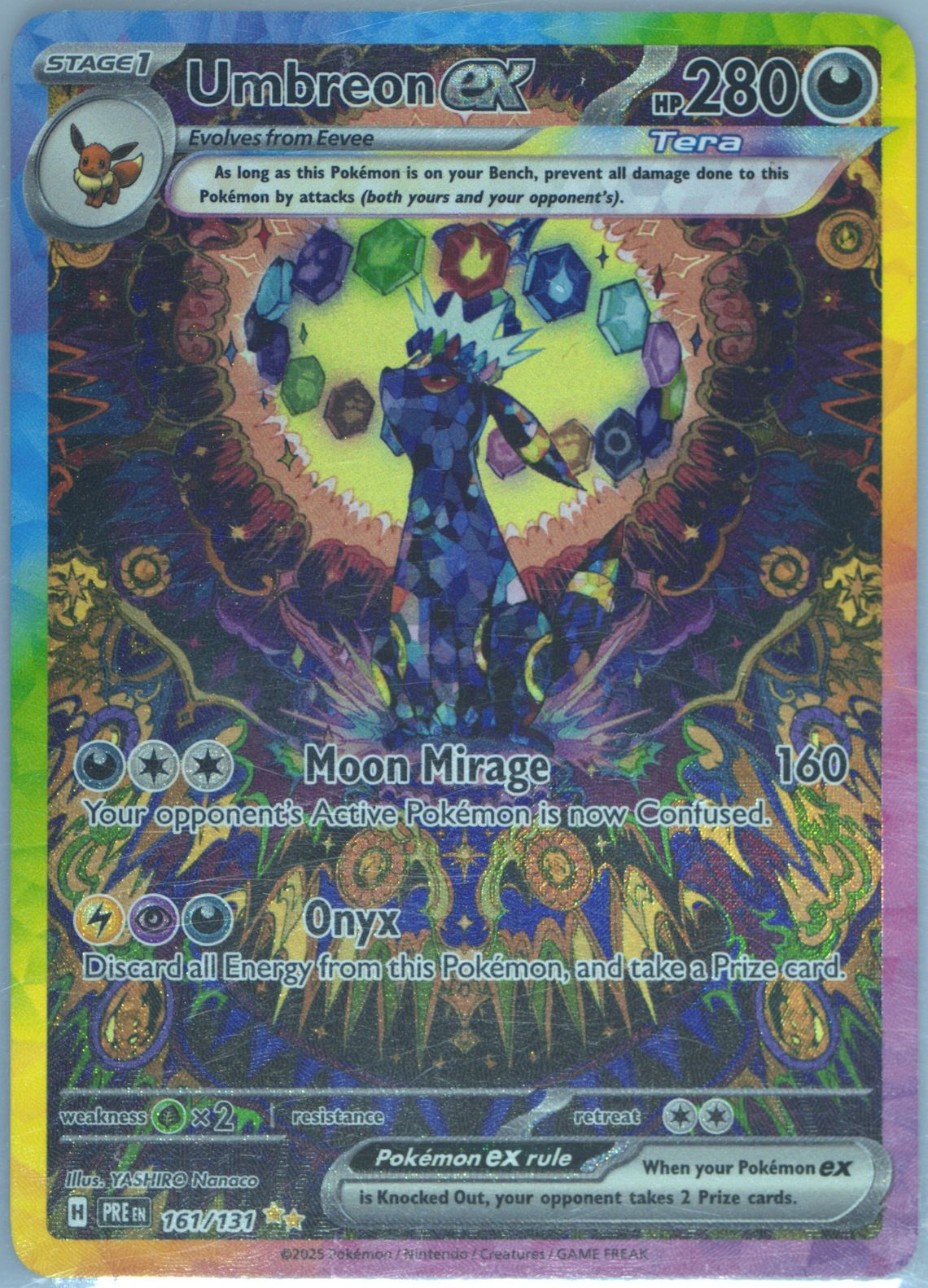
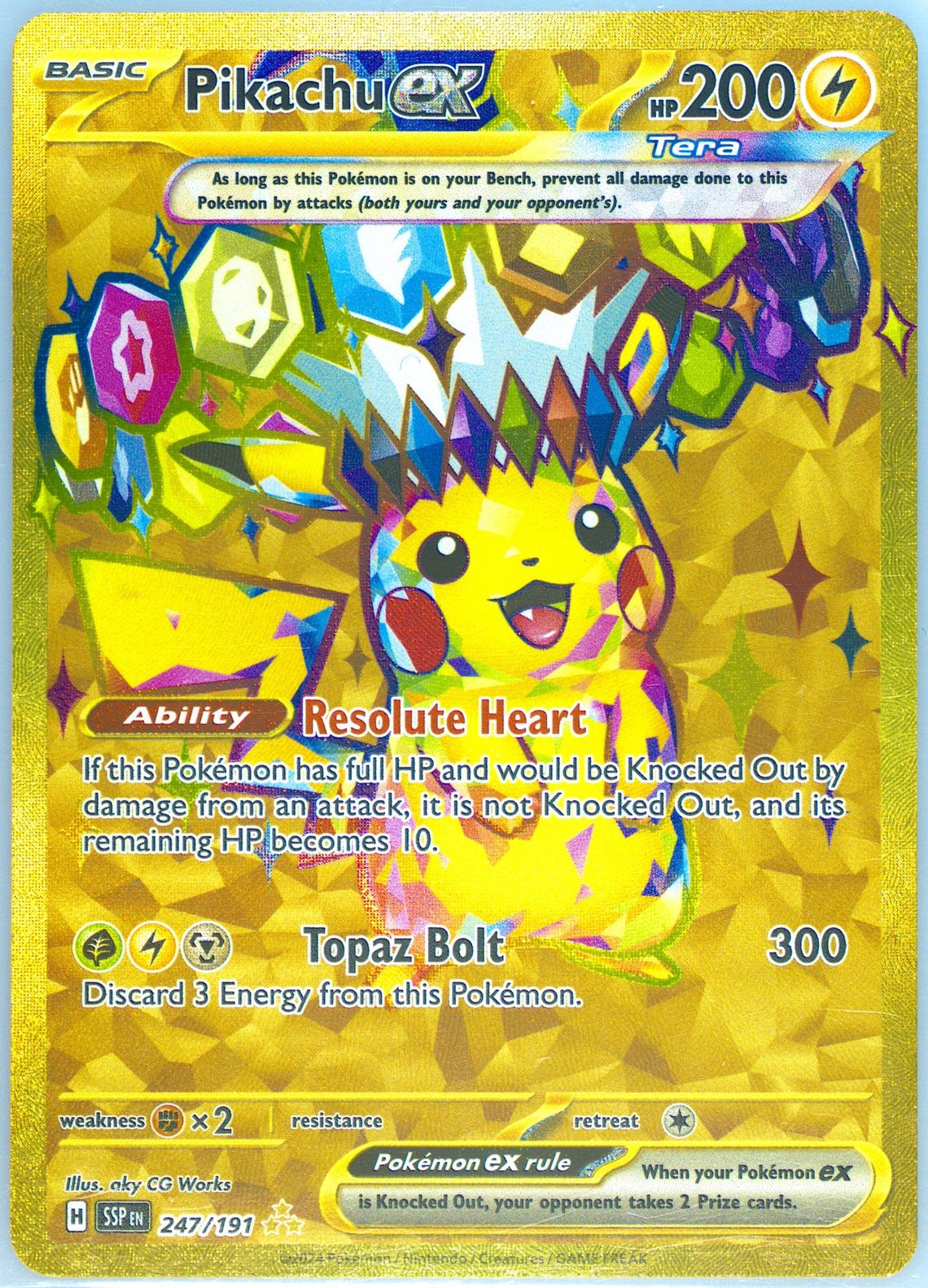
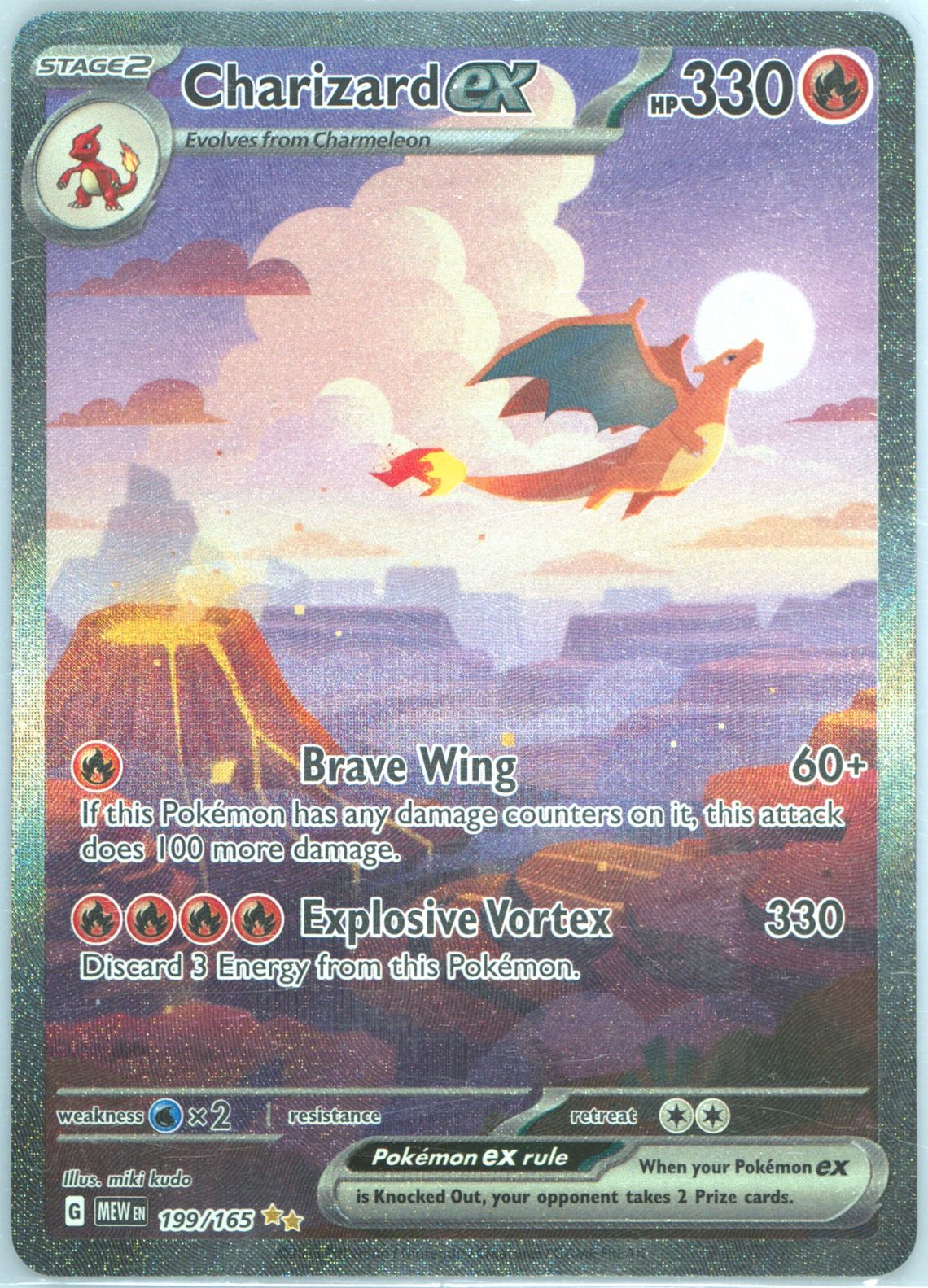
Evolving Skies has the Eeveelution alt arts. Prismatic Evolutions has the Eeveelution SIRs. Surging Sparks has the Pikachu ex Hyper Rare. These are the kinds of chase cards that sustain sealed product demand over years.
Print Run (Second Most Important)
Smaller print runs mean faster supply drawdown and earlier appreciation. Special sets, Pokemon Center exclusives, and promotional products inherently have smaller runs than mainline expansions. In 2026, with TPC printing mainline Scarlet & Violet sets in massive quantities, products with naturally limited print runs have a significant advantage.
Out-of-Print Status (The Catalyst)
A product needs to be out of print — or very close to it — before meaningful appreciation begins. Buying in-print product for investment is essentially a bet that (a) it will eventually go out of print and (b) the market will value it at that point. It can work, but it's a longer and riskier hold than buying something already out of print.
Cultural Significance
Some sets transcend their card contents and become culturally significant. Base Set defined a generation. Evolving Skies became the benchmark for alt art quality. Pokemon 151 tapped into original nostalgia. These sets develop a gravity that pulls in buyers who might not care about individual card prices but want to own a piece of Pokemon history.
Our Honest Assessment: Should You Invest in Sealed Product in 2026?
Here's what we actually think, without the cheerleading or the doom-and-gloom.
Yes, if:
- You're already a Pokemon collector and understand the market
- You can identify the characteristics that make specific products appreciate
- You have money you genuinely don't need for 3–5+ years
- You have proper storage
- You're buying products with proven fundamentals (out of print, strong chase cards, limited print runs)
- You treat it as a small allocation alongside traditional investments, not your primary investment strategy
No, if:
- You're buying sealed product as a replacement for retirement savings or diversified investing
- You're planning to flip within months for quick profit
- You don't understand what makes one set different from another
- You can't afford to lose the money (sealed product is not risk-free)
- You're buying based on YouTube hype or Reddit speculation rather than your own analysis
- You're buying random current-print product and hoping it'll all go up
The uncomfortable truth: The golden era of sealed product investment — the period from 2020 to 2024 where nearly everything appreciated — was driven by a confluence of factors (pandemic boredom, stimulus checks, social media hype, genuine supply constraints) that won't repeat in the same way. The market has matured. Returns going forward will be more modest, more selective, and require more patience than what we saw in the boom years.
Specific Products We'd Consider Buying Today
If we were allocating money to sealed product in March 2026, here's where we'd look:
Strong Conviction
- Evolving Skies Pokemon Center ETB ($160–$200): The best combination of scarcity, chase card quality, and proven demand. The entry price is elevated, but the ceiling is high and the floor feels solid.
- Crown Zenith Booster Box ($160–$190): Underpriced relative to its fundamentals. Out of print, smaller print run, strong chase card depth. We think these will look cheap in two years.
Moderate Conviction
- Prismatic Evolutions at MSRP ($130–$140): If you can buy at retail, the risk-reward is favorable. The Eeveelution theme is proven, and the chase cards are exceptional. The risk is continued printing.
- Sun & Moon era booster boxes ($120–$200): The nostalgia cycle is starting. Team Up and Cosmic Eclipse are the best positioned, but the whole era should benefit.
Speculative
- Japanese 151 booster boxes ($100–$130): Interesting play on the original Pokemon nostalgia and the growing acceptance of Japanese product in Western markets.
- Journey Together at MSRP: Brand new set, so this is entirely a bet on future out-of-print status and set quality holding up. Only buy if the chase cards prove out.
For a full breakdown of current picks, see our best booster boxes to buy in 2026 guide.
Final Thoughts
Sealed Pokemon product can be a legitimate part of an investment portfolio, but it requires the same discipline as any other investment: clear criteria, honest risk assessment, patience, and the humility to acknowledge that not every pick will be a winner.
The people who've done well with sealed product investment share two traits. First, they picked products based on fundamentals — chase card quality, print run scarcity, set significance — rather than hype. Second, they held through boring periods where nothing seemed to be happening, trusting the process.
If you can do both of those things, there's real opportunity in sealed Pokemon product in 2026. Just don't bet the farm, and don't expect every box to be the next Evolving Skies. Most of them won't be. The ones that are will make the patience worthwhile.