Pokemon Card Price Trends: What is Going Up in 2026
Not everything is down. Here is what is actually gaining value.
By Misprint Editorial | Published Mar 3, 2026 | 15 min read

The market narrative says everything is declining. The data says otherwise.
There's a prevailing narrative in the Pokemon card community right now that "the market is dead" or "everything is crashing." We get it. A lot of cards have dropped in value since the COVID-era highs, and that decline feels scary if you bought at the peak. But the narrative that everything is going down is simply not true.
While parts of the market have corrected — and we covered the reasons for that in our analysis of why Pokemon card prices are dropping — there are entire categories of Pokemon cards that are trending upward right now. Some of them are trending up significantly. If you're only looking at the cards that have declined, you're missing real opportunities.
We track prices across thousands of Pokemon cards on Misprint every day, and the trends are more nuanced and more interesting than the doom-and-gloom narrative suggests. This article breaks down exactly what's going up, why it's going up, what the sleeper picks might be for the rest of 2026, and how to spot emerging trends before the broader market catches on.
Category 1: Japanese Exclusive Promos
This is the single strongest category in the Pokemon card market right now, and it's not particularly close. Japanese exclusive promotional cards — cards that were only available through Pokemon Centers, events, tournaments, and other limited distribution channels in Japan — have been on a sustained upward trajectory for the past two years.
Why Japanese Promos Are Rising
Genuine scarcity. Unlike set cards that are printed in the millions, many Japanese promos were produced in limited quantities and distributed through specific channels. A Pokemon Center birthday promo or a regional event card might have a total population of a few thousand copies worldwide. That's real scarcity, not manufactured hype.
Growing global awareness. Five years ago, most Western collectors didn't know Japanese exclusive promos existed. Today, thanks to social media, YouTube, and international selling platforms, these cards have a global audience. Demand has expanded dramatically while supply hasn't changed (and in many cases has decreased as cards end up in permanent collections).
Cultural connection. Japanese promos often feature unique artwork, special texturing, and designs that don't exist in any other form. They're not reprints or variants — they're genuinely unique collectibles with their own identity.
Underpriced relative to English equivalents. Many Japanese promos with similar or even lower populations than iconic English cards are still priced at a fraction of their English counterparts. As the market recognizes this discrepancy, prices are adjusting upward.
Specific Categories Trending Up
Pokemon Center exclusive promos: Cards distributed exclusively through Japanese Pokemon Centers, often tied to seasonal events, holidays, or new store openings. Many of these feature exclusive artwork not available anywhere else. Prices for desirable Pokemon Center promos from 2018-2023 have increased 30-100%+ over the past year.
Tournament and event prizes: Japanese tournament prize cards, while always valuable, have seen renewed interest as the competitive Pokemon TCG community grows globally. Cards like the Kanazawa Pikachu promo and various regional event promos have appreciated significantly.
Magazine insert promos: Cards included with Japanese publications like CoroCoro Magazine are produced in limited quantities and are becoming increasingly sought after, especially older issues from the WOTC era and early DP era.
Movie distribution promos: Cards handed out at Japanese Pokemon movie screenings are limited by the distribution window (typically a few weeks) and the number of attendees. Older movie promos from the 2000s and 2010s have seen particularly strong appreciation.
What to Look For
If you're interested in Japanese promos, focus on:
- Cards with confirmed low print runs or limited distribution windows
- Promos featuring popular Pokemon (Pikachu, Eeveelutions, Charizard)
- Cards with unique artwork not replicated in any set
- Older promos (2005-2018) that haven't yet been "discovered" by the broader market
Category 2: Sealed Vintage Product
Sealed vintage Pokemon product — unopened booster packs, booster boxes, theme decks, and blister packs from the WOTC era and early ex era — continues to be one of the most reliable appreciating categories in the entire Pokemon card market.
Why Sealed Vintage Keeps Rising
Permanent supply reduction. Every time someone opens a sealed vintage pack or box, the total supply of sealed product decreases permanently. This is a one-way ratchet that continuously tightens supply.
Dual appeal. Sealed vintage product appeals to both collectors (who want to own a piece of history) and content creators (who open them for YouTube/Twitch content). The content creator market has added a demand channel that didn't exist a decade ago, and high-profile openings regularly make sealed product go viral.
Institutional interest. As Pokemon cards have become recognized as an alternative asset class, sealed vintage product has attracted interest from serious investors and even investment funds. This institutional capital supports prices at levels that pure collector demand might not.
Emotional resonance. There's something uniquely powerful about holding a sealed Pokemon booster pack from 1999. It's a time capsule. It's a direct physical connection to a specific moment in cultural history. That emotional power translates into willingness to pay premium prices.
Current Trends
Base Set booster packs (all variants): Unlimited, 1st Edition, Shadowless — all sealed Base Set packs continue to command strong prices with positive trends. First Edition packs are in their own stratosphere, but even Unlimited packs have seen steady appreciation.
Jungle and Fossil booster packs: Often overshadowed by Base Set, sealed Jungle and Fossil packs have been quietly appreciating as collectors seeking sealed WOTC product find Base Set increasingly out of reach.
Theme decks from WOTC era: Sealed theme decks (Brushfire, Overgrowth, Zap!, etc.) are an underappreciated category. They're more affordable than individual booster packs for the same era and appeal to collectors who want sealed product without spending thousands.
Early ex era sealed product (2003-2007): Ruby & Sapphire, FireRed & LeafGreen, and other early ex era sealed products have started gaining momentum. These are the next "vintage" frontier as collectors begin to view the ex era with the same reverence previously reserved for WOTC.
Japanese vintage sealed: Sealed Japanese booster boxes from sets like Team Rocket, Gym Heroes/Challenge equivalents, and Neo series have seen particularly strong appreciation as global demand for Japanese cards grows.
Price Trajectory
Sealed vintage product has shown a remarkably consistent upward trend even through the broader market correction. While prices for individual cards have declined in many categories, sealed vintage has been largely unaffected. This resilience reinforces its reputation as the "safest" category in Pokemon card investing, though nothing is truly risk-free.
Category 3: High-Grade WOTC Holos
While mid-grade vintage cards (PSA 6-8) have softened, high-grade WOTC holographic cards — specifically PSA 9 and PSA 10 — have held their value remarkably well and are showing signs of renewed appreciation for certain cards.
Why High-Grade Vintage Is Resilient
Fixed supply ceiling. The number of PSA 10 Base Set Charizards will never significantly increase. Most surviving copies in mint condition have already been graded, and new discoveries are rare. The pop report for these cards is approaching a natural maximum, which means supply is essentially fixed.
Collector base keeps growing. New collectors enter the Pokemon hobby every year, and many of them eventually graduate to wanting high-grade vintage cards. The demand side of the equation keeps growing even though supply is static.
Flight to quality. In uncertain markets, collectors and investors tend to concentrate on the highest quality, most recognizable items. A PSA 10 Base Set Charizard is the blue-chip of Pokemon cards. When people reduce their collections, the PSA 10 Charizard is the last thing they sell.
Specific Cards Trending Up
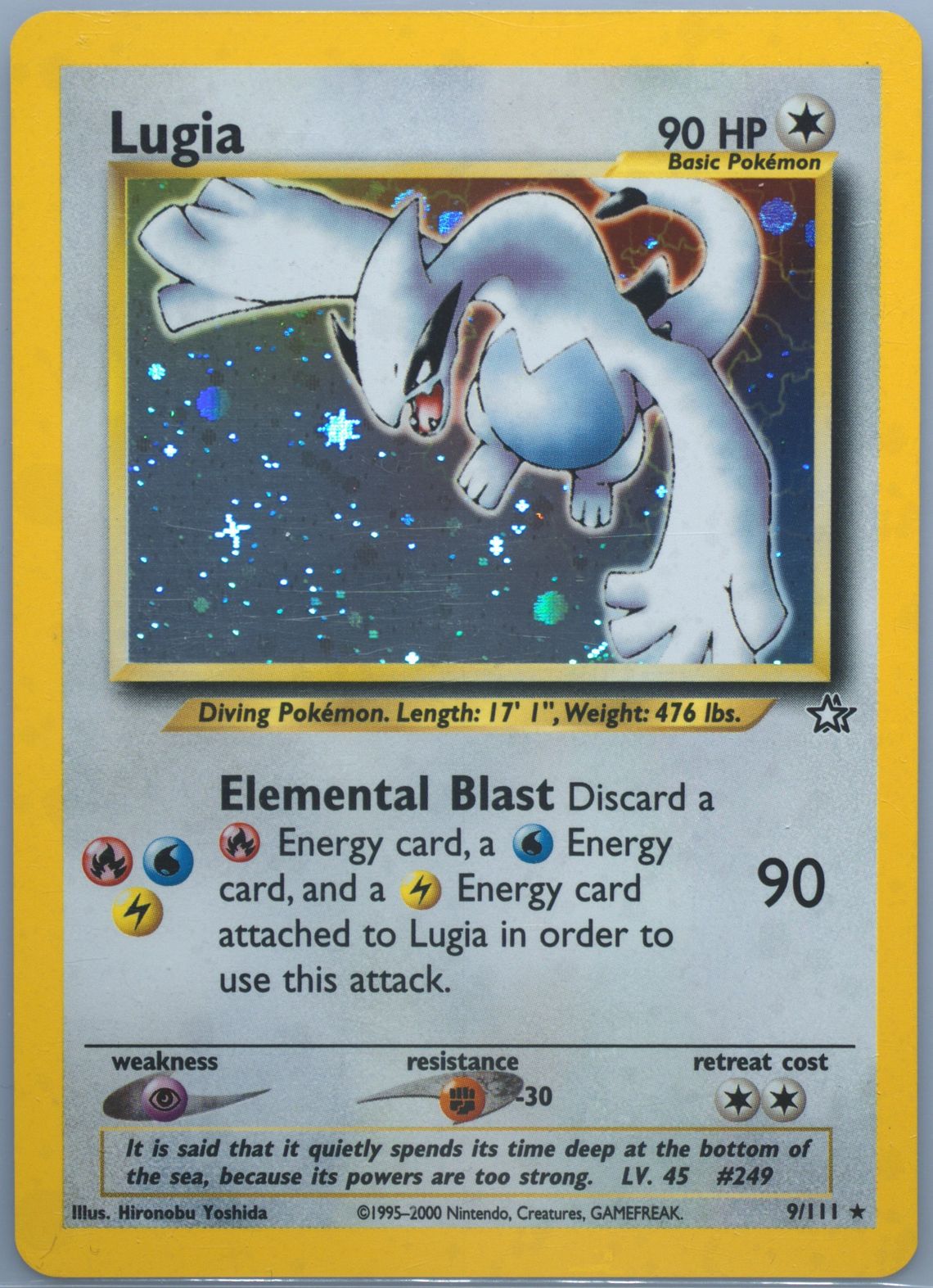
PSA 10 holos from underappreciated WOTC sets: While Base Set and 1st Edition get all the attention, PSA 10 holos from Gym Heroes, Gym Challenge, and the Neo series have been quietly appreciating. Cards like Gym Challenge Blaine's Charizard, Neo Genesis Lugia, and Neo Destiny Shining cards in PSA 10 have shown positive price trends despite the broader market softness.
PSA 9 vintage holos (as a value play): Some buyers have shifted from PSA 10 (which has gotten expensive) to PSA 9 as a value alternative. This increased demand for PSA 9 has supported prices in that grade even as the broader market has declined. Our PSA 10 vs PSA 9 analysis goes deeper on this dynamic.

Legendary Collection reverse holos: These holographic reverse prints from the 2002 Legendary Collection set have always been scarce in high grades, and prices have been trending upward as more collectors discover them. A PSA 10 Legendary Collection reverse holo Charizard is one of the most expensive Pokemon cards in existence for good reason — there are very few of them.
Category 4: Select Modern Special Illustration Rares
Not all modern cards are declining. Certain special illustration rares (SIRs) and alternate arts from specific modern sets have stabilized and are beginning to trend upward, even as the broader modern market remains soft.
Which Modern Cards Are Appreciating
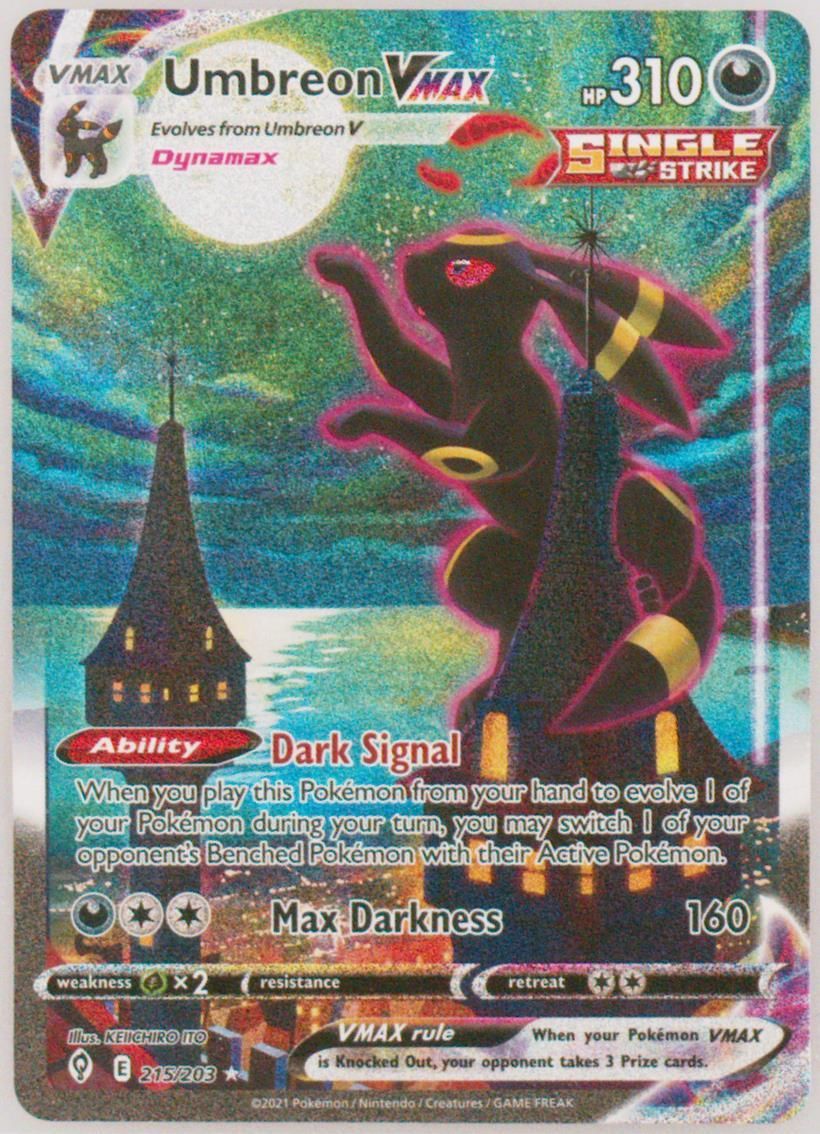
Evolving Skies alternate arts: The most desirable alternate art cards from Evolving Skies — particularly Umbreon VMAX, Rayquaza VMAX, and Dragonite V — have stabilized and in some cases begun appreciating. Evolving Skies is widely considered one of the greatest modern Pokemon sets, and the best cards from the set are being treated more like "modern vintage" than like typical modern cards.
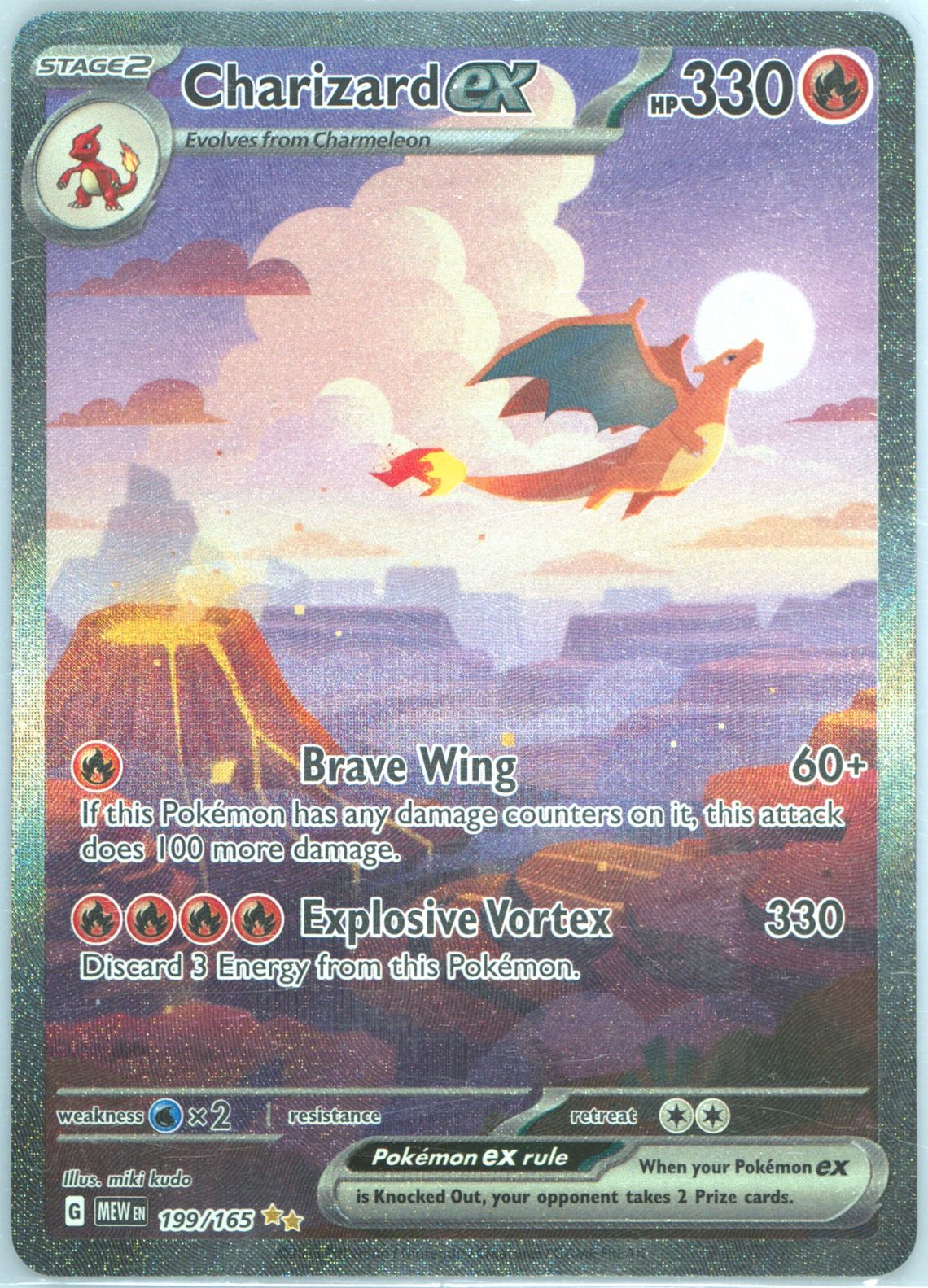
Pokemon 151 SARs: The special art rares from Pokemon 151, especially Charizard ex, Mewtwo ex, and Mew ex, have shown price resilience. The set's connection to the original 151 Pokemon gives it a nostalgia factor that most modern sets lack, and serious collectors view these cards as long-term holds.
Prismatic Evolutions SIRs: The top chase cards from Prismatic Evolutions — the Eeveelution special illustration rares — have maintained their value remarkably well despite the broader market decline. The set was enormously popular, but the chase cards are difficult to pull, creating genuine scarcity at the individual card level.
Why These Specific Cards Are Different
The modern cards that are holding or appreciating share common characteristics:
- They come from landmark sets. Not every modern set is created equal. Sets that define an era (Evolving Skies for VMAX, 151 for nostalgia, Prismatic Evolutions for SIR popularity) produce cards that collectors return to again and again.
- The artwork is exceptional. The cards that hold value have artwork that stands out as genuinely beautiful, not just rare. Collectors want to own and display these cards, which creates sustained demand beyond pure speculation.
- The Pokemon featured are iconic. Umbreon, Charizard, Rayquaza, Mew, the Eeveelutions — these are the characters that have the deepest emotional connection with the most collectors.
- Print run timing matters. Cards from sets that were printed before The Pokemon Company dramatically increased production runs are scarcer than cards from more recent sets. This gives them a supply advantage.
Category 5: Competitive Play Cards (A Surprising Gainer)
An often-overlooked category in collecting discussions is competitive play cards — cards that are strong in the current Pokemon TCG tournament meta. While collectors focus on art and rarity, competitive players create a separate demand channel that directly affects prices.
How Competitive Play Drives Prices
When a card becomes central to the competitive meta, every tournament player needs copies. For a card that's played as a 3-4 copy staple in a top-tier deck, the demand spike can be enormous:
- Regional championships require players to have the cards physically
- League play at local game stores creates steady ongoing demand
- Online content creators drive awareness of which cards are competitively important
- Format rotations can suddenly make previously irrelevant cards essential
Current Competitive Cards Trending Up
We won't list specific cards because the competitive meta shifts frequently, but the pattern is consistent: when a card becomes a meta staple, its price rises sharply, often 2-5x within weeks. Cards that appear across multiple top-performing decks are particularly affected.
Where to find this information: Follow competitive Pokemon TCG coverage through sites like Limitless TCG, which tracks tournament results and deck lists. When you see a card appearing consistently in winning decks, its price is likely already rising or about to.
The flip side: Competitive price spikes are often temporary. When a card rotates out of the format or gets power-crept by a new release, the price usually drops back down. This creates trading opportunities for people who pay attention, but it's not a "buy and hold" strategy.
Sleeper Picks for 2026
Based on our analysis of market trends, pop reports, and collecting patterns, here are categories and specific types of cards we think could see meaningful appreciation in the second half of 2026. These are not guarantees — this is our best assessment based on the data we see.
Early ex Era Cards (2003-2007)
The ex era is the next frontier of "vintage" Pokemon cards. Cards from Ruby & Sapphire through Power Keepers are now 20+ years old, and the best cards from this era — Gold Stars, ex ultra rares, and especially the delta species variants — are becoming increasingly recognized as significant collectibles.
Why we're bullish:
- The collector demographic that grew up with these cards is now in their late 20s to mid-30s with disposable income
- Nostalgia cycles typically hit 20-25 years after the original product. That window is now.
- Population reports for PSA 10 ex era cards are often very small — many of these cards have never been heavily graded
- The artwork from this era (particularly Crystal Guardians, Dragon Frontiers, and Deoxys) is gorgeous and distinctive
Specific sleeper picks:
- Gold Star cards from any set (already expensive but potentially still undervalued relative to their scarcity)
- Delta species holos in high grade
- ex era ultra rares featuring popular Pokemon
- Sealed ex era booster packs and boxes
HGSS Era (2010-2011)
HeartGold & SoulSilver through Call of Legends represents a brief era with some incredibly beautiful cards that haven't yet reached the collector consciousness the way WOTC and even ex era cards have.
Why this era is interesting:
- The Shiny/Secret rare cards from this era (Shiny Suicune, Shiny Raikou, etc.) are gorgeous
- Call of Legends Shiny cards are genuinely scarce in high grades
- The era is often overlooked, which means prices may not yet reflect true collector interest
- HGSS LEGEND cards (two-card combination pieces) are unique in all of Pokemon and have a dedicated following
Japanese Art Collections and Special Sets
Japan continues to produce exclusive box sets and art-focused products that are only available domestically. Recent examples include Pokemon Card Game Classic, various art-focused promo cards, and exclusive Pokemon Center products.
Why to watch this category:
- Limited distribution ensures genuine scarcity
- The quality and creativity of Japanese exclusive products is consistently high
- Western demand for Japanese exclusive products keeps growing
- Price premiums for Japanese exclusives historically increase over time as supply tightens
Ungraded High-Quality Vintage (The "Raw Gem" Opportunity)
With the PSA 10 market commanding extreme premiums, some savvy collectors are focusing on acquiring raw (ungraded) vintage cards in exceptional condition. The strategy: buy cards that appear mint/near mint, either hold them raw or submit them for grading, and benefit from the significant price jump that grading provides.
Why this is an opportunity now:
- The post-COVID grading rush has calmed down, meaning there are fewer people aggressively searching for gradable raw vintage
- Some sellers are pricing raw vintage cards based on the depressed broader market rather than their potential graded value
- A raw vintage holo bought for $50-100 that grades PSA 9-10 could be worth $200-2,000+ depending on the card
Categories to Be Cautious About
Not everything trending up stays up, and not everything that's down is a bargain. Here are the categories where we'd exercise caution.
Common Modern Sealed Product
While vintage sealed product is a strong category, modern sealed product is a much more mixed bag. Booster boxes from heavily printed modern sets are unlikely to appreciate significantly, because there are simply too many of them in circulation. The Pokemon Company's increased print runs mean that modern sealed product doesn't have the scarcity dynamics that drive vintage sealed appreciation.
Exceptions: Limited-run products, special collections, and products from sets that get unexpectedly discontinued can appreciate. But the standard booster box from a current set is more likely to trade sideways or down than up.
Speculative Modern Singles
Cards that are currently hyped on social media but don't have the fundamental backing of scarcity, iconic status, or exceptional art are risky buys. The "next big thing" promoted by YouTube personalities or TikTok creators often sees a brief price spike followed by a return to baseline.
How to distinguish speculation from genuine trend:
- Genuine trends are backed by actual sales data (check sold listings, not just ask prices)
- Genuine trends affect an entire category, not just one card
- Genuine trends develop gradually, not overnight
- Speculative pumps are usually accompanied by "BUY NOW BEFORE IT'S TOO LATE" messaging
Bulk PSA 10 Modern Cards
Modern cards with PSA 10 populations in the tens of thousands are unlikely to see their graded premiums increase. If anything, the PSA 10 premium for these cards will continue to compress as more copies are graded. A PSA 10 of a modern card with 20,000 copies at that grade is not a scarce collectible — it's a commodity in a plastic case.
Recently Rotated Competitive Cards
Cards that just rotated out of the competitive format often see sharp price declines as tournament players sell their copies. While some of these cards eventually appreciate as collectibles (especially if they have great art), the post-rotation dip can be significant and prolonged. Don't catch a falling knife.
How to Spot Trends Early
The difference between buying something before it trends up and buying after it's already peaked is the difference between a great investment and a bad one. Here's how we identify emerging trends before they become obvious.
Monitor Sold Listings, Not Ask Prices
Ask prices tell you what sellers hope for. Sold prices tell you what buyers actually pay. When sold prices for a category start consistently exceeding what they were 30-60 days ago, that's a real trend. You can track sold prices on Misprint for graded cards and on eBay (filter by "Sold Items") for a broader view.
Watch Pop Reports Over Time
When the PSA 10 population of a card is growing very slowly while demand indicators (search volume, social media mentions, sales velocity) are increasing, that's a favorable setup. Demand growing faster than supply means prices should rise.
Conversely, when a card's pop report is growing rapidly (lots of new submissions), that's a warning sign that supply is increasing, which can put downward pressure on prices.
Follow the Community
Reddit (r/PokemonTCG, r/PokemonCardValue), YouTube, Twitter/X, and Discord servers are where trends often emerge first. When you notice increasing discussion about a specific category, era, or type of card, pay attention. Community interest frequently precedes price movements by weeks or months.
Track Cultural Events
Pokemon game releases, movie announcements, anniversary milestones, and major competitive tournament results all drive interest in specific cards and categories. If a new Pokemon game features prominently displayed returning characters, cards featuring those characters often see price bumps.
Study Historical Patterns
Many market trends are cyclical. Nostalgia-driven collecting follows generational patterns (people tend to return to childhood hobbies in their late 20s and 30s). Competitive card prices follow the tournament calendar. Sealed product appreciates most when production stops. Understanding these patterns helps you anticipate where demand will shift next.
Use Data Tools
At the risk of sounding self-promotional, this is literally what we built Misprint to help with. Price history charts, pop reports, and market data for graded Pokemon cards are available on every card listing. This data is free to browse and is the foundation of how we make our own buying and selling decisions.
Putting It All Together: A 2026 Strategy
Based on everything we've covered, here's a practical framework for approaching the Pokemon card market in 2026:
For Collectors
- Buy what you love from the categories that are trending down. Modern cards from great sets are at their most affordable in years. If there's a card you've wanted, now is the time.
- Explore Japanese exclusive cards. This is a category with genuine upside that many Western collectors haven't fully discovered yet.
- Don't ignore the rising categories just because they're more expensive. High-grade vintage and Japanese promos are trending up, but they're trending up for good reasons. Buying quality at fair prices is always a sound strategy.
For Investors
- Focus on scarcity. Every category that's trending up shares one characteristic: limited supply relative to demand. Prioritize cards and products where supply is genuinely constrained.
- Be patient with timing. Even trending-up categories have short-term fluctuations. Don't chase spikes.
- Diversify across categories. Don't put everything into one type of card. A mix of high-grade vintage, sealed product, Japanese exclusives, and select modern cards from landmark sets is a more resilient portfolio than concentration in any single category.
- Use data, not hype. Make decisions based on pop reports, sold prices, and supply/demand analysis, not YouTube thumbnails and Reddit posts.
For Sellers
- Price based on current data. Don't price your cards based on what they were worth a year ago. Check current sold prices on Misprint and eBay.
- Sell declining categories and hold appreciating ones. If you're sitting on modern cards that have been declining, consider selling them and reallocating into categories that are trending up. If you're holding high-grade vintage or Japanese exclusives, consider holding.
- List on platforms where your buyers are. Graded cards do well on Misprint. Raw singles do well on TCGplayer. Vintage and sealed do well on eBay. Match your cards to the right marketplace.
Final Thoughts
The 2026 Pokemon card market is more interesting than the simple "everything is going down" narrative suggests. Yes, parts of the market have corrected and some cards are worth less than they were at the peak. But other categories are thriving, and the opportunities created by the correction — lower prices on great cards, underappreciated categories with strong fundamentals, and a market that rewards informed decision-making — are genuinely exciting.
The collectors and investors who will do best in this market are the ones who look at the data, understand the nuances between different categories, and make decisions based on information rather than emotion. The Pokemon card hobby has survived multiple boom-and-bust cycles over 25+ years, and it has come out stronger every time. We don't think this time is any different.
Whether you're buying your first graded card or your hundredth, the tools to make smart decisions are available. Check price history, pop reports, and market trends on Misprint, and remember: in any market, the best time to buy quality is when others are focused on the wrong things.
Happy collecting, and happy hunting.