Pokemon Card Rarity Guide: What Do the Symbols Mean?
Circles, diamonds, stars, and everything in between — decoded.
By Misprint Editorial | Published Nov 15, 2025 | 16 min read

Every symbol tells a story about how rare your card really is
You pull a card from a pack and the first thing you want to know is: is this good? Before you scramble for your phone to look up the price, there's a faster way. Every single Pokemon card has a rarity symbol printed right on it, and if you know how to read those symbols, you can tell in about one second whether you pulled bulk or something special.
The problem is that Pokemon's rarity system has gotten significantly more complex over the years. Back in 1999, it was simple: circles, diamonds, and stars. Done. Now we have Illustration Rares, Special Illustration Rares, Hyper Rares, and a whole alphabet soup of rarity tiers that can confuse even experienced collectors. The symbols have changed, new categories have been added, and if you haven't been paying close attention, it's easy to get lost.
We deal with thousands of cards every week at Misprint, and understanding rarity is foundational to understanding value. This guide will walk you through every rarity tier in the Pokemon TCG, what the symbols mean, how they've evolved, and what each tier typically means for your wallet.
The Basics: Original Rarity Symbols
Let's start where it all began. The three original rarity symbols have been on Pokemon cards since the very first Base Set in 1999, and they're still used today.
Common (●)
The circle symbol indicates a Common card. These are the most frequently printed cards in any set and appear in every single booster pack, usually making up the bulk of what you pull.
What it means for value: Commons are almost never worth more than a few cents individually. They make up what collectors call "bulk," which is typically sold by the thousand for a few dollars. There are rare exceptions (1st Edition Base Set commons in gem mint condition can be worth a few dollars), but as a general rule, a circle means bulk.
What the card looks like: Standard card frame, standard artwork window, no holographic effects. Just a regular card.
Uncommon (◆)
The diamond symbol indicates an Uncommon card. These are slightly less frequent than commons but still appear in every booster pack. You typically get three or four uncommons per pack alongside your commons.
What it means for value: Like commons, uncommons are almost always bulk. The same exceptions apply for very early sets in pristine condition, but for 99% of uncommons, you're looking at pennies.
What the card looks like: Same as commons visually. Standard frame, standard artwork. The only way to distinguish them from commons at a glance is the diamond symbol.
Rare (★)
The star symbol indicates a Rare card. You get one rare card per booster pack (this is the "rare slot"), and this is where things start to get interesting.
What it means for value: A standard rare (non-holographic) is typically worth between $0.25 and $2.00, though popular Pokemon in popular sets can push that higher. Rares aren't exciting by themselves, but they're the baseline for "this card might be worth checking."
What the card looks like: Standard card frame. The rare itself may or may not have any visual bells and whistles. In modern sets, standard rares look identical to commons and uncommons except for the star symbol.
Holographic Rares
This is where things start getting exciting, both visually and financially. Holographic cards have a reflective, shimmering pattern on them, and they've been the primary chase cards in the Pokemon TCG since day one.
Holo Rare (★)
A Holo Rare uses the same star symbol as a standard rare, but the card has a holographic pattern on the artwork window. In early sets (Base Set through roughly the end of the WOTC era), holos were the rarest cards you could pull from a pack. They were the chase cards, the ones kids traded entire binders for.
What it means for value: Holo rares from vintage sets (1999-2003) can be worth significant money, especially in high grades. A Base Set Charizard holo is the most famous example, but plenty of other vintage holos carry solid value. Modern holo rares are much less exciting, usually worth $0.50 to $5.00, because so many higher-rarity cards now exist above them.
How to identify: The artwork area of the card has a holographic shimmer or pattern. The rest of the card (the border, text box, etc.) is non-holographic.
Reverse Holo
Reverse holos flip the holographic effect. Instead of the artwork being holographic, everything except the artwork is holographic. The border, the text box, the name bar, all shimmer, while the actual illustration is printed normally.
What it means for value: Reverse holos exist at every rarity level (common, uncommon, and rare). You typically get one reverse holo per pack. Their value depends on the base rarity of the card and the set. Most reverse holos are worth very little (under $1), but reverse holo rares from popular sets or featuring popular Pokemon can carry modest premiums. In some older sets, reverse holo patterns were particularly striking and carry collector premiums.
Note on modern reverse holos: Starting with the Scarlet & Violet era, reverse holo patterns changed to a more subtle, cosmos-style pattern. Some collectors prefer the older, more dramatic reverse holo styles from Diamond & Pearl or HeartGold/SoulSilver era sets.
The Modern Rarity Hierarchy
Starting roughly with the Black & White era and expanding dramatically through Sun & Moon, Sword & Shield, and Scarlet & Violet, Pokemon introduced numerous rarity tiers above the basic holo rare. Here's where things get complex.
Pokemon ex / Pokemon EX / Pokemon V / Pokemon VMAX / Pokemon VSTAR
These are the "main mechanic" cards of their respective eras. Each generation of the TCG introduces a new battle mechanic with its own card type:
| Era | Mechanic | Visual Style |
|---|---|---|
| Black & White / XY | Pokemon EX | Full-bleed artwork, silver border |
| Sun & Moon | Pokemon GX | Full-bleed artwork, silver/gray border |
| Sword & Shield | Pokemon V | Full-bleed artwork, silver/gray border |
| Sword & Shield | Pokemon VMAX | Oversized art, rainbow effects |
| Sword & Shield | Pokemon VSTAR | Gold star accents, dynamic art |
| Scarlet & Violet | Pokemon ex | Terastal crystal effects |
What it means for value: The base versions of these mechanic cards are typically worth $1 to $10. They're above holo rares in terms of rarity but below the really premium cards. Think of them as "the new holo rare" in terms of the role they fill in modern sets.
Ultra Rare (UR)
Ultra Rares are full-art versions of Pokemon, Trainer, or Supporter cards where the artwork extends to the edges of the card. In modern sets (Scarlet & Violet), these are marked with specific rarity symbols that differ from the classic star.
What it means for value: Ultra Rares typically fall in the $3 to $30 range depending on the Pokemon and the set. They're nice pulls, but they're not the big chase cards in most modern sets. Popular Pokemon (Charizard, Umbreon, Pikachu) in Ultra Rare will command higher prices than less popular ones.
Full Art Rare
Full Art cards feature artwork that extends beyond the normal artwork window, often covering the entire card face. These have been around since Black & White and are distinct from standard Ultra Rares in that they typically have a textured surface (you can feel the pattern with your fingers).
What it means for value: Full Arts generally range from $5 to $50 depending on the Pokemon and set. Full Art Trainers/Supporters featuring popular characters (Lillie, Marnie, Cynthia) can command serious premiums.
Textured vs. non-textured: In modern sets, the presence of a textured surface on a full art card is a sign of higher rarity. If you can feel ridges and patterns when you run your finger over the card, that's a premium card.
Illustration Rare (IR)
Introduced in the Scarlet & Violet era, Illustration Rares feature unique artistic interpretations of Pokemon, often in panoramic or scenic settings. These replaced the "Alternate Art" terminology from Sword & Shield, though the concept is similar.
What it means for value: Illustration Rares typically range from $5 to $40. They're beautiful cards with unique artwork that differs significantly from the standard version, and collectors love them for their artistic quality. The most popular Pokemon in IR form can push higher.
How to identify: Look for artwork that is clearly a completely different illustration from the standard version of the card. The art style is often more painterly or scenic, showing the Pokemon in natural settings rather than battle poses.
Special Illustration Rare (SIR)
The Special Illustration Rare is one of the most coveted rarity tiers in the modern Pokemon TCG. These cards feature stunning, often full-panoramic artwork with heavy texturing, and they are extremely difficult to pull from packs.
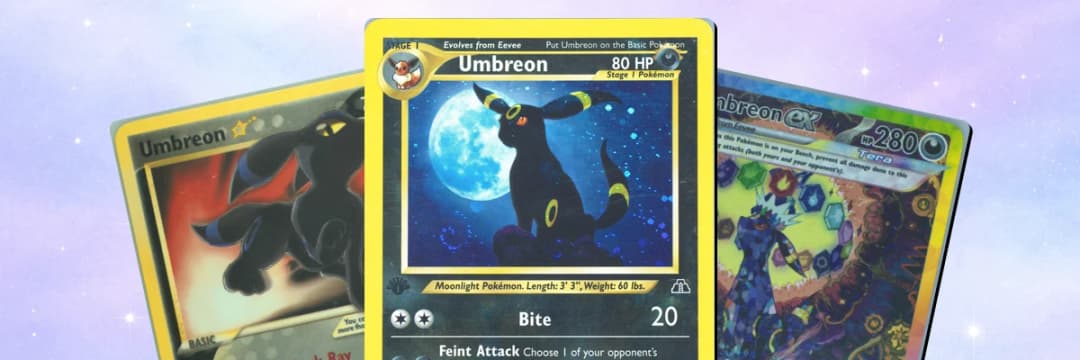
What it means for value: SIRs typically range from $20 to several hundred dollars, with the most popular ones (Umbreon, Charizard, Pikachu) regularly exceeding $100. The Umbreon ex SIR from Prismatic Evolutions has been one of the most valuable modern cards printed. These are the "chase cards" of modern sets.
How to identify: Dramatic, full-card artwork with heavy texturing. The art style is usually more elaborate and artistic than Illustration Rares. You can feel the texture prominently when you touch the card. These cards look and feel premium.
Hyper Rare (HR)
Hyper Rares are the rainbow-colored versions of Pokemon ex, Supporter, or Item cards. They feature a rainbow holographic treatment across the entire card, giving them a distinctive multicolored appearance. In the Scarlet & Violet era, gold cards also fall into this category.
What it means for value: Hyper Rares have had an interesting trajectory. When they were first introduced in Sun & Moon, rainbow rares commanded huge premiums. Over time, many collectors have come to prefer the SIR or standard full art versions over the rainbow treatment, and Hyper Rare prices have softened relative to other premium rarities. That said, they still typically range from $10 to $100+, and Hyper Rares of extremely popular Pokemon still carry significant value.
How to identify: If the card looks like it was dipped in a rainbow, it's a Hyper Rare. Gold cards with a distinctive metallic gold treatment are also in this tier.
Secret Rare
A Secret Rare is any card whose collector number exceeds the advertised set count. For example, if a set has 198 cards, card number 199/198 or 215/198 would be a secret rare. This designation has been used across multiple eras and can overlap with other rarity tiers (a Special Illustration Rare is technically also a Secret Rare if its number exceeds the set count).
What it means for value: The term "Secret Rare" itself doesn't tell you much about value. It depends entirely on what kind of Secret Rare it is. A secret rare energy card might be worth $5. A secret rare SIR Umbreon might be worth $500. The collector number being above the set count is just a mechanical indicator that you've pulled something outside the standard set.
Complete Rarity Tier Table
Here's a comprehensive table of every major rarity tier, organized from most common to most rare:
| Rarity | Symbol/Indicator | Typical Value Range | Pack Odds (Approximate) | Notes |
|---|---|---|---|---|
| Common | ● (Circle) | $0.01 - $0.10 | ~6-7 per pack | Bulk |
| Uncommon | ◆ (Diamond) | $0.01 - $0.25 | ~3-4 per pack | Bulk |
| Rare | ★ (Star) | $0.25 - $2.00 | 1 per pack (guaranteed) | Minimum rare slot |
| Reverse Holo | Varies | $0.10 - $3.00 | 1 per pack (guaranteed) | Can be any base rarity |
| Holo Rare | ★ (Star) + holo art | $0.50 - $10.00 | ~1 in 3 packs | Classic holographic |
| Pokemon ex (base) | ex marking | $1.00 - $10.00 | ~1 in 5 packs | Current era mechanic |
| Double Rare | ★★ | $1.00 - $15.00 | ~1 in 5-8 packs | SV era designation |
| Ultra Rare | UR | $3.00 - $30.00 | ~1 in 15-20 packs | Full-art treatment |
| Full Art Trainer | FA | $3.00 - $50.00 | ~1 in 20-30 packs | Popular characters |
| Illustration Rare | IR | $5.00 - $40.00 | ~1 in 20-30 packs | Unique art style |
| Special Illustration Rare | SIR | $20.00 - $500+ | ~1 in 50-100 packs | The chase tier |
| Hyper Rare / Gold | HR | $10.00 - $100+ | ~1 in 60-120 packs | Rainbow/gold treatment |
| Secret Rare (general) | Number > set count | Varies widely | Varies | Umbrella designation |
Important caveat: Pack odds vary significantly between sets and Pokemon does not publish official pull rates. The numbers above are estimates based on community data and our experience. Your mileage may vary.
How Rarity Has Evolved: A Brief History
The WOTC Era (1999-2003)
The original Wizards of the Coast era was beautifully simple. Three rarity tiers: Common, Uncommon, Rare. Holo rares were the only premium cards, and pulling one from a pack was a genuine event. There were no Ultra Rares, no Full Arts, no SIRs. Just regular cards and holographic versions of the rares.
Key sets: Base Set, Jungle, Fossil, Team Rocket, Gym Heroes, Gym Challenge, Neo Genesis, Neo Discovery, Neo Revelation, Neo Destiny, Base Set 2, Legendary Collection, Expedition, Aquapolis, Skyridge.
What made them special: The simplicity. A holo Charizard was the chase card. There wasn't a hierarchy of seven rarity tiers above it. Holo or not holo, that was it. This simplicity is part of why vintage cards carry such nostalgic and financial value today.

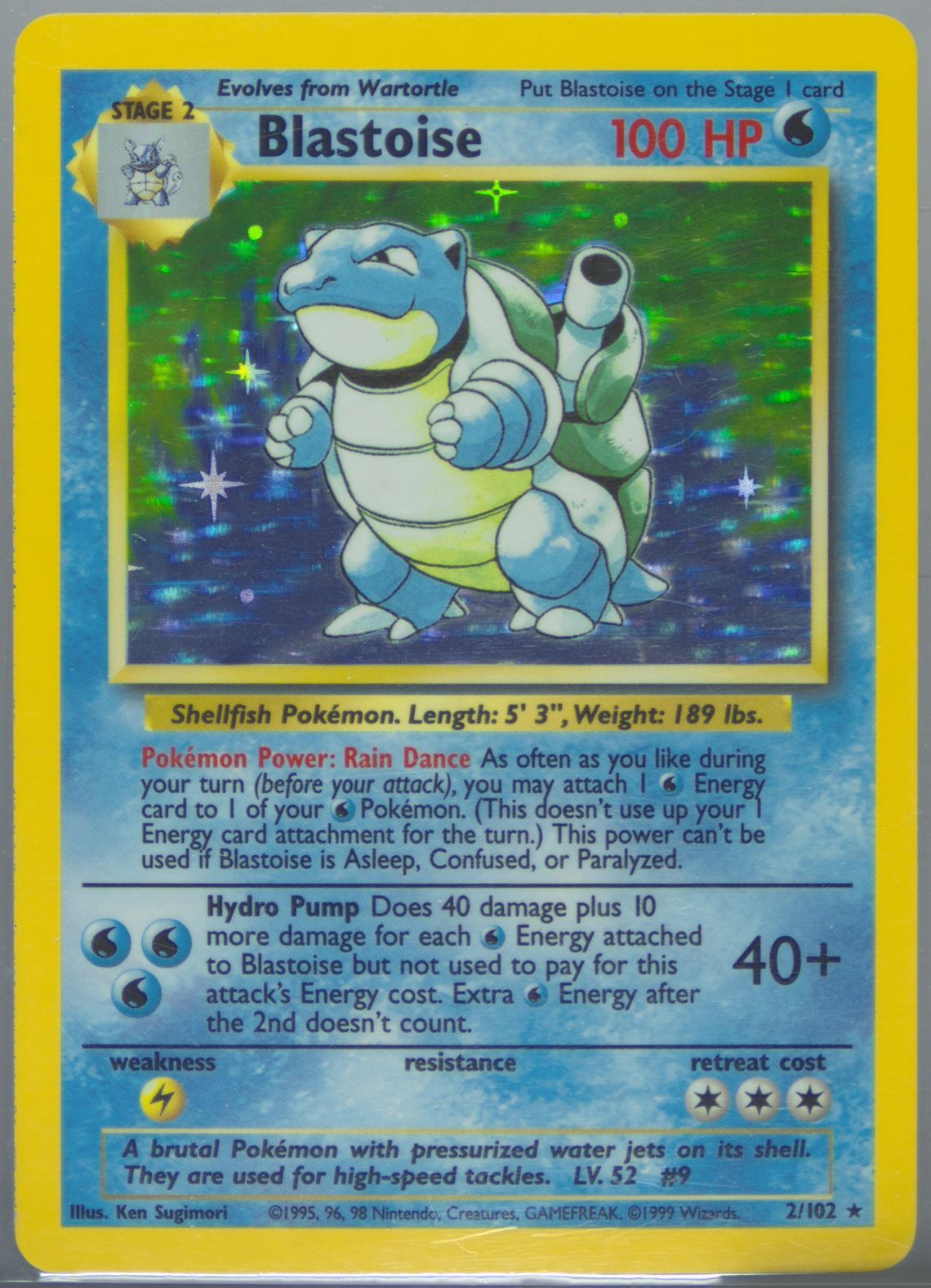
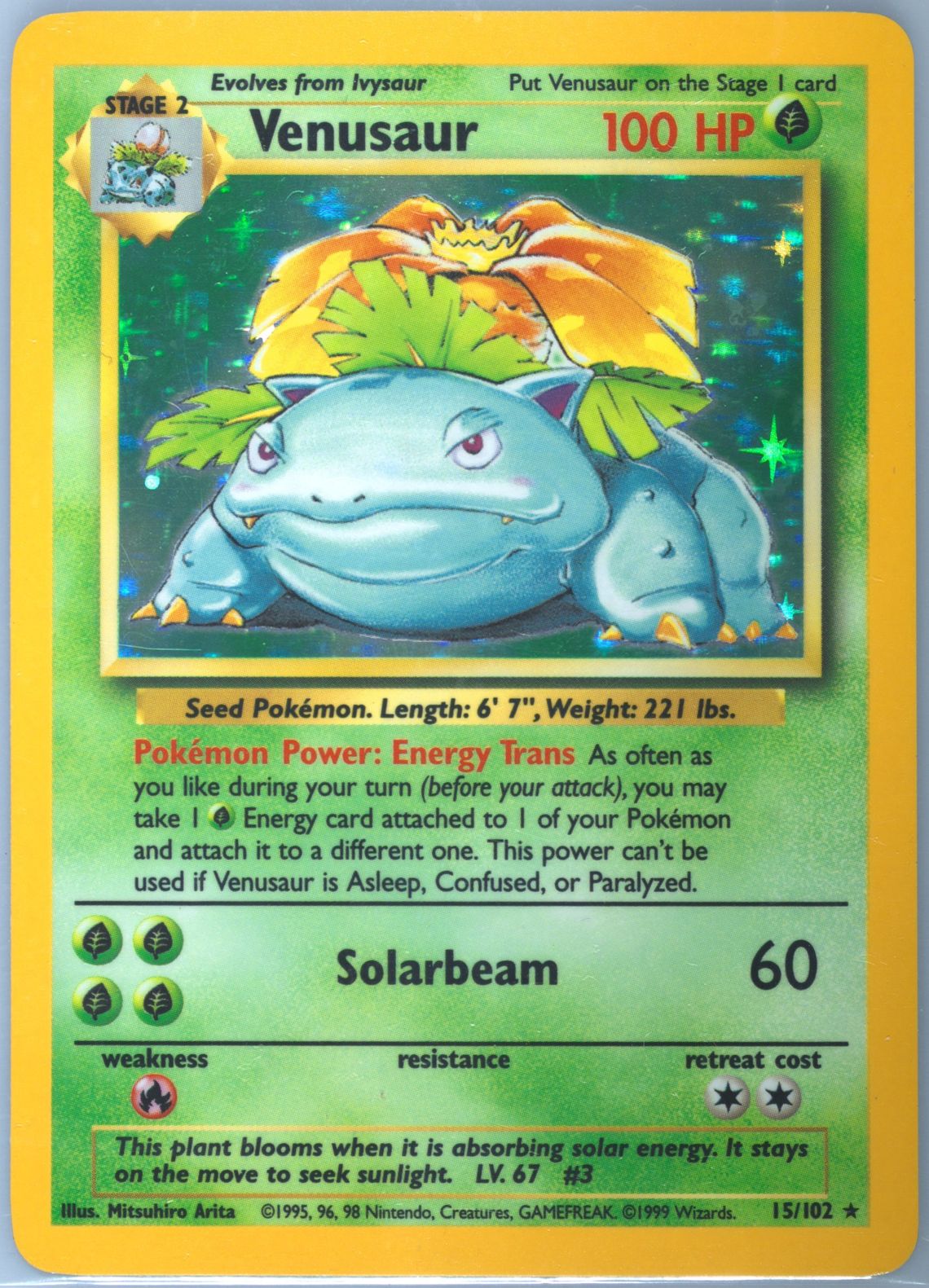
Notable exception: Shining Pokemon (Neo Revelation, Neo Destiny) were technically a rarity tier above standard holos. Cards like Shining Charizard and Shining Mewtwo were the precursors to modern ultra-rare cards.
The Nintendo/EX Era (2003-2007)
When Pokemon moved from Wizards of the Coast to Nintendo/The Pokemon Company for TCG publishing (starting with EX Ruby & Sapphire), the first "above holo" rarity appeared: Pokemon ex cards. These were more powerful in gameplay and rarer in packs than standard holos.
This era also introduced Gold Star cards, which featured Pokemon with an alternate color scheme (essentially shiny Pokemon) and a gold star next to the Pokemon's name. Gold Stars are among the most valuable cards from any era and are still highly sought after today.
The Diamond & Pearl Through Black & White Era (2007-2013)
This era introduced several rarity innovations:
- Lv.X cards (Diamond & Pearl): Leveled-up versions of Pokemon with extended art
- LEGEND cards (HeartGold SoulSilver): Two-card combinations forming panoramic artwork
- Prime cards (HeartGold SoulSilver): Foil-bordered premium rares
- Full Art cards (Black & White): The first cards with art extending to the edges
- Secret Rares became more common, with gold versions of items and energies
This era is where the modern multi-tier rarity system really started to take shape.
The XY Through Sun & Moon Era (2013-2019)
The rarity explosion. This era introduced:
- Pokemon EX (XY): Full-art ex Pokemon with silver borders
- BREAK cards (XY): Gold, translucent-looking evolution cards
- Pokemon GX (Sun & Moon): Replaced EX as the main mechanic
- Rainbow Rares (Sun & Moon): The first Hyper Rares, with that distinctive rainbow coloring
- Alternate Art cards began appearing in premium collections
Pull rates also changed during this era. Holo rares became more common (roughly every other pack), while the higher rarity tiers became the true chase cards. This fundamentally shifted how collectors thought about "what's a good pull."
The Sword & Shield Era (2020-2023)
This era refined the rarity system further and introduced some of the most valuable modern cards ever printed:
- Pokemon V, VMAX, VSTAR: The main mechanics, each with their own rarity tiers
- Trainer Gallery: A dedicated subset of alternate-art Trainer/Pokemon cards within main sets
- Character Rares / Character Super Rares: Cards featuring Pokemon alongside human characters
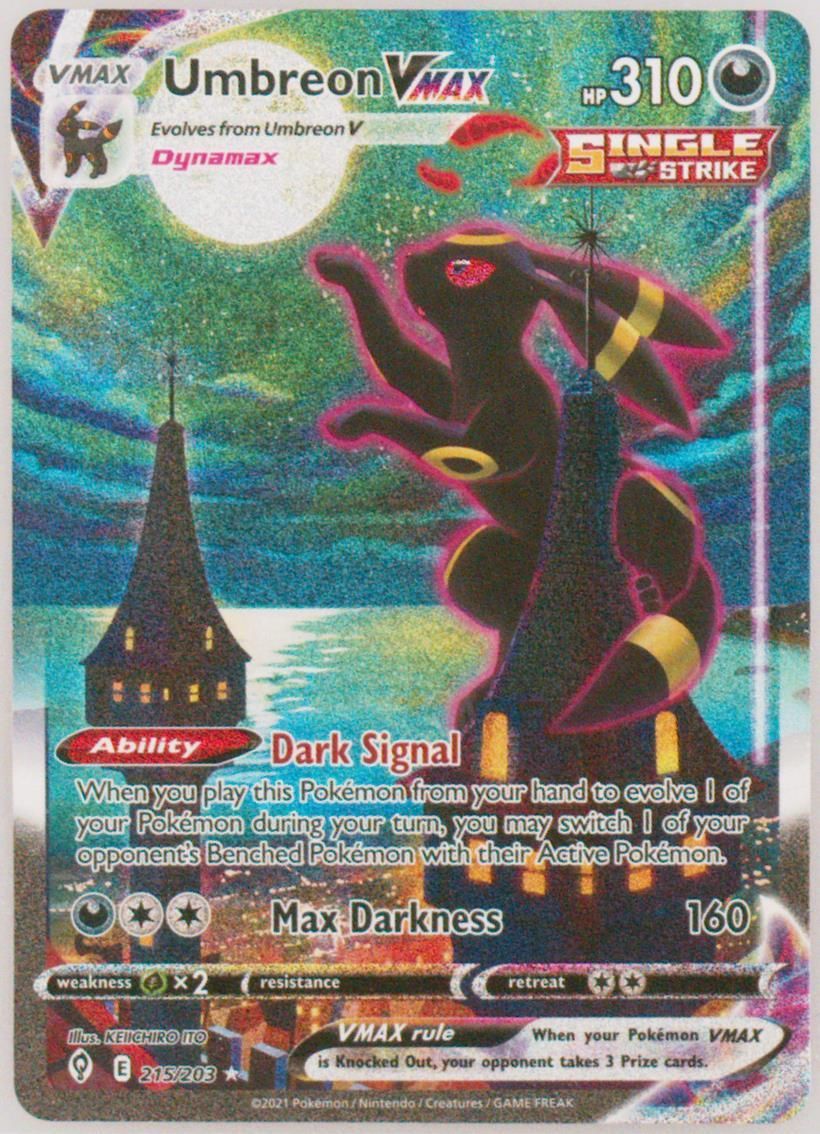
- Alt Arts: Alternate art versions of V and VMAX cards became the definitive chase cards of this era. Cards like the Moonbreon (Umbreon VMAX Alt Art from Evolving Skies) became iconic
The Sword & Shield era is when alternate art cards really took over as the most desired cards in the hobby. Sets like Evolving Skies, Lost Origin, and Crown Zenith are primarily valued for their alternate art cards.
The Scarlet & Violet Era (2023-Present)
The current era reorganized and clarified the rarity system:
- Double Rare (★★): Base versions of Pokemon ex
- Ultra Rare: Full-art versions
- Illustration Rare (IR): Unique artistic versions (replacing the "Alt Art" name)
- Special Illustration Rare (SIR): The top-tier chase cards
- Hyper Rare: Gold and rainbow treatments
- New rarity symbols: The classic circle/diamond/star are still used for common/uncommon/rare, but additional symbols differentiate the higher tiers
This era also introduced Special Art Rare (SAR) cards in Japanese sets, which have a slightly different rarity structure than the English releases. If you collect Japanese cards, be aware that the rarity tiers don't map 1:1 to English.
What Rarity Means for Value (And What It Doesn't)
Here's something that trips up a lot of newer collectors: rarity is necessary but not sufficient for value. A card being rare doesn't automatically make it expensive. Value in the Pokemon TCG comes from the intersection of several factors:
The Factors That Actually Drive Value
-
Rarity tier - Yes, higher rarity generally means higher value. But a SIR of an unpopular Pokemon will be worth less than a SIR of Charizard.
-
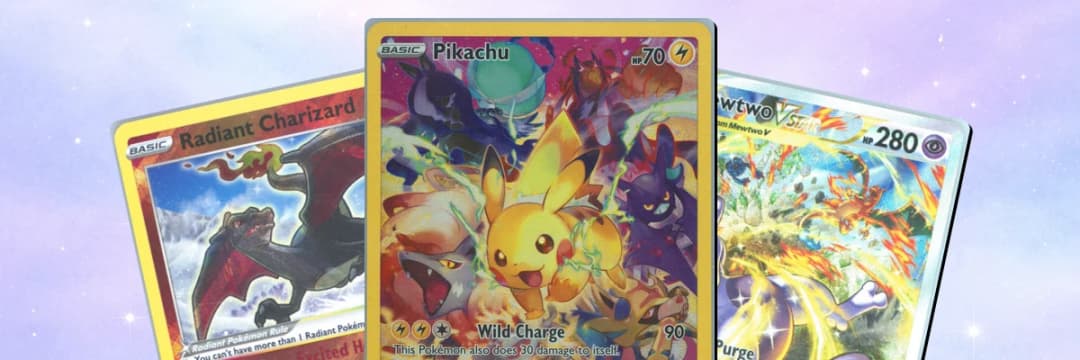
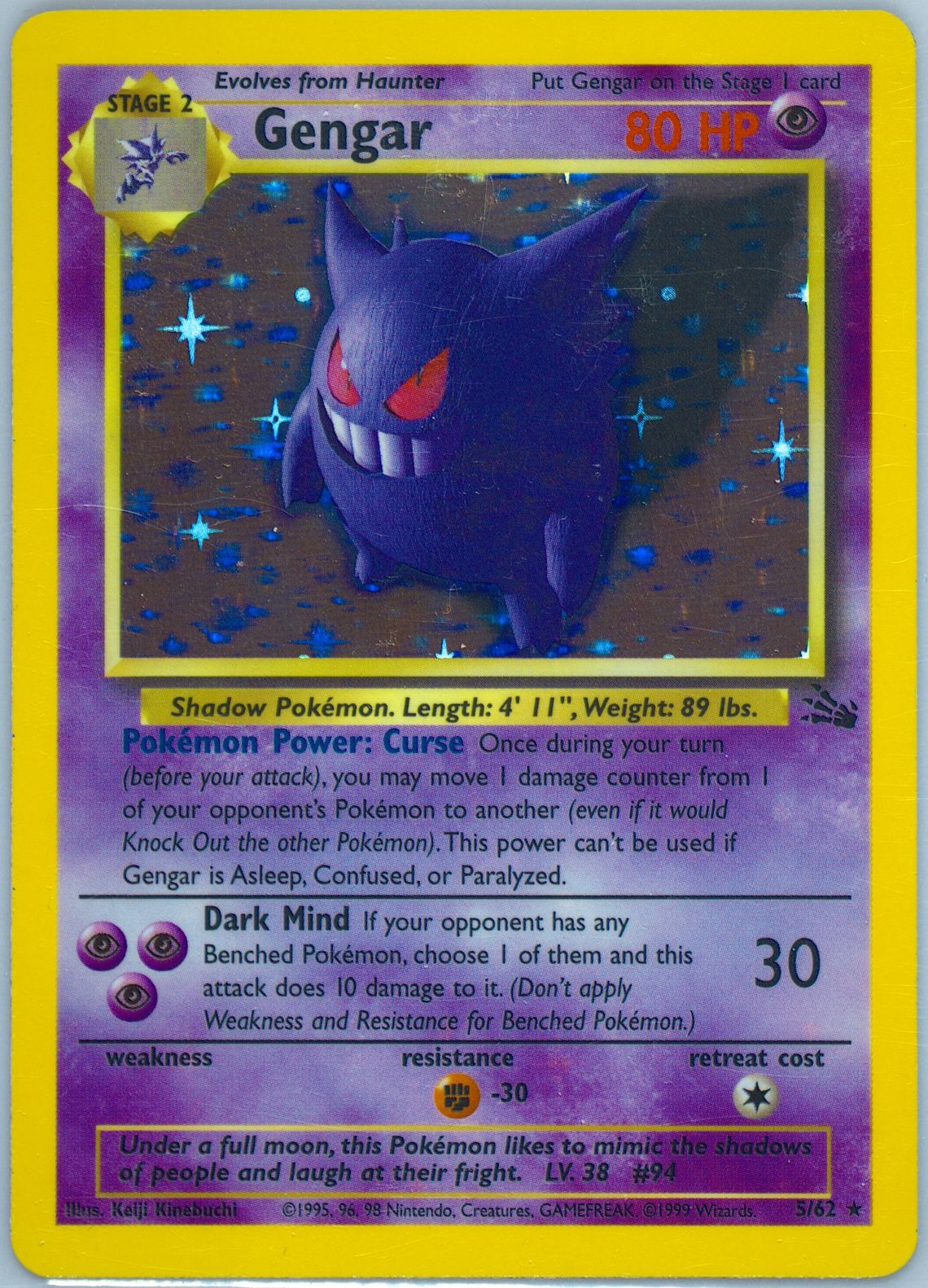
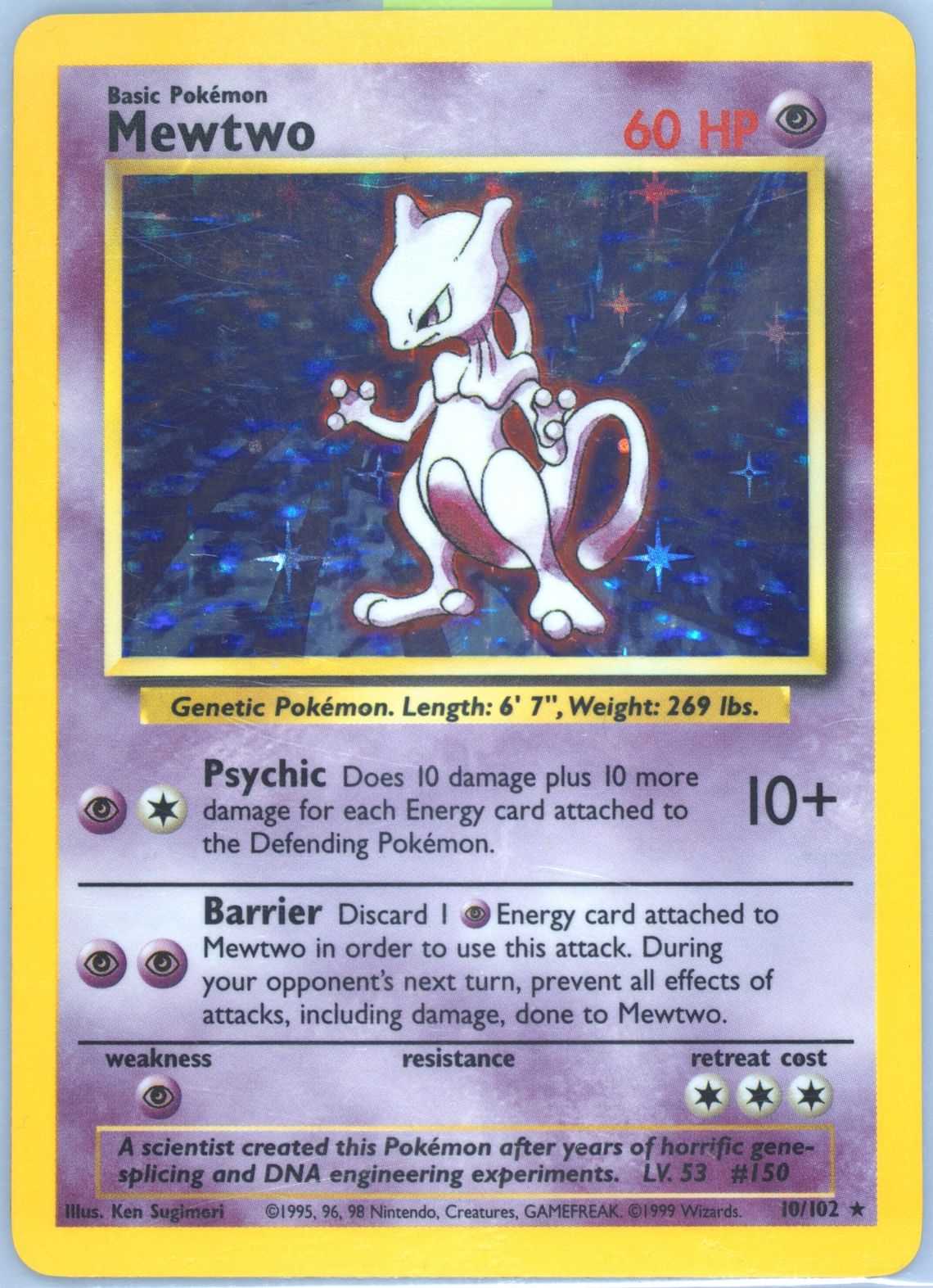
Which Pokemon - This matters enormously. Charizard, Umbreon, Pikachu, Gengar, Mewtwo, and the Eeveelutions consistently command premiums at every rarity level. A holo rare Charizard will often be worth more than an Ultra Rare of a less popular Pokemon.
-
Which set - Some sets are more popular and more opened than others. Cards from under-opened sets can be rarer in practice than their rarity symbol suggests. Conversely, massively opened sets (like Prismatic Evolutions or 151) flood the market with even their rarest cards.
-
Condition - A mint condition card can be worth 10x or more compared to the same card in played condition, especially at higher rarity tiers. This matters even more for vintage cards.
-
Market timing - Prices fluctuate. A card's value at release, three months later, and three years later can be wildly different. New sets almost always see price drops as more product is opened.
-
Art quality - Subjective, but real. Some SIRs have artwork that collectors go crazy for, while others in the same set at the same rarity are less desirable because the art doesn't resonate the same way.
Common Misconceptions
"My holo rare must be worth a lot because it's holographic." Modern holo rares are worth very little in most cases. The rarity tiers above them are where the value lives. Vintage holo rares are a different story entirely.
"This card is a secret rare, so it must be valuable." Secret rare is a broad category. Some secret rares are worth $5 (looking at you, gold energy cards in certain sets). Others are worth hundreds. The number being above the set count doesn't tell you much on its own.
"Rainbow rares are the rarest cards." Rainbow/Hyper Rares are indeed rare, but they're not necessarily the most valuable cards in a set. Many collectors prefer the SIR or even the standard full art version of a card over its rainbow counterpart. Aesthetic preference matters.
"First Edition = valuable." First Edition stamps only appeared on English cards from Base Set through Neo Destiny (1999-2002). If your card is from any set after that, it doesn't have a First Edition because they stopped making them. And even within the 1st Edition era, only rare and holo rare 1st Edition cards carry significant premiums. A 1st Edition common Pidgey is worth a dollar or two, not hundreds.
How to Quickly Identify Rarity
Here's our rapid-fire system for identifying card rarity when sorting through a stack:
- Check the bottom right corner for the rarity symbol (circle, diamond, star, or modern symbols)
- Look at the card's visual design: Does the art extend to the edges? Is there texture you can feel? Is it holographic?
- Check for special treatments: Rainbow coloring, gold borders, unique art style
- Look at the collector number: Is it above the set count? (e.g., 205/198)
- Feel the card: Textured surface = higher rarity in modern sets
If a card has a star or above, has artwork extending to the edges, has texture, or has a collector number above the set count, it's worth looking up the specific price. Everything else is likely bulk.
Rarity Across Languages
One important note for collectors who buy Japanese or other language cards: rarity systems differ between languages.
Japanese cards have their own rarity designations:
| Japanese Rarity | Abbreviation | English Equivalent |
|---|---|---|
| Common | C | Common |
| Uncommon | U | Uncommon |
| Rare | R | Rare |
| Double Rare | RR | Double Rare (ex cards) |
| Art Rare | AR | Illustration Rare |
| Super Rare | SR | Ultra Rare / Full Art |
| Special Art Rare | SAR | Special Illustration Rare |
| Ultra Rare | UR | Hyper Rare |
Japanese sets also sometimes have rarity tiers that don't appear in English sets, and vice versa. Pull rates differ between Japanese and English packs as well (Japanese packs typically have fewer cards but can have better pull rates for higher rarities).
If you collect across languages, make sure you're comparing apples to apples when evaluating rarity and value. A Japanese SAR and an English SIR are roughly equivalent in terms of rarity tier, but their market values can differ significantly.
How to Use Rarity When Buying and Selling
For Buyers
Understanding rarity helps you avoid overpaying. If someone is selling a "rare holographic Pokemon card" but it's actually just a reverse holo common, you'll know the difference. Key tips:
- Always verify the rarity tier before purchasing. Photos can be misleading, especially for telling holo rares apart from reverse holos.
- Know the typical price range for each rarity tier. If a standard holo rare is priced like an SIR, something's off.
- Check completed sales on Misprint or other marketplaces for actual market prices rather than relying on listing prices.
For Sellers
Proper rarity identification helps you price your cards correctly and avoid leaving money on the table:
- Don't sell SIRs at holo rare prices because you didn't realize what you had. Feel for texture, check the collector number, and look up the card.
- Separate your cards by rarity before pricing. It's much more efficient to price an entire batch of holo rares at once than to jump between rarity tiers.
- Condition matters more at higher rarity tiers. A near-mint SIR and a lightly played SIR can have a dramatically different value. A near-mint common and a lightly played common are both worth the same: almost nothing.
Final Thoughts
The Pokemon TCG rarity system has evolved from three simple symbols to a complex hierarchy with over a dozen tiers, and it will probably continue to evolve as new eras and mechanics are introduced. But the fundamentals haven't changed. Common and uncommon cards are bulk. Stars and above are worth looking at. The highest rarity tiers with special artwork and texturing are where the real value lives.
If you take one thing from this guide, let it be this: learn to read the card. The rarity symbol, the visual design, the texture, and the collector number all tell you something about what you're holding. Once you internalize these cues, you'll be able to sort through any stack of cards quickly and confidently, pulling out the hits without hesitation.
And if you're looking to buy or sell cards at any rarity tier, check out Misprint. We specialize in making the trading card marketplace transparent and fair, whether you're dealing in bulk or chasing the rarest cards in the hobby.