TAG vs CGC: Which Has Better Resale Value?
The cost to grade matters less than what you get back.
By Misprint Editorial | Published Feb 12, 2026 | 9 min read

Everyone talks about grading costs. Almost nobody talks about what actually matters: the net return after you sell the card.
TAG and CGC occupy an interesting space in the grading market. Neither one is PSA. Neither one commands PSA-level resale premiums. But they're both legitimate companies with growing market share, and if you're choosing between them, you need to think about more than just what it costs to submit a card. You need to think about what you'll get back when you sell it.
We've been tracking sale prices for TAG and CGC slabs across hundreds of cards for months. The data tells a clear story, and it's more nuanced than "CGC is always better" or "TAG is catching up." Let's break it down.
The Fundamental Question
When you grade a card, you're making an investment. The grading fee is your cost basis. The resale value of the graded card minus the raw card's value is your return. The question isn't "which company is cheaper?" — it's "which company gives me the best net return?"
Here's a simplified framework:
Net Return = (Graded sale price) - (Raw card value) - (Grading fee) - (Shipping costs)
A cheaper grading fee means nothing if the resulting slab sells for less. Conversely, a higher resale value means nothing if the grading fee eats all the profit. You need to look at the whole equation.
Current Pricing: What It Costs to Grade
| Tier | TAG | CGC |
|---|---|---|
| Economy | $12-15/card | $15-18/card |
| Standard | $18-22/card | $25-30/card |
| Express | $35-50/card | $50-75/card |
| Rush | $50-75/card | $100-150/card |
| Turnaround (Economy) | 15-30 business days | 100-130 business days |
TAG is cheaper at every tier, and it's not close. The economy difference of $3-6 per card might seem small, but if you're grading 20 cards, that's $60-120 saved. Grade 100 cards over the course of a year and we're talking real money.
But cost is only half the equation. Let's look at what these slabs actually sell for.
Resale Value Comparison: Real Data
We pulled recent sale prices for identical cards across TAG 10 and CGC 10 slabs. These are completed sales, not listing prices.
Modern Chase Cards
| Card | TAG 10 Recent Sales | CGC 10 Recent Sales | Difference |
|---|---|---|---|
| Prismatic Evolutions Umbreon ex SIR | $180-210 | $220-255 | CGC +18-21% |
| Surging Sparks Pikachu ex HR | $42-50 | $50-62 | CGC +17-24% |
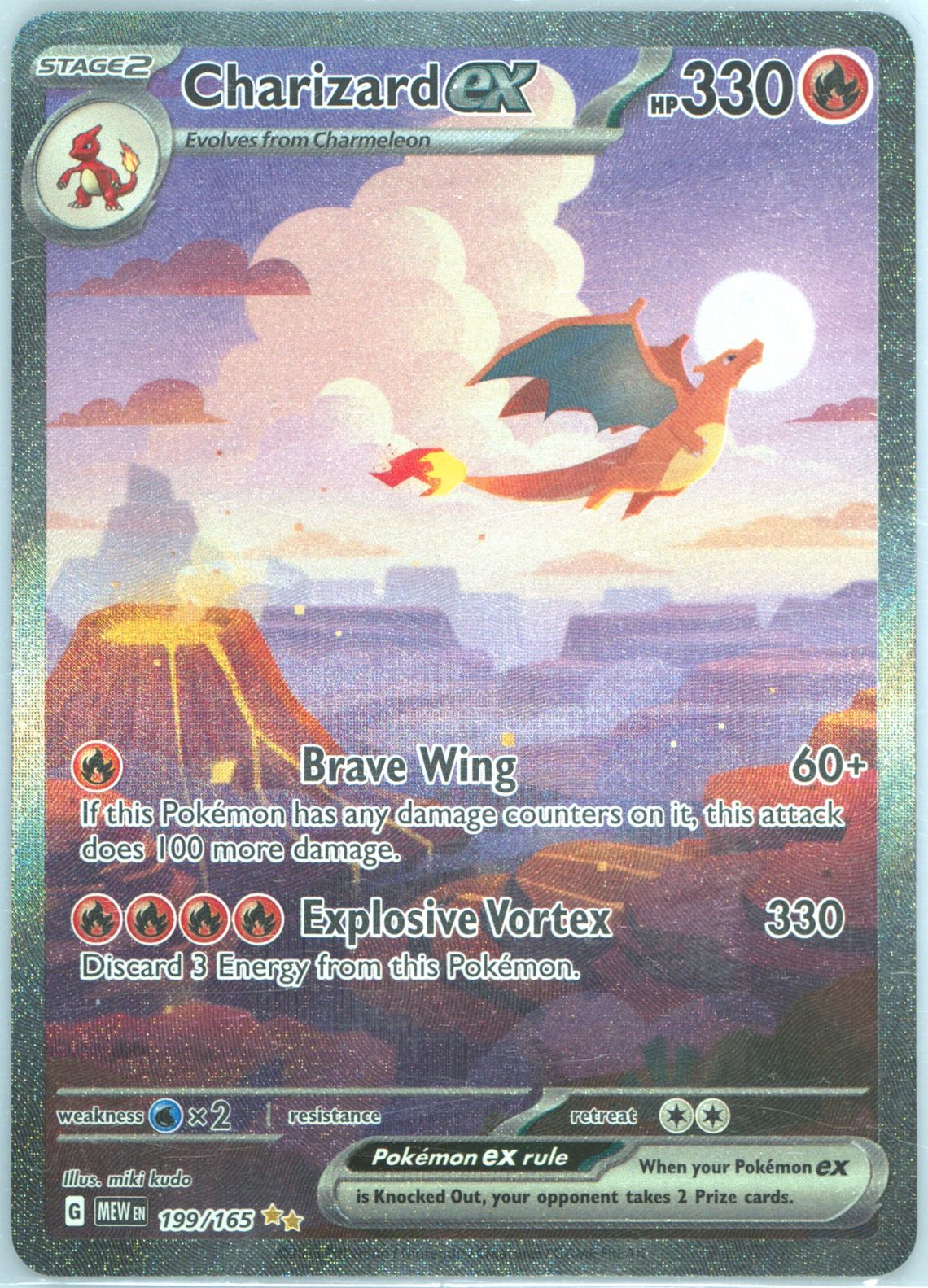
| 151 Charizard ex SIR | $115-135 | $145-170 | CGC +22-26% |
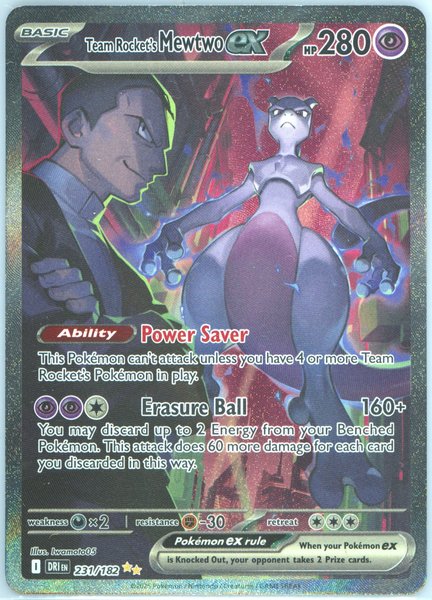
| Destined Rivals Mewtwo SIR | $55-68 | $68-82 | CGC +19-21% |


Mid-Range Cards ($50-150 raw)
| Card | TAG 10 Recent Sales | CGC 10 Recent Sales | Difference |
|---|---|---|---|
| Umbreon VMAX Alt Art (Evolving Skies) | $350-410 | $430-500 | CGC +19-22% |
| Van Gogh Pikachu | $62-75 | $78-92 | CGC +21-23% |


The Pattern
Across the board, CGC 10 slabs sell for roughly 18-25% more than TAG 10 slabs of the same card. The gap is wider on higher-value cards and slightly narrower on lower-value cards, but it's remarkably consistent.
This shouldn't be shocking. CGC has been around longer (their card division launched in 2020), has more brand recognition, and has built more trust in the marketplace. TAG launched in 2022 and while they've grown incredibly fast, market trust takes time to build.
The Net Return Math
Now let's do what most comparison articles skip: the actual math.
Scenario 1: A $30 Raw Card
Let's say you have a modern card worth about $30 raw that you think will grade a 10.
TAG route:
- Grading cost: $13 (economy)
- Expected TAG 10 sale: ~$55
- Net return: $55 - $30 - $13 = $12 profit
CGC route:
- Grading cost: $17 (economy)
- Expected CGC 10 sale: ~$67
- Net return: $67 - $30 - $17 = $20 profit
Winner: CGC by $8
Scenario 2: A $15 Raw Card
Budget modern card, maybe a nice full art that you pulled from a pack.
TAG route:
- Grading cost: $13
- Expected TAG 10 sale: ~$30
- Net return: $30 - $15 - $13 = $2 profit
CGC route:
- Grading cost: $17
- Expected CGC 10 sale: ~$36
- Net return: $36 - $15 - $17 = $4 profit
Winner: CGC by $2, but both are marginal
At this value level, the question becomes whether either company is worth it. Grading a $15 card for $2-4 in profit isn't exactly a lucrative business. If you're grading cards in this range, you're probably doing it for your personal collection rather than resale, and TAG's faster turnaround and lower cost become the more relevant factors.
Scenario 3: A $100 Raw Card
Higher-value modern card. This is where the math gets interesting.
TAG route:
- Grading cost: $13
- Expected TAG 10 sale: ~$175
- Net return: $175 - $100 - $13 = $62 profit
CGC route:
- Grading cost: $17
- Expected CGC 10 sale: ~$215
- Net return: $215 - $100 - $17 = $98 profit
Winner: CGC by $36
As card values increase, CGC's higher resale premium generates more absolute profit even after accounting for the higher grading fee. The $4 difference in grading cost is completely dwarfed by the $40 difference in resale value.
Scenario 4: Bulk Grading (20 cards averaging $20 raw)
This is where TAG's pitch is strongest — lots of cards, lower individual value.
TAG route:
- Total grading cost: 20 x $13 = $260
- Assume 14 get a 10, 6 get a 9 (70% gem rate)
- TAG 10 average sale: ~$38 x 14 = $532
- TAG 9 average sale: ~$24 x 6 = $144
- Total revenue: $676
- Total raw value: 20 x $20 = $400
- Net profit: $676 - $400 - $260 = $16
CGC route:
- Total grading cost: 20 x $17 = $340
- Same gem rate: 14 tens, 6 nines
- CGC 10 average sale: ~$46 x 14 = $644
- CGC 9 average sale: ~$27 x 6 = $162
- Total revenue: $806
- Total raw value: $400
- Net profit: $806 - $400 - $340 = $66
Winner: CGC by $50
Even in bulk scenarios where TAG's per-card savings pile up, CGC's higher resale values generate more total profit. The $80 saved on grading fees doesn't offset the $130 in additional resale value.
But Wait — The Turnaround Factor
Here's where TAG has an argument that the pure math doesn't capture: time.
TAG's economy turnaround is 15-30 business days. CGC's is 100-130 business days. That's a 3-4 month difference. If you're grading cards to sell, those months matter. Card values can change significantly in 3-4 months. A card that's hot today might cool off by the time your CGC order comes back.
TAG lets you get cards graded and listed for sale while they're still trending. For sets that just released — think Destined Rivals, Prismatic Evolutions — that speed advantage can be worth more than the resale premium difference. A TAG 10 sold at peak hype might net you more than a CGC 10 sold four months later when prices have settled.
We can't put an exact dollar value on this because it depends entirely on market timing, but it's a real factor that deserves weight in the decision.
Market Liquidity: Which Sells Faster?
Resale value is one thing. Actually finding a buyer is another.
CGC slabs have significantly more liquidity than TAG slabs in 2026. There are more CGC listings on eBay, more CGC sales on TCGPlayer, and more CGC slabs trading in Facebook groups and Discord servers. When you list a CGC slab, you're fishing in a bigger pond.
TAG slabs are catching up, but there's still a noticeable difference. TAG listings sometimes sit longer, especially for less popular cards. For high-demand chase cards, both companies sell reasonably quickly. For mid-tier or niche cards, CGC's deeper buyer pool is an advantage.
This matters because a card that takes two weeks to sell at $70 is worth more to most people than a card that takes six weeks to sell at $75. Liquidity has real value, even if it's hard to quantify.
Buyer Perception and Trust
Let's talk about something less quantifiable but equally important: what buyers think when they see each slab.
CGC Perception in 2026
CGC has reached a point where most buyers accept it as a legitimate alternative to PSA. The green label is instantly recognizable. Buyers trust the grade. The CGC Perfect 10 designation has given the company a prestige tier that generates genuine excitement. When a card comes back CGC Perfect 10, it's a big deal.
CGC's parent company (Certified Collectibles Group) also grades coins, comics, and other collectibles, which gives them institutional credibility. They're not a startup — they're a large company with a track record across multiple industries.
TAG Perception in 2026
TAG's perception has improved dramatically over the past year, but there's still a trust gap. Some buyers — particularly older collectors and those who've been in the hobby for decades — are skeptical of AI-assisted grading. They view it as unproven or too "tech-bro." Whether that skepticism is justified is debatable, but it affects what people are willing to pay.
Younger collectors and more tech-savvy buyers tend to be more receptive to TAG. The TAG Score appeals to people who want data, and the QR verification feature (which lets you scan the slab and verify the grade online) is genuinely cool.
The bottom line: CGC has broader market acceptance right now, which directly translates to higher resale values. TAG is building trust but isn't there yet.
When TAG Beats CGC Despite Lower Resale
Despite everything above, there are specific situations where TAG is the smarter choice even if you plan to sell:
1. Time-Sensitive Cards
If a card is spiking in price and you want to grade and flip it quickly, TAG's 15-30 day turnaround vs. CGC's 100+ days makes TAG the obvious choice. Sell a TAG 10 at peak price rather than a CGC 10 after the hype has faded.
2. Very Low-Value Cards
For cards where the raw value is under $10, neither TAG nor CGC grading makes financial sense for resale. But if you're grading these cards for your personal collection, TAG saves you $4-6 per card and gets them back to you months sooner. No contest.
3. Bulk Personal Collection Grading
If you're grading 50-100+ cards for your personal collection and resale isn't the primary goal, TAG at $12-13/card vs CGC at $16-17/card saves you $200-400. That's real money, and the TAG Score gives you detailed information about each card's condition that you can appreciate as a collector.
4. Freshly Released Sets
When a new set drops and you pull something amazing, TAG's speed gets it graded before the market is saturated with graded copies. First-mover advantage on graded copies of new cards can offset the resale premium difference.
When CGC Beats TAG (Most of the Time)
For most resale-oriented grading, CGC wins:
1. Any Card Worth More Than $50 Raw
The 18-25% resale premium CGC commands over TAG generates enough additional profit to cover the higher grading fee many times over. The math is clear and consistent.
2. Vintage or Established Cards
For cards from older sets where prices are relatively stable (not spiking or crashing), CGC's slower turnaround doesn't hurt you, and the higher resale value is pure upside.
3. Cards Where You Want a Shot at Perfect 10
CGC's Perfect 10 designation can push a card's value above even PSA 10 levels. TAG doesn't have an equivalent prestige grade. If you think your card is truly flawless, CGC gives you the chance at a Perfect 10 that could significantly increase its value.
4. When Liquidity Matters
If you need to sell quickly at fair market value, CGC's deeper buyer pool means you're more likely to find a buyer without having to discount.
The Verdict
For resale: CGC wins. The 18-25% resale premium CGC commands over TAG more than justifies the $4-6 higher grading fee in nearly every scenario. The math isn't close for cards with any meaningful value.
For personal collection: TAG wins. Lower cost, dramatically faster turnaround, and the TAG Score provides interesting data. If you're not selling, the resale premium is irrelevant.
For time-sensitive flips: TAG wins. Speed matters when prices are volatile.
For long-term holds: CGC wins. If you're grading cards to hold for years before selling, CGC's stronger market position and growing trust will likely mean better resale values when you eventually sell. TAG might close the gap over time, but CGC is the safer bet.
Neither company is a bad choice. Both are legitimate, both produce quality slabs, and both are growing. But if you're trying to maximize the money in your pocket after selling a graded card, CGC gives you more to work with right now.
For a broader comparison that includes PSA and BGS as well, check out our full 2026 grading company comparison. And if you're specifically weighing PSA against these two, we've got dedicated pieces on PSA vs TAG and PSA vs CGC resale value.