The Most Graded Pokemon Cards of All Time (PSA Pop Report)
What the PSA pop reports reveal about which cards collectors care about most.
By Misprint Editorial | Published Mar 22, 2026 | 27 min read
Updated data as of March 2026 via PSA population reports
If you want to understand what the Pokemon collecting community truly values, forget auction headlines and Instagram pulls for a moment and look at the PSA population reports. Every single card ever submitted to Professional Sports Authenticator gets logged in their database, and when you sort by total submissions, the resulting list is one of the most honest documents in the hobby. There are no marketing spin cycles, no influencer hype, no algorithmic bias. Just raw numbers showing which cards real people spent real money to have professionally graded. When someone pays fifteen to thirty dollars to have a single card authenticated and encapsulated, they are making a deliberate statement that the card matters to them. Scale that decision up to tens of thousands or hundreds of thousands of individual collectors, and you get something remarkable: a genuine census of what the Pokemon hobby cares about most.
What makes the data truly fascinating is how thoroughly it defies expectations. If you walked into this article assuming the top twenty would be dominated by vintage Base Set holos and first edition pulls from the late 1990s, you are about to be surprised. The reality is that modern cards absolutely dominate the PSA population rankings. Promos, Japanese exclusives, and recent chase cards make up the overwhelming majority of the most-submitted Pokemon cards in history. That fact alone tells a profound story about the evolution of the hobby: the grading market is no longer driven primarily by nostalgia. It is driven by a massive, globally connected collector base that grades cards from current sets in real time, often within weeks of a product's release. The numbers also reveal something else that will surprise no one who has spent time in the hobby: Charizard is everywhere. The fire-breathing lizard appears five or more times in the top twenty, across different eras, different sets, and different card types. Its dominance is not a coincidence. It is a reflection of a cultural phenomenon that has persisted for over twenty-five years and shows no signs of slowing down.
What follows is a complete countdown of the ten most graded Pokemon cards of all time, based on total PSA population data sourced from gemrate.com as of March 2026. Before we get to the main list, we will cover a selection of honorable mentions from positions eleven through twenty, because the cards that just miss the top ten tell their own important stories. Along the way, we will explore what drives submission volume, what gem rates reveal about card quality and collector behavior, and what the overall data tells us about the past, present, and future of the hobby.
Honorable Mentions
Before we count down the top ten, several cards sitting in the eleven-through-twenty range deserve attention. These are cards with massive PSA populations that reflect significant collector interest, and each one illuminates a different corner of the grading market.
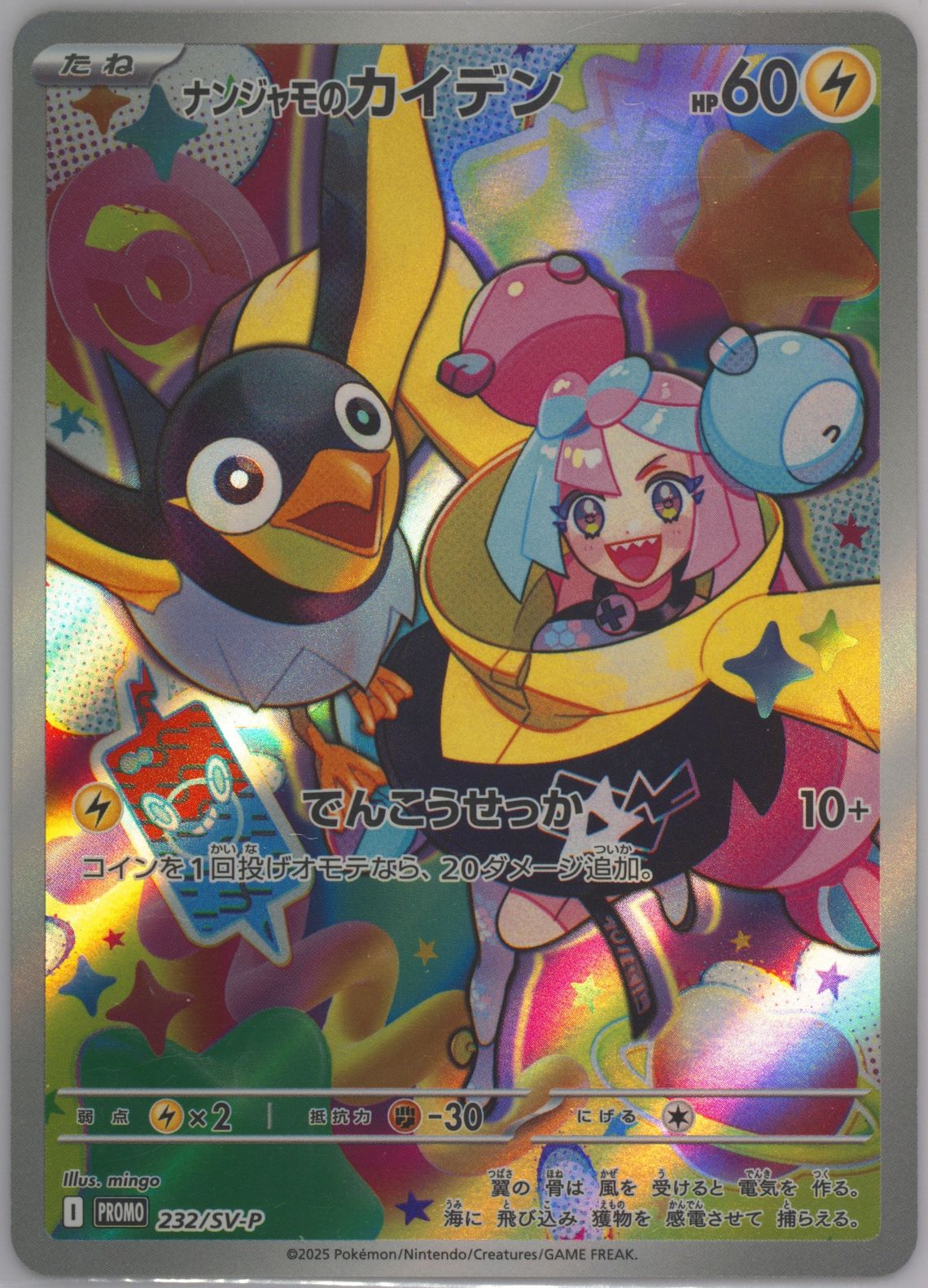
Iono's Wattrel (Japanese Battle Partners, #232) -- 64,154 total graded
Iono has become one of the most popular trainer characters in the modern era of the Pokemon TCG, and her Wattrel card from the Japanese Battle Partners set is a perfect example of how character-driven demand fuels grading volume. This card was a box purchase campaign promo in Japan, meaning it was distributed as a bonus for buying product at retail, and Japanese collectors submitted it to PSA in enormous quantities. The card's appeal is almost entirely driven by Iono's popularity as a character rather than competitive playability or the Pokemon depicted. That over sixty-four thousand collectors chose to grade a promo featuring a relatively minor Pokemon tells us everything about how character art and trainer popularity drive the modern grading market. Iono cards consistently command premiums across every set she appears in, and this Wattrel promo is one of the most visible expressions of that phenomenon.
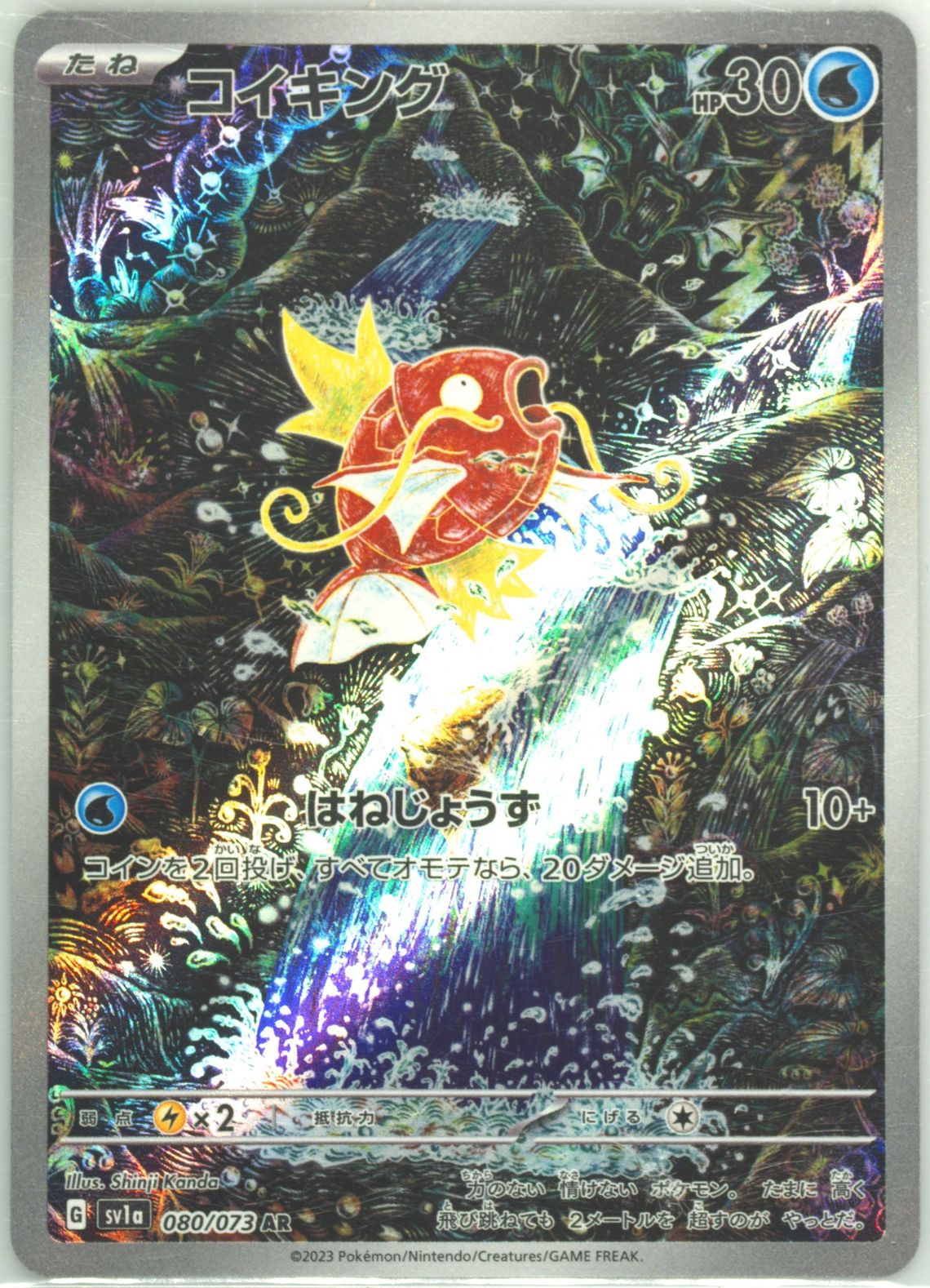
Magikarp Art Rare (Japanese Triplet Beat, #080) -- 55,469 total graded
Magikarp is one of the most beloved meme Pokemon in the franchise, and when the Japanese Triplet Beat set gave it a stunning Art Rare illustration, collectors responded with overwhelming enthusiasm. The Art Rare treatment elevated a famously weak and comical Pokemon into a genuine chase card, and the submission numbers reflect the unique intersection of humor, nostalgia, and beautiful artwork that makes certain cards irresistible to grade. Japanese Art Rares in general have been submitted to PSA at remarkable rates, reflecting the global collector base's appetite for the Japanese card aesthetic, but the Magikarp stands out as a cultural touchstone that transcends typical chase card dynamics.
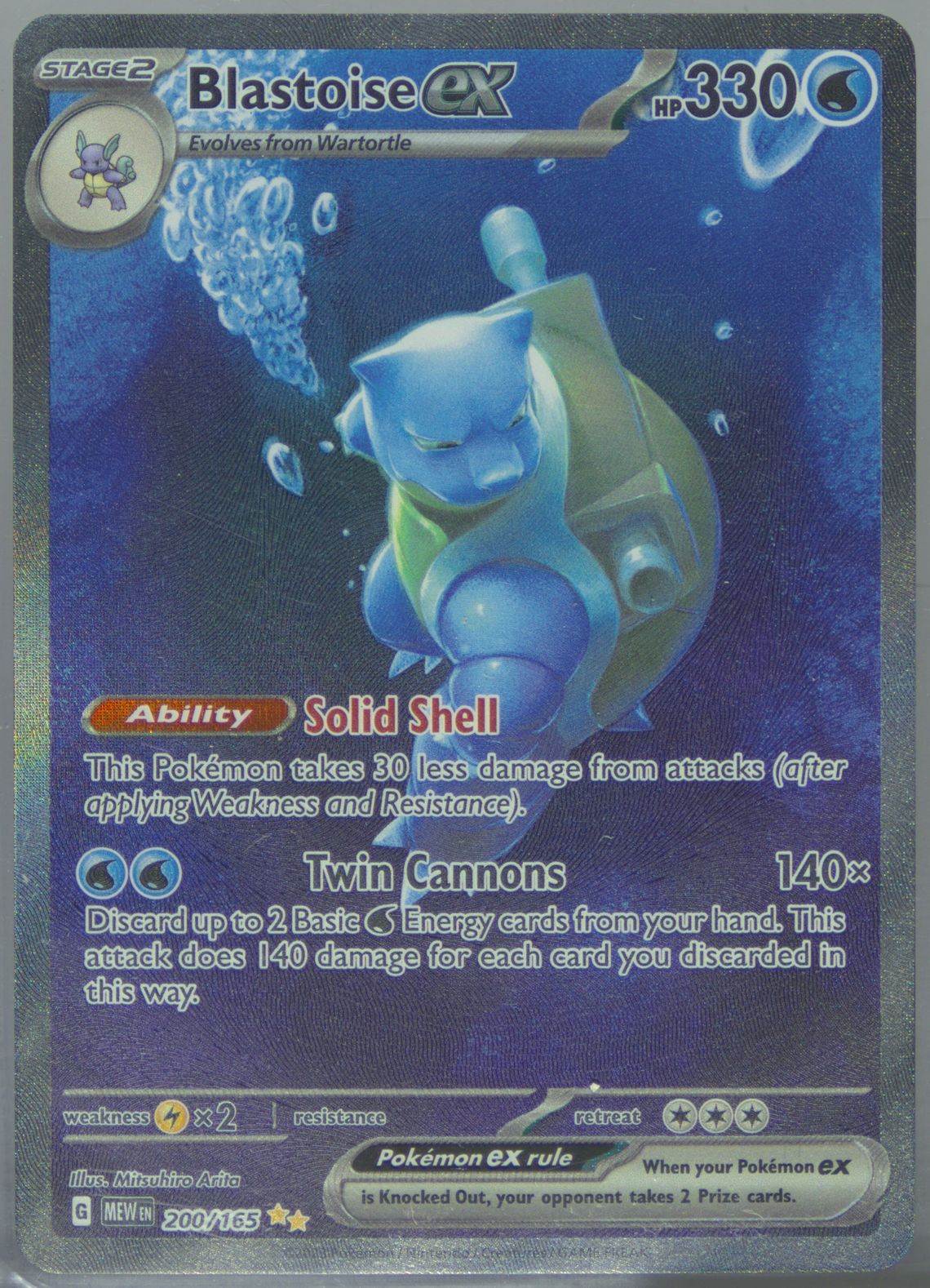
Blastoise EX SIR (151, #200) -- 55,141 total graded
The 151 set produced two of the most heavily graded Special Illustration Rares in history, and Blastoise is the second half of that equation. While the Charizard EX SIR from the same set ranks significantly higher on this list, the Blastoise should not be overlooked. Over fifty-five thousand submissions make it one of the most graded Blastoise cards ever produced, and the elegant watercolor-style illustration by Mitsuhiro Arita makes it a genuinely beautiful card to display in a slab. The 151 set tapped into the same deep well of Kanto nostalgia as the original Base Set but with modern production quality and contemporary card design, and both the Charizard and Blastoise SIRs benefited enormously from that potent combination.
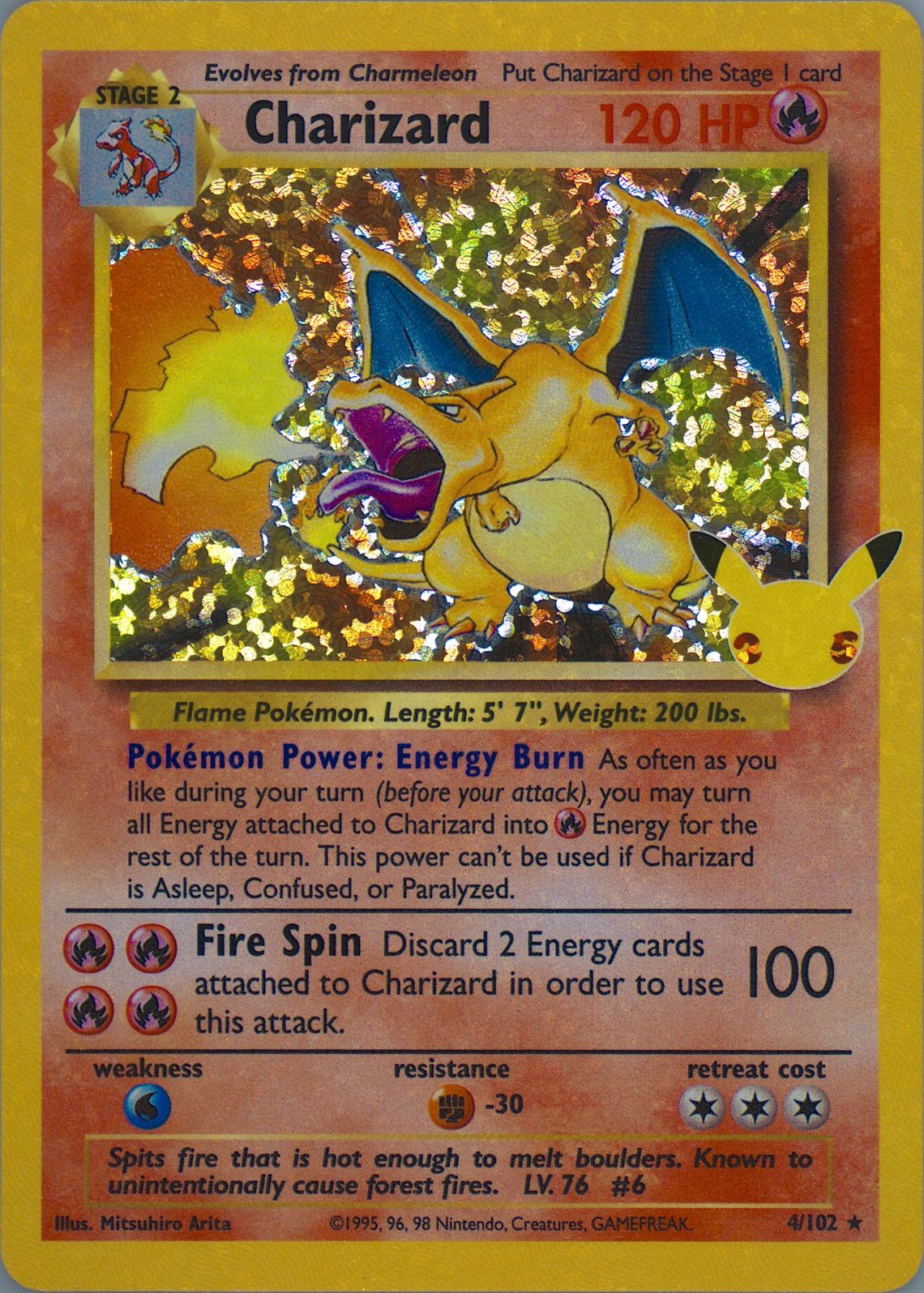
Charizard Holo (Celebrations Classic Collection, #4) -- 53,702 total graded
Celebrations gave collectors a faithful reprint of the Base Set Charizard holo complete with a special Celebrations stamp, and the result was predictable: tens of thousands of submissions flooded into PSA. The card scratches the same nostalgic itch as the original Base Set Charizard at a fraction of the price, and many collectors graded it specifically because they wanted a Charizard holo in a PSA slab without paying vintage premiums. The Celebrations version trades historical significance for accessibility, and the population numbers prove that accessibility wins when it comes to raw submission volume. It also demonstrates a recurring theme on this list: Charizard reprints and reimaginings consistently generate grading volumes that rival or exceed most non-Charizard originals.
Full Art Pikachu (Crown Zenith, #160) -- 52,665 total graded
Crown Zenith was positioned as the grand finale of the Sword and Shield era, and its Full Art Pikachu became one of the set's most pursued cards. The illustration features Pikachu in a dynamic, vibrant pose that translates beautifully into a graded slab, and collectors submitted it in huge numbers as the SWSH era came to a close. Pikachu's universal appeal as the franchise mascot combined with the "last chance" energy of a closing-era set created strong incentives to grade, and the population data reflects that urgency. Over fifty-two thousand submissions in roughly three years is a pace that demonstrates how quickly modern cards can accumulate population counts that took vintage cards decades to reach.

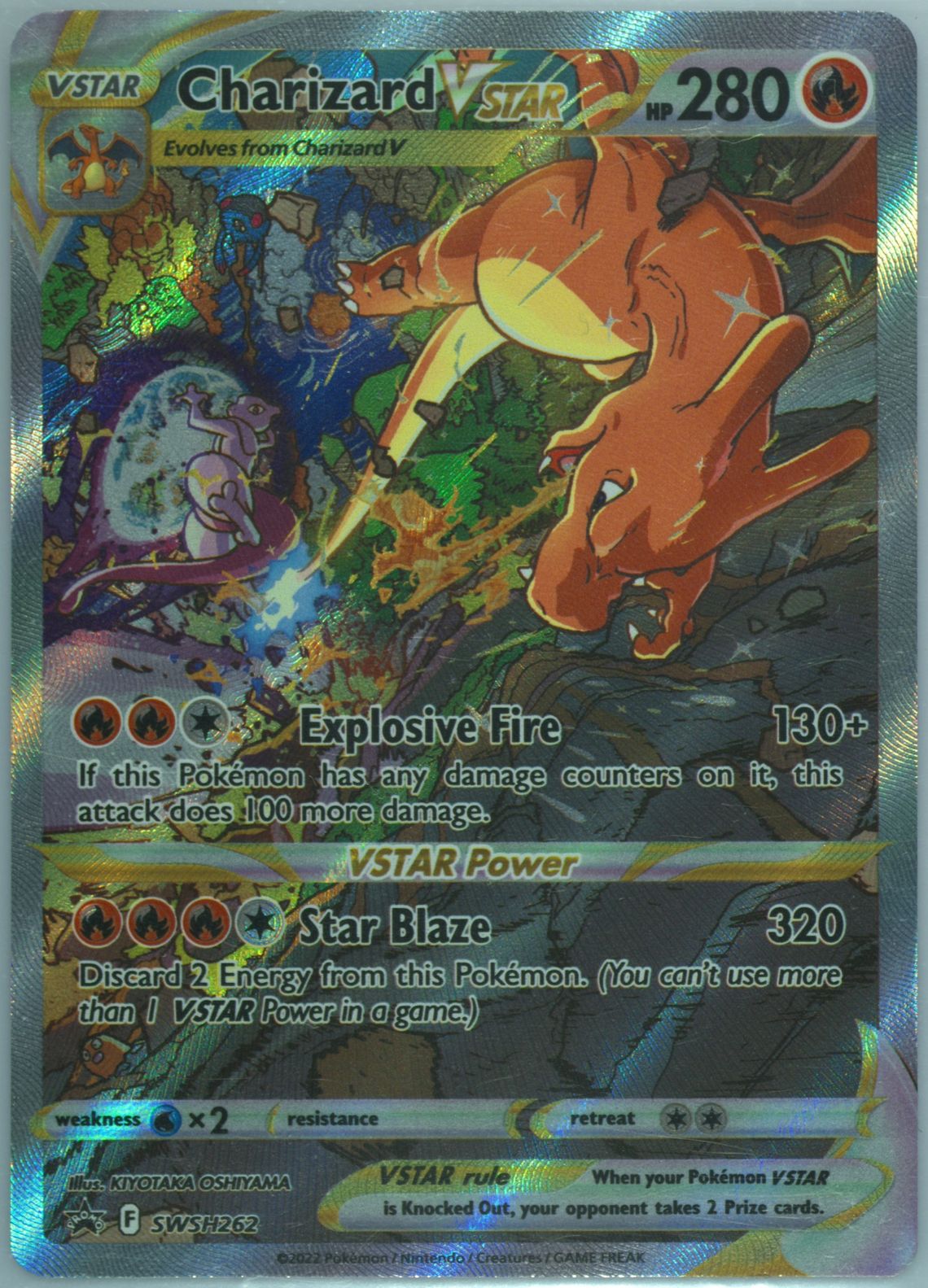
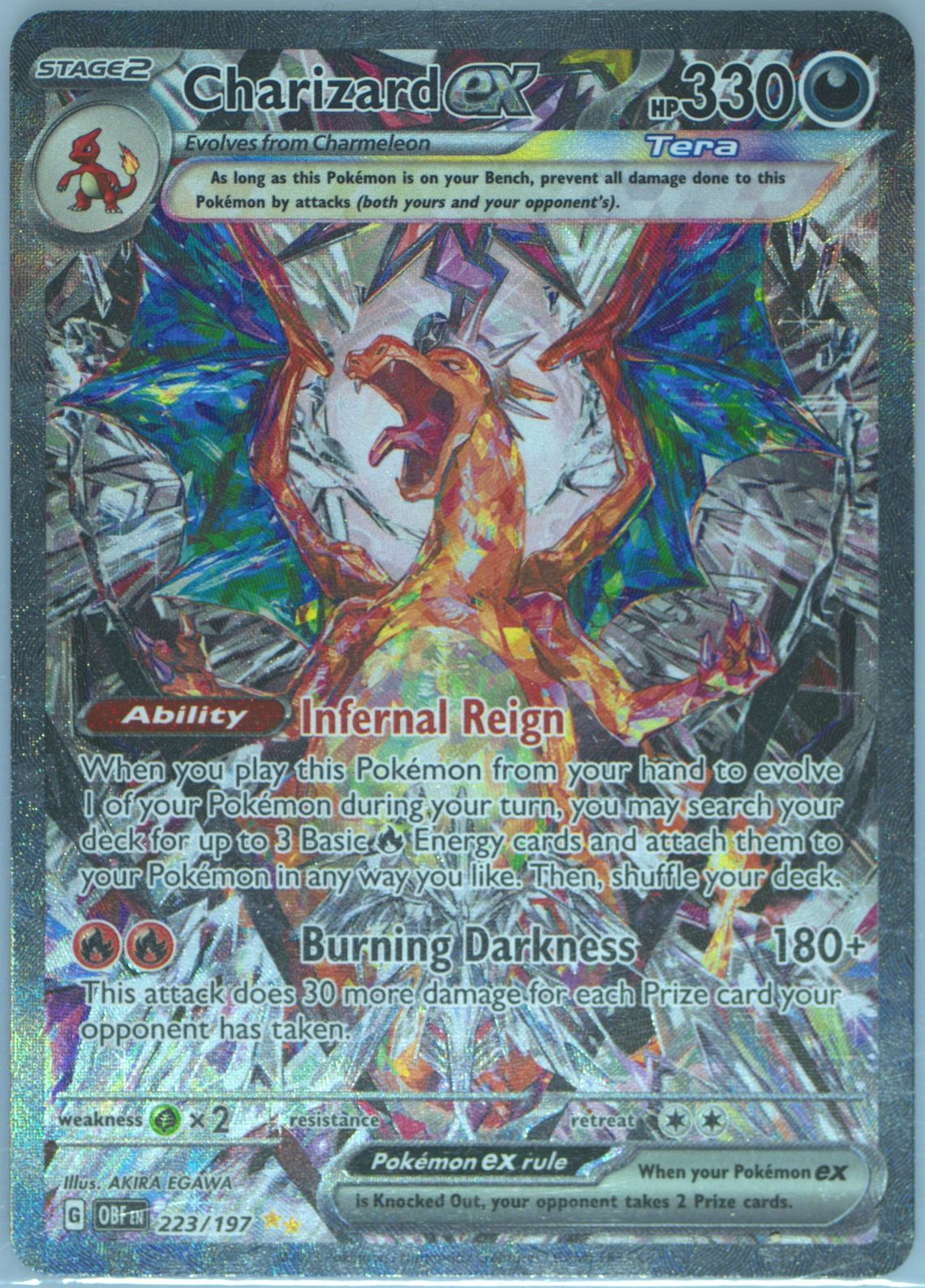
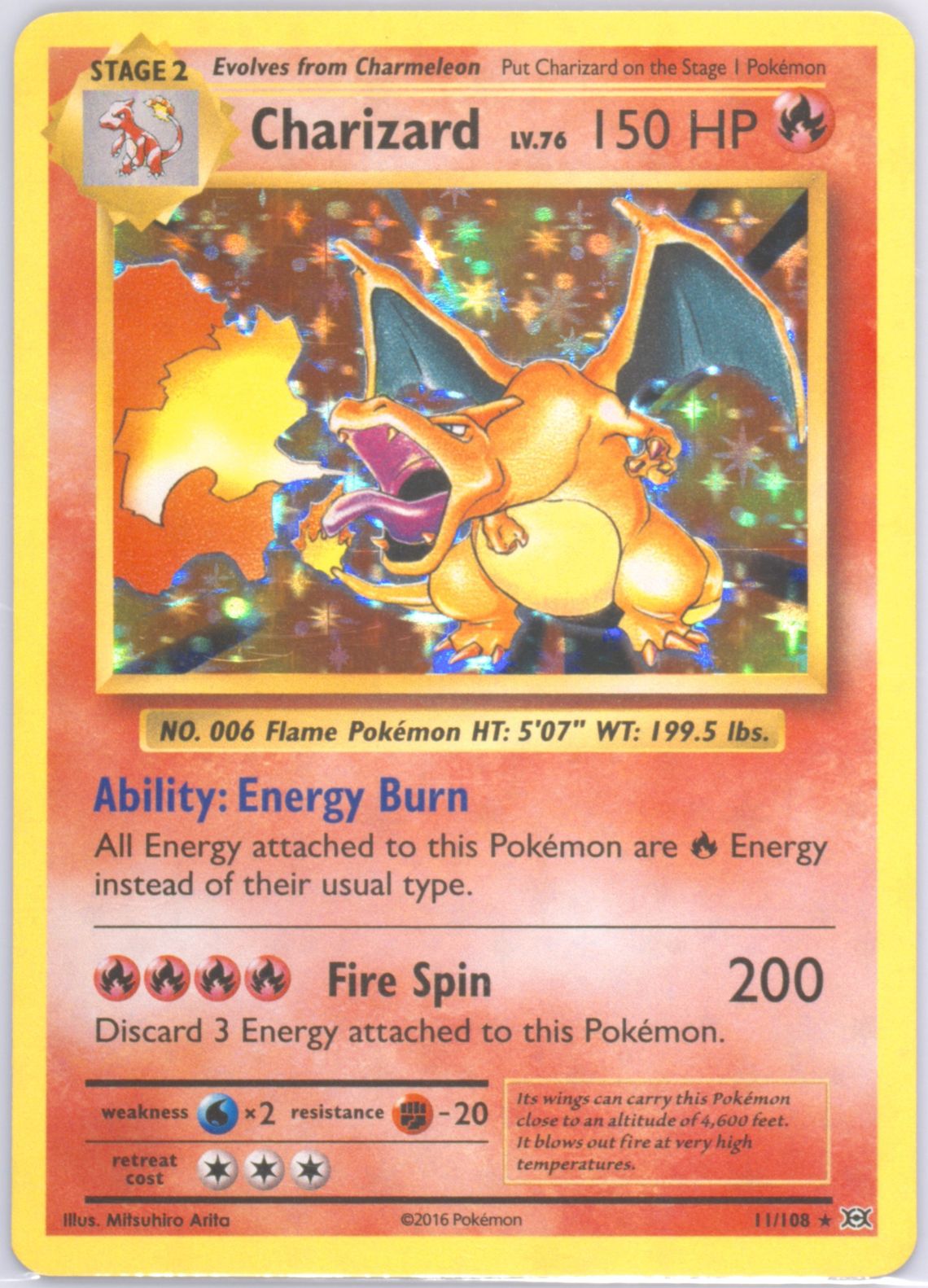
Other notable entries in the eleven-through-twenty range include the Full Art Charizard SWSH Black Star Promo #262 (52,324 total graded), the Charizard EX SIR from Obsidian Flames (51,417 total), and the Charizard Holo from XY Evolutions (50,633 total). The recurring theme is unmistakable: Charizard, Pikachu, promos, and modern chase cards dominate the population rankings far more thoroughly than vintage cards do. If you are keeping count, Charizard alone accounts for at least five entries in the top twenty.
Now, the main event. Here are the ten most graded Pokemon cards of all time, counting down from number ten to the undisputed champion at number one.
#10. Moltres & Zapdos & Articuno GX (Hidden Fates ETB Promo, SM210, 2019)
65,022 total graded | 37,402 gems | 58% gem rate
The Legendary Bird trio GX from the Hidden Fates Elite Trainer Box is a card that perfectly illustrates how promo distribution drives massive grading volume. Every single Hidden Fates ETB included this card, and Hidden Fates was one of the most opened Pokemon products of the modern era. The set was famous for its shiny vault subset and was reprinted multiple times between 2019 and 2021 due to relentless consumer demand, which means millions of copies of this promo entered circulation over a roughly two-year window. The card itself is visually stunning, featuring all three Legendary Birds in a dynamic full-art composition that fills the entire card surface, and it looks genuinely impressive in a slab. The fifty-eight percent gem rate tells us that these promos came out of the ETB in reasonably good condition on average, though the packaging was not always kind to them. Roughly two out of every five submissions missed the PSA 10 mark, likely due to edge contact with other materials within the ETB, minor surface imperfections from production, or handling damage during the packaging and shipping process. Still, over thirty-seven thousand gem mint copies exist in PSA holders, making this one of the most accessible high-grade tag team GX cards on the market. Hidden Fates changed the modern collecting landscape by demonstrating that a well-designed set with compelling chase cards could generate sustained demand for years after release, and this promo card's population of over sixty-five thousand is a direct reflection of that phenomenon. For collectors who want a visually impressive modern card in a PSA 10 slab without breaking the bank, this remains one of the best options available.

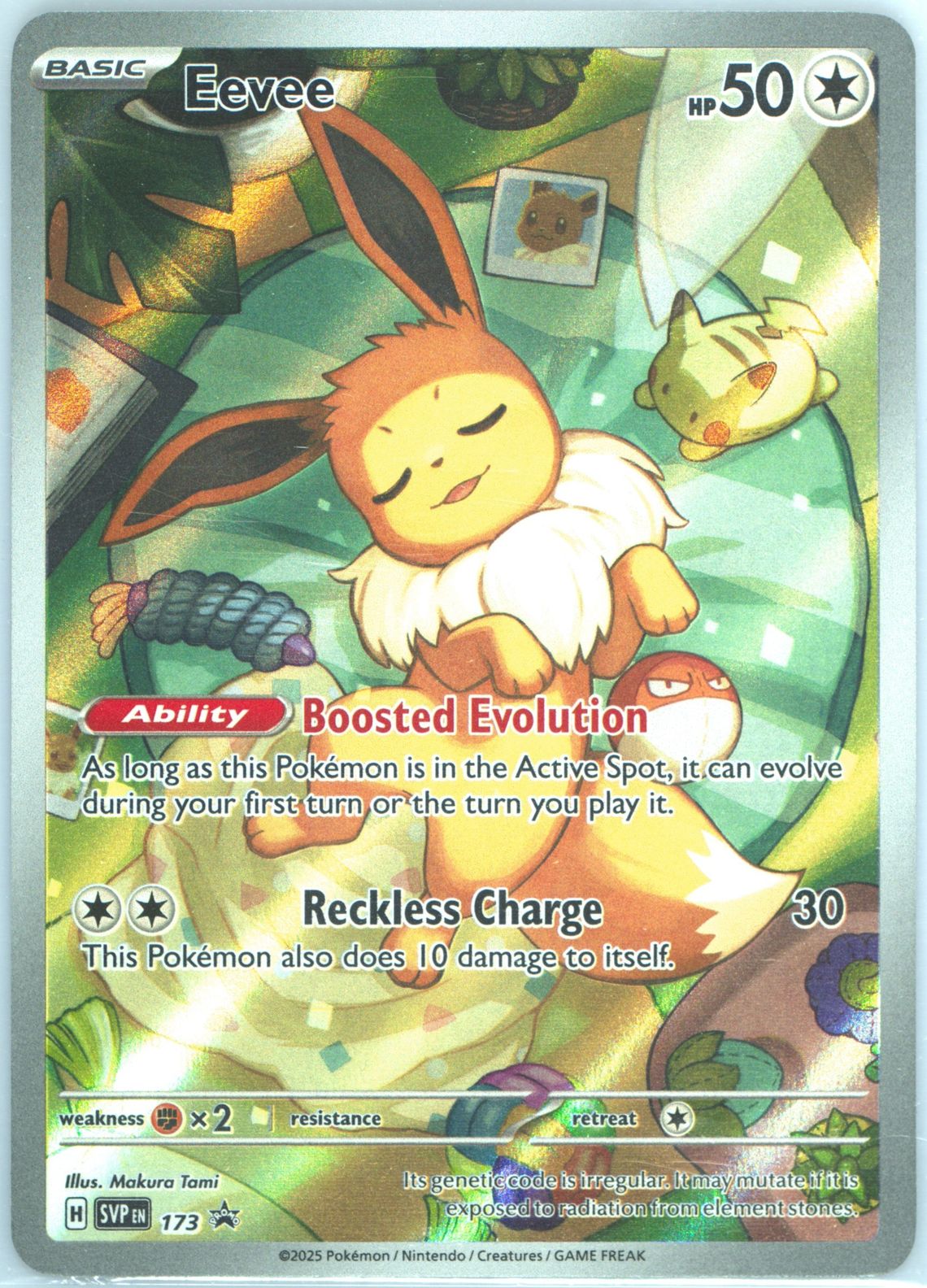
#9. Eevee (Prismatic Evolutions ETB Promo, #173, 2025)
71,331 total graded | 28,814 gems | 40% gem rate
Prismatic Evolutions was the breakout Pokemon TCG product of early 2025, generating a level of hype and demand that rivaled the pandemic-era peaks, and the Eevee promo included in every Elite Trainer Box became an instant grading staple. With over seventy-one thousand total submissions in barely a year since release, this card accumulated a PSA population that took many vintage cards decades to build. That speed of accumulation is itself a data point worth noting: it demonstrates just how rapidly the modern grading pipeline operates compared to even five years ago. Collectors are submitting within days of pulling, not years.
The forty percent gem rate is notably lower than you might expect for a modern promo, and that tells an interesting story about production quality and packaging. Many collectors reported that the Eevee promo arrived with minor surface scratches, edge whitening, or print imperfections caused by contact with other materials inside the ETB. That packaging-related quality issue dragged the gem rate down significantly, meaning six out of every ten submissions fell below PSA 10. Despite those quality control challenges, the sheer volume of submissions speaks to the extraordinary demand surrounding Prismatic Evolutions as a product and Eevee as a character. Eevee is one of the most universally beloved Pokemon in the franchise, its appeal spanning every demographic in the hobby, and the Prismatic Evolutions artwork captures that charm beautifully. For a card to crack the top ten most graded Pokemon cards of all time after just twelve months of existence is a remarkable achievement that underscores how the modern collecting ecosystem has fundamentally changed the relationship between time and population count.
#8. Ancient Mew (Pokemon 2000 Movie Promo)
71,995 total graded | 3,722 gems | 5% gem rate
Ancient Mew is one of the most iconic promotional cards in Pokemon history, and its position at number eight on this list is a testament to the enduring power of nostalgia and cultural memory. This card was distributed to moviegoers who attended the theatrical release of Pokemon the Movie 2000 in the summer of 2000, handed out in sealed cellophane wrappers to children and families across thousands of movie theaters worldwide. Millions of copies entered circulation during that theatrical run, making it one of the most widely distributed promotional cards in the history of the trading card industry. The card is immediately recognizable, even to non-collectors, with its hieroglyphic-style artwork, mysterious text in a fictional script, and distinctively embossed holographic pattern that set it apart from every other Pokemon card ever produced. It occupies a unique position in the hobby as a card that almost everyone who grew up with Pokemon during the late 1990s and early 2000s either owned, received at the theater, or at least remembers seeing.
The five percent gem rate is the second-lowest on this entire list and reveals the most important story about this card's grading history. Ancient Mew was notoriously difficult to keep in pristine condition because the cellophane packaging it was distributed in often caused surface damage during storage, and the card's heavily textured, embossed surface showed wear, micro-scratches, and handling marks far more readily than standard holographic cards. Only 3,722 copies out of nearly seventy-two thousand submissions have achieved PSA 10, which means a gem mint Ancient Mew is genuinely scarce despite the card's enormous total population and widespread availability in raw form. This is a case where the total population number and the gem rate tell very different stories: the total count says "extremely common," but the five percent gem rate says "good luck finding a perfect one." That dynamic has kept PSA 10 Ancient Mew prices surprisingly healthy relative to what you might expect given the card's perceived ubiquity. It is also one of only two truly vintage-era cards to crack the top ten on this list, which underscores just how thoroughly modern cards have come to dominate the submission rankings.
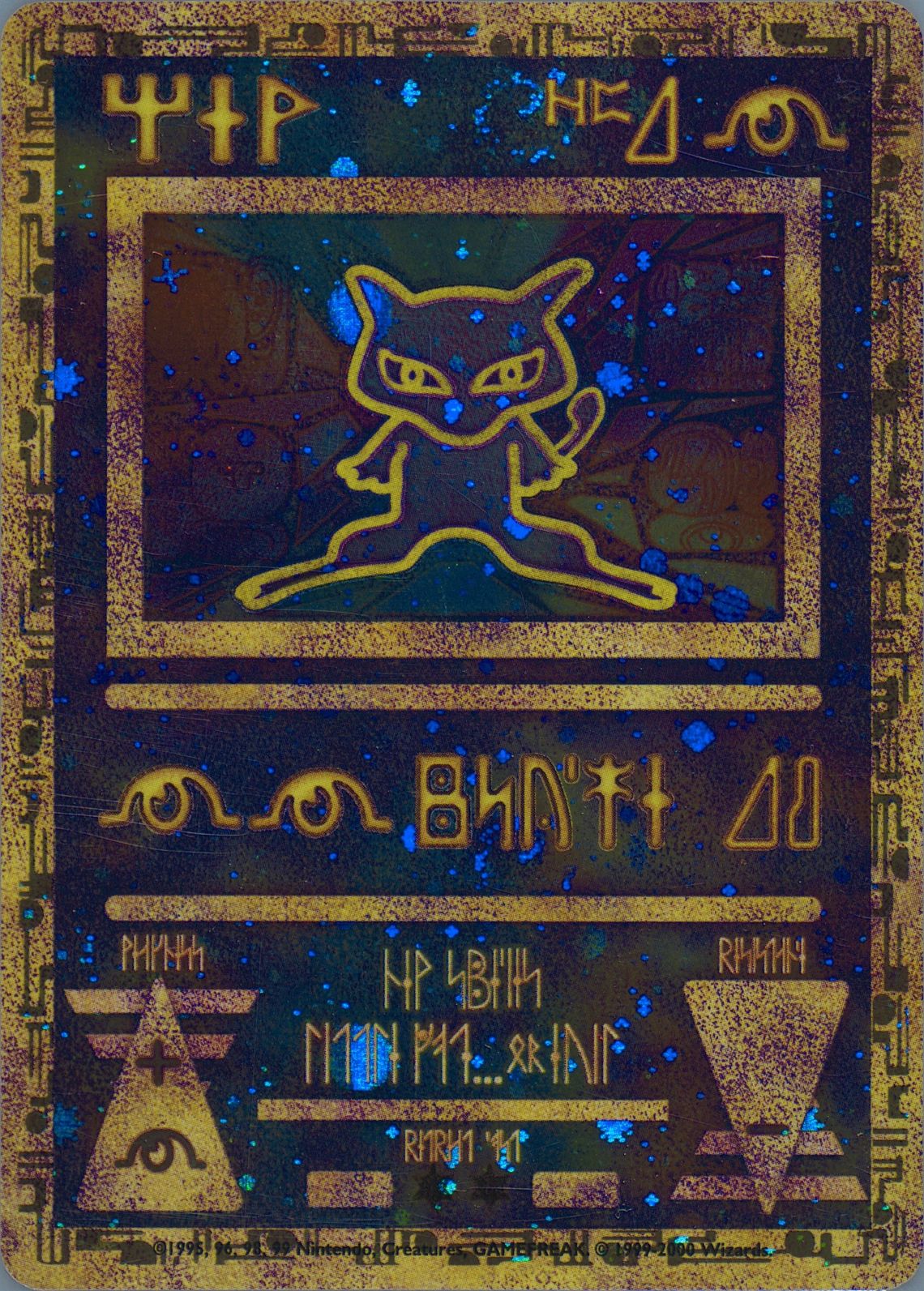
#7. Umbreon EX SAR (Japanese Terastal Fest EX, #217, 2024)
73,821 total graded | 64,542 gems | 87% gem rate
The Umbreon EX Special Art Rare from the Japanese Terastal Fest EX set represents the intersection of several powerful market forces: the global popularity of Umbreon as a character, the Japanese TCG's well-earned reputation for premium production quality, and the modern collector's appetite for grading cards immediately upon release. Umbreon has been one of the most popular and financially significant Pokemon in the TCG for years, consistently commanding premium prices across every set and every rarity it appears in, and this particular illustration from Terastal Fest EX is widely considered one of the finest Umbreon artworks ever printed on a trading card. The dramatic nightscape composition and the vivid interplay of light and shadow make it a card that practically demands to be displayed in a slab.
The eighty-seven percent gem rate is astonishing by any standard and tells us two things with remarkable clarity. First, Japanese card production quality is exceptionally high. The printing, cutting, and finishing processes used by the Japanese card manufacturer produce cards that arrive in packs in near-perfect condition at rates that English production simply cannot match. Second, collectors who submit Japanese cards to PSA tend to be more experienced and more careful with their handling, further increasing the likelihood of top grades. Over sixty-four thousand gem mint copies exist, which is a staggering number for a single card from a single set. But here is what makes Umbreon different from other high-population modern cards: despite that massive supply of PSA 10 copies, market prices for graded examples have remained strong. Umbreon's demand is intense enough and sustained enough that even sixty-four thousand gem mint copies are not sufficient to saturate the market. The card's population is also a powerful illustration of the growing international market for Japanese Pokemon cards. Collectors worldwide are now actively buying Japanese product specifically because the card quality is superior and the artwork is often more striking than its English-language counterpart, and the PSA population data captures that global demand shift in real time.
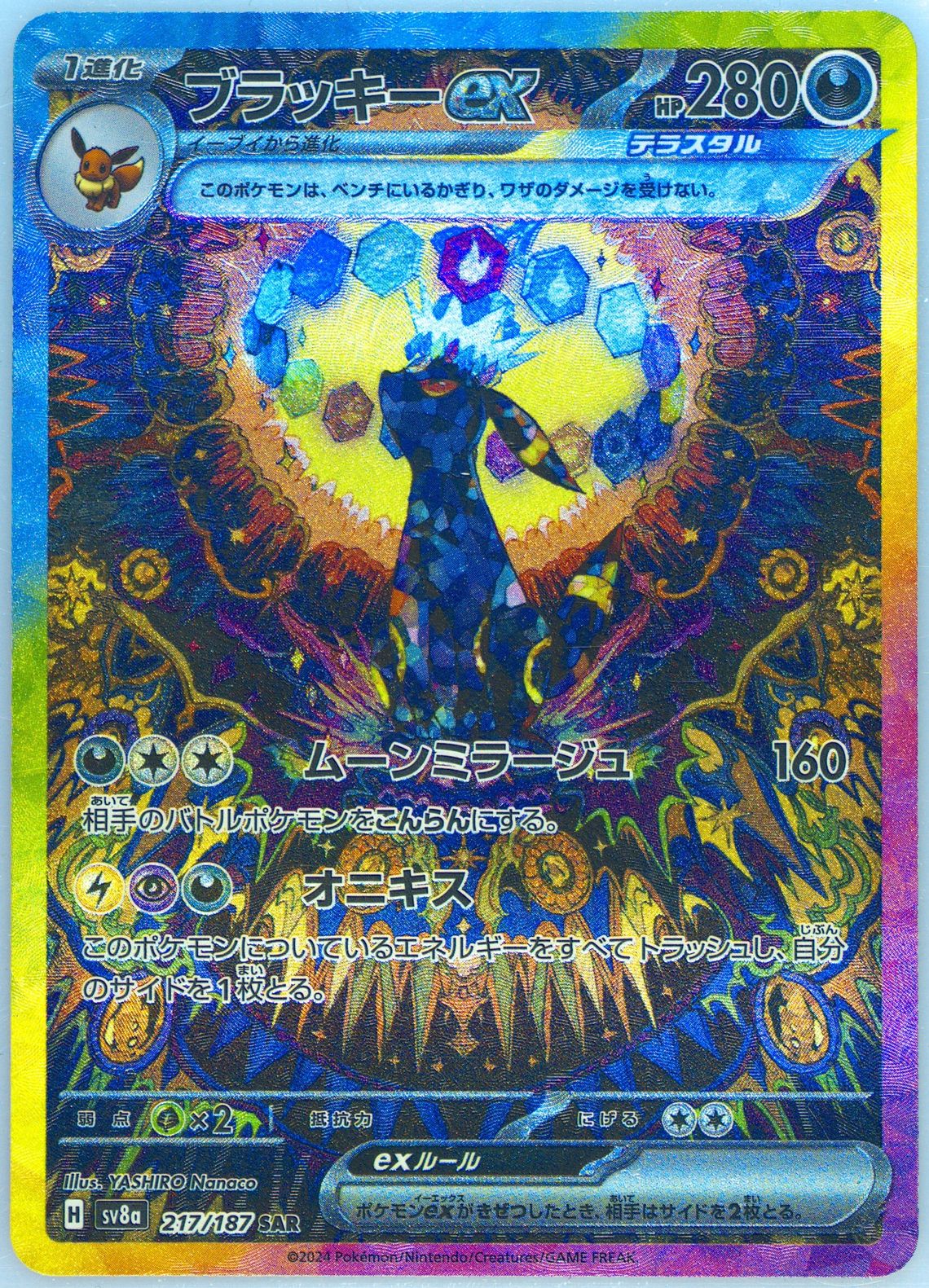
#6. Pikachu (Japanese SV Promo, #001, 2022)
78,142 total graded | 65,471 gems | 84% gem rate
This Pikachu promo was one of the very first promotional cards distributed at the start of the Japanese Scarlet and Violet era, and its PSA population of over seventy-eight thousand makes it one of the most graded Pikachu cards in history. The card was widely distributed as a purchase bonus at Japanese retail locations during the SV launch period, which meant enormous quantities entered circulation from the very beginning. Distribution at that scale, combined with the character's unmatched global recognition, created a perfect environment for massive grading volume.
Pikachu is the face of the Pokemon franchise. It is the single most recognizable character in the entire brand, a mascot known to people who have never played a Pokemon game, watched a Pokemon episode, or opened a Pokemon card pack. Any accessible Pikachu promo with appealing artwork and wide distribution is going to generate significant grading demand, and this card checks every box. The eighty-four percent gem rate confirms what we see consistently across Japanese promos: exceptional production quality that makes PSA 10 the expected outcome rather than a pleasant surprise. Over sixty-five thousand gem mint copies exist, and yet the card remains a popular submission because collectors continue to acquire and grade it as a foundational piece for their Japanese promo collections. What this card's position in the top ten really demonstrates is the scale and enthusiasm of the Japanese Pokemon card market. The volume of PSA submissions originating from Japanese product has grown dramatically in recent years as international collectors have increasingly recognized the quality advantage of Japanese printing, and this Pikachu promo is one of the clearest examples of that trend. It is a card whose population speaks not just to Pikachu's popularity but to the structural shift in where grading volume comes from in the modern era.
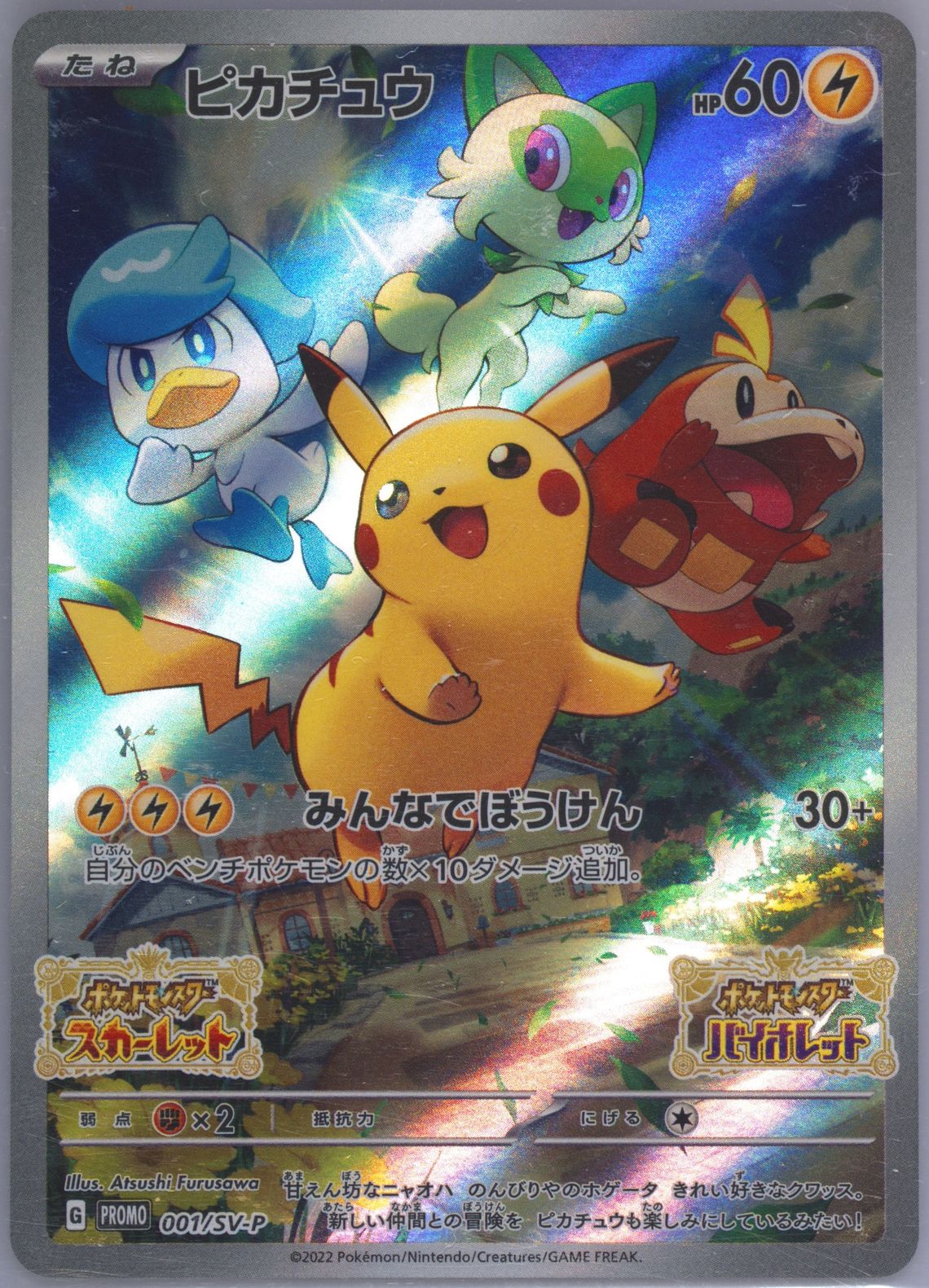
#5. Charizard V (Champion's Path ETB Promo, #050, 2020)
87,284 total graded | 49,280 gems | 56% gem rate
Champion's Path arrived in the fall of 2020, right in the absolute heart of the pandemic-era Pokemon boom, and the Charizard V promo included in every Elite Trainer Box became one of the most submitted cards in the history of the hobby. The timing could not have been more perfect for generating massive grading volume. Pokemon card collecting exploded during 2020 as a convergence of factors -- nostalgia, stimulus money, social media virality, influencer attention from figures like Logan Paul, and the simple reality that millions of people were stuck at home looking for hobbies -- drove an unprecedented wave of new and returning collectors into the market. Champion's Path ETBs were nearly impossible to find at retail during the initial release window, commanding significant premiums on the secondary market, and every single box that was opened included this Charizard V promo. The result was a perfect storm of Charizard demand, product scarcity perception, and grading enthusiasm that pushed submission numbers into the stratosphere.
The fifty-six percent gem rate is solid but not spectacular for a modern promo, suggesting that the ETB packaging caused issues for a meaningful percentage of copies. About forty-four percent of submissions fell below PSA 10, likely due to surface contact with the plastic insert inside the box, minor print quality variations across the production run, or handling damage during the packaging process. Still, nearly fifty thousand gem mint copies exist, making this one of the most abundant Charizard PSA 10 slabs in the entire hobby. Champion's Path Charizard V is the card that defined the pandemic grading era. It represents a specific cultural moment when millions of people simultaneously decided that they needed a Charizard in a PSA slab, and the population data will forever capture that moment. No other card quite encapsulates the energy, the excitement, and the slightly irrational enthusiasm of the 2020 Pokemon boom the way this one does, and its position at number five on the all-time most graded list is a permanent monument to that era.
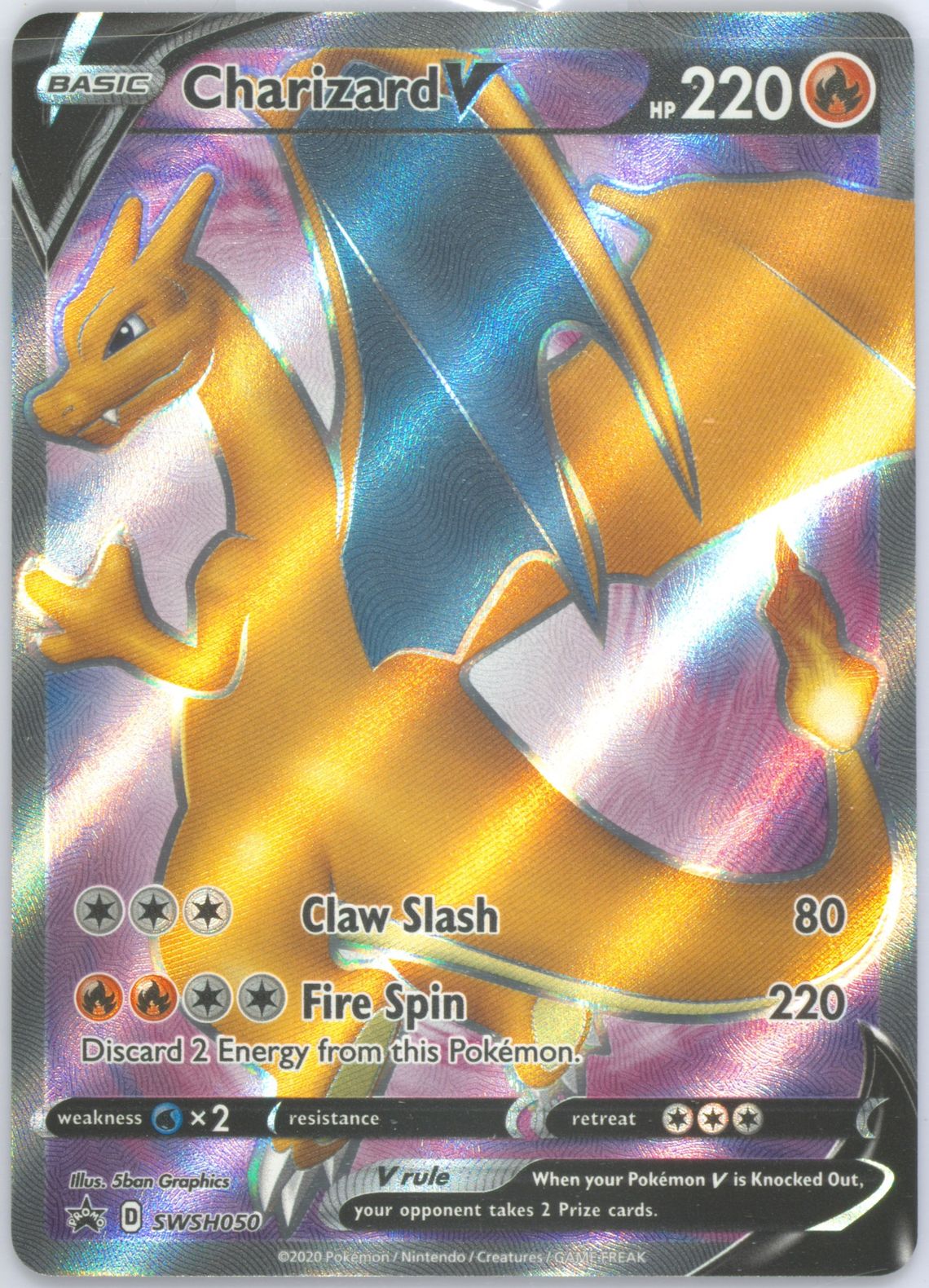
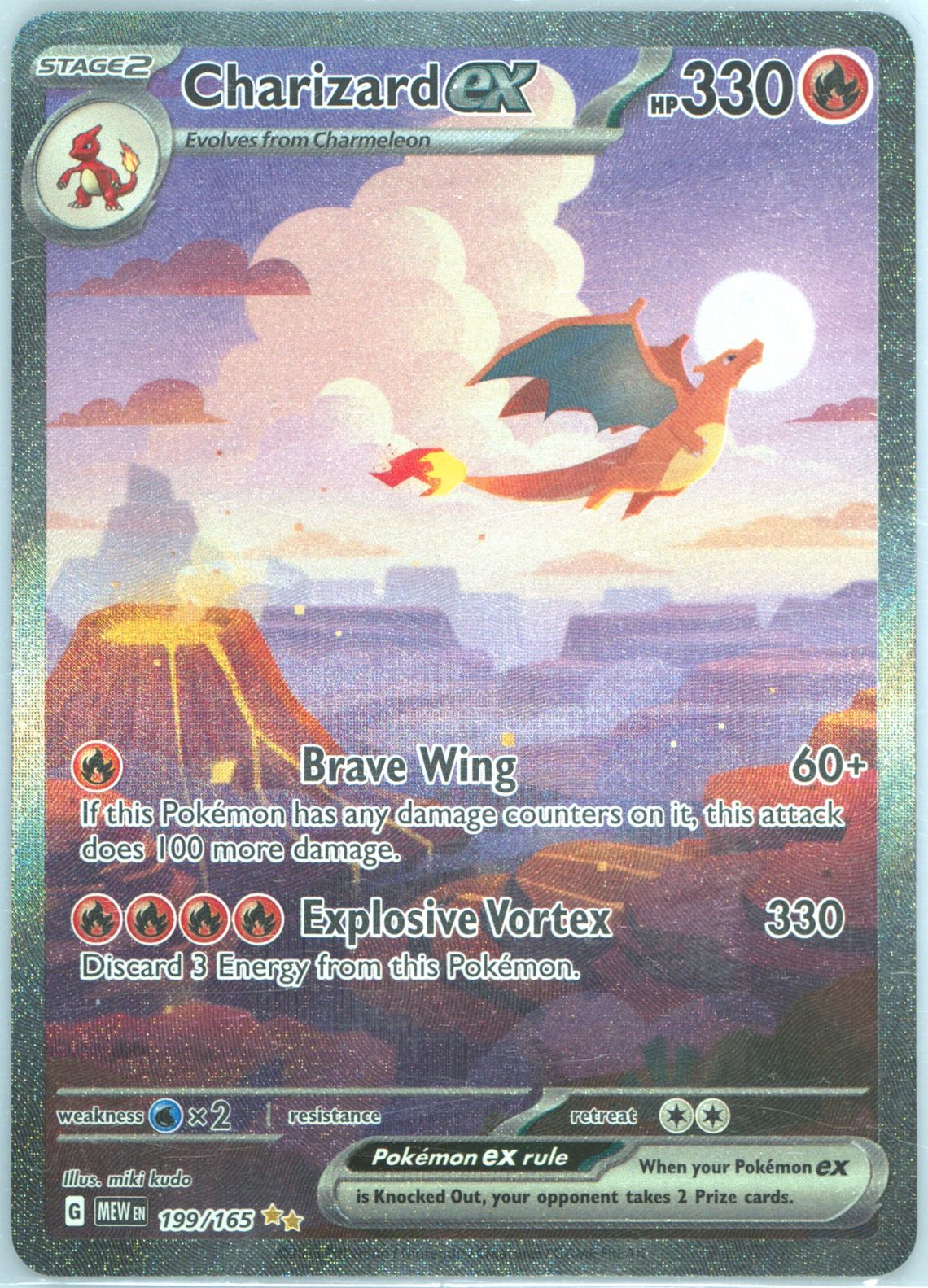
#4. Charizard EX SIR (151, #199, 2023)
90,861 total graded | 26,443 gems | 29% gem rate
The Special Illustration Rare Charizard EX from the 151 set is a masterpiece of modern card design and one of the most aggressively graded cards in the recent history of the hobby. The illustration by Mitsuhiro Arita, the same artist who painted the original Base Set Charizard over two decades ago, depicts Charizard in a nostalgic, almost painterly style that immediately resonated with collectors who grew up with the original artwork. There is a deliberate visual continuity between this card and its Base Set ancestor, and the 151 set was explicitly designed to capitalize on that connection: every original Kanto Pokemon received new cards, and the Special Illustration Rares were positioned as the ultimate chase pulls for each Pokemon. Charizard, predictably, was the marquee card of the entire product line.
Over ninety thousand total submissions in roughly two and a half years is a remarkable pace that puts this card on a trajectory to potentially challenge even higher entries on this list as submissions continue to accumulate. But the twenty-nine percent gem rate is the statistic that really demands attention. Despite being a modern card pulled from modern packs, less than one in three submissions achieved PSA 10. That is significantly lower than what we see from Japanese cards of similar vintage, and it reflects a well-documented quality gap between English and Japanese card production. Centering issues, print lines, surface imperfections, and ink inconsistencies are meaningfully more common in English printings, and the 151 Charizard SIR has been no exception. Collectors who opened 151 product saw a wide range of quality even among freshly pulled copies, and the PSA data confirms that variance at scale. That relatively low gem rate has actually been favorable for PSA 10 market prices, because it means the gem mint copies represent a genuinely curated subset of the total population. When seven out of ten submissions do not make the cut, the ones that do carry real scarcity value even within a ninety-thousand-plus total population. It is a dynamic that mirrors what we see with vintage cards, where condition rarity drives premiums, but compressed into a much shorter timeframe and driven by production quality issues rather than decades of handling wear.
#3. Charizard Holo (Base Set, #4, 1999)
94,731 total graded | 488 gems | 1% gem rate
The original. The icon. The card that launched a thousand collections and arguably built the modern trading card hobby as we know it. The Base Set Charizard Holo is the third most graded Pokemon card of all time, and that number contains one of the most remarkable data stories in the entire PSA database. Nearly ninety-five thousand individual people have paid to have their Base Set Charizard professionally graded, and only 488 of those submissions -- less than one percent -- achieved PSA 10 Gem Mint. Let that ratio sink in for a moment. Out of almost a hundred thousand attempts, fewer than five hundred cards were perfect. One in roughly every two hundred.
That one percent gem rate is the lowest on this entire list by a wide margin, and it tells the definitive story of a card that was almost never treated with the kind of care required to produce gem mint grades. These cards were pulled by children in 1999 and 2000. They were screamed over in cafeterias and shown off at recess. They were slid across lunch tables and shuffled into decks without sleeves. They were traded in schoolyard deals, shoved into jeans pockets, and stored in shoeboxes under beds. They were beloved -- more beloved than perhaps any other trading card in history -- but they were not protected. Nobody in 1999 was putting their Charizard into a penny sleeve and toploader within seconds of pulling it from a pack. They were playing with it, because that is what cards were for.
The overwhelming majority of graded Base Set Charizards fall in the PSA 4 through PSA 8 range, which represents the natural condition spectrum of cards that were actually played with and enjoyed for years before anyone thought to preserve them. That population distribution is precisely what makes the rare PSA 9 and PSA 10 copies so extraordinarily valuable. A PSA 10 Base Set Charizard has sold for six figures on multiple occasions, and the population data explains exactly why: when fewer than five hundred copies exist at that grade out of a pool of nearly ninety-five thousand, you are looking at genuine, mathematically verifiable scarcity. The card's position at number three rather than number one might surprise collectors who assumed the most iconic card in the hobby would automatically be the most graded, but it perfectly illustrates the broader theme of this entire article: modern cards generate far more grading volume than vintage cards, even the most iconic vintage cards in existence. What took Base Set Charizard twenty-five years to accumulate, a Japanese McDonald's promo achieved in a fraction of that time. The world has changed.

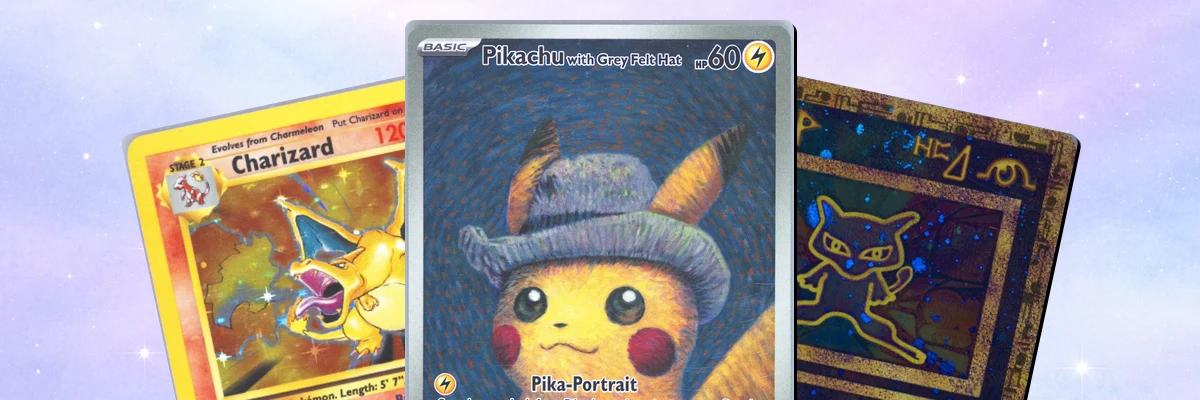
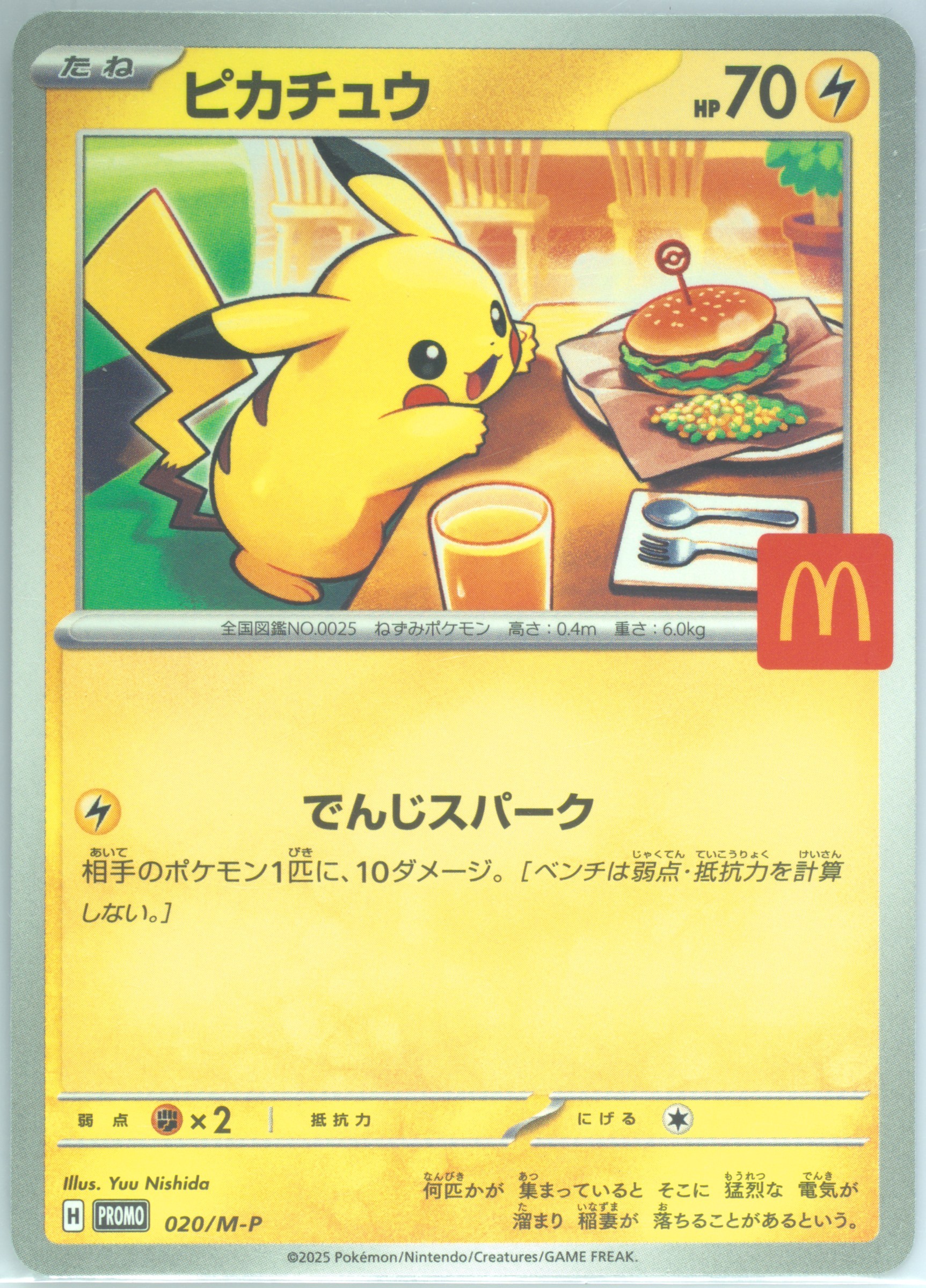
#2. Pikachu With Grey Felt Hat (Van Gogh Museum Promo, SV Black Star #085, 2023)
105,037 total graded | 46,800 gems | 45% gem rate
The Pikachu With Grey Felt Hat promo from the Van Gogh Museum collaboration is one of the most culturally significant Pokemon cards ever produced, and its position as the second most graded card in PSA history reflects the extraordinary, unprecedented level of attention it received from collectors, speculators, the mainstream media, and the general public alike. This card transcended the hobby in a way that very few Pokemon cards ever have.
The story of this card's release has become a legend in the collecting community. It was originally distributed at the Van Gogh Museum in Amsterdam as part of a Pokemon-themed exhibition that opened in the fall of 2023, and the initial release was an absolute frenzy. Lines wrapped around the museum before dawn. Scalpers descended on the venue in organized groups. The online ordering system crashed repeatedly. The card became an international news story covered by outlets that had never written about Pokemon cards before, drawing attention from art world publications, mainstream newspapers, and television programs. The combination of Pokemon, fine art, a world-famous museum, and extreme perceived scarcity created a speculative mania that drove secondary market prices to absurd heights in the weeks following release. Subsequent reprints, expanded distribution through the Pokemon Center, and additional allocation to the museum eventually brought supply closer to demand and prices back down to earth, but by then the grading floodgates had already opened wide.
Over one hundred and five thousand copies have been submitted to PSA, making this the most graded English-language Pokemon card in history by a significant margin. The forty-five percent gem rate is lower than you might expect for a modern promo and reflects several factors: the card's textured surface is prone to showing micro-scratches, centering has been inconsistent across different print runs, and the sheer volume and velocity of submissions meant that many copies were handled less carefully in the rush to get them graded quickly. What the Van Gogh Pikachu's massive population really demonstrates is the power of crossover cultural appeal. This card did not just attract Pokemon collectors. It attracted art enthusiasts, museum visitors, gift buyers, casual tourists, and mainstream media consumers who had never engaged with the Pokemon TCG before and may never engage with it again. That expanded audience inflated the submission numbers far beyond what even the most popular standard set cards can achieve, because the pool of potential submitters extended well outside the boundaries of the established collecting community. It is a singular card with a singular story, and its population reflects that uniqueness.
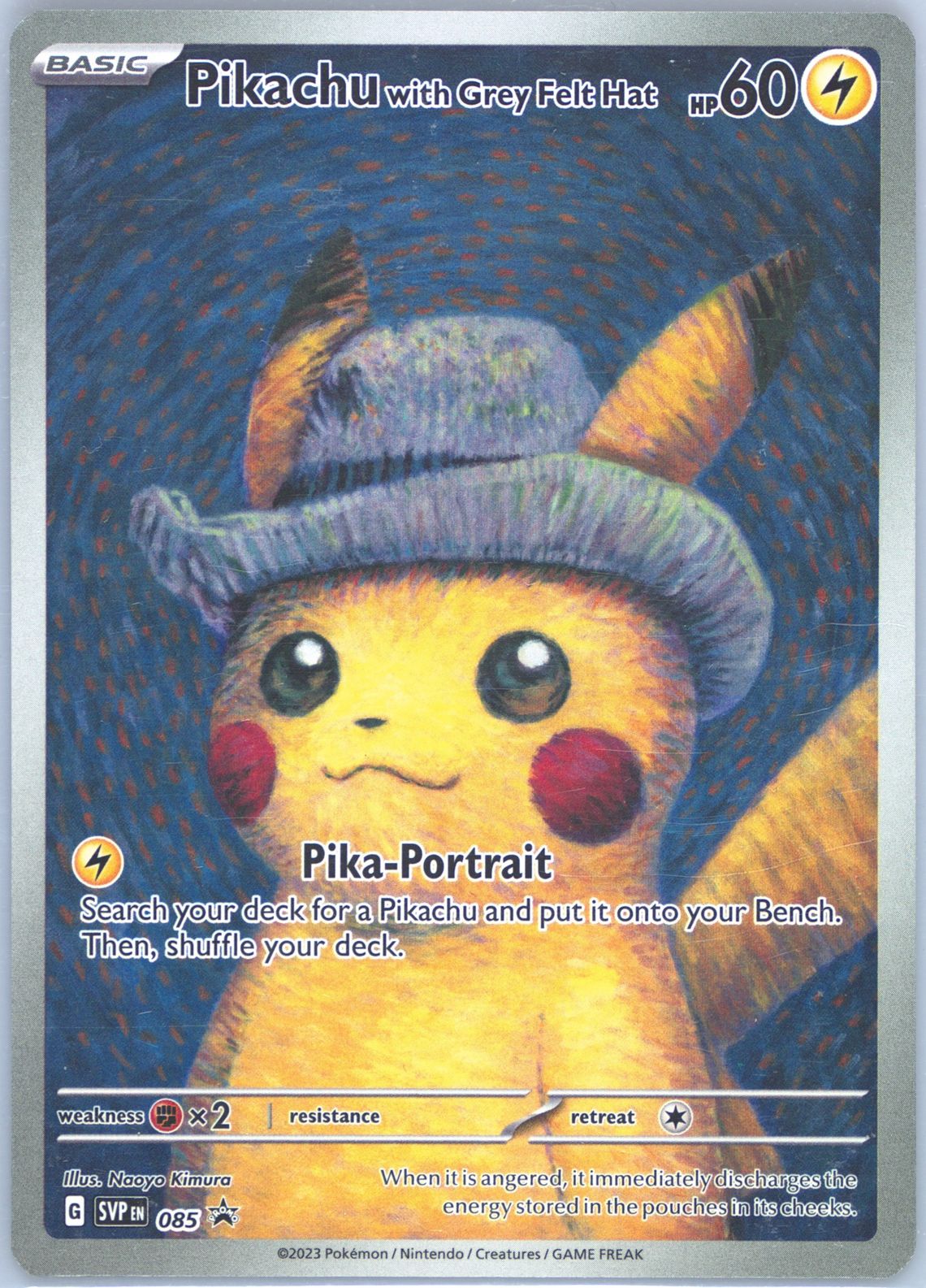
#1. McDonald's Pikachu (Japanese M-P Promo, #020, 2025)
273,159 total graded | 239,939 gems | 88% gem rate
The most graded Pokemon card of all time is not a Base Set holo, not a chase card from a premium booster set, and not a vintage collectible worth thousands of dollars. It is a Japanese McDonald's promotional Pikachu from 2025, and it sits at the top of the PSA population rankings by a margin that is not remotely close to anything else in the database. At 273,159 total submissions, the McDonald's Pikachu has nearly three times the population of the second most graded card on this list. The number is so large that it almost defies comprehension in the context of single-card populations. To put it in perspective: if you combined the total graded populations of every card ranked second through fifth on this list, the sum would still not match this single Pikachu. It is, by any measure, the most submitted trading card in modern hobby history.
So how did a fast food promotional card become the most graded Pokemon card ever? The answer lies in a perfect and likely unrepeatable convergence of factors. First, distribution scale: McDonald's Japan distributed this card as part of a promotional Happy Meal campaign, and McDonald's operates roughly 3,000 locations across Japan. The promotional period generated massive foot traffic from Pokemon fans of all ages, and the volume of cards distributed was staggering. Millions of copies entered circulation through one of the largest and most efficient distribution networks on the planet. Second, the Japanese grading culture: Japanese Pokemon collectors have embraced PSA grading at a scale and enthusiasm level that dwarfs most other national markets. The infrastructure for bulk submissions in Japan is highly developed, costs are relatively low per card, and there is a strong cultural norm of grading even inexpensive cards as a matter of completion and collection display. Third, and most simply: Pikachu. The character is the most recognizable mascot in the world, and any Pikachu card with reasonable production quality and wide distribution will attract grading interest. This card had all three factors working at maximum intensity simultaneously.
The eighty-eight percent gem rate is the highest on this entire list and confirms what we already know about Japanese card production quality: it is exceptional. The cards came out of their promotional packaging in near-perfect condition at extraordinary rates, and collectors who handled them carefully could expect PSA 10 outcomes with high confidence. Nearly 240,000 copies achieved PSA 10 Gem Mint. That means there are more gem mint copies of this single promotional Pikachu in existence than there are total graded copies of any other Pokemon card, period. That statistic alone redefines how we think about population and scarcity in the modern grading market. The McDonald's Pikachu will never be a high-value card on a per-copy basis, precisely because the supply at every grade level, but especially at PSA 10, is so astronomically large that demand cannot create meaningful scarcity-driven premiums. But its significance as a data point is immense. It represents the absolute peak of what happens when mass distribution through a global food chain, cultural relevance through the world's most popular character brand, and an enthusiastic, infrastructure-rich grading culture converge on a single card at the same moment in time. Whether any card ever surpasses this population remains to be seen, but the conditions that produced it were so specific and so extreme that the record may stand for a very long time.
What the Data Tells Us
Stepping back from the individual card entries, the PSA population data reveals several broad, interconnected themes that are essential for understanding the current state and trajectory of the Pokemon collecting hobby.
Modern Cards Dominate -- and It Is Not Even Close
The single most striking takeaway from this data is how thoroughly modern cards have overtaken vintage cards in total grading volume. Of the top ten most graded Pokemon cards, only two -- Base Set Charizard and Ancient Mew -- predate 2019. The other eight were all released between 2019 and 2025. This is not because collectors have stopped caring about vintage cards. It is because the total addressable market for Pokemon cards has expanded dramatically in the modern era, and the infrastructure for grading has simultaneously become far more accessible, affordable, and culturally normalized. When Base Set was released in 1999, PSA grading was a niche service used by a tiny fraction of the collecting community. Today, grading is mainstream. Collectors submit cards within days of pulling them from packs, bulk submission services operate at scale in multiple countries, and the expectation of grading is baked into the modern collecting experience from the start. The result is population counts that vintage cards, even the most beloved vintage cards in the hobby, simply cannot compete with on a volume basis. Base Set Charizard needed twenty-five years and a global pandemic-driven boom to reach ninety-five thousand submissions. The McDonald's Pikachu reached 273,000 in roughly a year.
Promos Are the Population Kings
Seven of the top ten most graded cards are promotional cards rather than standard booster pack pulls. McDonald's promos, ETB promos, museum collaboration promos, and retail purchase campaign promos consistently generate higher grading volume than even the most desirable standard set chase cards. The reason is structural rather than emotional: promos are distributed in fixed, predictable quantities through specific channels, which creates both uniform distribution and a powerful perception of special-ness that incentivizes grading. When every ETB contains the same promo card, every single buyer of that product becomes a potential PSA submitter. When a card is only available through a specific purchase or event, it carries an implicit narrative of exclusivity that motivates preservation through grading. The promo distribution model, in other words, is optimized for generating grading volume in a way that random booster pack pulls are not. You can open twenty packs and never pull the chase card from a standard set. But you buy one ETB and you definitely have that promo. That certainty of distribution translates directly into certainty of PSA submissions.
The Charizard Factor
Charizard appears at least five times in the top twenty most graded Pokemon cards, spanning Base Set (1999), Champion's Path (2020), the 151 set (2023), Celebrations Classic Collection (2021), Obsidian Flames (2023), and XY Evolutions (2016). No other Pokemon comes close to that level of cross-era, cross-product representation. Charizard's dominance of the PSA population rankings mirrors its dominance of the market in general: it is the most sought-after, most financially significant, and most culturally resonant character in the franchise, and every new Charizard card generates outsized grading interest regardless of the set it appears in, the rarity it is printed at, or the era it belongs to. The data suggests that Charizard occupies a permanent, structural position of cultural significance within the hobby that transcends any individual card, set, or market cycle. It is not a trend. It is a constant.
Japanese Cards Are a Massive and Growing Force
Three of the top ten most graded cards are Japanese-language cards -- the McDonald's Pikachu at number one, the Japanese SV Promo Pikachu at number six, and the Umbreon EX SAR from Terastal Fest EX at number seven -- and Japanese cards feature prominently in the honorable mentions as well with Iono's Wattrel and the Magikarp Art Rare. The Japanese market's influence on global PSA population data has grown enormously in recent years, driven by two reinforcing factors: Japan's enthusiastic grading culture, which normalizes the submission of even low-value cards, and the global collector base's increasing recognition that Japanese cards offer superior production quality compared to their English-language counterparts. The gem rates tell this story clearly. The three Japanese cards in the top ten average an eighty-six percent gem rate. The English-language modern cards average roughly forty-five percent. That quality gap is not subtle. It is a two-to-one difference in the likelihood of achieving a PSA 10, and it has significant implications for how collectors think about which version of a card to collect and grade.
Gem Rates Tell the Real Story
Perhaps the single most valuable analytical insight from the population data is not the total submission numbers but the gem rates. The spread between the highest gem rate on this list (eighty-eight percent for the McDonald's Pikachu) and the lowest (one percent for Base Set Charizard) reveals fundamentally different stories about fundamentally different eras of the hobby.
The one percent gem rate for Base Set Charizard tells a story of childhood cards that were loved and played with but never preserved. It tells a story where perfection is genuinely rare because the cards were never intended to be collectibles in the way we understand the term today. They were toys. They were game pieces. They were objects of play and trade and imagination, not investment vehicles sealed in protective cases. The scarcity of PSA 10 copies is a direct consequence of how the cards were used, and that scarcity creates massive premiums at the top of the grading scale.
The eighty-eight percent gem rate for the McDonald's Pikachu tells a completely different story. It tells a story of a modern market where cards are immediately sleeved, toploaded, and submitted to grading services, often without ever being played with, shuffled, or even fully handled outside of their protective packaging. It tells a story where PSA 10 is the expected outcome rather than the exception, and where the grading process is less about discovering hidden condition rarity and more about confirming expected quality. Both stories are valid, but they produce very different market dynamics. Low gem rates create significant PSA 10 premiums because perfection is mathematically scarce. High gem rates compress the grade premium because PSA 10 copies are abundant relative to total demand.
Understanding this dynamic is essential for any collector making grading decisions. Submitting a vintage card to PSA is a gamble that the card's condition is exceptional relative to its surviving peers, and the payoff for winning that gamble can be enormous. Submitting a modern Japanese card to PSA is closer to a quality confirmation, a verification that the card meets the expected production standard, and the payoff is more modest but far more predictable. Both strategies can make economic sense, but they require fundamentally different expectations about outcomes, risk profiles, and return on investment.
What This Means for Collectors
The PSA population data is one of the most powerful tools available for making informed collecting decisions. High populations do not automatically mean low value, as the Base Set Charizard proves conclusively. Low gem rates do not automatically mean the card is expensive, but they reliably indicate where the most significant grade premiums exist. The relationship between total population, gem rate, and market value is nuanced and specific to each card, and the collectors who take the time to understand those relationships are the ones who make the best decisions about what to buy, what to submit, and what to hold.
The cards on this list are not necessarily the most valuable or the rarest in the hobby. But they are the cards that the broadest cross-section of collectors have cared about enough to invest money in professionally preserving. That distinction carries its own kind of significance. These are the cards that matter most to the most people, and no amount of market analysis or price speculation can replace that fundamental human signal embedded in the data.
The PSA population reports are ultimately a census of collector sentiment. They measure not just what cards exist but which cards people care about enough to spend money on professionally preserving. The top twenty most graded Pokemon cards paint a vivid picture of a hobby that has evolved dramatically from its vintage roots: modern, global, promo-driven, increasingly influenced by Japanese product quality, and still utterly, inescapably obsessed with Charizard. Whether you are a seasoned collector analyzing grade distributions to inform investment decisions or a newcomer trying to understand why nearly three hundred thousand people graded a McDonald's Pikachu, the data has answers for you. It is one of the most honest and most useful resources in the hobby, and it rewards careful, thoughtful study.
Prices referenced are approximate market values as of March 2026 and will fluctuate. Check current listings on Misprint for the latest prices.