Why Are Pokemon Card Prices Dropping? (2026 Market Analysis)
The market is cooling. Here is why — and what it means for you.
By Misprint Editorial | Published Feb 28, 2026 | 14 min read

Your collection is worth less than it was last year. Let's talk about why.
If you've been watching Pokemon card prices over the past year or so, you've probably noticed that a lot of cards are worth less than they used to be. Maybe you checked the value of a card you bought in 2021 and realized it's dropped 30-50%. Maybe you've been trying to sell cards and the offers are lower than expected. Maybe you're just seeing the anxiety on Reddit and YouTube: "Is the Pokemon card market crashing?"
Take a breath. The market isn't crashing in the apocalyptic sense. But it is correcting, and understanding why prices are dropping — and which categories are affected differently — is critical for making smart decisions right now, whether you're a collector, an investor, or someone trying to figure out if they should buy or sell.
We've been tracking Pokemon card prices every single day through Misprint, and we have a pretty clear picture of what's happening. Let's break it down.
The Big Picture: What's Actually Happening
Pokemon card prices peaked for most categories sometime between late 2020 and mid-2022, depending on the specific card type. Since then, prices have gradually declined across much of the market, with the steepest drops occurring in certain categories that were inflated during the COVID-era boom.
This is not the first time this has happened. The Pokemon card market has gone through multiple boom-and-correction cycles:
- 1999-2000: The original Pokemon craze. Prices were wild.
- 2001-2004: The bubble burst. Cards that were $100 dropped to $10. Nobody cared about Pokemon cards for years.
- 2006-2012: A slow, quiet recovery. Prices barely moved.
- 2013-2016: Nostalgia-driven growth as millennials started buying back their childhood cards.
- 2016-2019: Steady appreciation, particularly for graded vintage.
- 2020-2022: The COVID boom. Prices exploded across every category.
- 2022-2026: The correction. Prices have pulled back from the highs, particularly for modern cards and mid-grade vintage.
If you zoom out far enough, the current price decline looks like a normal correction after an abnormal spike. That doesn't make it less painful if you bought at the peak, but it does provide important context.
The Factors Driving Price Declines
Multiple factors are contributing to the current market softness. Understanding each one helps you assess which are temporary and which represent longer-term shifts.
1. The Post-COVID Correction
This is the biggest factor and the one most people don't want to hear: the COVID-era prices were not normal. They were the product of extraordinary circumstances that no longer exist.
During 2020-2021, multiple forces combined to create a perfect storm for Pokemon card prices:
- Stimulus checks and extra disposable income. Millions of people had more cash than usual and limited ways to spend it (restaurants, travel, and entertainment were restricted). Some of that money flowed into collectibles.
- Logan Paul and influencer hype. High-profile celebrities opening Pokemon cards on YouTube and social media brought massive mainstream attention to the hobby. People who hadn't thought about Pokemon cards in 20 years suddenly wanted them.
- Boredom and nostalgia. Stuck at home, people revisited childhood hobbies. Pokemon card collecting saw an influx of returning collectors and brand-new speculators.
- FOMO cycle. As prices rose, more people piled in, fearing they'd miss out on further gains. This created a self-reinforcing cycle that pushed prices far beyond sustainable levels.
Those conditions are gone now. Stimulus money has been spent. The influencer hype cycle has moved on (or at least diversified). People are spending money on travel and experiences again. The FOMO has been replaced by caution. The result is a return toward more sustainable price levels, which means lower prices for many cards compared to the peaks.
2. Increased Print Runs
The Pokemon Company responded to the massive demand of 2020-2022 by increasing production. Significantly. Sets like Brilliant Stars, Lost Origin, Crown Zenith, Pokemon 151, Prismatic Evolutions, and subsequent releases have been printed in quantities that dwarf earlier sets.
More cards in circulation means more supply, which means lower prices for individual cards, all else being equal. A chase card from a set with 10 million booster boxes printed will never be as scarce as the same rarity tier from a set with 2 million boxes.
This affects modern cards much more than vintage. No matter how many modern sets are printed, Base Set Charizards aren't being made again. But for anyone holding modern ultra rares or chase cards, increased print runs have been a significant headwind for prices.
3. Grading Submission Backlogs Have Cleared
During the COVID boom, PSA, CGC, and BGS were overwhelmed with submissions. PSA literally shut down regular submissions at one point because they couldn't keep up. Wait times stretched to 12-18 months.
Those backlogs have largely cleared, and the result is a flood of newly graded cards entering the market. Cards that were submitted in 2021-2022 have been returning to their owners, and many of those owners are selling. This increased supply of graded cards, particularly PSA 10s of modern cards, has put downward pressure on graded card prices.
The impact is especially visible in the PSA 10 market for modern cards. Cards that were submitted during the boom — when people were grading everything — have come back and entered the marketplace, increasing PSA 10 populations and reducing scarcity premiums. A card with 2,000 PSA 10s in early 2022 might have 8,000 PSA 10s now, and the price has adjusted accordingly.
4. Speculator Exits
The COVID boom attracted a wave of speculators — people buying Pokemon cards purely as financial investments with the expectation of selling at higher prices later. Many of these people have since exited the market as prices have declined, selling their holdings at losses to reallocate their money elsewhere.
Speculator exits create selling pressure that pushes prices down further. It's a cycle: prices drop, speculators get nervous, they sell, prices drop more, more speculators sell. This dynamic has been particularly visible in the sealed product market, where large investors were sitting on cases of booster boxes that they're now liquidating.
5. Economic Headwinds
The broader economy matters. Inflation, rising costs of living, and general financial uncertainty have reduced discretionary spending for many people. Pokemon cards are a luxury purchase, and when people are worried about grocery bills and rent, buying a $200 slab or a $150 booster box moves down the priority list.
This doesn't mean demand has disappeared — far from it. But the pool of buyers willing and able to spend significant money on Pokemon cards has shrunk compared to the peak, and that reduced demand is reflected in lower prices.
6. Market Fragmentation
The number of Pokemon card marketplaces, platforms, and selling channels has exploded. Beyond the traditional options (eBay, TCGplayer), there are now more platforms than ever, including Misprint, Whatnot, various Discord servers, Facebook groups, and others. While more platforms create more opportunities to sell, they also fragment demand across more channels, which can reduce the concentration of buyers in any single marketplace and make it harder to achieve premium prices.
7. Set Fatigue
The Pokemon Company has been releasing new sets at an aggressive pace: roughly four main sets per year plus special sets, promotional releases, and various other products. Each new set competes for collectors' attention and dollars, which means older sets lose momentum faster than they would if releases were less frequent.
When a new set drops every few months, the excitement around the previous set fades quickly, and prices for cards from that set often decline as attention shifts to the newest thing. This is a bigger factor for modern cards than vintage, but it contributes to the overall feeling of a declining market.
What's Being Affected Most
Not all Pokemon cards are declining equally. Some categories have been hit much harder than others.
Hardest Hit: Modern Ultra Rares
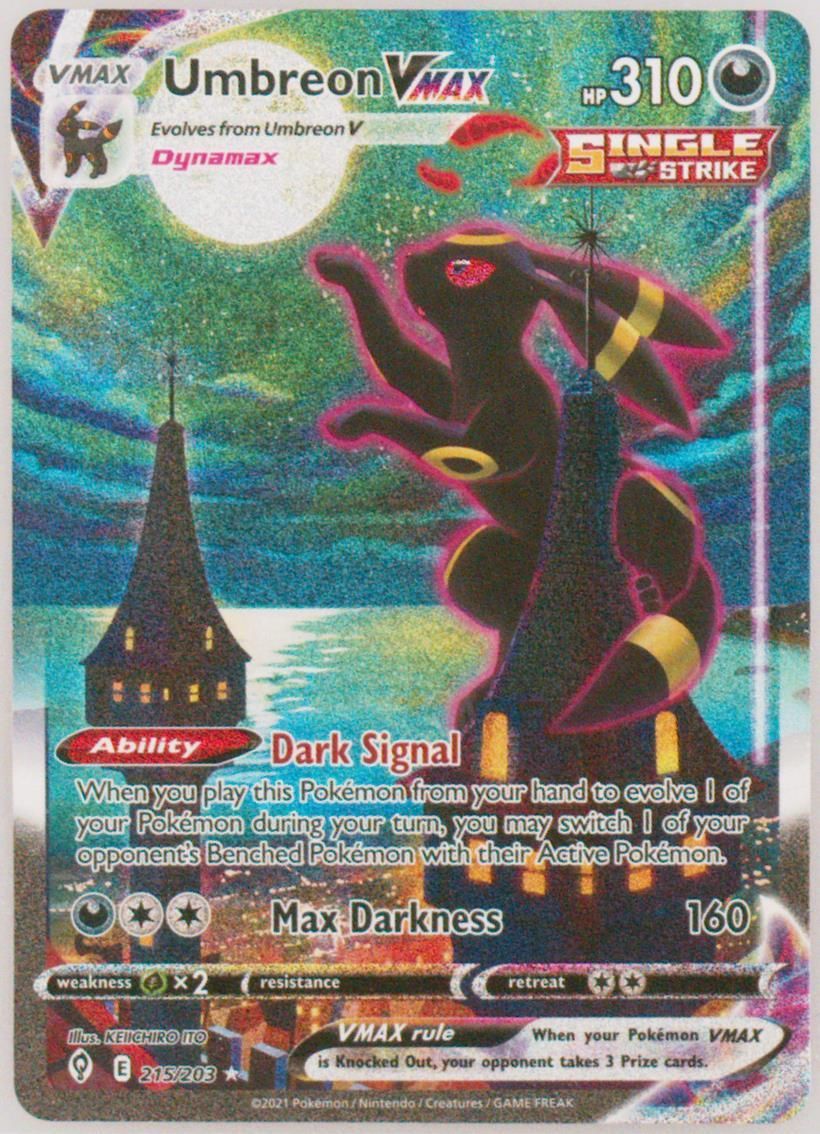
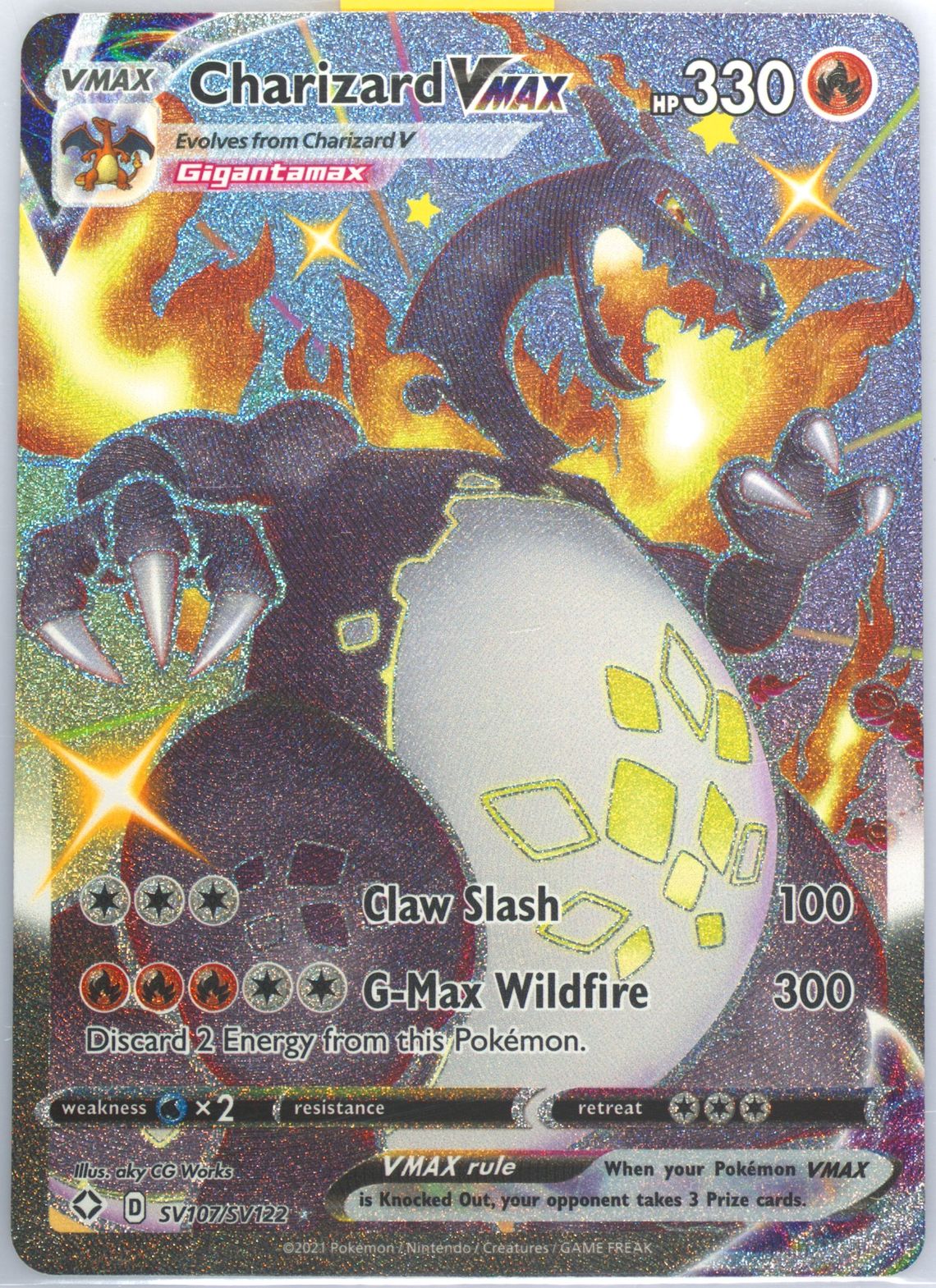
Modern ultra rares, full arts, and even some special illustration rares from the past few years have seen the steepest price declines. Cards that were selling for $50-100 during peak hype are now $15-40 in many cases. The combination of high print runs, cleared grading backlogs (flooding the market with PSA 10s), and set fatigue has been devastating for this category.
Examples of significant declines:
- Many Sword & Shield era alternate arts have dropped 30-50% from their peaks
- Modern booster box prices have softened as sealed product supply has increased
- Trainer gallery and character rare cards from various sets have lost significant value
- Even popular modern chase cards have seen meaningful pullbacks
Significantly Affected: Mid-Grade Vintage
Vintage cards in PSA 7-8 condition have taken a notable hit. During the boom, mid-grade vintage cards saw massive price increases as new collectors who couldn't afford PSA 9-10 copies bid up lower grades. As those collectors have pulled back, mid-grade vintage prices have declined toward more historical norms.
A PSA 7 Base Set Charizard that might have sold for $3,000-4,000 at the peak might be $1,500-2,500 now. Still a lot of money, but a meaningful decline from the highs.

Moderately Affected: Raw Vintage Cards
Raw (ungraded) vintage cards have declined but generally less severely than graded mid-grade copies. The raw market is more driven by individual transactions and condition assessments, which creates more variability in pricing. Desirable raw vintage cards in good condition still find buyers, though at lower prices than peak.
Least Affected: The Premium Tier
Certain categories have been remarkably resilient:
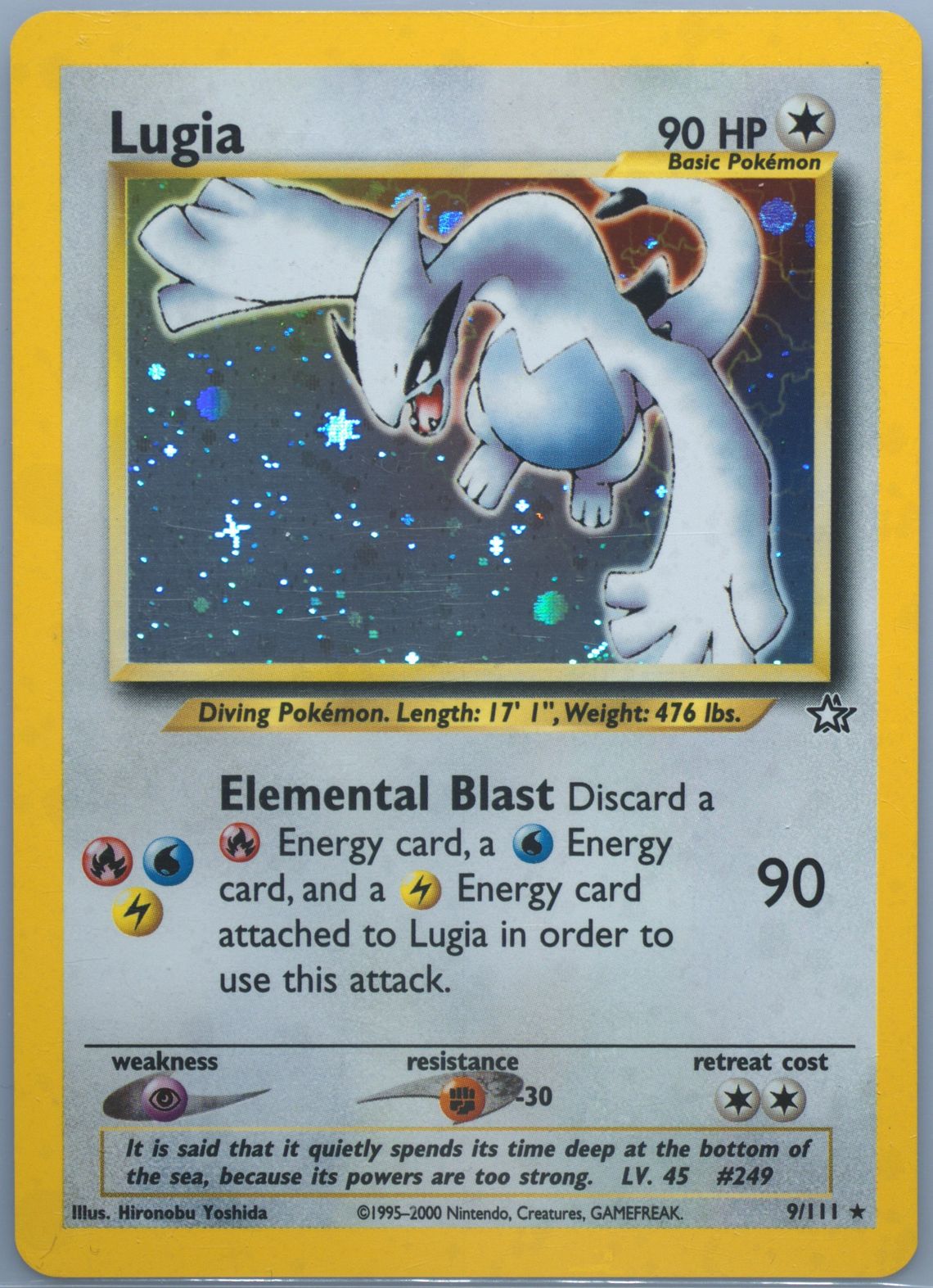
High-grade vintage (PSA 9-10 of iconic cards): Base Set Charizard PSA 10, 1st Edition holos in PSA 10, Gold Stars in PSA 10 — these have held their value much better than the broader market. The supply is genuinely limited (no more are being created), and the demand from serious collectors and investors remains strong. Prices have softened somewhat from absolute peaks but nothing like the declines seen in modern cards or mid-grade vintage.
Sealed vintage product: Sealed WOTC-era booster packs and boxes have been among the strongest performers in the Pokemon card market. A sealed Base Set booster pack is still an incredibly desirable item, and prices have shown minimal decline. The supply is strictly limited (every pack opened is one fewer that exists), and demand from both collectors and investors remains robust.
Iconic chase cards across all eras: The most recognizable, most desirable cards in the hobby — the Charizards, the Lugias, the Umbreons, the Gold Stars — have held up better than lesser-known cards from the same sets. Popularity provides a price floor.
Japanese exclusive promos: Japanese Pokemon Center promos and event-exclusive cards have been one of the strongest categories in the market, bucking the broader downward trend entirely in many cases. We cover this more in our Pokemon card price trends article.
Historical Context: This Has Happened Before
If you're feeling anxious about declining prices, it helps to remember that the Pokemon card market has been through multiple cycles, and each correction was followed by recovery.
The 2001-2004 Collapse
The original Pokemon bubble burst spectacularly. Cards that were selling for hundreds of dollars dropped to fractions of their value. People threw away collections. Card shops that had stocked up on inventory went out of business. It felt like Pokemon cards were a dead fad that would never recover.
Obviously, they did recover. The cards that were worth pennies in 2004 are worth hundreds or thousands of dollars today. The people who bought during the downturn (or simply held their collections) did extraordinarily well.
The 2016-2019 Recovery
After years of slow growth, the Pokemon card market began heating up around 2016-2017, driven by returning millennial collectors and the release of Pokemon GO. This period saw steady, sustainable price appreciation that laid the groundwork for the COVID boom. The key word there is "sustainable" — the growth was organic and matched by genuine collecting interest, not speculation.
The Pattern
The pattern across collectibles markets is remarkably consistent:
- A catalyst creates excitement (nostalgia, media coverage, new products)
- Prices rise as demand increases
- Speculators pile in, pushing prices beyond sustainable levels
- The catalyst fades and speculators exit
- Prices correct, often overcorrecting below fair value
- Over time, prices settle at a new baseline that's higher than pre-boom but lower than the peak
We believe the Pokemon card market is in stage 5-6 right now. The correction from the COVID peak is largely done for most categories, and we're approaching (or have already reached) a new baseline.
Is Now a Good Time to Buy?
This is the question everyone wants answered, and we'll give you our honest assessment.
For Collectors: Yes, Absolutely
If you're buying Pokemon cards because you love them — because you want to own them, display them, enjoy them — this is an excellent time to buy. Cards that were priced out of reach two years ago are now affordable. You can build a collection today for significantly less than it would have cost at the peak.
Some specific opportunities for collectors right now:
- Vintage holos in PSA 8-9: More affordable than they've been in years, and still beautiful cards
- Modern alternate arts and SIRs from 2021-2023 sets: Many of these are at or near their lowest prices since release
- Sealed modern product: Booster boxes and ETBs from recent sets are at competitive prices
- Japanese exclusive cards: Still appreciating in many cases, but more accessible than they might be in the future
The collector's advantage in a down market is simple: the same budget buys more cards. If you wanted a specific card two years ago and couldn't afford it, check the price now. You might be pleasantly surprised.
For Investors: It's Nuanced
If you're looking at Pokemon cards purely as financial instruments, the current market requires more careful thinking.
Arguments for buying now:
- Prices have corrected significantly from peaks, reducing downside risk
- High-grade vintage cards are closer to fair value and have strong long-term fundamentals
- Sealed vintage product continues to perform well and is available at lower prices than peak
- Market corrections historically precede recoveries, and buying during corrections is how you generate above-average returns
Arguments for caution:
- We don't know if prices have bottomed. They could decline further before recovering.
- The factors causing the decline (increased print runs, grading supply, economic pressure) haven't fully resolved
- Modern cards may never return to COVID-era prices because those prices were artificially inflated
- There's no guarantee the next bull cycle will be as dramatic as the COVID boom
Our take: For high-grade vintage cards and sealed vintage product, we think current prices represent reasonable value for long-term investors. For modern cards, we'd be more selective — focus on iconic chase cards from landmark sets (Evolving Skies alternate arts, Pokemon 151 SARs, Prismatic Evolutions SIRs) rather than trying to pick up everything that's dropped.
For Sellers: Consider Your Timeline
If you need to sell now, recognize that you're selling into a buyer's market. Prices are lower, and buyers have more options. Price your cards competitively based on current sold data (not what they were worth last year), and be patient.
If you can afford to hold, you might want to wait for the market to stabilize or recover. We're not guaranteeing prices will go back up, but historically, selling during a correction has been a bad long-term move for cards that have genuine collecting demand.
The exception: if you're holding modern cards that you don't have personal attachment to and the prices are declining, cutting your losses might be smarter than hoping for a recovery that may never bring prices back to what you paid. Sunk cost fallacy is real in the card market.
What to Watch For Signs of Recovery
Market recoveries don't happen overnight. Here are the signals we're watching for:
Stabilizing Sold Prices
The most important indicator is when sold prices stop declining and begin to stabilize. Check price trends on Misprint for cards you're interested in. When the downward trend flattens into a sideways trend, that's the market finding its floor.
Decreasing Listing Volume
When there are fewer cards being listed for sale, it means selling pressure is easing. This can precede price increases because it means supply is tightening relative to demand.
Increasing Bid Activity
On platforms with bid functionality (including Misprint), increasing bid activity — more bids, higher bids, faster time-to-sale — indicates growing buyer confidence and demand.
Cultural Catalysts
Pokemon card prices have historically responded to cultural moments: new game releases, movie releases, major anniversaries, and influencer attention. Any significant Pokemon cultural event could reignite mainstream interest.
Economic Recovery
If broader economic conditions improve — lower inflation, more consumer confidence, increased discretionary spending — some of that money will flow back into hobbies and collectibles.
What You Should NOT Do Right Now
A declining market triggers emotional responses that can lead to bad decisions. Here's what to avoid.
Don't Panic Sell
If your cards are worth less than you paid, selling now just to "stop the bleeding" locks in your losses. Unless you need the cash urgently or you're holding cards you don't want to own at any price, panic selling is almost always the wrong move. The Pokemon franchise isn't going anywhere, and cards from beloved sets will always have demand.
Don't Try to "Average Down" Without a Plan
Buying more of a declining asset to reduce your average cost per unit can make sense, but only if you have genuine conviction that the asset will recover. Don't throw more money at Pokemon cards just because they're cheaper than they were. Buy cards you actually want, at prices you're comfortable with, regardless of what you paid before.
Don't Ignore What's Actually Happening
The opposite of panic selling is toxic optimism: ignoring the decline and pretending everything is fine. The market has dropped. Certain cards are worth less than they were. Acknowledging this lets you make informed decisions. Ignoring it leads to bad pricing, unrealistic expectations, and missed opportunities.
Don't Assume All Categories Are Affected Equally
A common mistake is assuming "the market is down" means every card is down the same amount. It doesn't. As we covered above, some categories have been hit hard while others have been resilient or even growing. Lumping everything together leads to missed buying opportunities and misguided selling decisions.
Our Predictions for the Rest of 2026
We don't have a crystal ball, but here's our honest assessment of where things are heading for the remainder of the year:
Modern cards: We expect prices to stabilize for popular modern cards from landmark sets (Evolving Skies, Pokemon 151, Prismatic Evolutions) while continuing to soften for less popular sets. The gap between "iconic modern" and "everything else modern" will likely widen.
Vintage cards: We think vintage prices are close to or at their correction floor for high-grade examples. Mid-grade vintage might have a little more room to decline, but we expect the overall vintage market to begin stabilizing in the second half of 2026.
Sealed product: Vintage sealed will continue to perform. Modern sealed product will be mixed — popular sets will hold or appreciate, while oversaturated sets will continue to lose value.
Japanese cards: We remain bullish on Japanese exclusive content. The global demand trends are strong and growing, and supply for many Japanese exclusive promos and sets is genuinely limited.
Graded card market: PSA 10 premiums for modern cards will continue to compress as populations grow. PSA 10 premiums for vintage cards will hold or expand as populations plateau.
Final Thoughts
Pokemon card prices are dropping because the extraordinary conditions that caused them to spike no longer exist, and the market is finding a new, more sustainable equilibrium. This is not the end of the Pokemon card hobby or the Pokemon card market. It's a correction after a boom, and it's a pattern that has played out before.
If you're a collector, this is a great time to buy cards you've always wanted at prices that may not be this low again. If you're an investor, be selective and focus on categories with genuine scarcity and enduring demand. If you're a seller, price realistically based on current data and consider your timeline.
And regardless of where prices go, remember why Pokemon cards are worth collecting in the first place: they're beautiful, they're tied to a franchise we love, and the community around them is passionate and welcoming. The market will recover eventually. It always has. What matters most is whether you're enjoying the hobby along the way.
For current price data, historical trends, and market analysis on graded Pokemon cards, check out Misprint. Knowledge is your best tool in any market, especially a volatile one.