Pokemon Card Market Forecast 2026–2027
Where we think the market is going, and why.
By Misprint Editorial | Published Feb 7, 2026 | 13 min read

Predictions are hard. Market predictions are harder. Pokemon card market predictions? Hold our booster pack.
Let's get the disclaimer out of the way: nobody can predict the future with certainty, and anyone who tells you they know exactly where Pokemon card prices are going is either lying or delusional. We don't have a crystal ball. What we do have is years of price data from Misprint, a decent understanding of the forces that drive this market, and enough intellectual honesty to tell you when we're guessing versus when we're confident.
That said, we're going to lay out our best assessment of where the Pokemon card market is headed through the end of 2027. We'll cover every major segment, the external factors that could push things in either direction, and the specific catalysts we're watching. Some of these predictions will age well. Some won't. That's the nature of looking forward.
We covered the current state of the market in our 2026 market trends analysis and the forces behind recent price drops in our market decline breakdown. This piece picks up where those leave off and looks ahead.
The Macro Picture: Forces Shaping 2026-2027
Before we get into segment-by-segment predictions, we need to talk about the big external forces that will shape the entire market over the next 18 months. These aren't Pokemon-specific, but they'll affect every card in your binder.
The Economy
Consumer spending on discretionary goods — which is exactly what Pokemon cards are — tracks closely with how people feel about their financial situation. Right now, that picture is mixed. Inflation has come down from its 2022-2023 highs but hasn't fully normalized. Housing costs remain elevated. Student loan payments are back in force. On the positive side, unemployment is low and wage growth has been decent.
Our read: The economic backdrop for 2026-2027 is neutral to slightly positive for the collectibles market. We don't see the kind of stimulus-fueled spending that drove the 2020-2021 boom, but we also don't see a recession that would crush demand. The people who are buying Pokemon cards right now are doing it with real discretionary income, not stimulus checks, which makes current demand more sustainable even if it's lower in absolute terms.
The Pokemon Franchise Pipeline
This is where things get interesting for our forecast. The next 18 months have several major Pokemon franchise events that could act as demand catalysts:
Pokemon TCG set releases: The Pokemon Company is maintaining its pace of roughly four main sets per year plus special sets. We know Destined Rivals just landed, and the summer 2026 set is on the horizon. Critically, there are strong rumors of another nostalgia-focused special set in late 2026 or early 2027 — potentially featuring Gen 2 the way Pokemon 151 featured Gen 1. If that happens, it could be a significant market catalyst.
Pokemon video games: A new mainline Pokemon game has been rumored for late 2026 or 2027. Historically, major Pokemon game releases drive renewed interest in the entire franchise, including the TCG. Pokemon Legends: Z-A is still anticipated and any news there will move the needle.
The Pokemon Company's 30th anniversary: 2026 marks 30 years since the original Pokemon games launched in Japan. Expect anniversary products, events, and promotions that drive mainstream attention back to the franchise. Anniversary years have historically been good for card prices because they bring lapsed fans back into the hobby.
The Grading Industry
The grading landscape continues to evolve, and changes here directly affect card values.
PSA remains the gold standard but has raised prices multiple times. Current turnaround times are reasonable (4-8 weeks for most tiers), but the cost of grading has reached a point where it doesn't make economic sense for many modern cards. This is contributing to the PSA 10 population plateau we're seeing in some vintage categories — people aren't sending in speculative submissions the way they were during the boom.
TAG is the wildcard. TAG has been growing its market share aggressively, positioning itself as a more modern, technology-forward grading company. Their slabs are popular with younger collectors, and their pricing is competitive. If TAG continues to gain acceptance, it could create a new dynamic where TAG-graded cards command higher premiums than they currently do — which would be a rising tide for anyone holding TAG slabs.
CGC is holding steady as the solid second option. CGC prices relative to PSA have been gradually converging, and we expect that trend to continue.
Collector Demographics
The most important long-term tailwind for the Pokemon card market is demographic. The kids who grew up with Pokemon in the late 1990s and early 2000s are now in their 30s and 40s — prime collecting years with peak earning power. Behind them, the kids who grew up with Diamond & Pearl and Black & White (2007-2013) are entering their mid-to-late 20s and starting to get nostalgic about their childhood cards.
This demographic wave isn't speculative — it's simple math. Every year, a new cohort of Pokemon fans ages into "I have money and I want my childhood cards back" territory. This creates persistent, growing baseline demand for Pokemon cards across multiple eras.
Segment Forecasts
Vintage (WOTC Era): Bullish
Confidence: High
This is our highest-conviction call. We think WOTC-era cards, particularly in high grades, will appreciate 10-20% through the end of 2027.
The case:
- Supply is fixed. No more PSA 10 Base Set Charizards are being made. The pop reports are essentially frozen.
- Demand grows every year as new collectors enter the hobby and graduate toward wanting vintage.
- The correction is over for this segment. High-grade vintage prices have stabilized and several key cards are already setting new highs.
- The 30th anniversary in 2026 could be a specific catalyst for WOTC-era nostalgia.

Specific predictions:
- Base Set Charizard (1st Edition) PSA 10 will trade above $450,000 by end of 2027
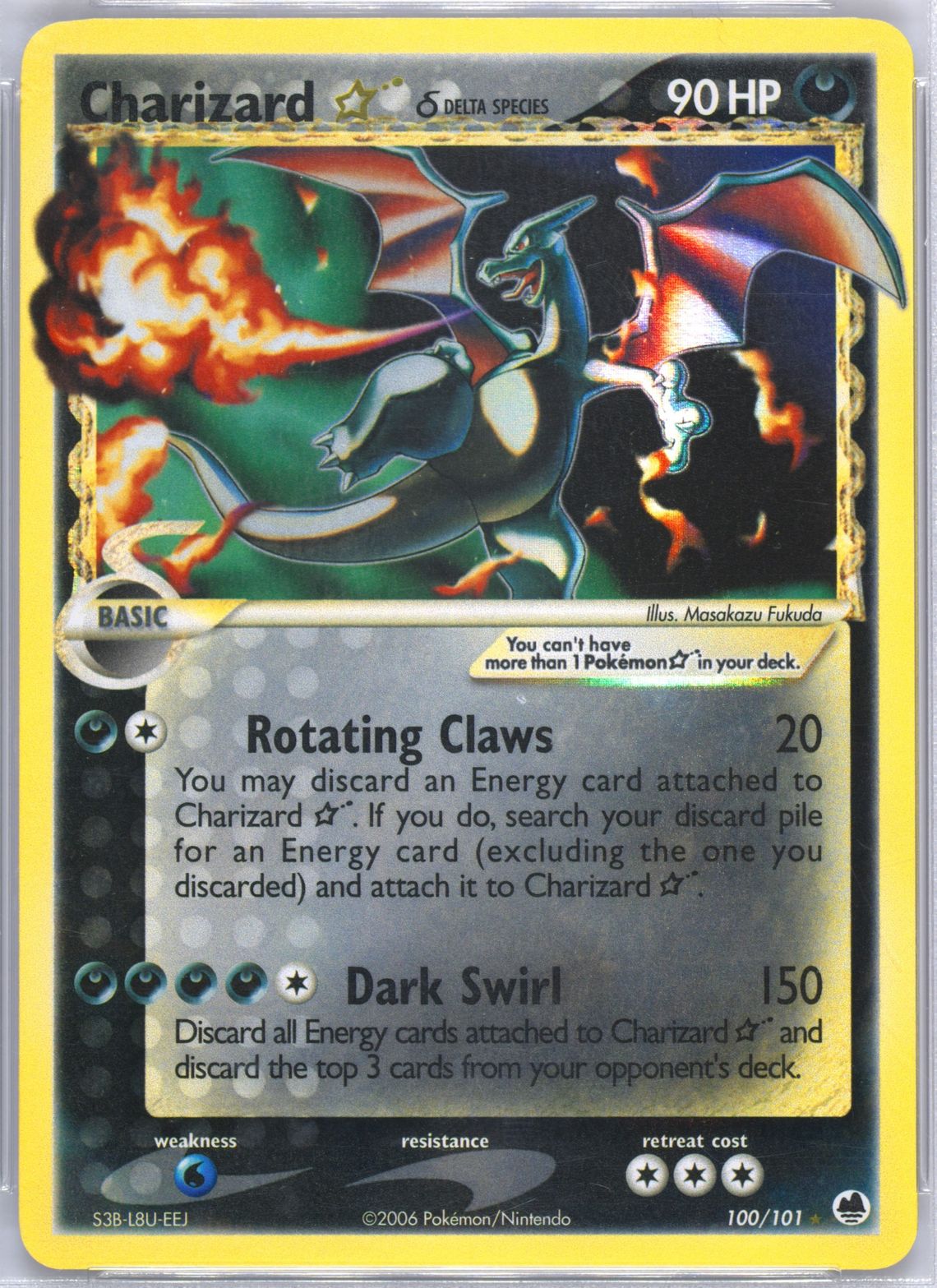
- Gold Star cards (all species) will appreciate 15-25% as the ex era nostalgia cycle intensifies
- Neo Destiny Shining cards in PSA 9-10 will be one of the best-performing subcategories
- Mid-grade vintage (PSA 5-8) will stabilize in 2026 and begin modest recovery in 2027
The risk: A severe economic recession could temporarily suppress prices even for premium vintage. Institutional holders liquidating positions could create short-term supply shocks. But structurally, this segment has the strongest fundamentals of anything in the Pokemon market.
Sealed Vintage Product: Very Bullish
Confidence: High
Sealed vintage product is the single most defensible long-term investment in the Pokemon card world, and we expect it to continue performing well through 2027.
The case:
- The supply equation is unbeatable. Every pack and box that gets opened permanently removes it from the sealed supply. This is a one-directional supply curve.
- Content creators provide a permanent demand channel that didn't exist before 2015. As long as YouTube and Twitch exist, people will pay for the content of opening vintage packs.
- Sealed vintage product has the broadest appeal of any collectible category — it attracts collectors, investors, content creators, and nostalgic fans.
Specific predictions:
- Sealed Base Set booster packs (Unlimited) will cross $2,000 average before end of 2027
- Ex era sealed booster boxes will see 20-30%+ appreciation as the nostalgia wave hits that generation
- Sealed WOTC theme decks will emerge as an underappreciated subcategory and see outsized gains
- Japanese vintage sealed will outperform English vintage sealed on a percentage basis due to current lower price points
The risk: Counterfeits. As sealed vintage product prices rise, the economic incentive to produce convincing fakes increases. Authentication is critical, and any high-profile counterfeit scandal could temporarily shake confidence.
Modern Singles (Landmark Sets): Cautiously Bullish
Confidence: Medium
We think the best cards from the best modern sets — Evolving Skies, Pokemon 151, Prismatic Evolutions — will appreciate modestly through 2027, roughly 5-15% for the top chase cards.
The case:
- These sets have achieved "canon" status in the collecting community. When people talk about the best modern Pokemon cards, these are the sets that come up every time.
- The artwork on the top chase cards is genuinely exceptional and has crossover appeal beyond the Pokemon community.
- Print runs, while large, are finite. The Pokemon Company will eventually stop printing these sets, and once they do, the sealed product and chase card supply begins its permanent decline.
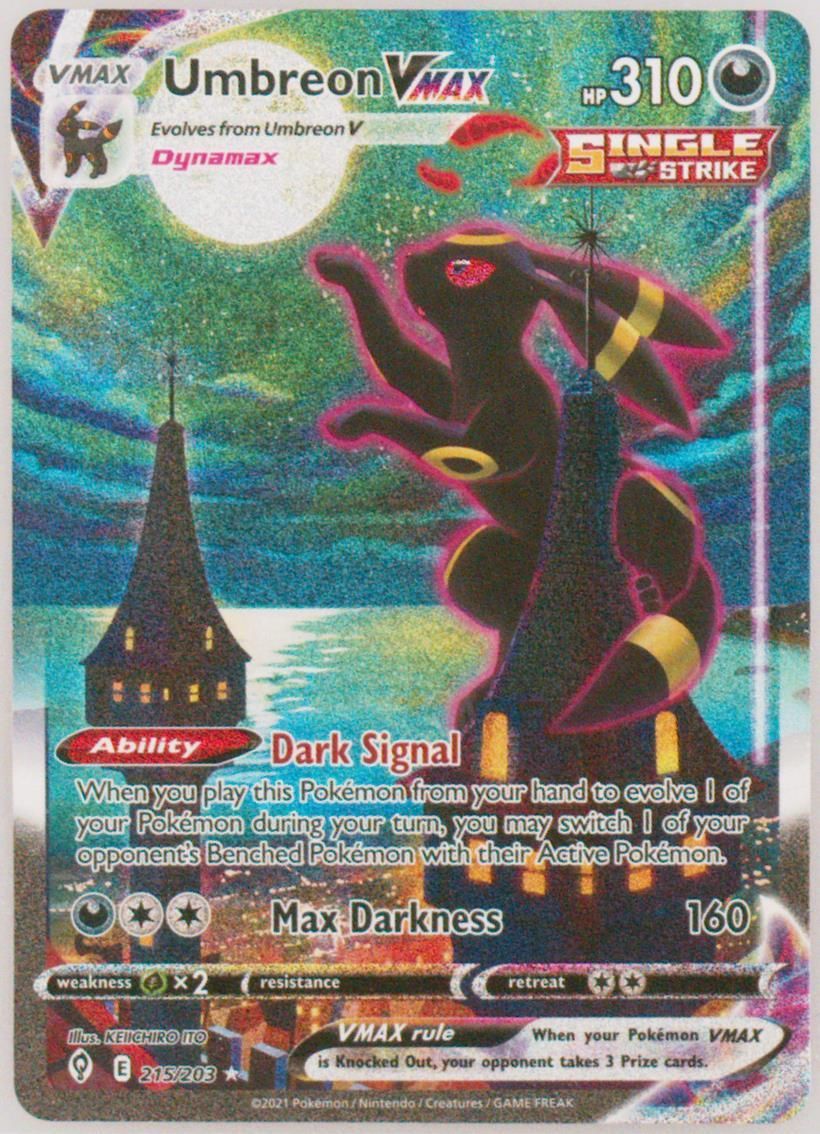
- The Umbreon VMAX Alternate Art from Evolving Skies is establishing itself as the "Base Set Charizard of the modern era" — a card whose cultural significance transcends its print run.
Specific predictions:
- Umbreon VMAX Alt Art (raw) will trade above $400 by end of 2027
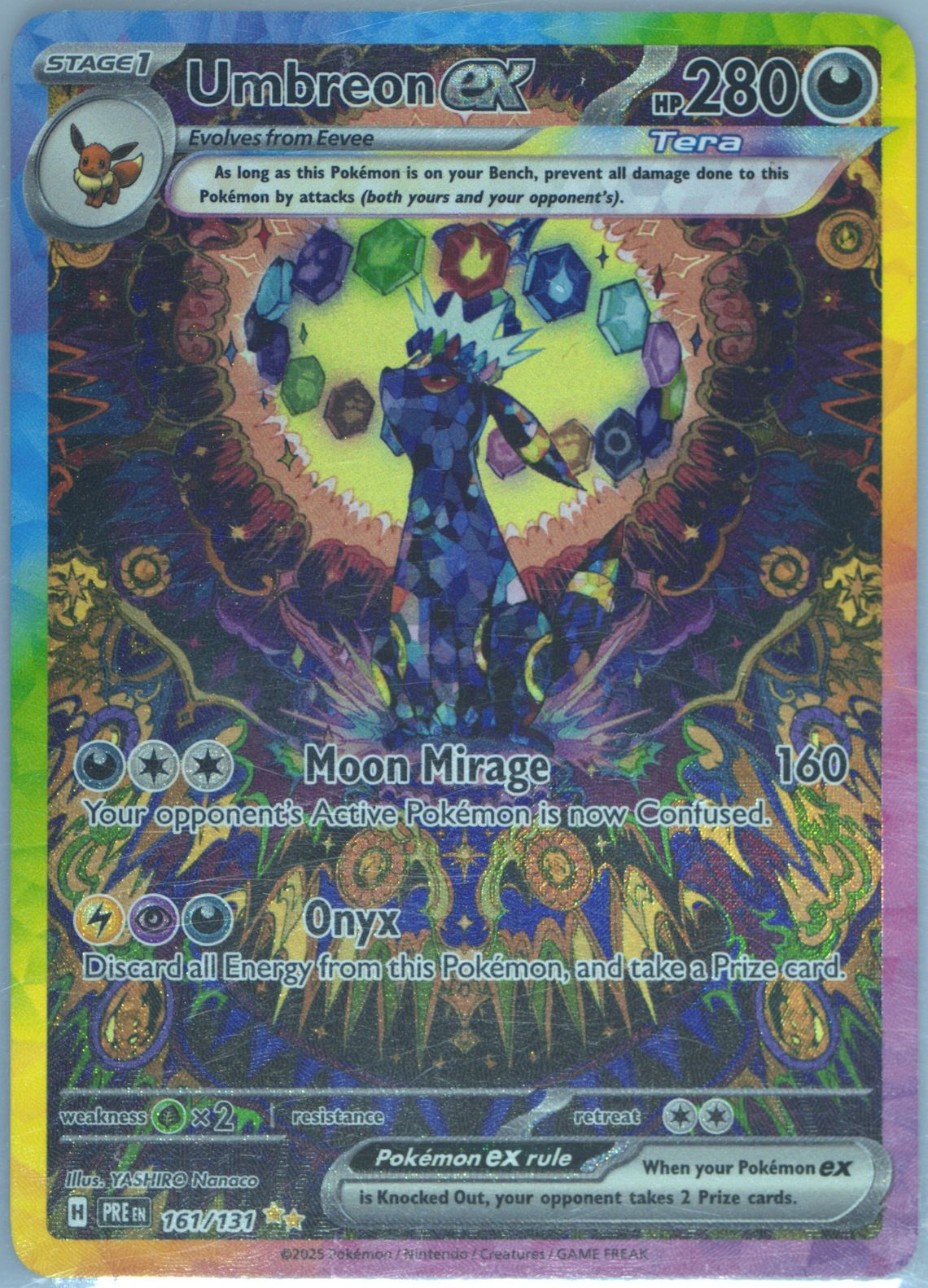
- Prismatic Evolutions Eeveelution SIRs will hold current prices through 2026 and begin appreciating in 2027 as the set goes out of print
- Pokemon 151 SARs, especially Charizard ex, will benefit from the 30th anniversary nostalgia wave
- The gap between landmark set chase cards and non-landmark set equivalents will continue widening
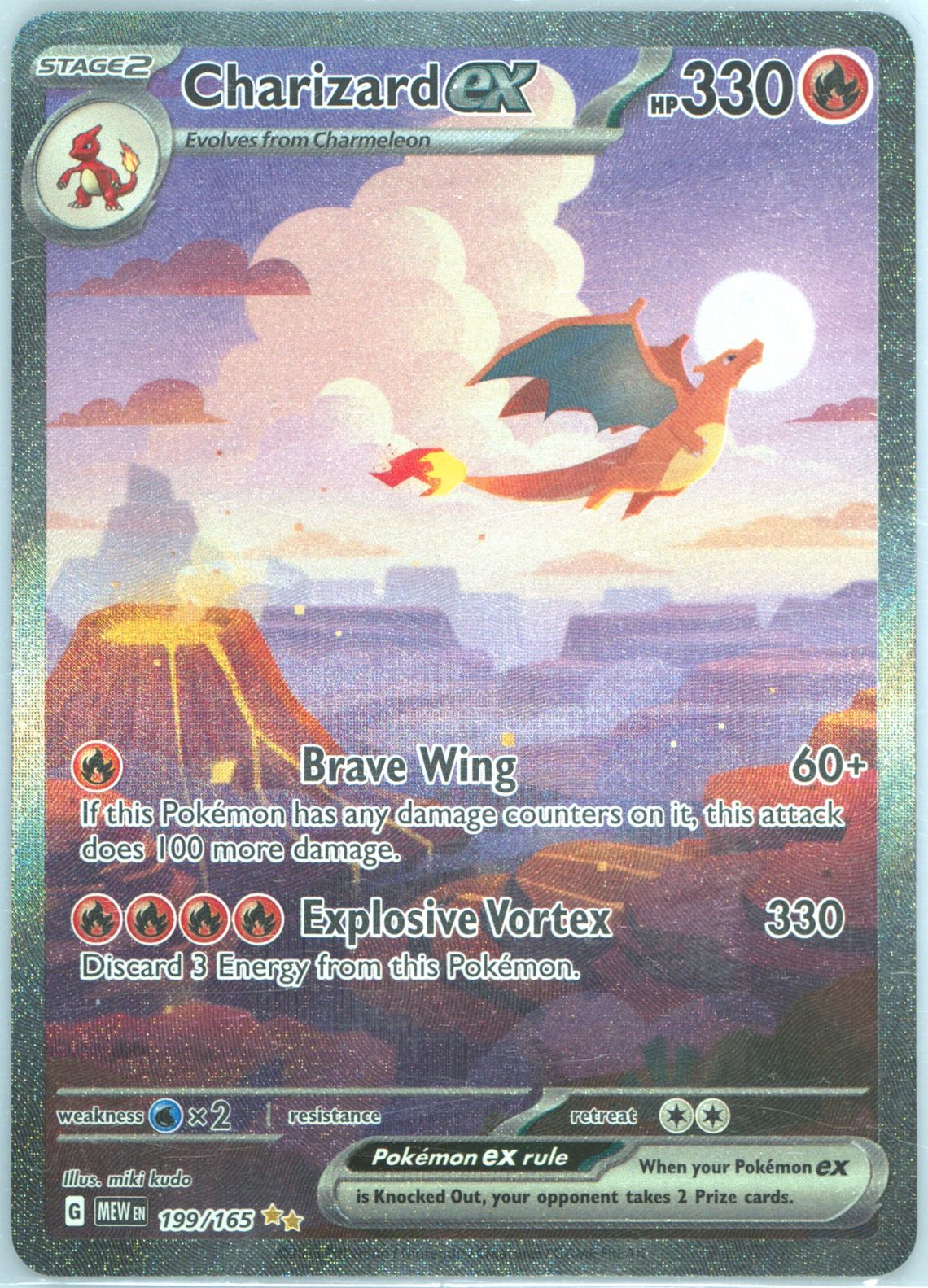
The risk: If the Pokemon Company does another massive reprint wave for any of these sets, it could flood the market and suppress chase card prices. The Company has been more aggressive about reprints than it used to be, and this is a real possibility. Also, if a new set comes along that captures the same magic as Evolving Skies or Prismatic Evolutions, it could split collector attention.
Modern Singles (Non-Landmark Sets): Bearish
Confidence: High
The bulk of modern singles — cards from sets that didn't achieve iconic status — will continue declining or trading sideways through 2027. There's too much supply, not enough differentiation, and not enough emotional attachment to support current prices.
Specific predictions:
- Most modern V, VSTAR, and VMAX cards from non-landmark sets will decline another 10-20%
- PSA 10 populations for these cards will continue growing, further compressing graded premiums
- A few individual cards will defy this trend (specific Pokemon like Charizard or Pikachu from any set tend to hold better), but the broad category is in structural decline
What could change this: A major pop culture moment — a new anime season, viral TikTok trend, or influencer revival — could temporarily boost demand across all modern cards. But temporary is the key word. Without structural scarcity, these cards will return to lower price levels once the hype fades.
Japanese Cards: Very Bullish
Confidence: Medium-High
The Japanese Pokemon card market has been one of the best-performing segments of the past two years, and we think it has room to run.
The case:
- Western awareness of Japanese exclusive cards is still growing. We're maybe at the 30% mark in terms of Western collectors knowing about and actively pursuing Japanese promos and exclusives. As that awareness continues to spread, demand will keep growing.
- Japanese exclusive promos offer genuine scarcity at price points that are still accessible. A Japanese Pokemon Center promo that was distributed to maybe 5,000-10,000 people might sell for $100-$300 — a fraction of what an English card with comparable scarcity would cost.
- The quality and creativity of Japanese exclusive products continues to be exceptional. Pokemon Card Game Classic, Yu Nagaba promos, Pokemon Center seasonal collections — Japan keeps producing things that Western collectors want.
Specific predictions:
- The price gap between Japanese and English versions of the same card will narrow further, from an average of 2-3x to 1.5-2x for popular modern cards
- Japanese vintage sealed product will appreciate 20-30% as global demand catches up to English vintage levels
- Japanese exclusive promos from 2015-2022 will see the strongest appreciation as collectors retroactively discover them
- The Van Gogh Pikachu promo will cross $500 and keep climbing — it's becoming one of the defining collectible promos of the decade
The risk: Import logistics. If Japan cracks down on international reselling, or if shipping costs increase significantly, it could slow the flow of Japanese cards into Western collections and disrupt the demand narrative. Currency fluctuations (yen/dollar) also matter more than people realize.
Sealed Modern Product: Mixed
Confidence: Medium
Modern sealed product is a tale of two cities, and we expect that divide to sharpen.
Products we're bullish on:
- Evolving Skies ETBs and booster boxes — these will be the "Skyridge booster box" of the 2020s era in terms of long-term appreciation (scaled for print size, obviously)
- Pokemon 151 booster boxes (Japanese) — limited availability, strong nostalgic appeal
- Prismatic Evolutions anything — once this set goes truly out of print, sealed product will move
For investment-grade sealed modern, our booster box investment guide breaks down the best options.
Products we're bearish on:
- Scarlet & Violet base set through Paldea Evolved sealed — overprinted, underwhelming chase cards, available below MSRP
- ETBs and collections from non-landmark sets — these are not going to appreciate meaningfully with the volumes that were produced
- Any product that's currently sitting on retail shelves at or below MSRP — if it can't even sell at retail, it's not going to be a collectible
The Grading Market: Structural Shift
Confidence: High
The relationship between raw and graded card prices is going to keep evolving, and we think the following trends will define 2026-2027:
PSA 10 premiums will bifurcate. For vintage cards with low pop counts (under 500 copies), the PSA 10 premium will expand. For modern cards with high pop counts (over 5,000 copies), the premium will compress further. The market is learning to price scarcity correctly, and a PSA 10 with 15,000 copies is just not scarce.
TAG will gain real market share. We think TAG slabs will be trading at 50-60% of equivalent PSA values by end of 2027 (up from roughly 30-40% today). This is still a big discount, but the gap will narrow enough that TAG becomes a legitimate option for cost-conscious collectors.
Grading volume will decline for modern cards. As the economic math of grading modern cards worsens (cost to grade approaching or exceeding the PSA 10 premium), fewer people will submit modern cards. This will slow pop report growth and could eventually create a scenario where certain modern PSA 10s become relatively scarcer than expected.
Our PSA 10 vs PSA 9 price analysis covers how grade premiums work across different eras.
Catalysts and Wildcards
These are the specific events or developments that could significantly move the market in either direction.
Bullish Catalysts
A Gen 2 nostalgia set. If the Pokemon Company releases a special set celebrating Gen 2 (Johto) the way Pokemon 151 celebrated Gen 1, it would be huge. Gen 2 has rabid fans, and a set featuring Lugia, Ho-Oh, Typhlosion, Umbreon, and the rest of the Johto roster as SIRs or SARs would generate massive demand. This would also create a halo effect for original Neo-era cards.
30th anniversary products. Special anniversary releases (limited edition boxes, exclusive promos, premium collections) would drive mainstream attention and spending. The 25th anniversary in 2021 coincided with the market peak, and while a 30th anniversary probably won't create the same frenzy (no pandemic stimulus this time), it will be a positive catalyst.
A mainstream cultural moment. A viral TikTok trend, a celebrity collecting moment, or a major media feature on Pokemon cards could reignite casual interest. These are unpredictable but they've happened before (Logan Paul in 2021, Post Malone's collecting, various athlete/celebrity features).
Economic improvement. If inflation normalizes, consumer confidence improves, and discretionary spending picks up, some of that money flows into collectibles.
Bearish Wildcards
Aggressive reprints. If the Pokemon Company decides to reprint popular out-of-print sets at scale, it would suppress prices for singles from those sets and erode the scarcity narrative that supports sealed product premiums. There's no indication this is planned, but the Company has been more willing to do reprints than at any point in history.
Counterfeit breakthrough. If someone develops convincing counterfeits of sealed vintage product or high-grade slabs, it could shake confidence in the market. Authentication technology keeps improving, but so does counterfeiting technology.
Economic recession. A significant economic downturn would hit discretionary spending hard. Pokemon cards survived the 2008 recession relatively well (they were less of a mainstream investment then), but the market is much larger now and more exposed to economic cycles.
Regulatory changes. Some countries have begun looking at trading cards through the lens of gambling regulation (because of randomized pack contents). Any significant regulatory action could affect how cards are marketed, sold, or even produced.
Competition from other collectibles. If a new collectible category captures the market's attention (the way Pokemon cards captured attention from sports cards during COVID), money could flow out of Pokemon and into the new hotness.
Our Model Portfolio: Where We'd Put Money Today
If we were building a Pokemon card investment portfolio from scratch today with a 2-year time horizon, here's roughly how we'd allocate:
35% — High-grade vintage: PSA 9-10 holos from Base Set through Neo Destiny. Priority on iconic Pokemon and low pop counts. This is the safest allocation with the most predictable appreciation trajectory.
20% — Sealed vintage product: WOTC era booster packs and boxes, plus selected ex era sealed. The supply dynamics make this almost impossible to lose money on over a 2-year window, assuming you buy at fair market prices.
20% — Landmark modern chase cards: The top 3-5 cards from Evolving Skies, Pokemon 151, and Prismatic Evolutions. Raw or PSA 10, depending on the card and price. These are the cards with the best risk/reward in the modern segment.
15% — Japanese exclusives: A mix of Japanese promos, Japanese sealed product, and Japanese versions of popular English cards. The appreciation potential here is the highest of any segment, but with more uncertainty.
10% — Speculative positions: Ex era singles, HGSS era cards, upcoming set chase cards, or anything else that feels underpriced based on the data. This is the "lottery ticket" bucket where the potential returns are highest but so is the risk.
We are not financial advisors, and this is not financial advice. Pokemon cards are collectibles, not securities. The value of your collection can go down as well as up. But if you want our honest assessment of where the best opportunities are, that's it.
The Honest Truth About Forecasting
We've given you our best analysis, but we want to close with some radical honesty: the range of possible outcomes over the next 18 months is wide. The Pokemon card market has surprised us before — in both directions — and it will surprise us again.
What we're most confident about is the direction, not the magnitude. We're confident vintage goes up, but "up 10%" and "up 30%" are both realistic. We're confident non-landmark modern goes sideways to down, but we don't know if the bottom is 5% away or 20% away. We're confident Japanese cards are undervalued relative to English, but the timeline for that convergence could be 6 months or 6 years.
The collectors who do best in any market environment are the ones who buy things they love at prices they can afford, stay informed about market dynamics, and don't panic when short-term moves go against them. The investors who do best are the ones who focus on structural advantages (scarcity, cultural significance, demographic tailwinds) rather than trying to time short-term swings.
Use the data. Check price histories and trends on Misprint. Read the market analysis — both ours and others. Form your own view. And then collect with confidence, knowing that the Pokemon franchise is 30 years strong and shows absolutely no signs of slowing down.
We'll be back to update this forecast as new data comes in and as events unfold. In the meantime, happy collecting.