Pokemon Card Market Mid-2026: What is Up, What is Cooling, What to Watch
Half the year is gone. Here is where the money actually moved.
By Misprint Editorial | Published Jun 24, 2026 | 5 min read
Six months ago everyone was calling a crash. The market did what it usually does instead: it got selective.
We're halfway through 2026, which makes it a good time to step back from the daily price noise and look at the trend lines. The short version: the Pokemon card market didn't crash, but it didn't boom either. It split. Money concentrated into a smaller number of proven cards while the broad middle drifted sideways or down. If that sounds familiar, it's because it's what a maturing market looks like.
Here's our mid-year read on what's up, what's cooling, and what we're watching for the back half of the year. For the start-of-year baseline, compare this against our 2026 market trends piece from January.
What's Up
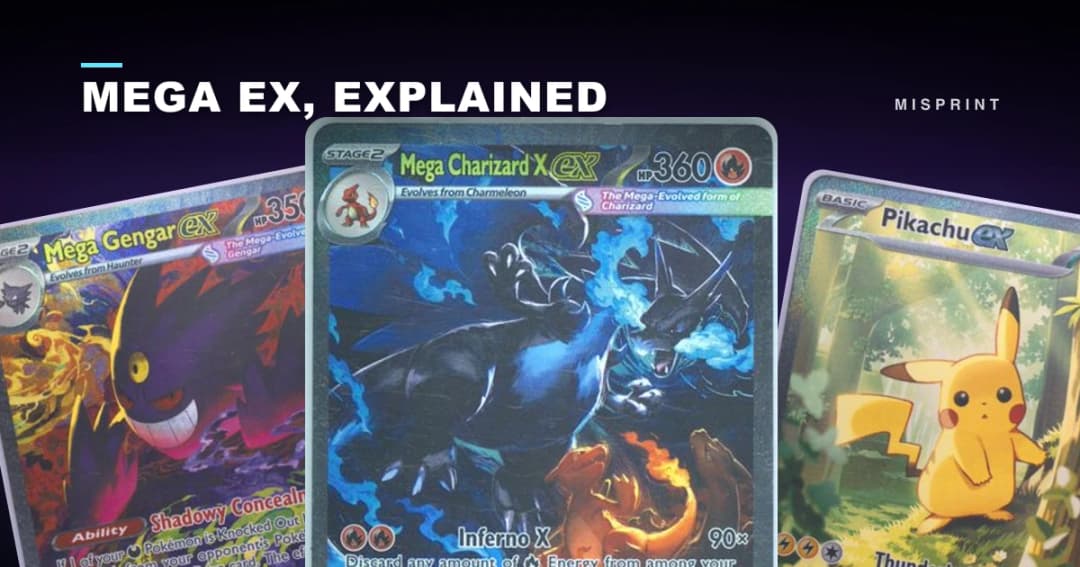
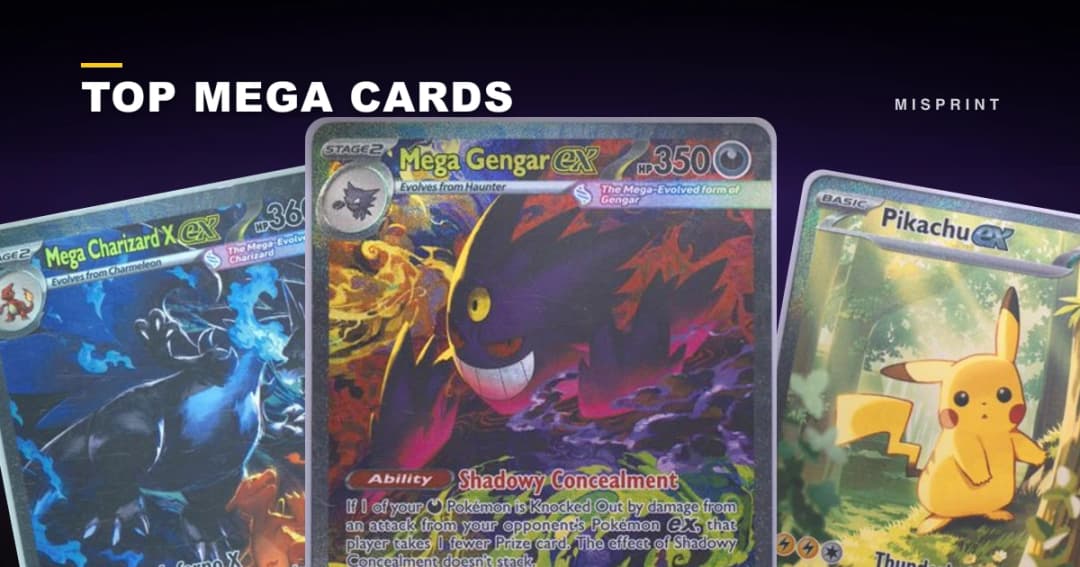
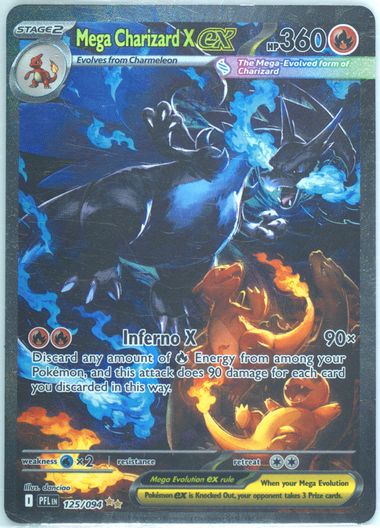
The Mega Evolution era is pulling attention, and dollars. The new era's chase cards have given collectors something fresh to chase, and the headliners are performing. The Mega Gengar ex SIR from Ascended Heroes holds above $1,000 raw, its Pikachu ex SIR stablemate surged roughly 18% in June to nearly match it, and the Mega Charizard X ex SIR from Phantasmal Flames sits in four-figure territory graded. New era, same lesson: iconic Pokemon plus top-tier art equals demand. (The era has losers too; more on that below.)
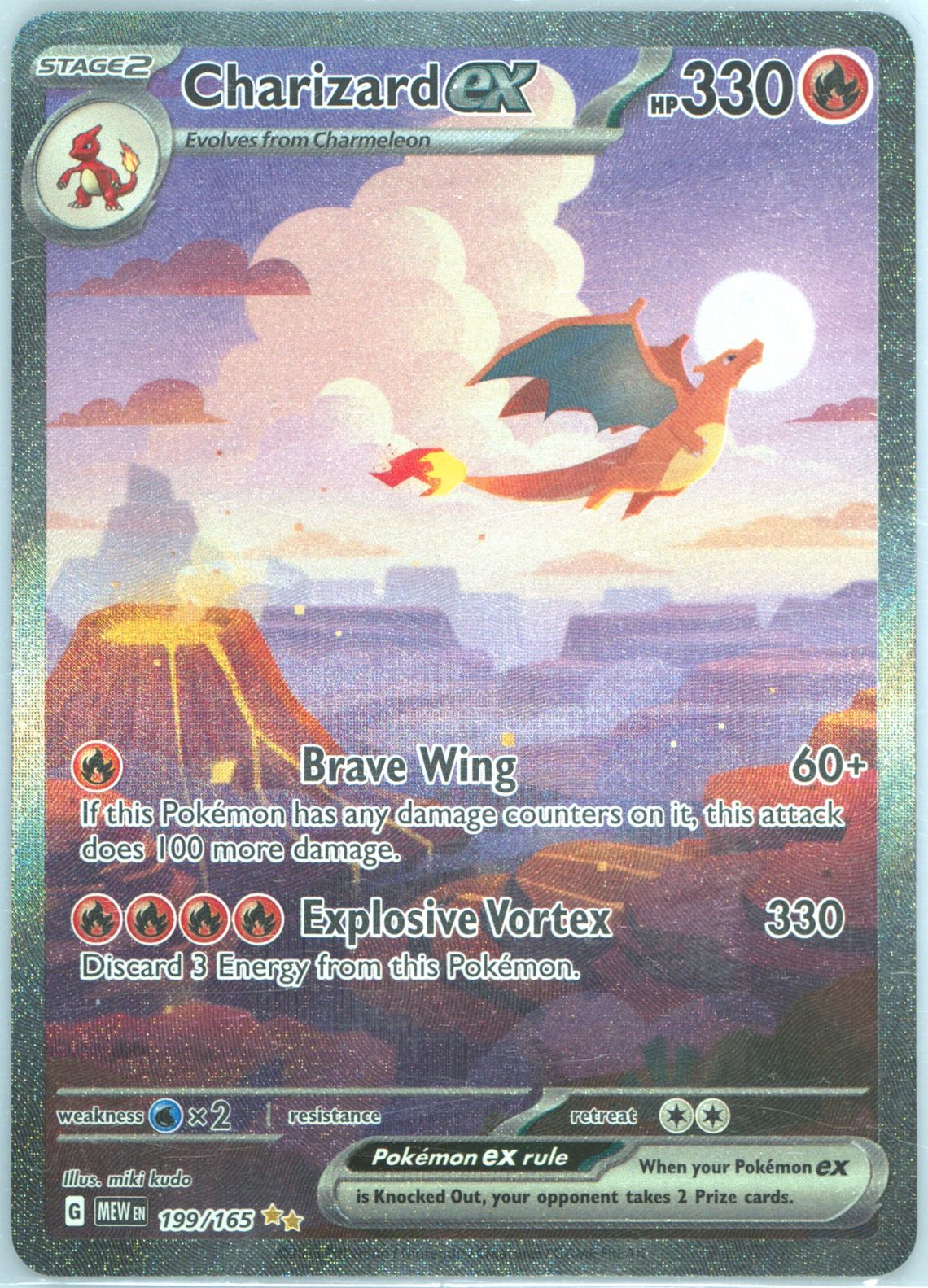
Vintage stayed boring, in the best way. Base Set and other 1999 to 2003 cards in high grades continued their slow, steady climb (up roughly 15 to 25% across the tier this year) with none of the volatility hammering modern product. The 30th anniversary is doing real work here: milestone years reliably pull lapsed collectors back toward the most iconic old cardboard. If you want a market that lets you sleep at night, the top of the vintage market remains the answer.
Sealed winners kept winning. Out-of-print sealed product with strong fundamentals, like Evolving Skies and Crown Zenith, held or extended gains, while the speculative middle continued to disappoint. The dispersion we wrote about in our sealed product price trends piece only widened.
What's Cooling
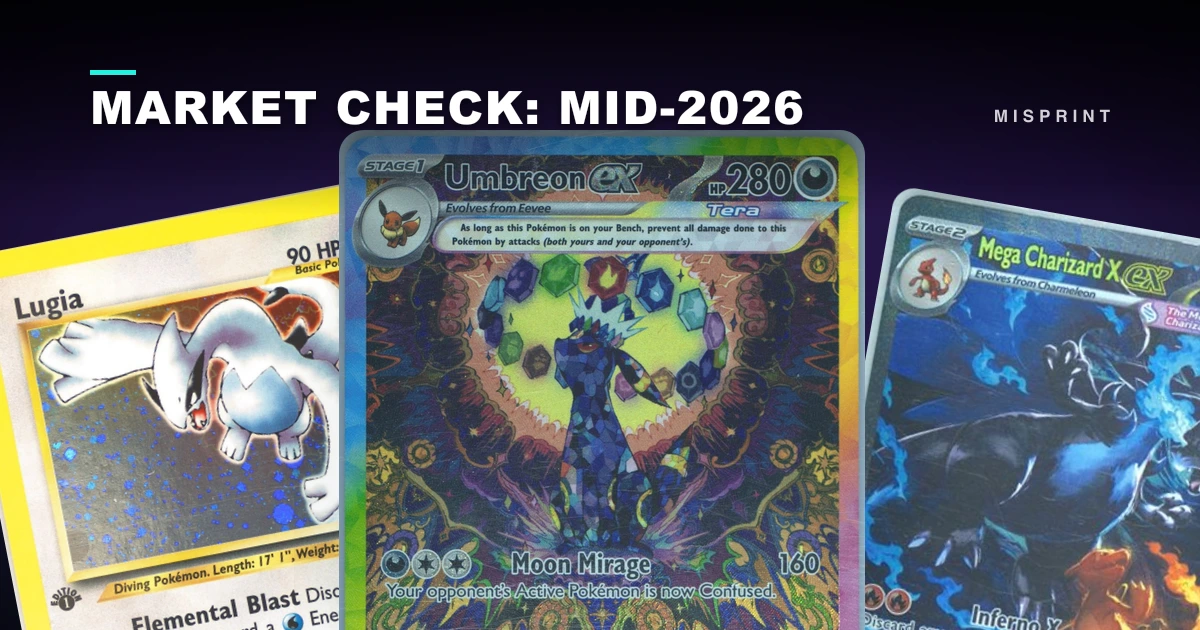
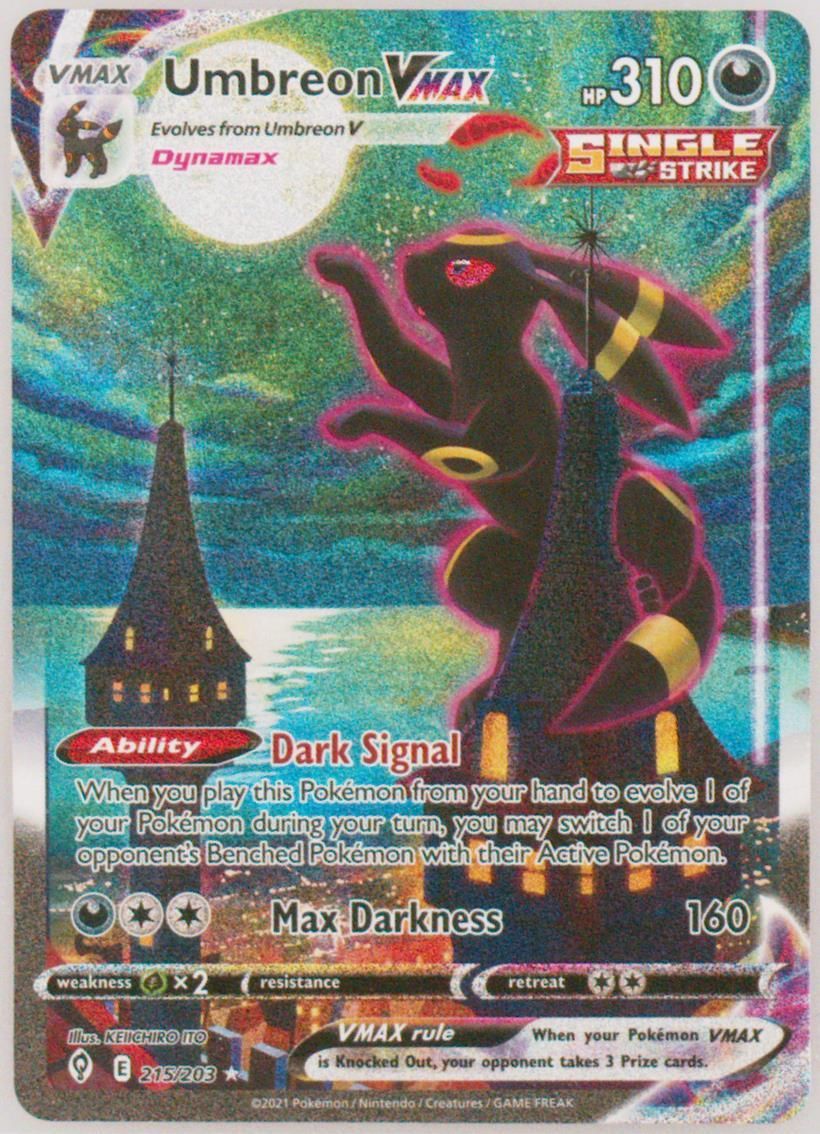
The Prismatic Umbreon round trip. Prismatic was the runaway story of 2025, and its flagship Umbreon ex SIR has been the cleanest barometer of the hyped-modern tier ever since. After peaking around $1,550 in April 2025, it slid below $1,000 in early 2026, and then did what almost nobody predicted: climbed all the way back. As of late June it trades around $1,400 to $1,550 raw, essentially at its old peak, and PSA 10s have been selling near $6,900. The lesson isn't that hype always recovers (most of the 2025 momentum cards never did). It's that the market has sorted the true modern icons from the merely trendy, and Umbreon made the cut.
The hype-driven middle is soft. Cards that ran up on social-media momentum without the fundamentals (recognizable Pokemon, great art, real scarcity) have generally given back their gains. This is the part of the market where "buy because it's trending" went to lose money, and it's why we keep hammering on fundamentals over hype.
New-release prices keep front-running reality. Launch-week prices on new sets continue to open high and soften over the following weeks as supply lands. Chaos Rising is the textbook case this half: its Mega Greninja ex SIR opened around $505 in late May and sits near $300 six weeks later. And this is happening against record supply: The Pokemon Company printed roughly 10 billion cards in the year through March, an all-time high, while saying it's at maximum capacity and still can't keep chase sets on shelves. If you're not desperate to be first, patience is usually rewarded. We covered the deeper drivers in why Pokemon card prices drop and why print runs are bigger than ever.
What to Watch in the Second Half
The rest of the Mega era slate. With more Mega expansions on the calendar for the back half of 2026, the supply of new chase cards is about to increase. More chase cards competing for the same collector dollars could keep a lid on individual prices, which is worth watching if you're investing in modern SIRs.
Whether the Umbreon rally holds. The Prismatic Umbreon SIR has round-tripped from a $1,550 peak to under $1,000 and back to roughly $1,500. If it holds near the old peak through the summer, the top modern icons have genuinely decoupled from the soft middle; if it fades again, the whipsaw isn't over.
Grading economics, which just changed under everyone's feet. PSA paused all four of its budget Value tiers on June 2 under a backlog approaching 10 million cards, making $79.99 Regular its cheapest open service, and TAG's budget tiers are at capacity too. That reshuffles the raw-versus-graded math on every card under a few hundred dollars. If you're grading to sell, our PSA vs CGC breakdown matters more than ever, and watch PSA's public backlog tracker for when the cheap tiers reopen.
Your own exit discipline. If you're holding cards that have run up, the perennial question is whether to ride it or take profit. We don't give individual buy/sell advice, but our framework on whether to sell now or wait lays out how to think it through.
The Bottom Line
Mid-2026 is a market that's neither crashing nor booming. It's sorting. The Mega Evolution era is providing fresh energy at the top, vintage continues its quiet grind upward, and the proven sealed winners keep winning. Meanwhile, hyped modern cards and over-printed product are giving back gains that were never built on much.
For collectors, that's arguably a healthier market than the everything-goes-up frenzy of a few years ago. It rewards the people doing actual homework. Buy what you'd be happy to own regardless of price, focus on fundamentals over momentum, and let the back half of the year come to you.
We'll do this again at year-end. Until then, the calendar is the thing to watch: Pitch Black lands July 17, the anniversary set in September, and a Mega Rayquaza set closes the year. Our Q3 outlook walks through what each of those is likely to do to prices.