Magic Booster Types Explained: Play, Collector, and Beyond
Play, Collector, Bundle, Jumpstart, and how to pick the right pack.
By Misprint Editorial | Published Apr 11, 2026 | 6 min read
Play, Collector, Bundle, Jumpstart, and how to pick the right pack.
Walk into a game store today and the wall of Magic product is simpler than it was three years ago, but the packs cost more and the labels matter more. In early 2024, with Murders at Karlov Manor (released February 9, 2024), Wizards of the Coast killed off both the Draft Booster and the Set Booster and folded them into a single product called the Play Booster. That was the biggest change to how Magic is sold since the game began. Understanding the handful of pack types that remain is the difference between overpaying for the wrong thing and getting exactly the cards you want.
Here is what each booster actually is, what you get inside, and which one is worth your money depending on whether you play, collect, or just like the sound of ripping foil.
Play Boosters: the pack that replaced two others
The Play Booster is now the default 14-card pack for almost every standard-legal set. It was designed to be a middle ground: the old Draft Booster held 15 cards and was built for drafting, while the Set Booster held 12 playable cards and was built for a fun opening experience. The Play Booster splits the difference at 14 and does both jobs.
What is actually inside
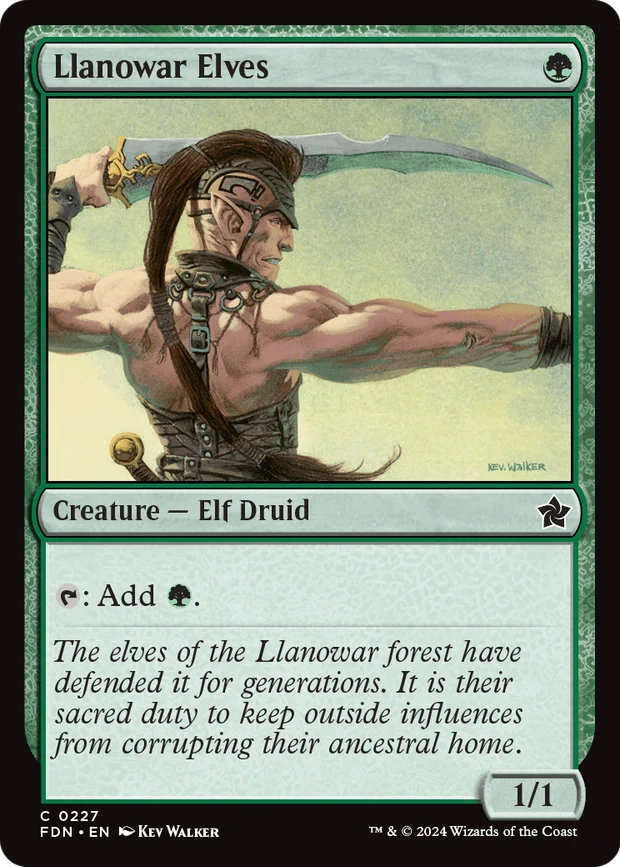
A Play Booster is built from a fixed set of slots that add up to 14 playable cards: seven commons, three uncommons, one guaranteed rare or mythic rare, one basic land, and two wildcard slots that can be any rarity. One of those two wildcards is always a traditional foil, which is why every pack comes with at least one foil, and the pair is how a single pack can hit two or three rares. A token or ad card rounds things out without counting as playable.
The interesting slot is the seventh common, which has about a 12.5 percent chance (one pack in eight) of being swapped for a card from The List, Wizards' rotating pool of older reprints, or a Special Guest. Special Guests carry their own SPG set code and expansion symbol, and they are Masters-level reprints with art tuned to the set's theme. That is the slot that occasionally turns a $6 pack into a genuinely exciting one.
Individual Play Boosters carry an MSRP of around $5 to $7. A Play Booster box holds 30 packs and typically runs about $110 to $150 for a standard set, though Universes Beyond and premium sets push higher. If you draft, build Standard, or just want the most cards per dollar, this is your pack.
Collector Boosters: the premium tier
Collector Boosters are a different animal. Each one holds 15 cards, but instead of a single guaranteed foil you get five or more cards of rare or higher rarity, ten to twelve traditional foils, and a stack of alternate treatments: extended art, borderless, showcase frames, textured foils, and foil-etched cards. The commons and uncommons that pad a Play Booster are mostly gone here. Almost everything is a card you would actually want to keep.
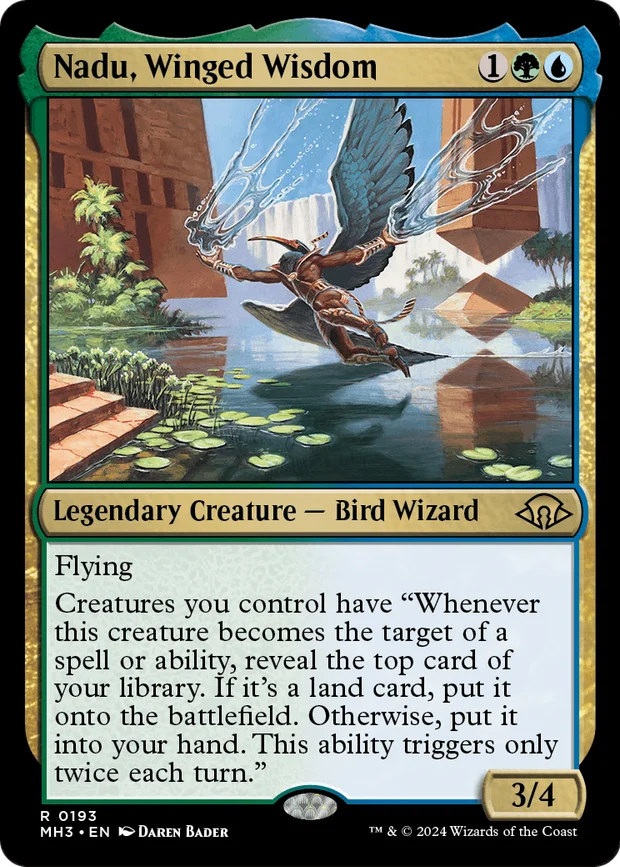
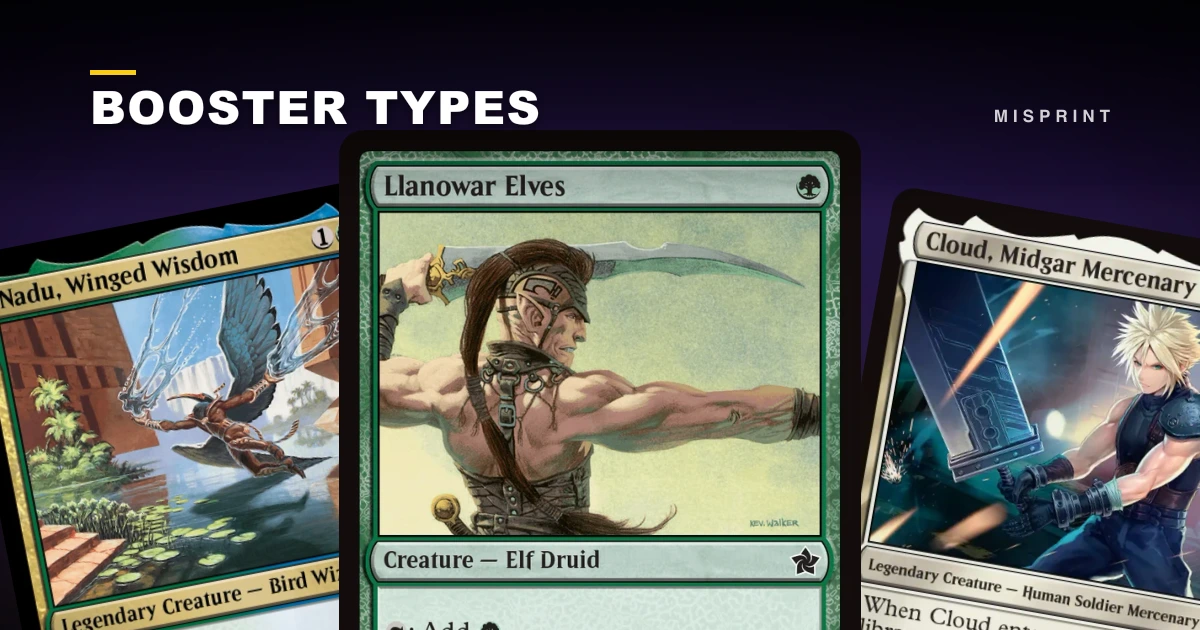
This is also the only place you will find serialized cards, the numbered-out-of-500 (or fewer) versions that collectors chase hardest. They appear in well under 1 percent of Collector Boosters, so treat them as a lottery ticket rather than an expectation. Modern Horizons 3, for example, put chase mythics like Nadu, Winged Wisdom into premium borderless and extended-art frames, and seeded serialized double-rainbow versions of its three Eldrazi titans, Emrakul, Kozilek, and Ulamog, at 250 numbered copies each, into Collector Boosters at rates below 1 percent.
Collector Boosters cost far more: MSRP sits around $28 to $38 per pack, and a 12-pack Collector Booster box for a standard set generally lands between about $230 and $290. For a deeper look at how these premium products hold value, see Magic's Special Collector Products, Ranked by Value and Every Magic Foil Treatment, Explained.
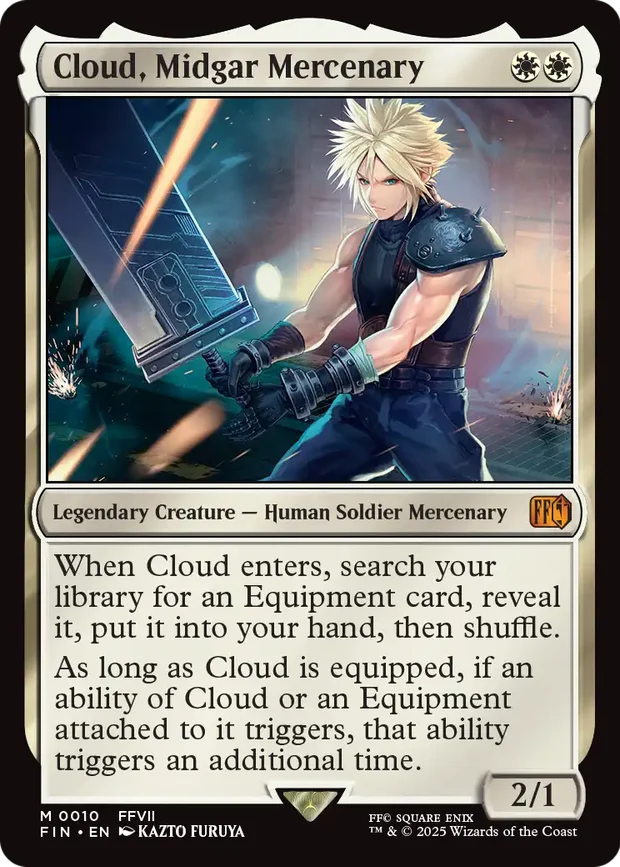
The Universes Beyond effect can make those numbers look quaint. The Final Fantasy set, released June 13, 2025, launched with a Collector Booster MSRP of $37.99 (about $455 for a 12-pack box), then demand for its 77 serialized golden Traveling Chocobo cards drove secondary prices for sealed Collector boxes to roughly $1,000 to $1,200. That is an extreme case, but it shows how far a Collector Booster's value can drift from its sticker price. If you want to understand why, How Universes Beyond Changed Magic's Collectible Market covers the shift in full.
Bundles, Jumpstart, and everything beyond
Two more products round out what most players will encounter.
Bundles
A Bundle (the successor to the old Fat Pack) is a value-and-lands box. The standard configuration includes nine Play Boosters, 30 basic lands split between 15 foil and 15 nonfoil, a traditional foil alternate-art promo, a spindown life counter, and a storage box. Since Wizards brought back listed MSRPs in late 2024, a standard-set Bundle runs $53.99, while the cheaper Foundations Bundle was $49.99 and bumped its land count to 40. Some sets vary the contents further: the Final Fantasy Bundle swapped in two foil extended-art cards and full-art basic lands. The math is straightforward. If you would buy nine Play Boosters anyway, the lands, promo, and box come close to free. If you only care about the singles, a box or loose packs are usually cheaper per card.
Jumpstart
Jumpstart is the outlier and arguably the best on-ramp for new players. Each pack holds 20 cards built around a single theme, including all the lands you need and at least one rare or mythic (about a one-in-three chance of two). You open two packs, shuffle them together, and you have a playable 40-card deck with zero deckbuilding. Foundations Jumpstart in late 2024 leaned into this with an anime-art card in every pack. Packs run about $5 to $6, and it is the cheapest way to go from "I own no cards" to "I am playing a game."
Beyond these, you will still see Commander decks (preconstructed 100-card decks with new cards, sold around $45 to $75) and the occasional Starter Kit aimed at absolute beginners. Those are complete products rather than randomized packs, so they sit outside the "which booster" question.
Which one should you buy?
The honest answer depends entirely on your goal, and it is worth being clear-eyed about it before you spend.
If you play Standard, Commander, or draft, buy Play Boosters, or a Bundle if you want lands and packs together. You are paying for playable cards, and the guaranteed rare plus two wildcard slots give you real deck fuel per dollar.
If you collect, chase foils, or want the best odds at alternate-art and serialized cards, Collector Boosters are the only product that delivers them, and you should accept that you are paying a large premium for treatments rather than raw playability. Whether that premium pays off over time is its own debate, one covered in Sealed Magic: Booster Boxes vs Singles as Investments.
If you are brand new, start with Jumpstart. It is cheap, it is instantly playable, and it teaches you what the cards do without a rulebook.
One caveat on every price above: sealed product moves constantly, and the listed prices on aggregators and marketplaces often run ahead of what items actually sell for, especially in the weeks around a set's release. Check recent sold data, not just asking prices, before you buy or sell. If you graded any of your best pulls, tools like Misprint that track the graded-card market can help you see where real transaction prices are landing rather than optimistic listings.
Quick comparison
| Product | Cards per pack | Guaranteed rares+ | Approx. MSRP per pack | Best for |
|---|---|---|---|---|
| Play Booster | 14 | 1 (plus 2 wildcards) | $5 to $7 | Playing, drafting, value |
| Collector Booster | 15 | 5 or more | $28 to $38 | Foils, treatments, serialized chase |
| Bundle | 9 Play Boosters + 30 lands | 9 (one per pack) | $50 to $54 total | Lands plus packs in one box |
| Jumpstart | 20 (themed half-deck) | 1 (sometimes 2) | $5 to $6 | New players, instant decks |
Pick the pack that matches what you actually want out of it, and the wall of product at the store stops being intimidating.