Best Magic Sets to Collect for Value
Nine sets that reward the patient collector, counted down to the one that started it all.
By Misprint Editorial | Published May 28, 2026 | 7 min read
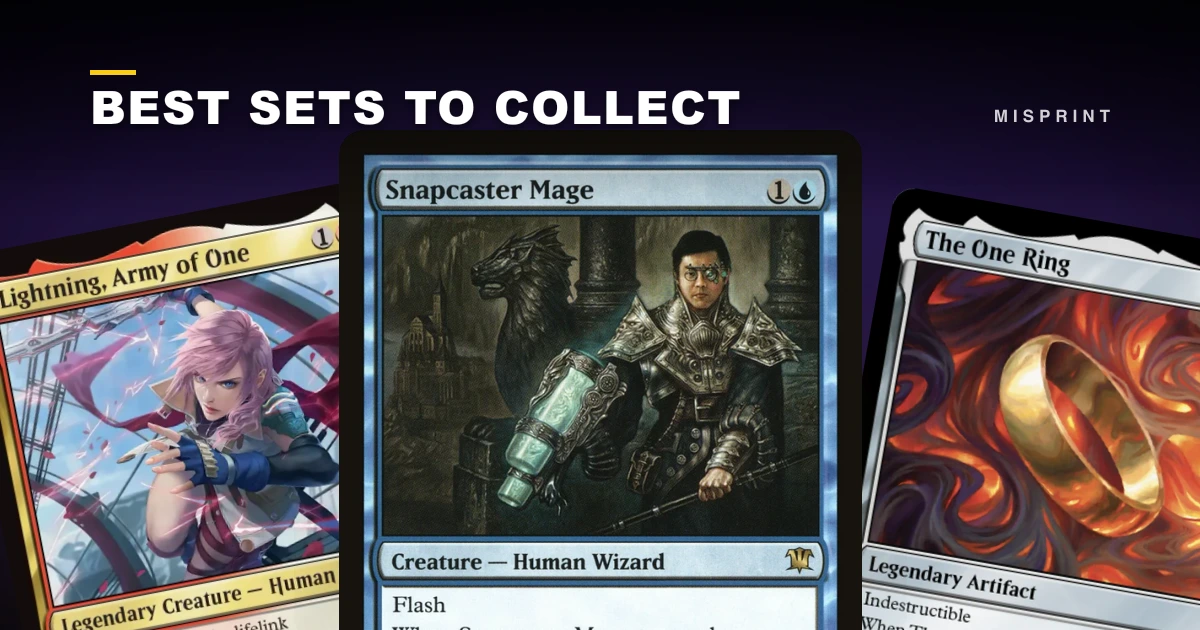
Nine sets that reward the patient collector, counted down to the one that started it all.
"Collect for value" is a slippery phrase, because value in Magic comes from two very different places. A set can be worth chasing because a handful of its singles are locked behind the Reserved List and will never be reprinted, or because it is so freshly popular that sealed product and staples are climbing before your eyes. The best sets do both, or at least do one of them convincingly enough to survive the next decade of reprints and format shifts.
Below is a ranked list of the sets I would actually put money into if the goal is appreciation rather than playing. A quick note on the numbers: every price here is a snapshot from mid-2026, and aggregator listings (mtgstocks, TCGplayer, PriceCharting) often sit ahead of what cards genuinely sell for. Treat the ranges as direction, not gospel, and always check recent sold data before you buy. We track the graded side of this market at Misprint, and even there the spread between "asking" and "sold" can be wide.
9. Innistrad (2011)
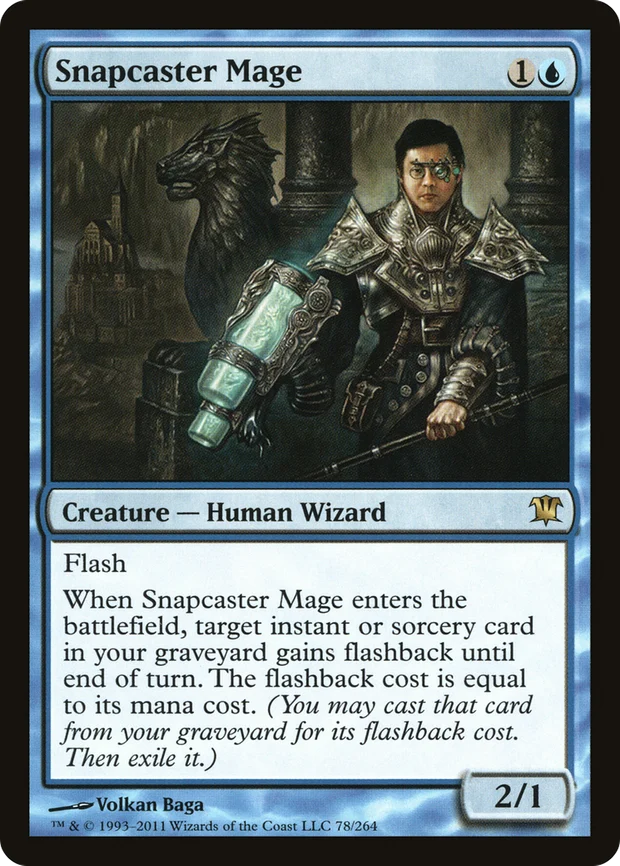
The original Innistrad is the model for how a beloved Standard set ages into a value play, though the shape of that value has shifted. Snapcaster Mage debuted here, and after years of reprints the original non-foil now sits around $15 to $20, while the original foil still commands roughly $40 to $50. Liliana of the Veil debuted here too, with the non-foil down near $10 to $20 and the original foil holding around $85. The clearest value story, though, is sealed: an Innistrad booster box that cost roughly $100 at release now changes hands around $500 to $650. The set's gothic horror identity gave it staying power that most Standard expansions never earn.
8. Universes Beyond: Final Fantasy (2025)
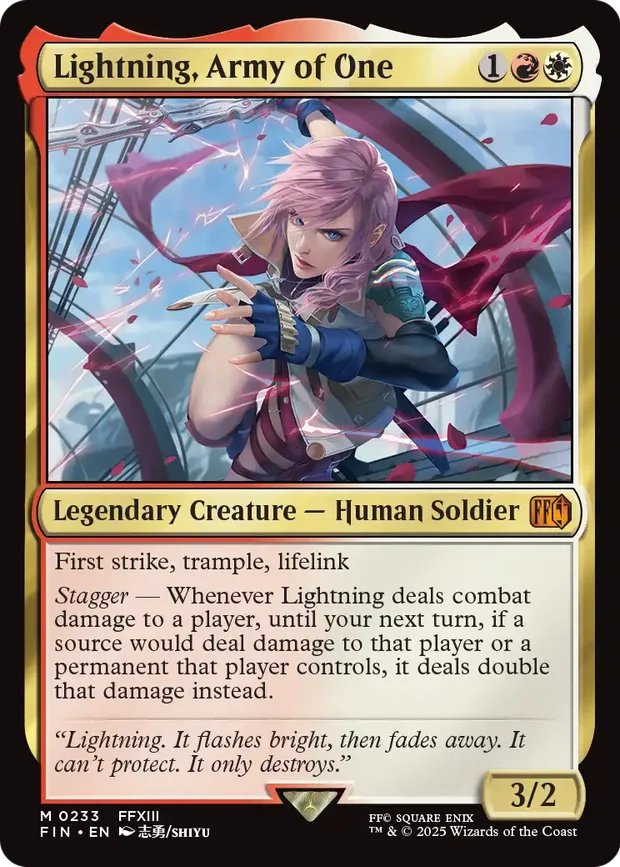
Final Fantasy is the best-selling Magic release Wizards has ever put out, and it rewrote what a crossover set can command. Collector boosters held a premium well above a typical Standard set, and the marquee singles decoupled from gameplay almost immediately to become collectibles in their own right. The borderless surge-foil Lightning, Army of One is the poster child: it spiked from around $125 in early sales to roughly $340 by mid-2026 on the back of a thin supply, with only a couple dozen listings live at a time. The set's rarest pull, a serialized golden Traveling Chocobo limited to 77 copies, sits in a collectible tier of its own. The risk with any Universes Beyond product is print run, so the sealed and serialized pieces are the safer long-term bets. For the bigger picture, see How Universes Beyond Changed Magic's Collectible Market.
7. The Lord of the Rings: Tales of Middle-earth (2023)
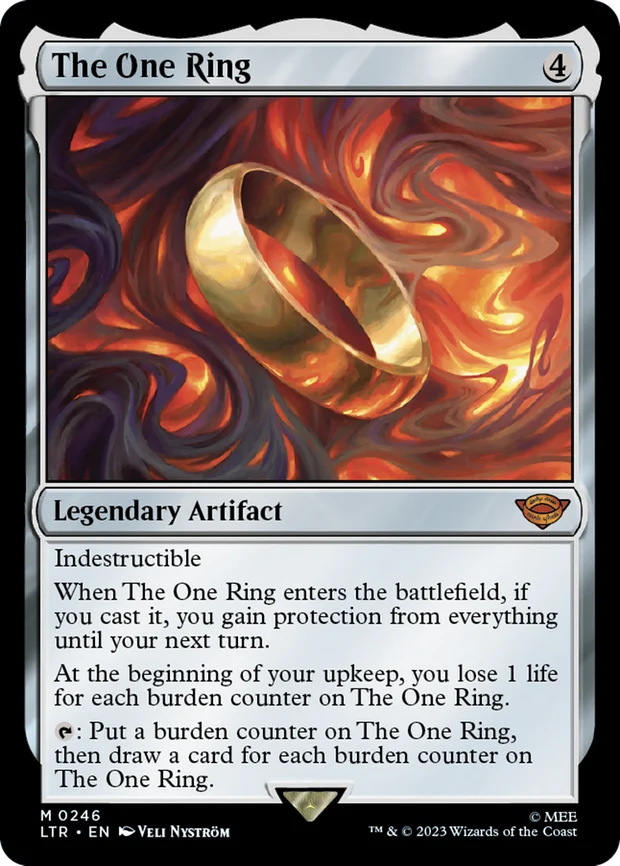
This is the set that produced the most famous modern Magic card of all: the 1-of-1 serialized One Ring, pulled in Ontario and sold to Post Malone for a reported $2 million. You will not pull another, but the halo effect is real. Standard black-border copies of The One Ring trade around $90 to $120, the 100-print serialized Realms and Relics box toppers run into four figures, and Special Edition collector boosters famously spiked past $1,000 per pack with sealed displays reaching five figures. A full breakdown lives in The Most Valuable Cards from The Lord of the Rings.
6. Modern Horizons 3 (2024)
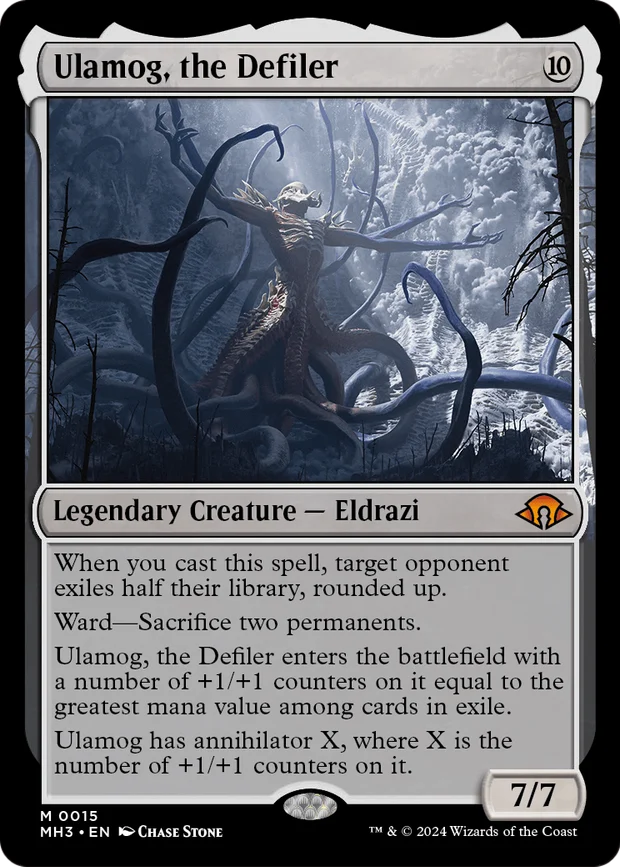
Modern Horizons sets exist to inject powerful cards straight into eternal formats, which means their staples are load-bearing and their collector boxes are expensive. MH3 collector booster boxes have settled around $650 to $720, and the set is stuffed with format-defining cards: the Eldrazi package led by Ulamog, the Defiler (around $20 to $30), plus Nadu, Winged Wisdom, which was strong enough to earn a Modern ban. High-demand competitive staples with no Standard-legal reprint pressure are exactly what you want for value.
5. Revised Edition (1994)
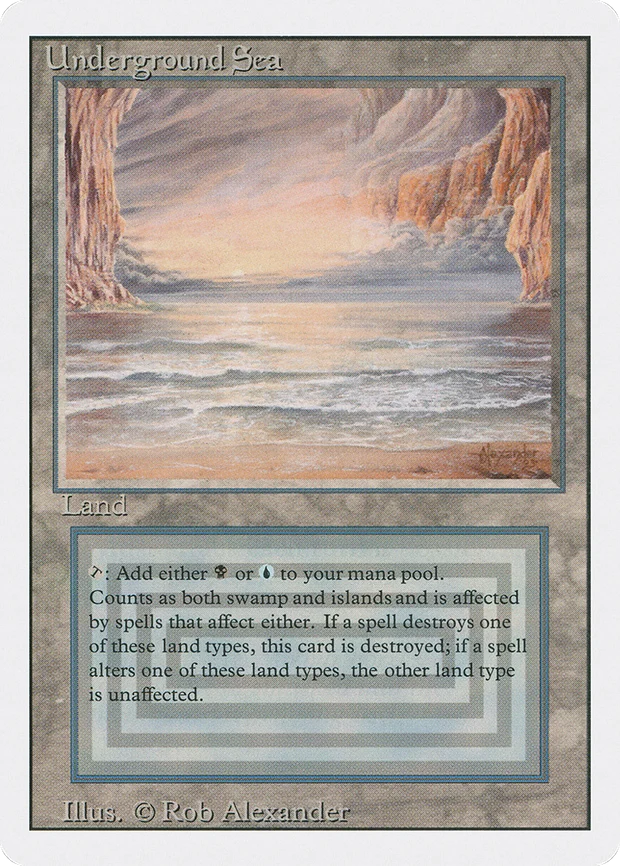
Revised is the accessible on-ramp to Reserved List money. It reprinted the ten original dual lands, and a Revised Underground Sea now sits around $700 to $1,000 in near mint, with the other blue duals close behind. These will never be reprinted in their original form, demand from Commander and Legacy players is permanent, and a clean Revised dual is one of the most liquid high-value cards in the hobby. The full landscape is covered in The Original Dual Lands: A Collector's Value Guide.
4. Antiquities (1994)
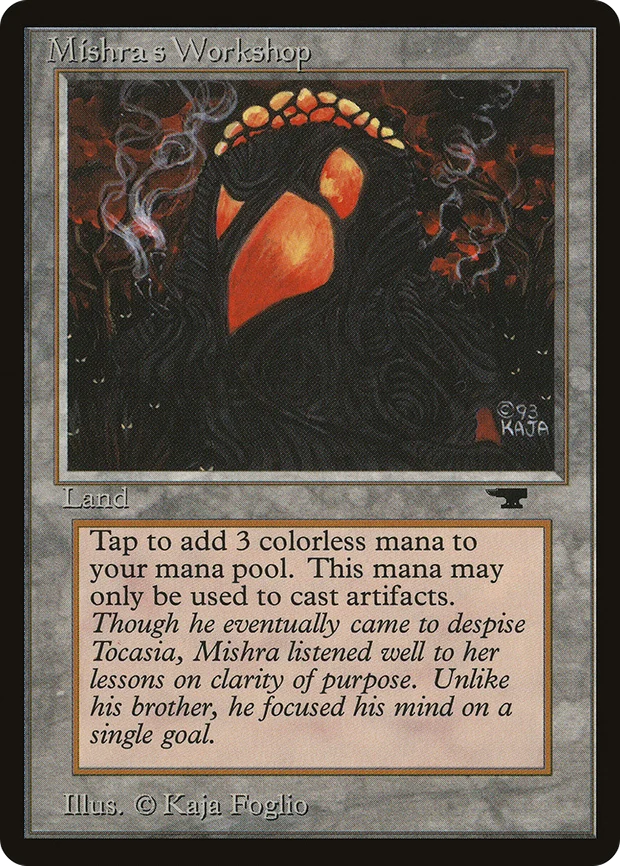
Antiquities is a small artifact-themed expansion whose best cards are permanently scarce. Mishra's Workshop, one of the most powerful lands ever printed, trades around $3,000 to $4,000 depending on condition, and the set's other Reserved List staples hold steady thanks to eternal-format demand. Low print run plus the Reserved List is the classic recipe for a set that only gets harder to find.
3. Legends (1994)
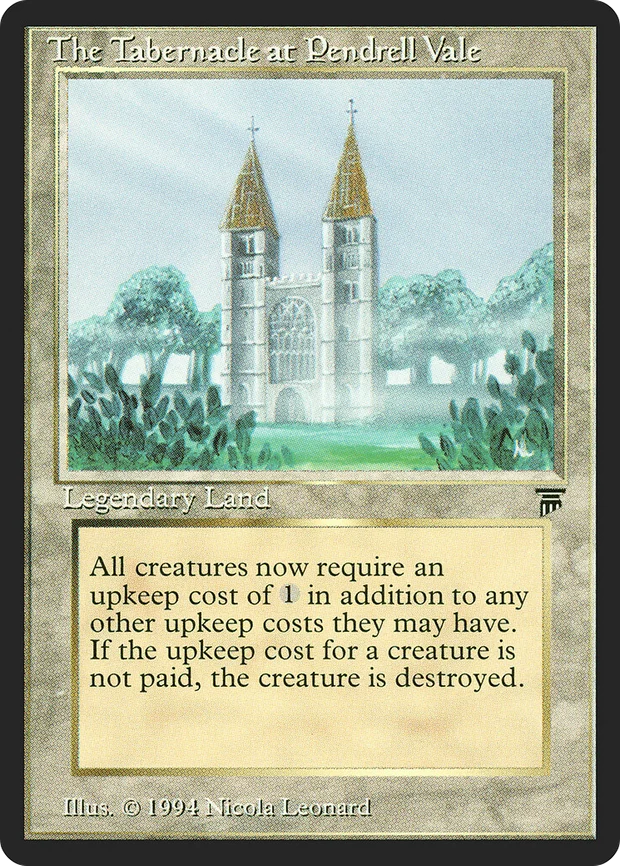
Legends is where the Reserved List gets serious. The Tabernacle at Pendrell Vale, one of the most expensive non-Power-Nine cards of the era, runs roughly $2,900 to $4,000, and cards like Moat and the original legendary creatures anchor a set that almost never surfaces in quantity. Understanding why these prices are structural rather than speculative starts with Magic's Reserved List, Explained.
2. Arabian Nights (1993)
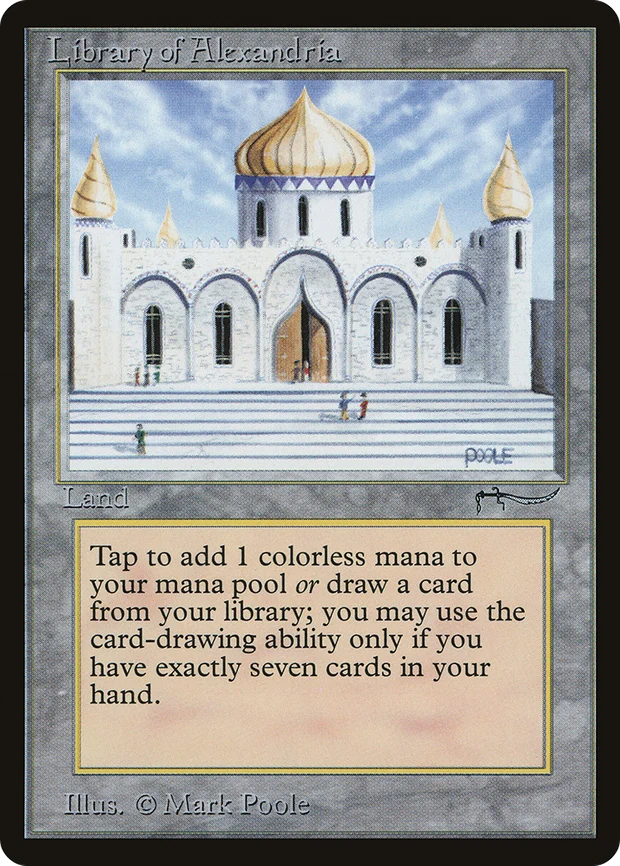
Magic's very first expansion had a tiny print run and gave us Library of Alexandria, a card so strong it is restricted in Vintage and banned in Legacy. Near mint copies trade around $1,700 to $3,200 depending on the source and condition, and sealed Arabian Nights product is a genuine museum piece that surfaces only a few times a year at auction. Everything about this set is scarce by nature, and scarcity that predates the entire secondary market does not reverse.
1. Limited Edition (Alpha and Beta, 1993)
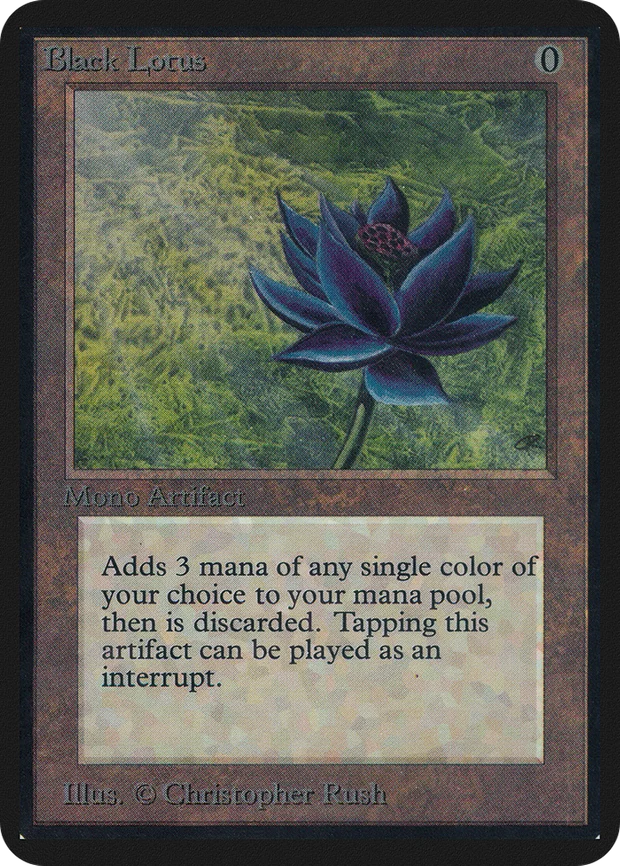
Nothing else is close. The original 1993 printings are the blue-chip of the entire hobby, home to the Power Nine and the Black Lotus. A near mint Beta Black Lotus trades around $20,000 to $35,000 ungraded, Alpha copies run higher, and high-grade slabbed examples reach well into six figures. Sealed Alpha and Beta packs sell for five figures each. These sets defined what a collectible trading card could be, the supply only shrinks, and demand has proven durable across three decades of the game's ups and downs.
Recap: Best Magic Sets to Collect for Value
| Rank | Set | Year | Signature card | Rough value anchor |
|---|---|---|---|---|
| 9 | Innistrad | 2011 | Snapcaster Mage (foil) | $40 to $50 |
| 8 | Final Fantasy | 2025 | Lightning, Army of One (surge foil) | $300 to $360 |
| 7 | LOTR: Tales of Middle-earth | 2023 | The One Ring | $90 to $120 (base) |
| 6 | Modern Horizons 3 | 2024 | Ulamog, the Defiler | $20 to $30 |
| 5 | Revised Edition | 1994 | Underground Sea | $700 to $1,000 |
| 4 | Antiquities | 1994 | Mishra's Workshop | $3,000 to $4,000 |
| 3 | Legends | 1994 | The Tabernacle at Pendrell Vale | $2,900 to $4,000 |
| 2 | Arabian Nights | 1993 | Library of Alexandria | $1,700 to $3,200 |
| 1 | Alpha / Beta | 1993 | Black Lotus | $20,000 to $35,000+ |
Two lessons run through the whole list. Old sets earn their value from scarcity that can never be undone (the Reserved List and print runs from before Magic was a phenomenon), while modern sets earn it from concentrated demand that has to keep proving itself. If you want the surest bets, weight toward the bottom of this list. If you can stomach volatility for a shot at bigger short-term moves, the newer sets are where the action is. And whichever way you lean, decide up front whether you are buying sealed or singles, because the two behave very differently over time. That trade-off is worth reading up on in Sealed Magic: Booster Boxes vs Singles as Investments.