Does Grading Increase a Magic Card's Value?
The graded premium is real, but it only shows up on the right cards.
By Misprint Editorial | Published Apr 7, 2026 | 6 min read
The graded premium is real, but it only shows up on the right cards.
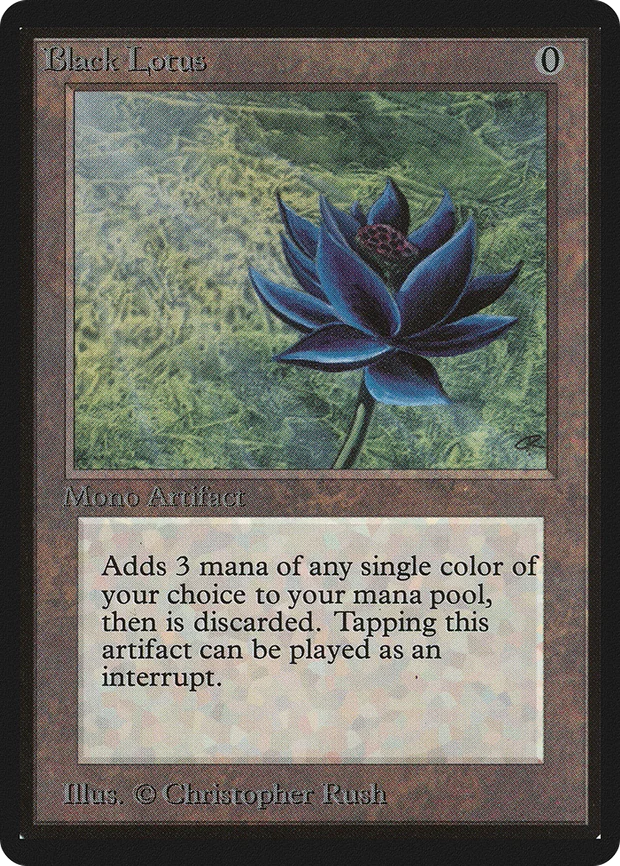
The short answer is yes, grading can increase a Magic card's value, sometimes by an absurd margin. A PSA 10 Beta Black Lotus trades for roughly ten times what the same card sells for raw. But the honest answer is more complicated, because that premium is wildly uneven. It is enormous on old, expensive, condition-sensitive cardboard and effectively zero on the modern rare sitting in your trade binder. Grading does not create value out of nothing. It confirms and unlocks value that a card already has, and it charges you a fee to do so.
Here is how the math actually plays out, with real numbers.
What grading actually does to a price
A grade does two things. It authenticates the card, which matters enormously in a game where a single Beta Black Lotus is worth more than a car and counterfeits circulate freely. And it locks in a condition assessment from a neutral third party, so a buyer paying five figures does not have to trust your description of the corners.
Both of those things reduce a buyer's risk, and lower risk translates directly into a higher price and a faster sale. Graded Magic cards over about $500 sell noticeably quicker than raw copies because the buyer is not gambling on centering or authenticity. That liquidity is part of what you are paying for.
The size of the premium tracks three variables: how valuable the card is raw, how old and condition-sensitive it is, and how scarce high grades are for that specific card. Stack all three and the premium explodes. Miss any of them and it collapses.
The vintage end: where grading prints money
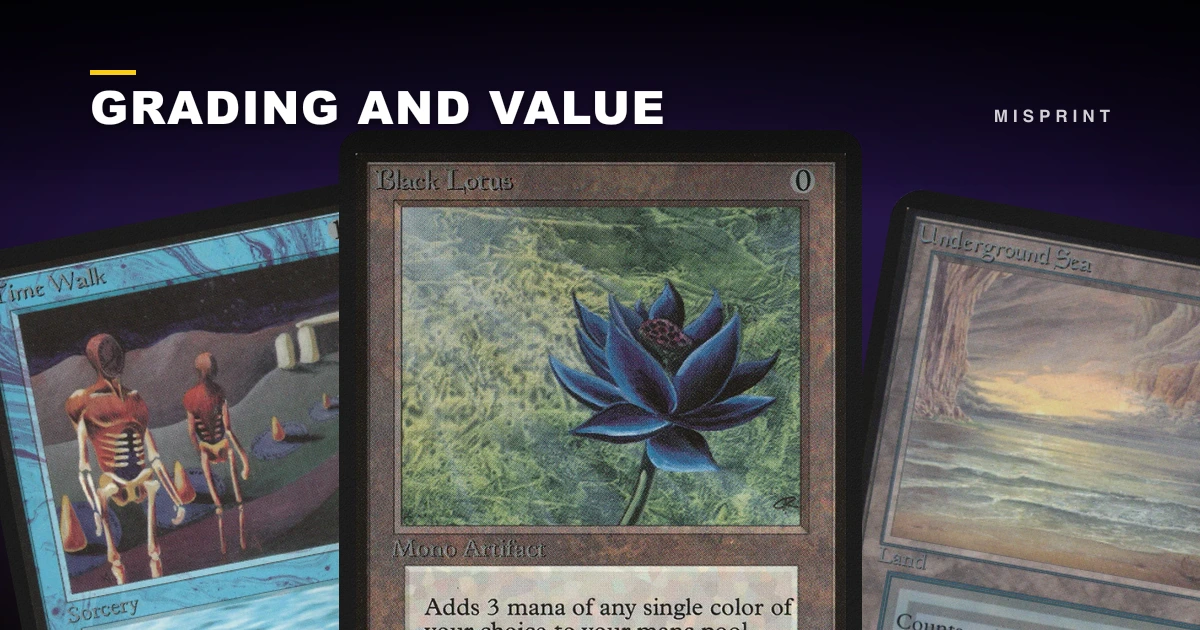
At the top of the market, grading is close to mandatory, and the numbers show why. Take Beta Black Lotus, the poster child of expensive Magic. Raw near-mint copies run roughly $18,000 to $35,000. Slab that same card and the ladder gets steep fast:
- PSA 8: about $24,000 to $45,000
- PSA 9: about $55,000 to $120,000
- PSA 10: about $150,000 to $300,000
A gem-mint grade on a card that trades for around $25,000 raw can add well over $100,000 to its value. The jump from PSA 9 to PSA 10 alone routinely doubles or triples the price, because genuine gem-mint copies of a 1993 card are punishingly rare. If you own the most iconic card in the game and you have not graded it, you are leaving a fortune on the table.
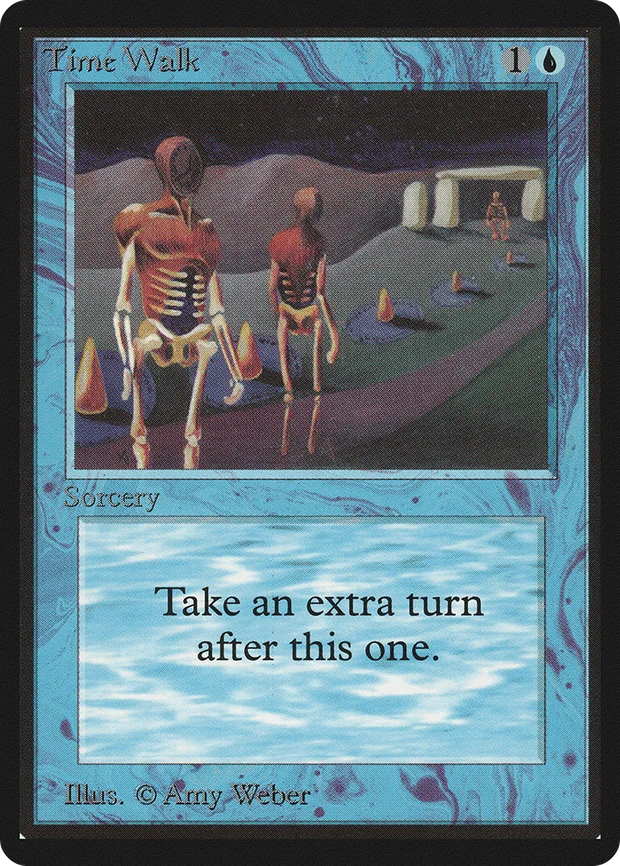
The rest of the Power Nine behaves the same way. PSA 10 examples of Power Nine cards routinely fetch two to three and a half times their raw price, one of the highest grading multipliers in any trading card category. A Beta Time Walk that sells around $10,000 raw is a materially different asset in a gem-mint slab.
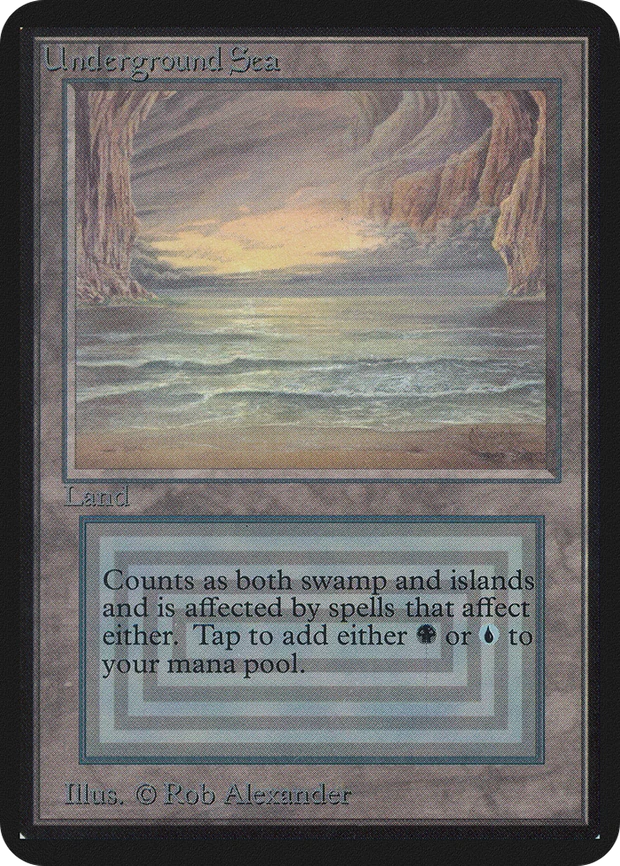
Reserved List staples follow the pattern too. The original dual lands are old, condition-sensitive, and permanently supply-capped, which is exactly the profile grading rewards. An Alpha Underground Sea trades around $7,200 raw and near $18,400 in PSA 10, a grade premium of roughly 155 percent on the same printing. When a card is worth four figures raw, the grade premium almost always clears the fee with room to spare.
The modern end: where grading barely moves the needle
Now flip it around. On modern cards the graded premium shrinks dramatically, and on cheap cards it goes negative once you count the fee.
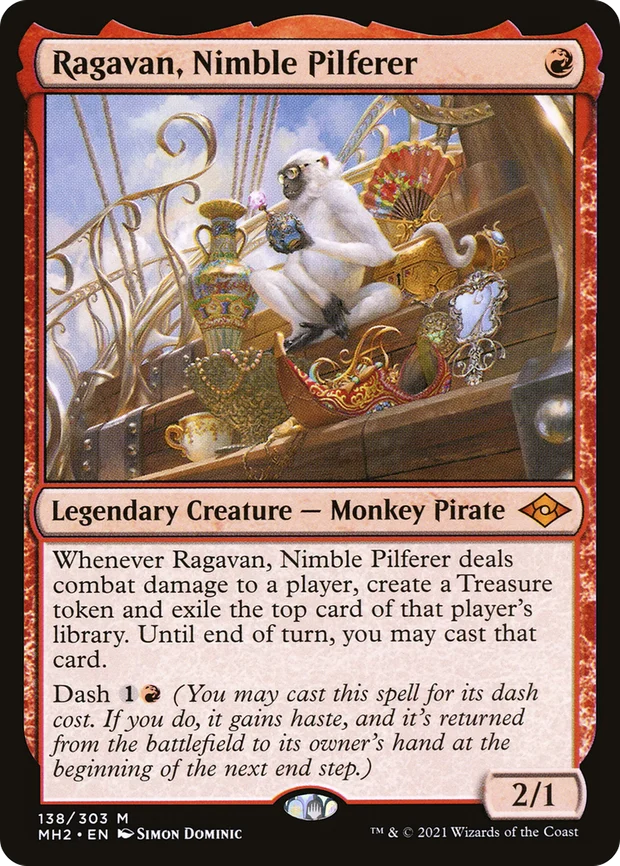
For a modern staple, a PSA 10 typically sells for about 1.5 to 3 times the raw near-mint price, and the step from PSA 9 to PSA 10 on modern sets is often just 1.3 to 2 times. Ragavan, Nimble Pilferer, the chase mythic from Modern Horizons 2 (the set right before Modern Horizons 3), is a clean example. The raw card runs around $16, and even a PSA 10 is not a life-changing multiple over that the way a Beta rare is. The card is only a few years old, print runs are huge, and gem-mint copies are common, so scarcity never enters the equation.
The economics only get worse as you go down. In June 2026 PSA paused its cheaper Value tiers, and Regular service now starts at $79.99 per card with a roughly 40 to 50 business day turnaround. Add a handling charge and insured return shipping and your all-in cost per card is comfortably north of $100 before you count your own time. A common, an uncommon, or a standard-legal rare worth $8 is never getting that money back. The rule of thumb most sellers use: only grade a card where you expect the graded price to beat the raw price by enough to cover the full cost, which in practice means raw values starting in the low hundreds and climbing from there. For the fee breakdown by tier, see our guide on how much it costs to grade Magic cards.
The grade you get is the whole game
There is a trap hiding in all of this: grading only adds value if the grade is high. Submitting a card is a bet, and you can lose it.
Because the premium is concentrated at the top of the scale, a mediocre grade can leave you worse off than raw. Spend $100 to slab a card hoping for a PSA 9, get a PSA 6 back, and you may have permanently capped its value below what an optimistic raw buyer would have paid. This is why experienced submitters pre-screen ruthlessly for centering, surface, and corner wear before spending a cent.
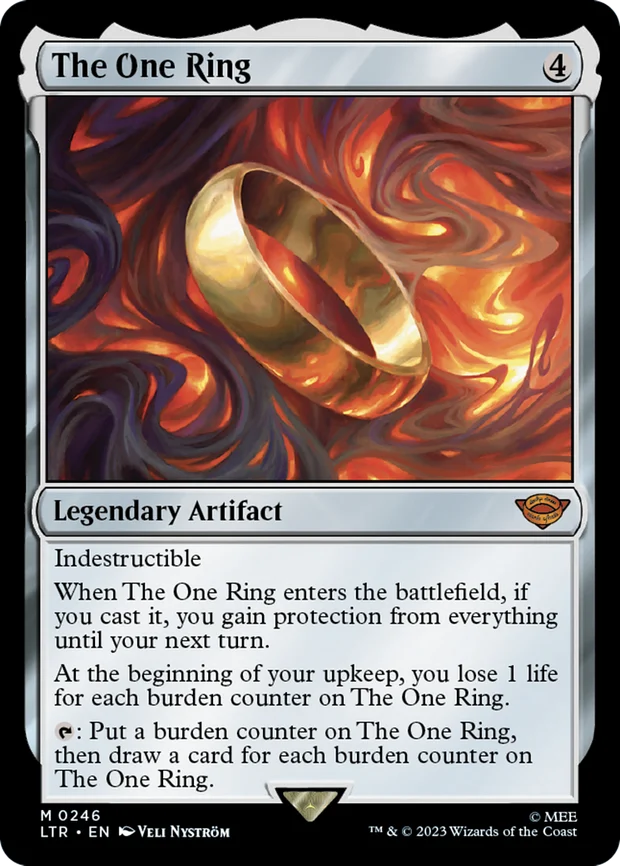
Even flawless cards are not guaranteed. When the serialized 001/001 The One Ring, the single most valuable modern Magic card ever printed, was pulled pack-fresh and submitted to PSA, it came back a Mint 9, one grade shy of gem mint. That copy later sold to Post Malone for $2 million. If a pristine card straight out of the pack can miss the 10, yours can too.
So, does it increase value?
It depends entirely on the card. Grading reliably increases value when three things are true at once: the card is genuinely expensive raw, it is old enough that high grades are scarce, and the copy you are submitting is clean enough to earn a top grade. Vintage rares, Power Nine, dual lands, and high-end Reserved List cards check every box, and grading them is close to a requirement at their price points. That is also why these cards dominate the graded population reports that firms like PSA publish and that marketplaces like Misprint track to gauge the graded market.
For everything else, grading is a cost, not an upgrade. A modern rare, a bulk foil, or any card worth less than roughly $100 to $150 raw will usually cost you more in fees and risk than the slab adds back.
Grade the cards where the market pays for certainty. Leave the rest raw.
Prices here are drawn from public aggregators including PriceCharting and MTGPrice plus recent auction results in mid-2026. Aggregator prices can run ahead of actual sold prices, and the vintage graded market in particular moves quickly, so treat every figure as a snapshot rather than a quote.
Raw vs graded, at a glance
| Card | Raw (NM) | PSA 9 | PSA 10 |
|---|---|---|---|
| Beta Black Lotus | $18k to $35k | $55k to $120k | $150k to $300k |
| Alpha Underground Sea | around $7.2k | around $11k to $13k | around $18.4k |
| Beta Time Walk | around $10k | strong premium | 2x to 3.5x raw |
| Ragavan (MH2) | around $16 | 1.3x to 2x raw | 1.5x to 3x raw |
Figures are approximate 2026 aggregator and auction ranges and will shift with the market.