The Most Iconic Magic: The Gathering Cards of All Time
From a dollar-store Lightning Bolt to a six-figure Black Lotus, the cards that define the game.
By Misprint Editorial | Published May 16, 2026 | 8 min read
From a dollar-store Lightning Bolt to a six-figure Black Lotus, the cards that define the game.
Some cards are expensive. A smaller group is iconic, which is a different quality entirely. Iconic cards are the ones a lapsed player can still name from memory, the ones that show up on tournament tables and in living-room Commander games and in the boxes people find in their parents' attics. They shaped how the game is played, how it is drawn, and how it is collected. A few are worth a used car. A few cost less than a sandwich. What unites them is that Magic: The Gathering would look different without them.
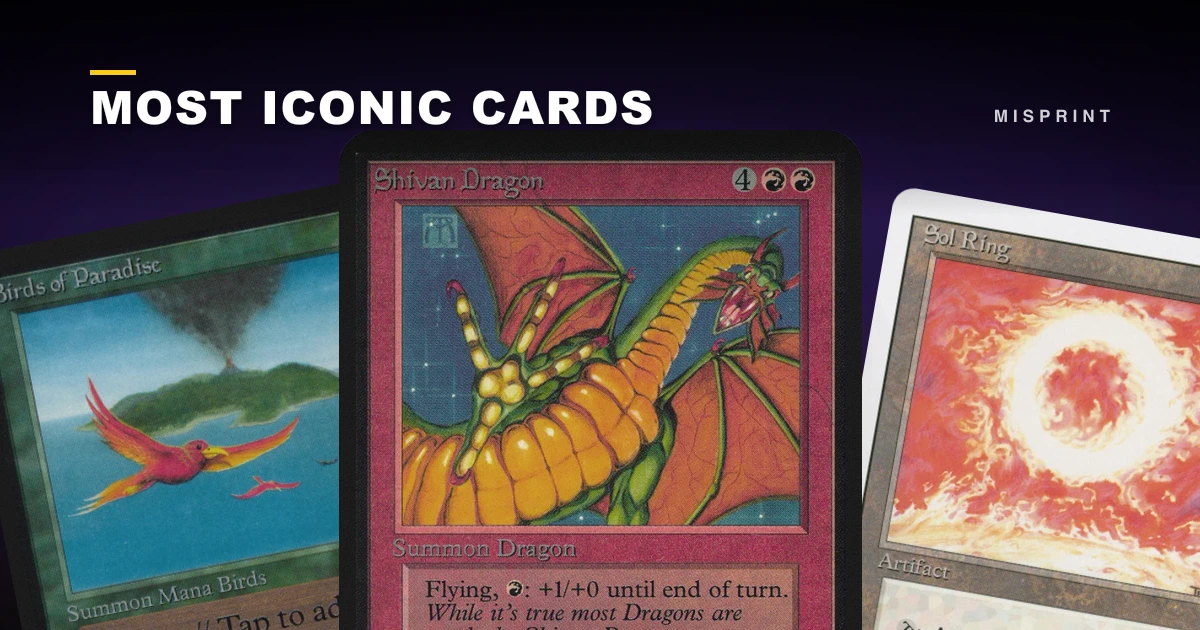
This is a countdown of the most culturally iconic cards the game has produced, ending at the one card everyone points to. Prices below come from public trackers like TCGplayer, MTGStocks, PriceCharting, and Card Kingdom in mid-2026. Treat them as directional. Aggregator listings often run ahead of what cards actually sell for, and vintage pieces swing hard with condition and grading.
10. Shivan Dragon
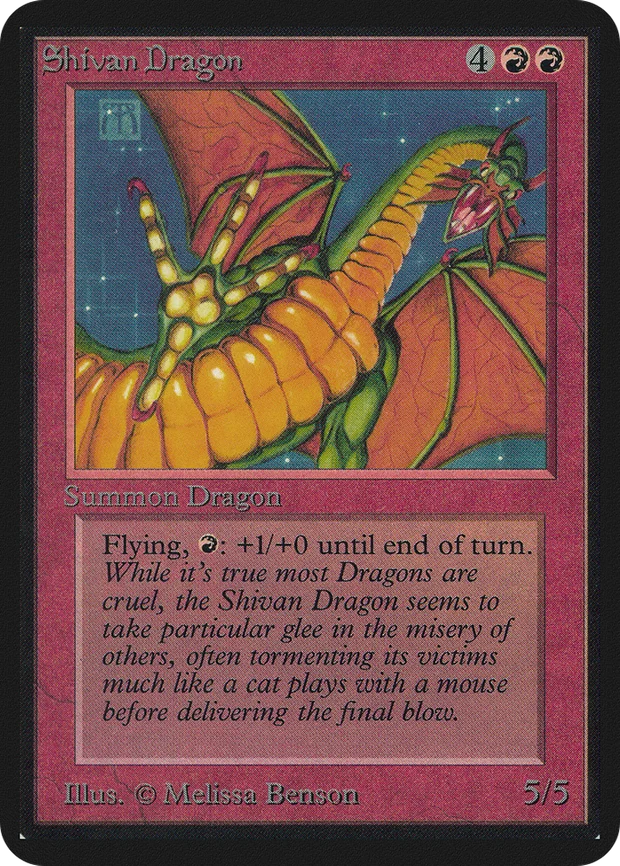
Shivan Dragon was the creature that told a generation of new players what Magic could be. A 5/5 flyer with a firebreathing ability, printed at rare in the earliest sets and reprinted in core set after core set, it was the aspirational bomb every kid wanted to open. It is not a competitive card and never really was, but it is a mascot. Melissa Benson's Alpha art is burned into the memory of anyone who played in the 1990s. An Alpha copy runs around $3,600 to $4,000 and a Beta around $2,000 in the current market, while the endless modern reprints sit at a dollar or two.
9. Birds of Paradise
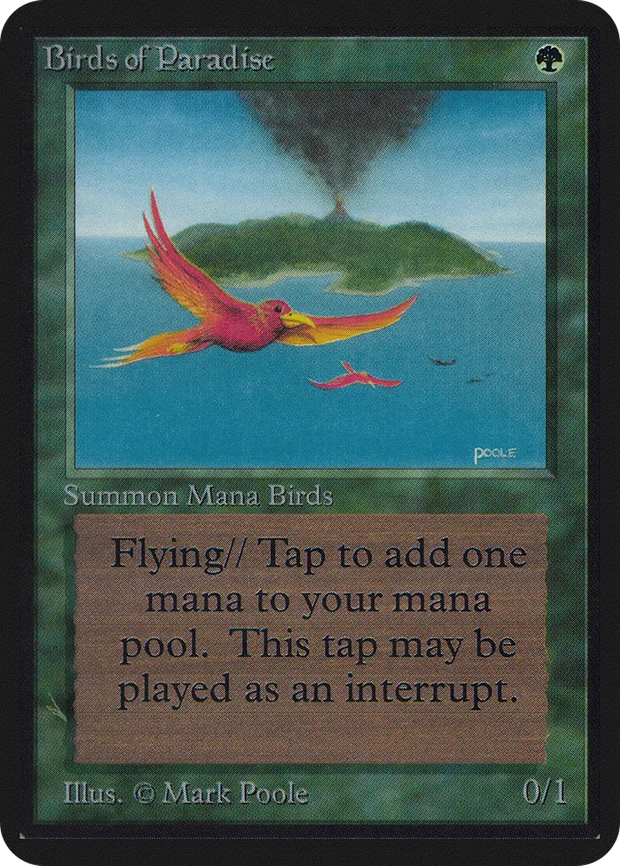
The most famous mana accelerator in the game exists because of a happy accident. Mark Poole's artwork was commissioned for a dual land and came back with the bird dominating the frame, so Richard Garfield built a new card around it rather than waste the piece. The result was a one-mana creature that taps for any color, a staple of green decks from Alpha through Eighth Edition and a fixture of Old School play today. An Alpha Birds of Paradise sits around $4,000 to $4,800, with clean copies commanding more. Later printings are cheap, which is part of the point: the card is iconic at every price.
8. Sol Ring
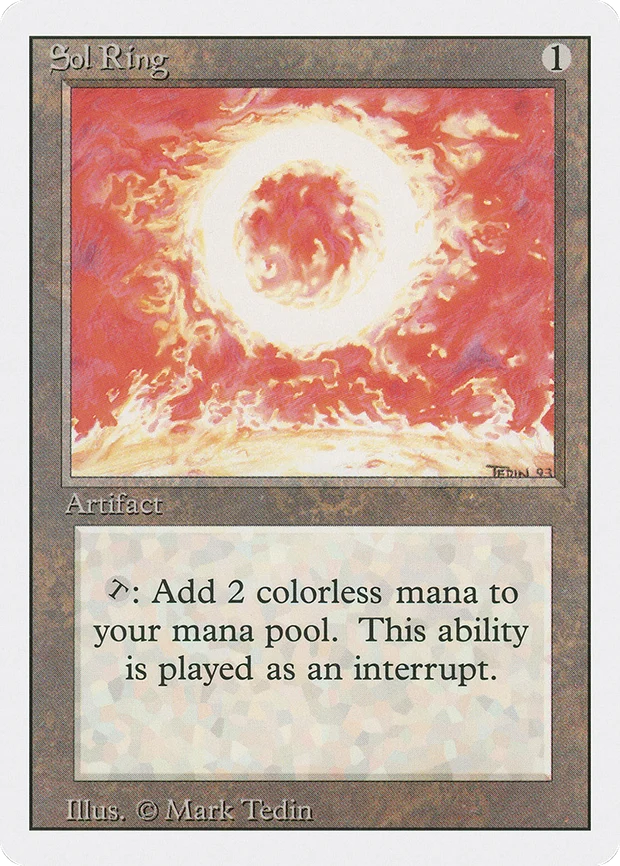
No card defines a format the way Sol Ring defines Commander. It is a two-mana artifact that produces two colorless mana, which means it pays for itself immediately and snowballs from there. It is banned in most Constructed formats but legal in Commander and Vintage, and it appears in a staggering share of Commander decks. Mark Tedin's Alpha printing runs around $1,300 to $1,600, and the Unlimited version sits around $100, but the Revised and Commander reprints are a few dollars each. Sol Ring is iconic precisely because almost everyone owns one.
7. Force of Will
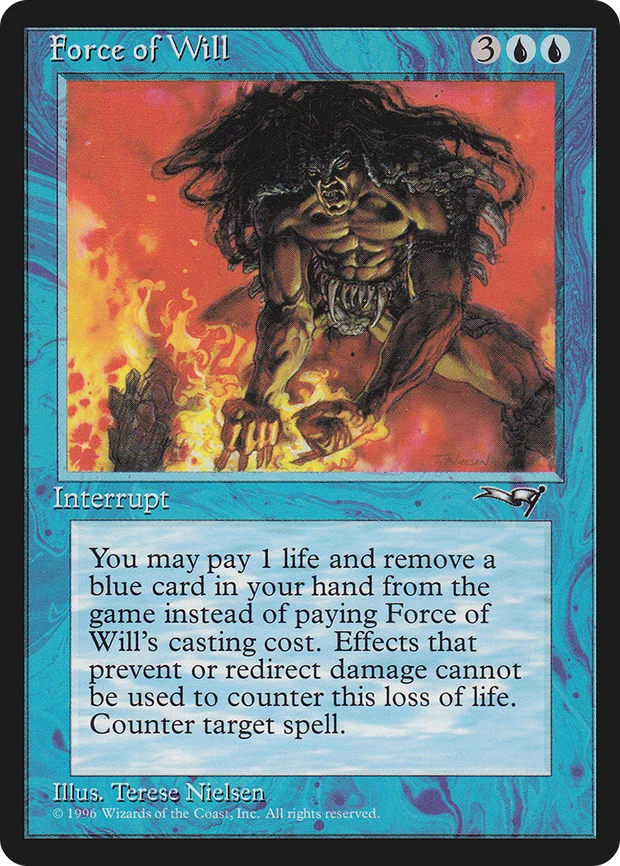
Force of Will is the card that lets a blue deck say no without paying for it. By exiling a blue card and paying 1 life, you cast it for free, which is why it has anchored Legacy and Vintage for decades and why "do you have the Force?" became a genuine question at high-level tables. The original Alliances printing runs about $65 to $90 near mint. It has been reprinted in Eternal Masters and other sets since, but the uncommon from a mid-90s expansion is the one collectors chase.
6. Liliana of the Veil
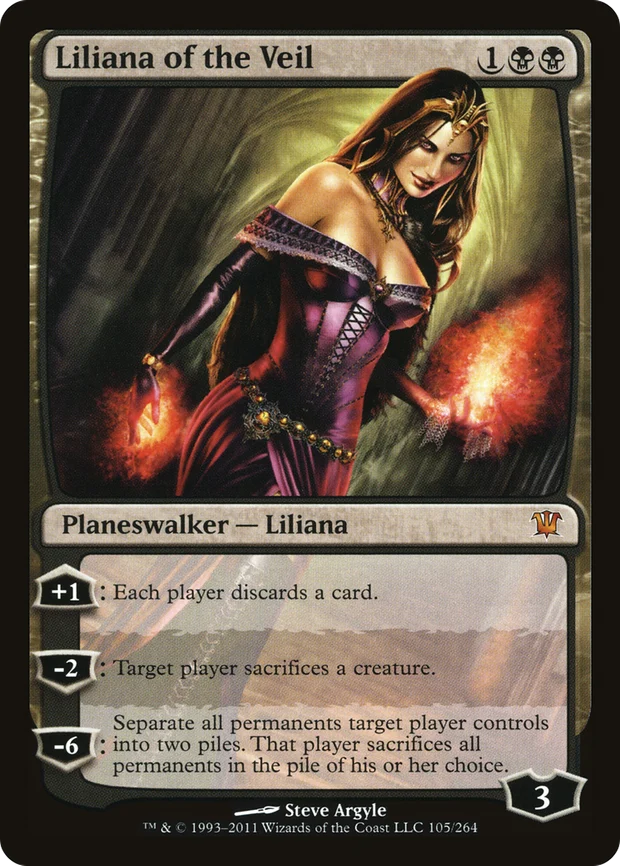
Planeswalkers gave Magic recurring characters, and Liliana is the breakout star. Liliana of the Veil, from the original Innistrad, is the version players picture: a symmetrical discard engine and edict effect that defined black midrange decks in Modern and Legacy for years. The Innistrad non-foil sits around $10 to $22 depending on condition, with foils near $80. Steve Argyle's art made her a fan favorite well beyond the tournament scene.
5. Jace, the Mind Sculptor
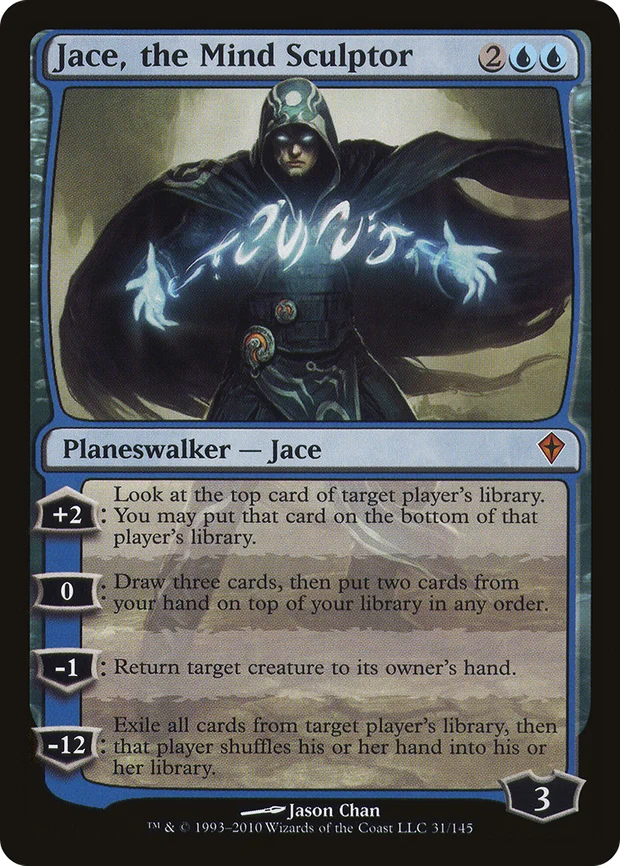
For a stretch, Jace, the Mind Sculptor was simply the best planeswalker ever printed, and Wizards banned it in Standard to prove the point. Four abilities, all of them good, on a four-mana card out of Worldwake. It became shorthand for "too powerful" and remains one of the most recognizable cards of the modern era. The Worldwake non-foil trades around $24 to $40, and foils run from roughly $220 to $400. For more on the era it defined, see our guide to the most valuable Modern Magic cards.
4. Snapcaster Mage
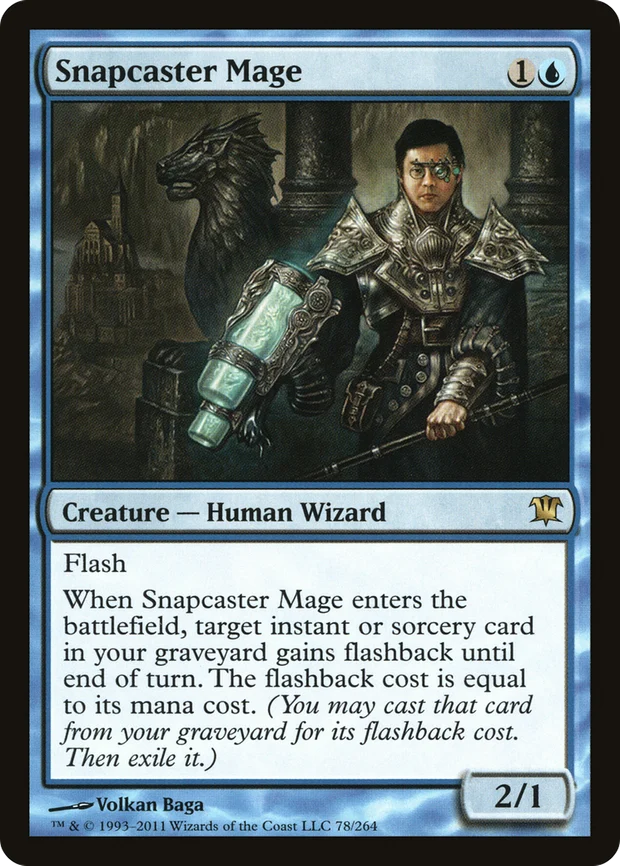
Snapcaster Mage came out of the Magic Invitational, where pro player Tiago Chan won the right to design a card in his own likeness, which is part of its legend. A two-mana human wizard that gives an instant or sorcery in your graveyard flashback, it rewarded the smartest players and became a defining blue card across Modern and Legacy. The Innistrad printing trades around $15 to $18 with foils near $45, down from its competitive peak but still one of the most beloved cards of the 2010s. Even off its ceiling, it is a card people quote by name.
3. Tarmogoyf
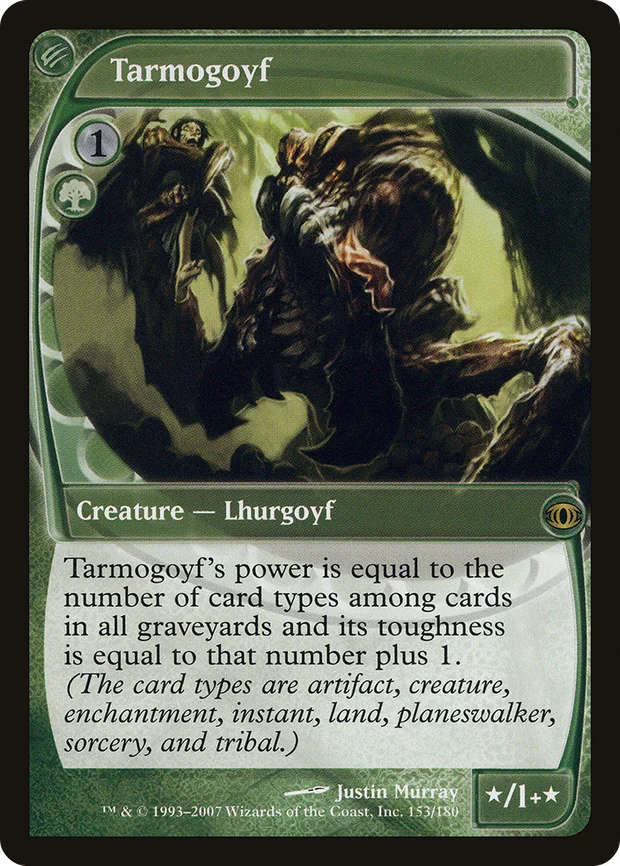
For most of a decade, "goyf" was the most feared two-drop in Modern. Tarmogoyf, from Future Sight, is a green creature whose power and toughness grow with the number of card types in all graveyards, which routinely made it a 4/5 or bigger for two mana. It was the card that told you a deck was serious. The Future Sight non-foil now sits around $20 near mint with foils near $190, a long fall from the $150-plus days but a reflection of heavy reprinting rather than lost status. It remains one of the signature creatures of Magic's second era.
2. Lightning Bolt
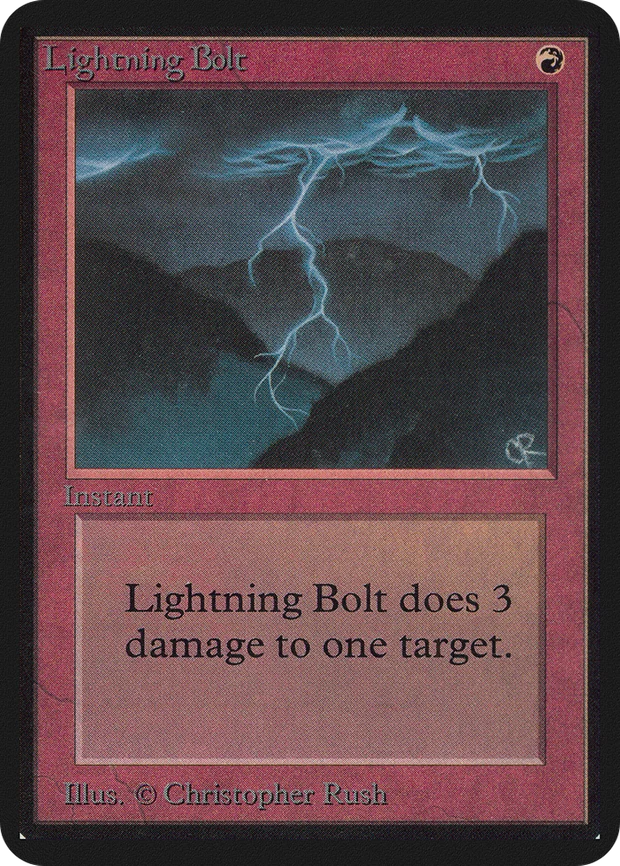
Three damage for one red mana. Lightning Bolt is the most elegant aggressive spell ever printed and arguably the single most iconic playable card in the game. It debuted in Alpha, appeared in core sets through Fourth Edition, then returned in M10, M11, and a long line of Masters sets and promos, so it has been in players' hands nonstop for over 30 years. The Alpha version runs around $1,200 and Beta around $350, while modern reprints cost a few dollars. That spread is the whole story of Magic collecting in one card: same text, wildly different worth. It sits alongside the game's other defining spells in our roundup of the most valuable cards from across Magic.
1. Black Lotus
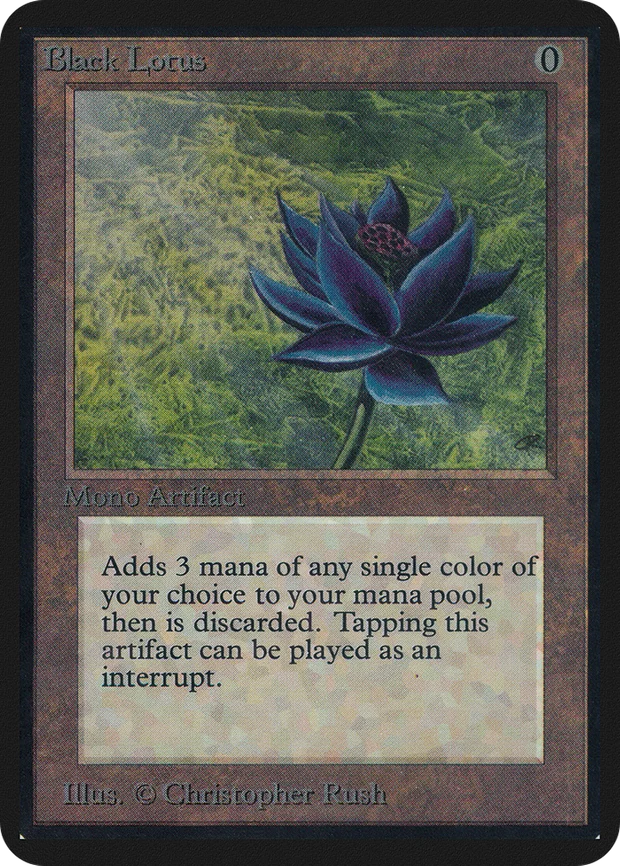
There was never any suspense here. Black Lotus is the most iconic card in Magic and one of the most recognized objects in the entire hobby. Sacrifice it, add three mana of any one color, and you have just accelerated your game plan in a way nothing else can. It is part of the Power Nine, it sits on the Reserved List so it will never be reprinted in its original form, and it has become the shorthand the whole world uses for "valuable trading card." Raw near mint Alpha copies trade in the range of $18,000 to $35,000, while graded gems climb far higher: PSA 9 copies have sold from roughly $55,000 to $150,000, and PSA 10 examples into the $250,000 to $500,000 range and beyond. If you want the full backstory, read what a Black Lotus is and why it is worth so much, and if you are trying to date an old copy, our guide to telling Alpha, Beta, and Unlimited apart will help.
Recap: the most iconic Magic cards
| Rank | Card | Notable printing | Approx. price (2026) |
|---|---|---|---|
| 10 | Shivan Dragon | Alpha | around $3,600 to $4,000 |
| 9 | Birds of Paradise | Alpha | around $4,000 to $4,800 |
| 8 | Sol Ring | Alpha | around $1,300 to $1,600 (reprints a few dollars) |
| 7 | Force of Will | Alliances | around $65 to $90 |
| 6 | Liliana of the Veil | Innistrad | around $10 to $22 |
| 5 | Jace, the Mind Sculptor | Worldwake | around $24 to $40 |
| 4 | Snapcaster Mage | Innistrad | around $15 to $18 |
| 3 | Tarmogoyf | Future Sight | around $20 |
| 2 | Lightning Bolt | Alpha | around $1,200 (reprints a few dollars) |
| 1 | Black Lotus | Alpha | around $18,000 to $35,000 raw NM |
Iconic and expensive are not the same list, and this ranking is the proof. Lightning Bolt and Sol Ring are legendary in copies that cost less than lunch, while a graded Black Lotus can outprice a car. If you are watching how the graded end of this market moves over time, tools like Misprint track sold data and population trends so you can see where real prices land instead of guessing from a single listing. Prices here move constantly and aggregator numbers can run ahead of actual sales, so verify against recent completed transactions before you buy or sell.