Best Pokemon Cards to Grade Right Now (2026)
Most cards are not worth grading. These are the ones that are.
By Misprint Editorial | Published Jun 3, 2026 | 6 min read
The slab does not fix the card. Grade the right ones, skip the rest
The single most expensive mistake in this hobby is grading cards that should never have been graded. People mail off a stack of modern holos, pay tens of dollars per card plus shipping, wait weeks, and get back slabs worth less than what they spent. Grading is a tool with a narrow, specific use: it earns its keep when a card has a large gap between its raw value and its graded value, and when the card is clean enough to realistically hit the top grade.
This guide names the cards where that math works in 2026, but it starts with the economics, because the numbers changed this year in ways that matter. If you want the conceptual version first, our piece on whether it is worth grading Pokemon cards is the companion read.
Grading Economics in 2026 (The Part People Skip)
Current PSA costs
PSA raised prices on February 10, 2026, a flat $5 increase across five tiers. Per-card fees as of this writing:
| Tier | Price (2026) | Notes |
|---|---|---|
| Value Bulk | $24.99 | Collectors Club members, 25-card minimum |
| Value | $32.99 | |
| Value Plus | $49.99 | 45 business-day turnaround |
| Value Max | $64.99 | 35 business-day turnaround |
| Regular | $79.99 | 25 business-day turnaround |
The development that changes everything: Effective June 2, 2026, PSA temporarily paused all four Value tiers (everything under $80) after a backlog approaching 10 million cards from a roughly 20 percent submission spike. As of early June 2026, Regular at $79.99 is the cheapest open PSA tier. That means a borderline card now costs about $80 to grade, not $25, which dramatically tightens the break-even math.
Current CGC costs
CGC has no mandatory membership and, per its March 2026 fee chart, offers Bulk at $17 (cards valued up to $500) and Economy at $20 (up to $1,000). With PSA's Value tiers paused, CGC Bulk and Economy are currently the cheapest open bulk grading available, which is relevant for lower-value cards.
Population growth is the central risk
2025 was the biggest grading year in history by industry tracking, with Pokemon the dominant category, and PSA's backlog alone is near 10 million cards. Rising populations dilute premiums: documented 2025 and 2026 examples include the Surging Sparks Pikachu ex SIR falling from roughly $450 toward the low $300s, and several Prismatic Evolutions SIRs cut roughly in half from their peaks (though the flagship Umbreon has since staged a full recovery, which is the exception that proves how selective this market has become).
Your odds of hitting the 10
Per GemRate data, the TCG category overall ran around a 50 percent PSA 10 gem rate in early 2025. Ultra-modern cards gem higher, around 59 percent, but full-art and alt-art cards are harder, roughly 25 to 40 percent, because large surfaces show scratches and narrow borders punish centering. Vintage 1990s holos gem far lower, often in the 5 to 15 percent range. And remember pop-report rates run high because people submit their best copies, so your fresh-pull odds are lower still.
The break-even logic
The decision comes down to expected value: the PSA 10 price times your gem rate, plus the PSA 9 price times its probability, minus the grading fee, the raw cost, roughly 13 percent selling fees, and shipping. With the floor now around $80, the practical rules of thumb tighten:
- Do not grade a raw card worth under about $100 unless it has a proven 3x-plus PSA 10 multiplier.
- The PSA 10 to PSA 9 ratio should be at least 2.5x.
- Centering should be at least 60/40 with no naked-eye flaws.
The honest headline: most Pokemon cards are not worth grading. Commons, reverse holos, and bulk modern holos lose money once you net out the fee, shipping, and selling costs.
The Cards Worth Grading: Modern Hits
These have the best-corroborated data and strong liquidity. Watch for the "10-or-bust" pattern: on the hottest modern cards, a PSA 9 sells at or below raw, so all the value is in hitting the 10.
| Card | Set | Raw | PSA 10 | Multiplier |
|---|---|---|---|---|
| Charizard ex SIR | 151 (199/165) | ~$400 | ~$1,575 | 4x |
| Charizard ex SIR | Obsidian Flames | ~$105 | ~$770 | 7x |
| Moonbreon (Umbreon VMAX) | Evolving Skies | ~$2,000 | ~$4,200 | 2.1x |
| Giratina V Alt Art | Lost Origin | ~$800 | ~$3,300 | 4x |
| Pikachu ex SIR | Surging Sparks | ~$325 | ~$1,050 | 3.2x |
Charizard ex SIR - 151 (199/165)
The cleanest data set here. Raw around $400, PSA 9 barely above raw, PSA 10 around $1,550 to $1,600 on July sales. A textbook 10-or-bust card: the 10 is everything. Roughly two PSA 10 copies trade every day, so liquidity is never the problem.
Charizard ex SIR - Obsidian Flames
The best reward-to-entry ratio of the well-verified modern cards. Low raw cost around $105 (and drifting down) against a PSA 10 around $770, a 7x multiplier.
Moonbreon - Umbreon VMAX Alt Art (Evolving Skies)
The iconic modern card with the deepest liquidity in the hobby, and it has kept climbing: raw near-mint now runs around $1,900 to $2,250 with PSA 10s at $4,100 to $4,300. Notoriously tough centering keeps PSA 10s scarce, which is exactly what sustains the premium. It is lower-variance than most modern cards because even the PSA 9 clears well above raw.
Pikachu ex SIR - Surging Sparks
The purest 10-or-bust example, with the PSA 9 sitting at or below raw. Raw copies trade around $325 to $370 and PSA 10s around $1,050, though the 10 has shed about $120 over the past month. High population, active decline: if you grade it, grade only gem-mint copies, and do it soon rather than later.
The Cards Worth Grading: Vintage Holos
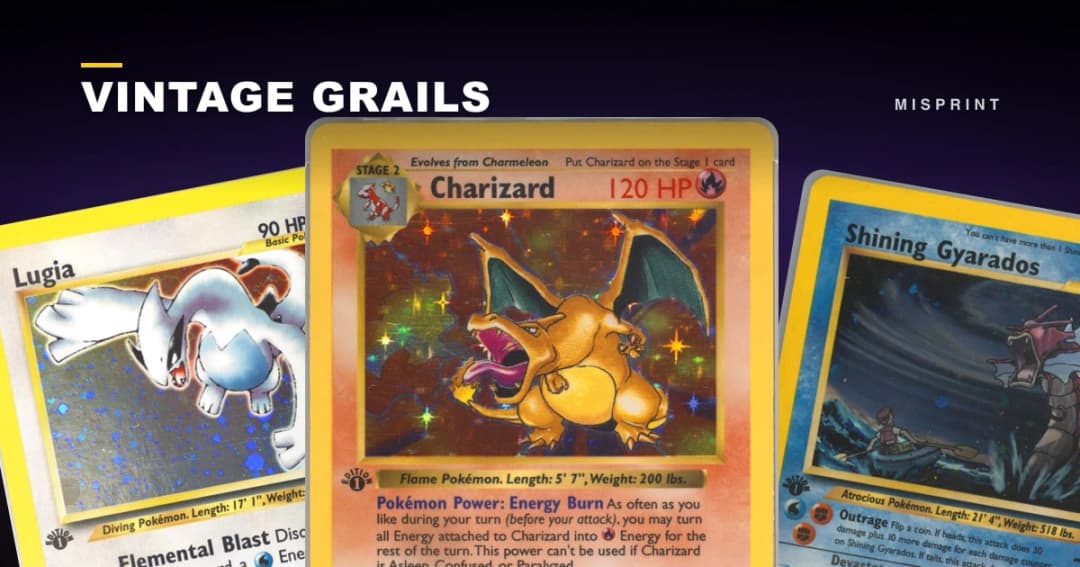
The vintage logic is different and, for the right cards, far more lucrative. Unlimited holos are cheap raw, often $25 to $80, but command huge PSA 10 premiums because flat-color backgrounds, scratch-prone dark foils, and chronic off-centering make true gem-mint copies genuinely scarce. The trade-off is a low gem rate, so these are high-reward, low-hit-rate submissions. Always grade the Unlimited printing here; the 1st Edition and Shadowless raws are already expensive.
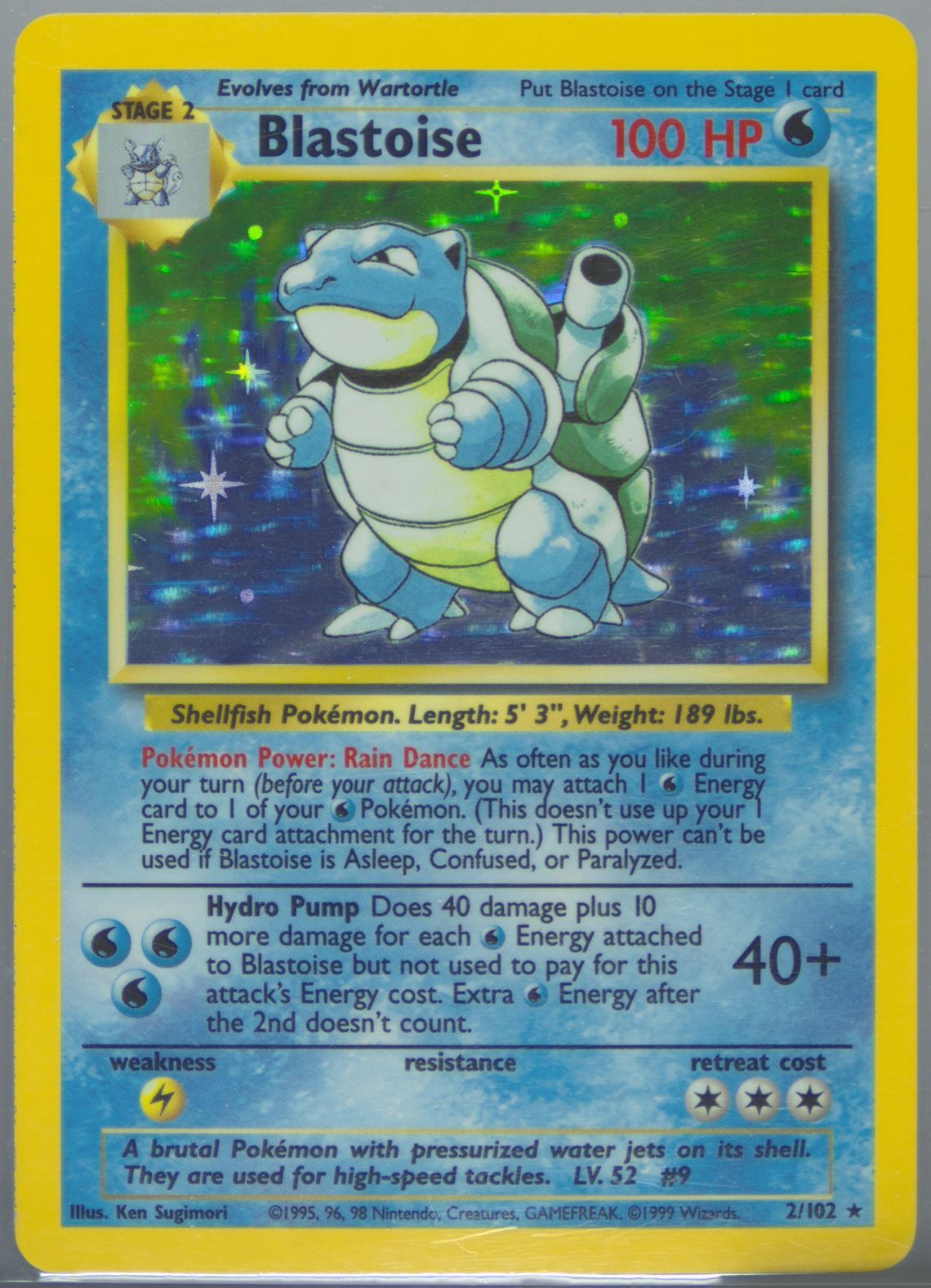
Base Set Blastoise (#2/102, Unlimited)
The single best-documented vintage candidate. Raw around $80, PSA 9 around $1,000, and PSA 10 in the $6,500 to $8,500 range, an 80x-plus multiplier with deep sold-comp support.
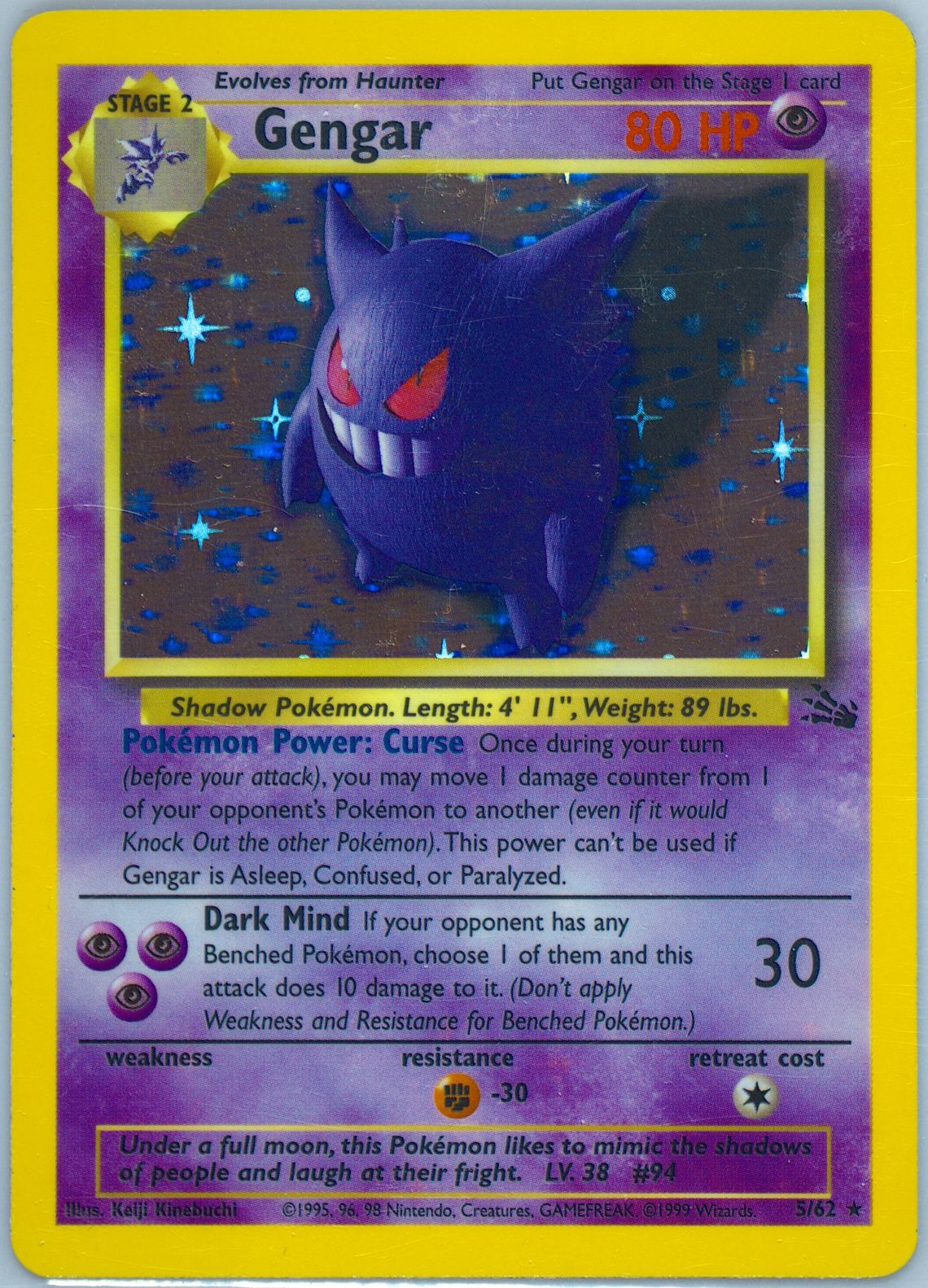
Fossil Gengar (#5/62, Unlimited)
A moving target in the best way: raw copies roughly doubled in the past month to around $200 as the anniversary vintage rally hit the Wizards era, with PSA 10s in the $3,800 to $5,000 range, still a 20x-plus multiplier. The scratch-prone dark foil is what makes clean 10s scarce. For more on the Fossil set's chase cards, see our most expensive Fossil cards guide.
Base Set Mewtwo (#10/102, Unlimited)
Raw around $24 and PSA 10 around $3,300 to $4,000, an enormous multiplier, though comps are thinner here (roughly one sale a year), so liquidity is the limiting factor.
A fair warning on a few popular vintage holos: the widely circulated PSA 10 prices for Base Set Chansey, Base Set Gyarados, and Jungle Vaporeon Unlimited rest on too few sold comps to trust a precise number. They may still be excellent grading candidates, but do not anchor to a specific figure you see quoted. The Base Set cards as a category are covered in our most expensive Base Set cards breakdown.
What to Avoid Grading
- Commons, uncommons, reverse holos, and bulk modern holos, where fees exceed any uplift.
- Any modern card whose PSA 10 population is already in the tens of thousands, since premiums are compressing.
- Played or lightly-played vintage; a PSA 6 often sells below a raw near-mint copy.
- Recent SIRs you cannot grade immediately, because populations balloon and premiums fall fast.
- With PSA's Value tiers paused, anything raw under about $100 at the $80 Regular floor unless it has a proven high multiplier.
The size of the gem-mint premium is the whole game, and our breakdown of the PSA 10 versus PSA 9 price difference shows just how steep that cliff can be. If you are deciding which of your cards qualify at all, what Pokemon cards you should grade in 2026 is a useful triage.
The Bottom Line
Grading in 2026 is a narrower play than it was a year ago. PSA's Value-tier pause pushed the realistic floor to about $80 per card, populations keep climbing, and the modern market is correcting, which means the bar for a worthwhile submission is higher than ever.
The cards that clear that bar fall into two buckets: a handful of high-multiplier modern hits, led by the two Charizard ex SIRs and Moonbreon, and clean Unlimited vintage holos like Base Set Blastoise and Fossil Gengar, where the raw-to-gem gap is enormous. Everything else is usually better left raw or bought already slabbed.
Grade the right cards, in the right condition, and the slab pays for itself. Grade the wrong ones and you are just buying expensive plastic. When you are ready to buy or sell graded cards on real numbers, Misprint shows live market data for slabbed cards across grades.