How to Sell a Large Pokemon Card Collection
Thousands of cards, one clear plan.
By Misprint Editorial | Published Jul 21, 2026 | 6 min read

A binder is a project. Twelve boxes in the closet is a logistics problem. Here is how to turn the pile into cash without losing your weekend or your mind.
Selling a few cards is easy. Selling a large collection, the kind that fills boxes, binders, and at least one drawer you forgot about, is a different challenge entirely. The cards are not the problem. The volume is. When you are staring at three thousand cards, every decision multiplies, and the temptation to just dump everything for a flat fee gets very strong very fast.
That flat-fee dump is sometimes the right call. But more often it leaves a large chunk of value on the table. This guide is the system we would use to work through a big collection methodically, so you capture the value that is actually there without spending a hundred hours chasing pennies.
Start by Deciding How Much Effort You Want to Spend
Before you touch a single card, be honest about your goal. There are really only three:
- Maximum money, time is not a concern. You will sort, research, and list individually. This can take weeks but yields the most.
- A fair price, reasonable effort. You triage the valuable cards, sell those well, and offload the rest in lots or bulk.
- Gone by next week. You sell the whole thing to one buyer and accept a discount for the convenience.
Most people land in the middle, and that is fine. The mistake is not picking one. People who drift, individually listing some cards, abandoning others halfway, and never finishing, tend to capture the worst of all worlds. Pick your lane before you start.
If you are still deciding whether now is even the right time to sell, our take on whether to sell now or wait walks through how the current market should factor into that call.
Step 1: The Triage Pass
Your first job is not to price anything. It is to separate the collection into broad buckets as fast as possible. Go through every card once and sort into four piles:
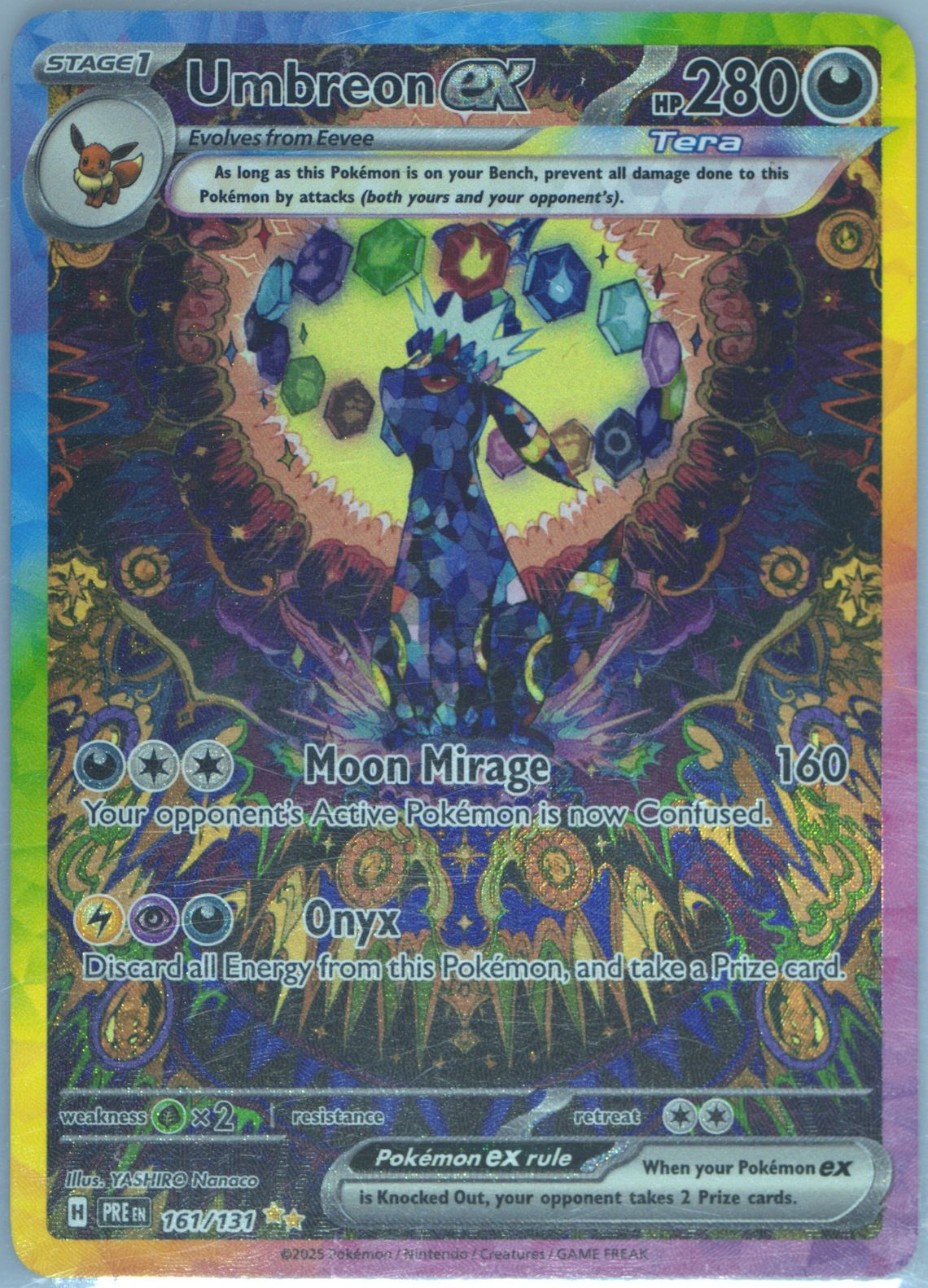
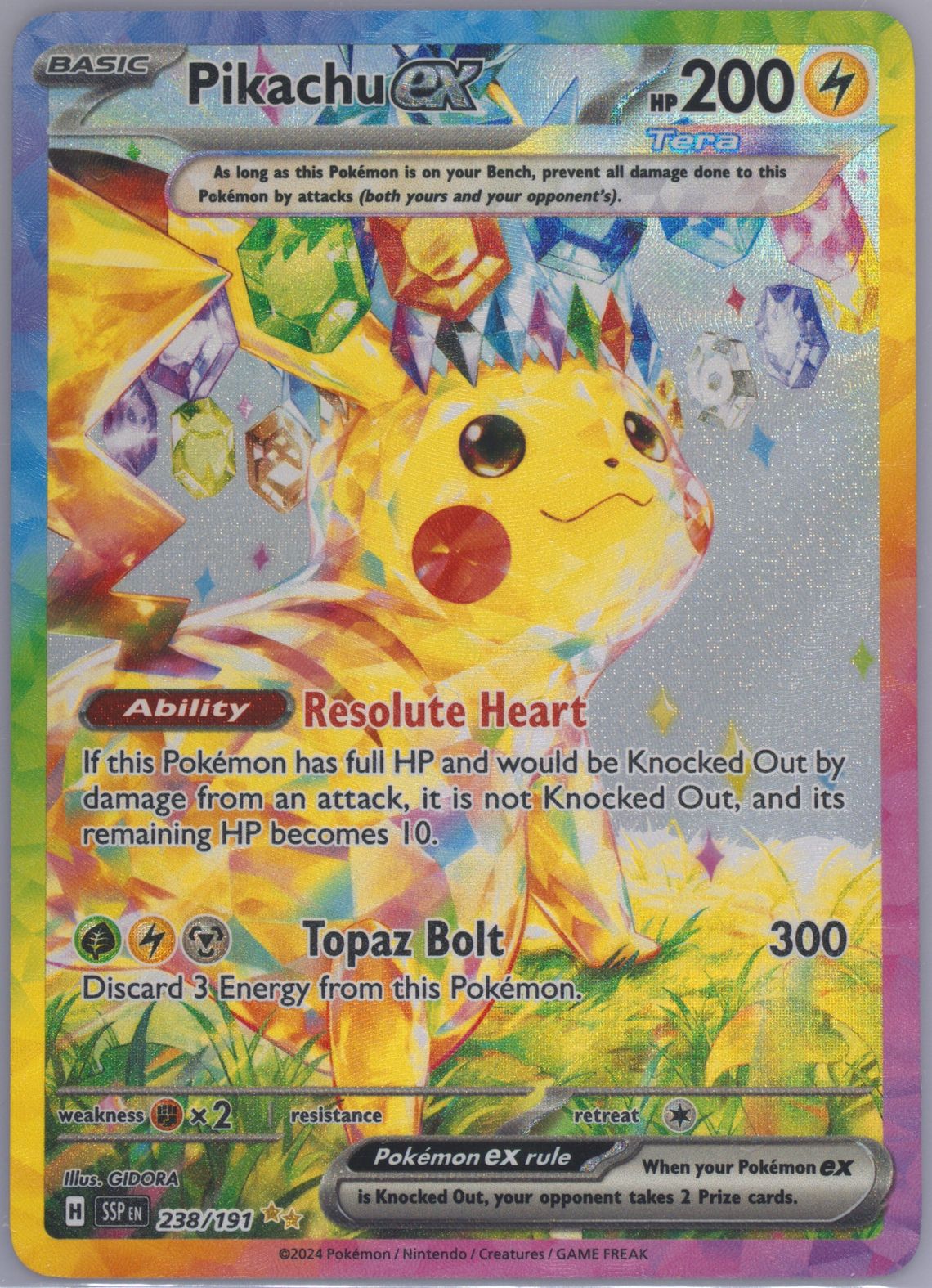
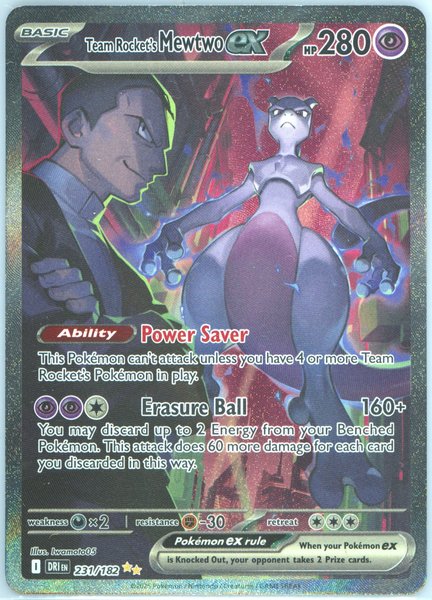
- Obvious hits. Holos, full arts, alt arts, secret rares, vintage cards, graded slabs, anything textured or shiny or stamped "1st Edition."
- Maybes. Cards you are not sure about. Modern rares, promos, older non-holos.
- Clear bulk. Modern commons and uncommons, energy cards, the stuff you know is filler.
- Damaged. Creased, water-damaged, or heavily played cards, regardless of what they are.
Do not look anything up during this pass. You are filtering by eye and by feel. Speed matters more than precision here, because the goal is simply to shrink the "needs real attention" pile down to something manageable.
Step 2: Find the Real Value
Now take your "obvious hits" and "maybes" piles and actually identify them. A scanner app will get you through this far faster than manual lookups. Scan each card, note the rough value, and re-sort:
| Bucket | Rough raw value | What to do with it |
|---|---|---|
| High-value singles | $20+ | Research carefully, sell individually |
| Mid singles | $3 to $20 | List individually or in small themed lots |
| Low singles | $0.50 to $3 | Bundle into lots |
| Bulk | Under $0.50 | Sell as bulk by the thousand |
A scanner price is a starting point, not gospel. For anything above roughly $20, verify against actual recent sold prices before you commit to a number. Scanners read the card, not its condition, and condition is where a lot of value lives or dies.
If you have never put a number on a whole collection before, our guide on finding the value of a Pokemon collection covers the tools and the math in more depth.
Step 3: Sell the Singles Where They Belong
The highest-value cards deserve the most thought, because this is where most of your money is. A common pattern in large collections is that a small handful of cards, often under five percent of the count, represent more than half the total value.
For graded cards specifically, the venue matters a lot, and we have a dedicated guide on the best place to sell graded Pokemon cards. Slabs and raw cards do not always sell best in the same place.
For raw singles, here is the rough breakdown:
- High-value cards ($50+) and unusual items: eBay's auction format can push prices above market when there is genuine demand, and the audience is enormous. Marketplaces built for cards, like Misprint, are strong here too, because the pricing data is right next to the listing and buyers are already in a buying mindset.
- Mid-range singles ($3 to $50): A structured card marketplace works well. List at or just under the going rate and let buyers find you. This is also where Misprint's pricing tools help you set a number you can defend.
- Modern, commodity-style cards: Whoever is cheapest wins, so match the lowest reasonable price and move on.
The deeper question of whether to break the collection apart or keep pieces together is worth its own read, which is why we wrote up selling individually versus as a lot. For a large collection the answer is almost always "both," with your best cards sold individually and the long tail bundled.
Step 4: Handle the Long Tail With Lots and Bulk
Here is where large collections differ most from small ones. You cannot individually list two thousand cards worth fifty cents each. The time cost alone would eat your entire return. So the long tail gets handled in volume.
Themed lots are your friend for the $0.50 to $3 cards. Group them in ways buyers actually search for: by Pokemon ("20 different Pikachu cards"), by set, by era, or by type. A lot of fifteen holos priced at $20 sells faster and easier than fifteen separate $2 listings, and it costs you one shipment instead of fifteen.
True bulk is everything below that. Sort it at least by era, because vintage bulk is worth far more than modern bulk, then sell it by the thousand. Our full breakdown on how to sell bulk Pokemon cards covers the sorting tiers and pricing in detail. The short version: even thirty minutes of sorting can double what a bulk buyer will pay.
Step 5: The Logistics That Trip People Up
Large collections create real operational headaches that small sales never do.
Track what you have listed. With hundreds of listings across multiple platforms, a simple spreadsheet, card, platform, asking price, status, saves you from selling the same card twice or losing track of what is still live.
Batch your shipping. Set aside specific days for packing and mailing rather than running to the post office every time something sells. For the singles, our card shipping guide covers protecting cards properly. Cards are heavier than people expect, so for lots and bulk, flat-rate or ground services usually beat anything priced by weight.
Expect it to be a marathon. A large collection sold properly is not a weekend project. Listings sit. Lots take time to move. Bulk needs a buyer. Pace yourself, or you will burn out at the eighty-percent mark and dump the rest for nothing.
The Sell-It-All Option Is Real
We would be dishonest if we did not say it plainly: sometimes the right move is to sell the entire collection to one buyer and walk away.
If you are moving, settling an estate, clearing out a relative's collection you have no attachment to, or you simply value your time more than the marginal dollars, a single sale to a card shop, a bulk buyer, or one collector is completely legitimate. You will take a discount, often a meaningful one, but you trade that for finishing in an afternoon instead of over two months.
The point of this guide is not to shame the quick sale. It is to make sure that if you choose it, you are choosing it with eyes open, knowing roughly what you are giving up. An informed quick sale beats a half-finished maximization attempt every time.
The Bottom Line
A large Pokemon collection is mostly a sorting and logistics challenge, not a pricing one. Decide upfront how much effort you want to invest, triage everything into broad buckets fast, identify and carefully sell the small handful of cards that hold most of the value, and clear the long tail through lots and bulk rather than trying to list every card.
Do that, and you will capture the great majority of what the collection is actually worth without sinking a hundred hours into it. And if the answer turns out to be "I just want it gone," that is a valid choice too, as long as you know what you are trading away. When you are ready to list the good stuff, our overview of the best place to sell Pokemon cards in 2026 will point you to the right venue for each tier.