Best Magic Cards to Invest In (2026)
Reserved List lands, Power Nine icons, and one eternal staple, ranked by conviction.
By Misprint Editorial | Published Jun 17, 2026 | 7 min read
Reserved List lands, Power Nine icons, and one eternal staple, ranked by conviction.
"Investing" in cardboard sounds like a punchline until you look at the chart on a Beta dual land over the last decade. Magic: The Gathering has a structural advantage almost no other collectible enjoys: the Reserved List, a promise from Wizards of the Coast that certain cards printed between 1993 and 1999 will never be reprinted. Fixed supply plus a game that people still play competitively with these cards is the entire investment thesis in one sentence. Everything below flows from it.
A caveat before the countdown. These are not stocks. Spreads are wide, liquidity is thin on the high end, and aggregator prices (MTGStocks, TCGplayer market, PriceCharting) often run ahead of what cards actually sell for, especially for raw copies. Treat every number here as a reference point, not a quote. Prices move week to week, condition matters enormously, and a graded copy and a raw copy of the same card can be two different markets. If you want the full macro picture first, read our 2026 Magic market report and our take on whether Magic cards are a good investment at all.
Here are eight cards I would actually put money into in 2026, counting down to the one with the strongest case.
8. Ragavan, Nimble Pilferer (Modern Horizons 2)
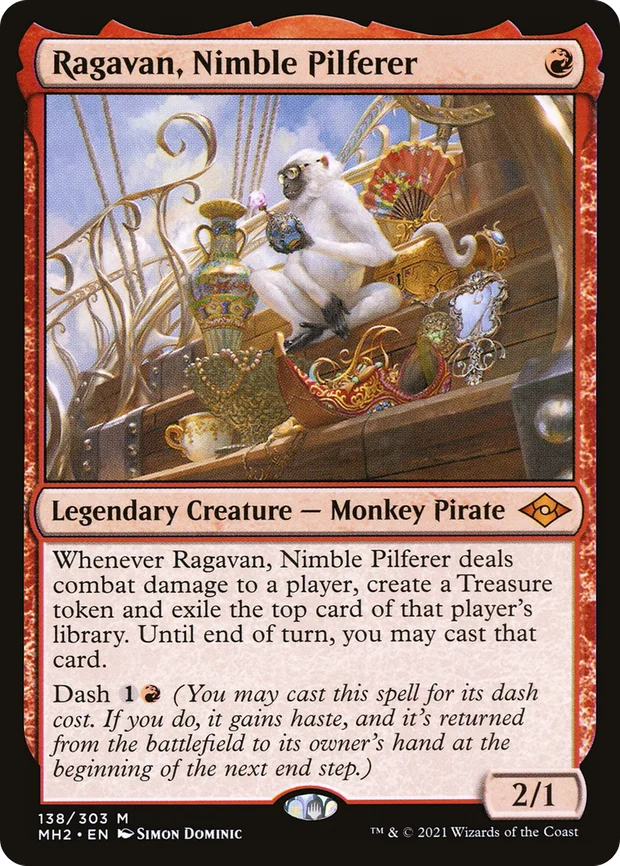
The odd one out, and deliberately so. Ragavan is not on the Reserved List and can be reprinted at any time, but it is the closest thing modern Magic has to a permanent Constructed staple: a one-mana threat that has anchored Modern, Legacy, and Vintage decks since 2021. The regular Modern Horizons 2 copy sits around $50 in 2026. This is a demand-driven pick, not a scarcity one, and the reprint risk is real (a Standard-legal reprint would gut the price). Include it as a bet on the game staying popular, not on supply drying up. It is also a reasonable entry for a first-time buyer building toward the pricier picks. For more like this, see the most valuable Modern cards.
7. Underground Sea (Revised)
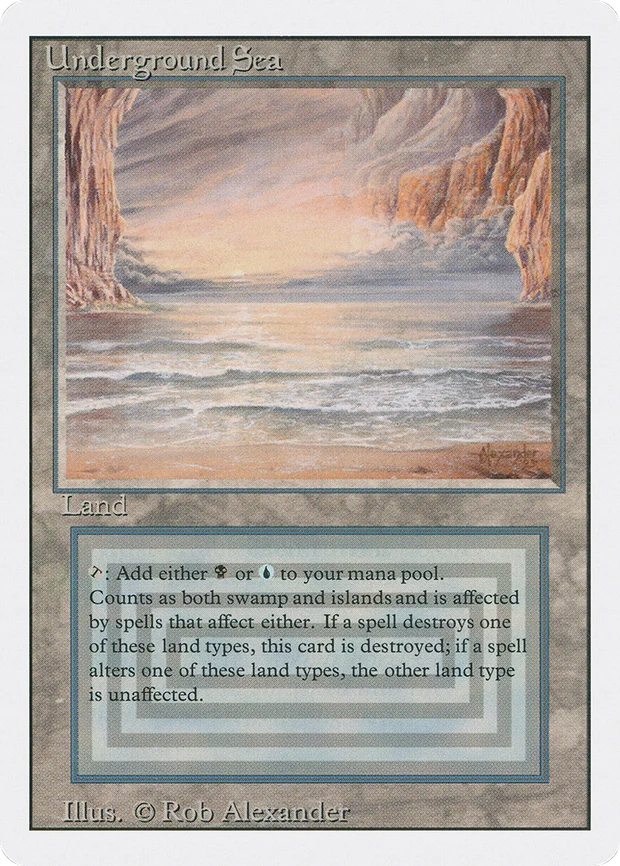
The gateway drug of Reserved List investing. Revised (3ED) dual lands are the most liquid vintage-adjacent assets in the game, and Underground Sea is the most in-demand of the ten because blue is blue. Expect to pay roughly $800 to $1,200 for a played-to-near-mint Revised copy in 2026, with clean copies pushing higher. There are ten original duals and a deep guide to all of them in our dual lands value guide. If you only ever buy one Reserved List card, a Revised dual is the sensible first move: real demand, easy to sell, and a floor set by the fact that no more will ever be printed.
6. Gaea's Cradle (Urza's Saga)
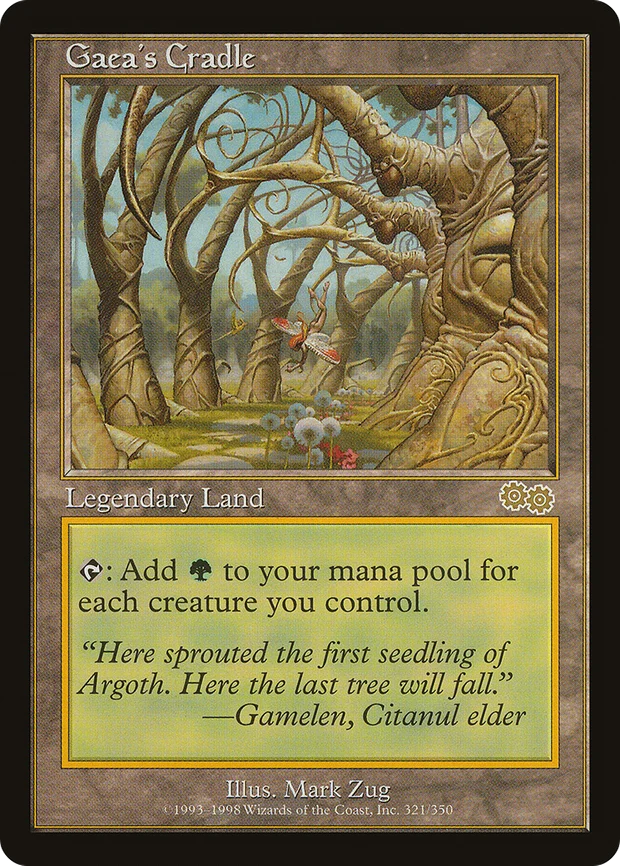
A Reserved List land that does something absurd (tap for green mana equal to your creature count) and has quietly become a Commander cornerstone. Gaea's Cradle trades in the $1,400 to $1,600 range in 2026 depending on source and condition. The Commander format is the single biggest driver of casual card demand, and staples like this ride that wave. See our roundup of the most valuable Commander cards for the broader category.
5. Bazaar of Baghdad (Arabian Nights)
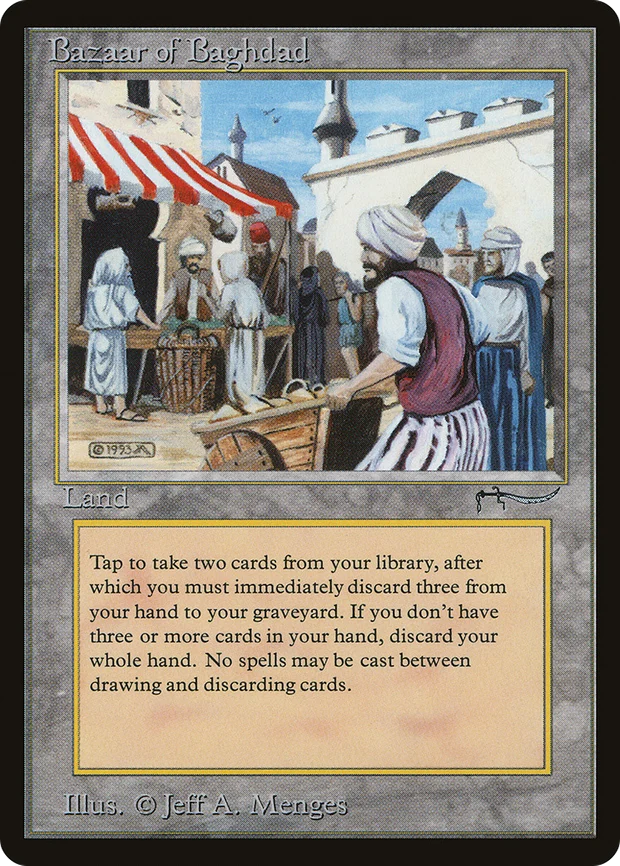
The most liquid card in Magic's first-ever expansion. Bazaar of Baghdad enables Vintage Dredge and does effectively nothing outside that archetype, yet its tiny Arabian Nights print run and dedicated demand keep it moving. Market prices sit around $1,900 to $2,400 in 2026, and it reportedly turns over more copies per year than almost any other Arabian Nights card. This is a narrow but sturdy pick: one deck props up the whole price, which is both its strength (consistent buyers) and its risk (a single Vintage rules change could hurt).
4. The Tabernacle at Pendrell Vale (Legends)
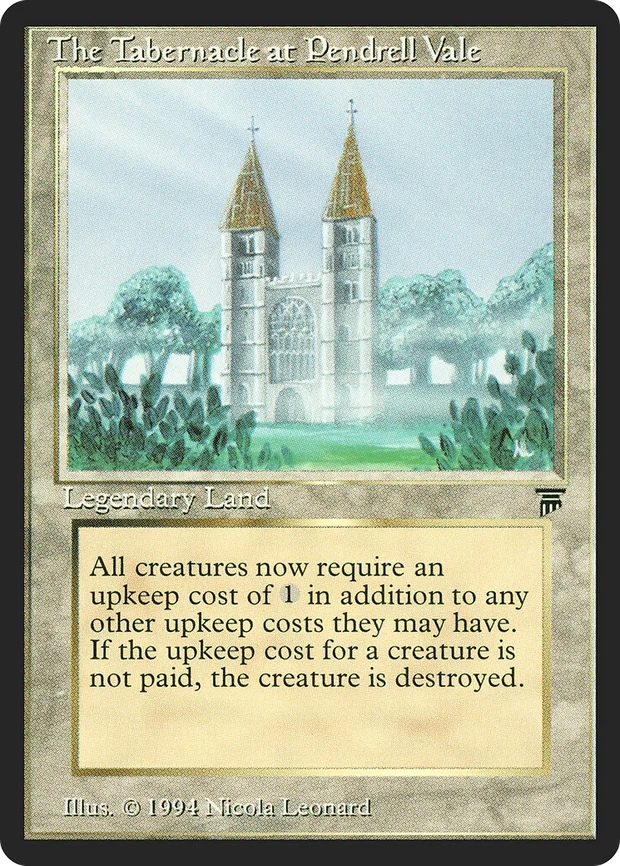
The most famous non-Power-Nine Reserved List card, and a legend for its brutal scarcity. Printed only in Legends, The Tabernacle taxes every creature on the board, making it a Legacy control staple with a supply that is comically small. Prices run from about $2,900 up to $4,000 in 2026, with clean copies at the top of that band. The Tabernacle is the textbook illustration of the Reserved List thesis: low supply, real tournament demand, and a price that has trended up for years. Read more about why the Reserved List exists.
3. Mishra's Workshop (Antiquities)
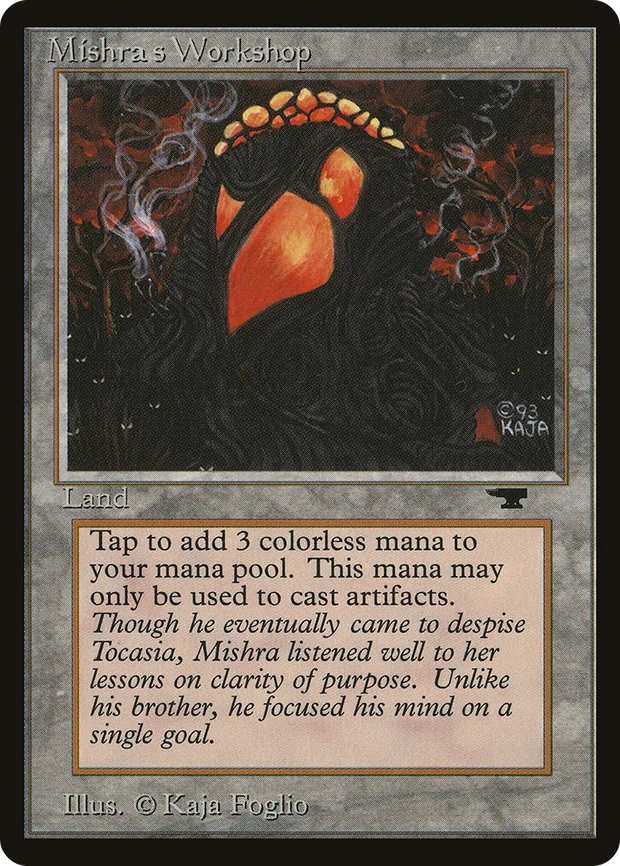
The engine behind Vintage's most feared archetype. Mishra's Workshop taps for three colorless mana toward artifacts, and Shops decks have been a pillar of competitive Vintage for two decades. In 2026 it trades roughly $3,000 to $3,700 depending on source and condition. Antiquities was a small early set, the card is Reserved-Listed, and the demand base is entrenched. Of the mid-tier picks here, this is the one with the deepest competitive moat.
2. Time Walk (Beta)
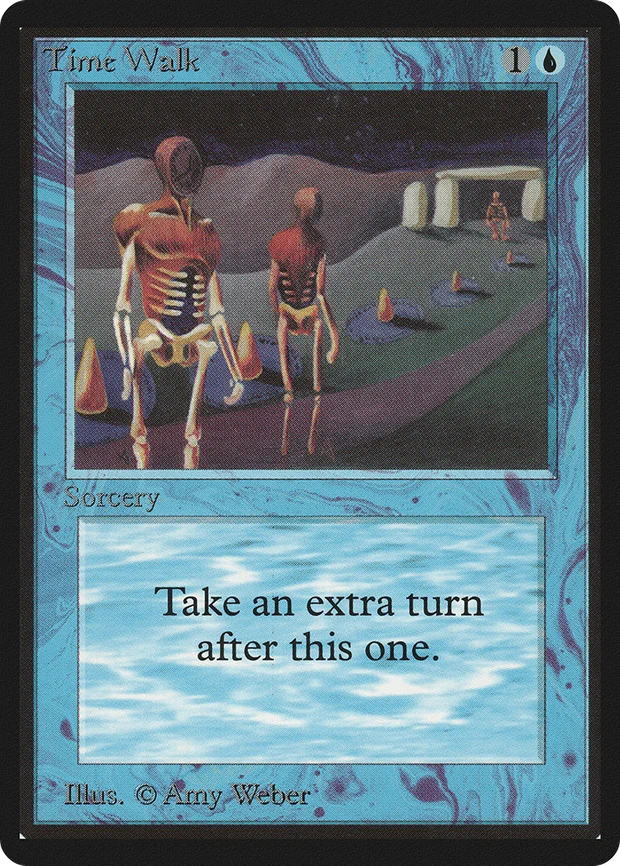
A member of the Power Nine, the nine most powerful and valuable cards from Magic's earliest sets. For two mana, Time Walk takes an extra turn, an effect so broken it has never been reprinted in a tournament-legal form. Pricing splits sharply by edition: Unlimited (white border) copies run around $3,200, while Alpha copies command roughly $20,000, with Beta sitting between the two around $4,000 to $4,500. Buying a Beta Power Nine card is buying a black-bordered piece of Magic history with permanently fixed supply. The full nine, ranked and explained, live in The Power Nine, Explained.
1. Black Lotus (Beta)
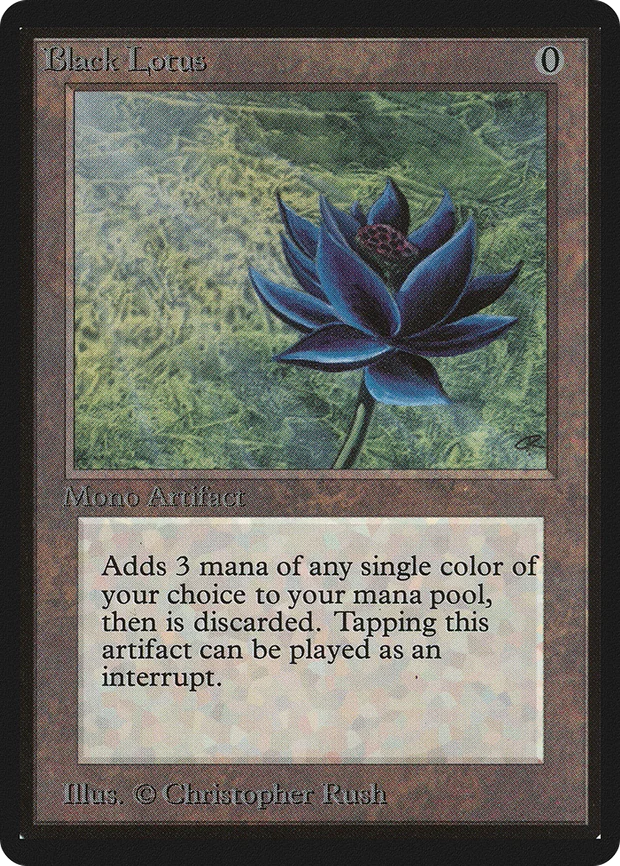
The most iconic card in the hobby and the anchor of any serious Magic portfolio. Black Lotus produces three mana for free, is banned or restricted nearly everywhere, and functions as the blue-chip asset of the entire market. Raw near-mint Beta copies run roughly $18,000 to $35,000 in 2026, while graded copies command far more: PSA 8 examples in the $24,000 to $45,000 range and PSA 10 copies climbing into $150,000 and up. Beta is the collector sweet spot, black-bordered and vintage without Alpha's extreme population premium. Grading matters enormously here, since raw copies face buyer skepticism and often trade at a discount to graded equivalents (our guides on whether grading increases value and PSA vs BGS vs CGC are worth reading before you buy or submit). If you want the deeper story, we wrote a whole piece on what a Black Lotus is and why it is worth so much.
The honest risk section
Everything above can go down. The Reserved List is a policy, not a law, and while Wizards has reaffirmed it repeatedly, policy can change. Grading standards shift. Vintage and Legacy are small formats, so a banning or an errata can crater a single card overnight (see Bazaar). And the biggest silent risk is liquidity: it is easy to buy a $30,000 card and much harder to sell one quickly at the price a tracker quotes. Sold-price data almost always lags aggregator listings, which is why tracking real transaction data (something we do at Misprint for the graded market) beats trusting a single sticker price. For a broader diversification play, weigh singles against sealed booster boxes and consider which sets hold value best.
Recap: 2026 investment picks at a glance
| Rank | Card | Set | Approx. 2026 price | Thesis |
|---|---|---|---|---|
| 8 | Ragavan, Nimble Pilferer | Modern Horizons 2 | about $50 | Eternal staple, reprint risk |
| 7 | Underground Sea | Revised | $800 to $1,200 | Liquid Reserved List entry |
| 6 | Gaea's Cradle | Urza's Saga | $1,400 to $1,600 | Commander demand |
| 5 | Bazaar of Baghdad | Arabian Nights | $1,900 to $2,400 | Scarce, Vintage Dredge |
| 4 | The Tabernacle at Pendrell Vale | Legends | $2,900 to $4,000 | Extreme scarcity |
| 3 | Mishra's Workshop | Antiquities | $3,000 to $3,700 | Deep Vintage moat |
| 2 | Time Walk (Beta) | Beta | Unlimited about $3,200; Alpha about $20,000 | Power Nine, fixed supply |
| 1 | Black Lotus (Beta) | Beta | Raw $18k to $35k; graded far higher | The blue-chip anchor |
Prices reflect public aggregator data as of mid-2026 and move constantly. Aggregator figures can run ahead of actual sold prices, so always check recent sales before you buy.